
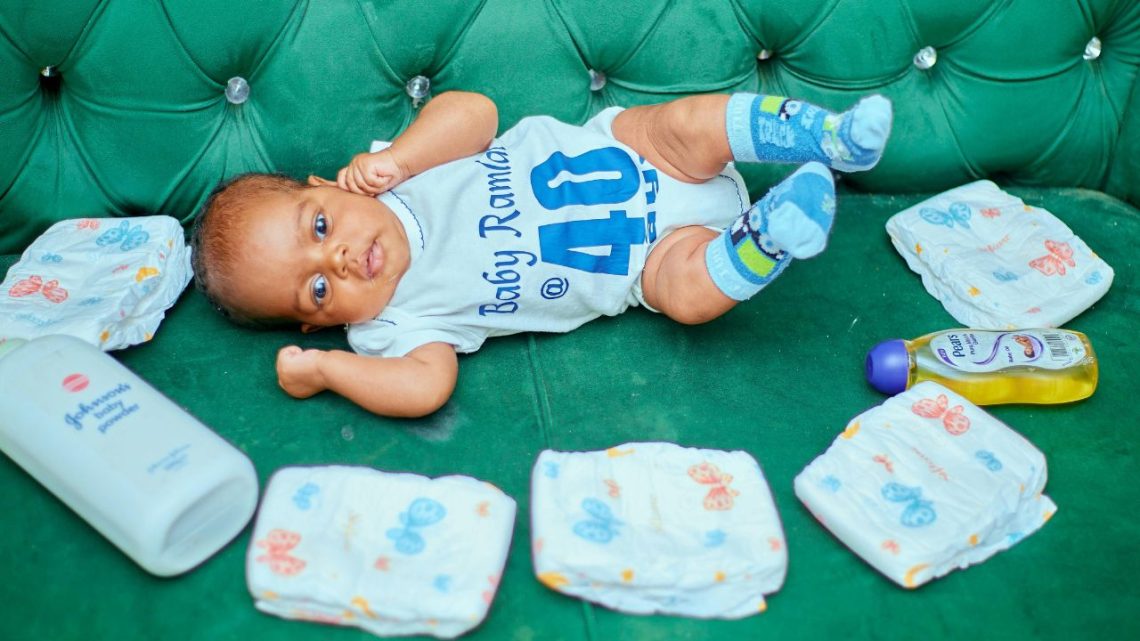

Becoming a mother for the first time is an incredible journey filled with love, joy, and unforgettable moments. But alongside the excitement comes a new responsibility: being prepared for the unexpected. Babies are delicate, and situations can change quickly. A mild fever can spike in the middle of the night. A diaper blowout can happen in the car. A power outage can occur during bedtime. While these moments are common, they can feel overwhelming if you are not prepared. Preparation does not mean living in fear. It simply means giving yourself peace of mind.
1. A Well-Stocked First Aid Kit
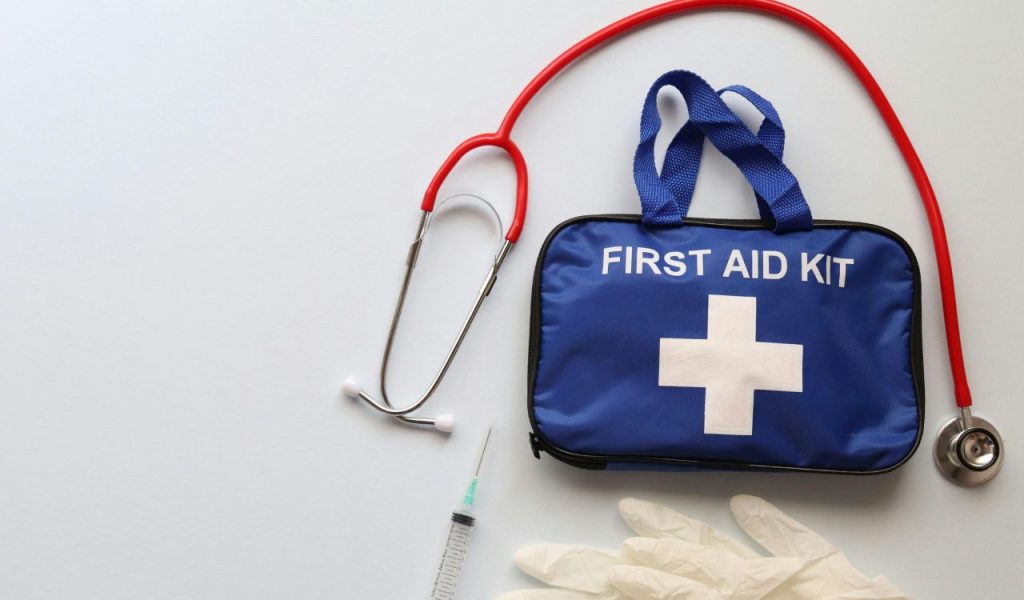
Every home with a baby should have a first aid kit designed specifically for infants. Babies cannot communicate discomfort clearly, so having the right tools readily available can make a huge difference during minor illnesses or injuries. Your baby’s first aid kit should include a reliable digital thermometer to check for fever accurately. Infant-safe fever reducers (only those recommended by your pediatrician) are important to keep on hand in case of sudden illness. Saline drops and a nasal aspirator can help clear congestion, especially during colds. Baby nail clippers prevent accidental scratches, and antiseptic wipes or gentle bandages are useful for minor cuts.
2. Emergency Contact List (Printed and Digital)
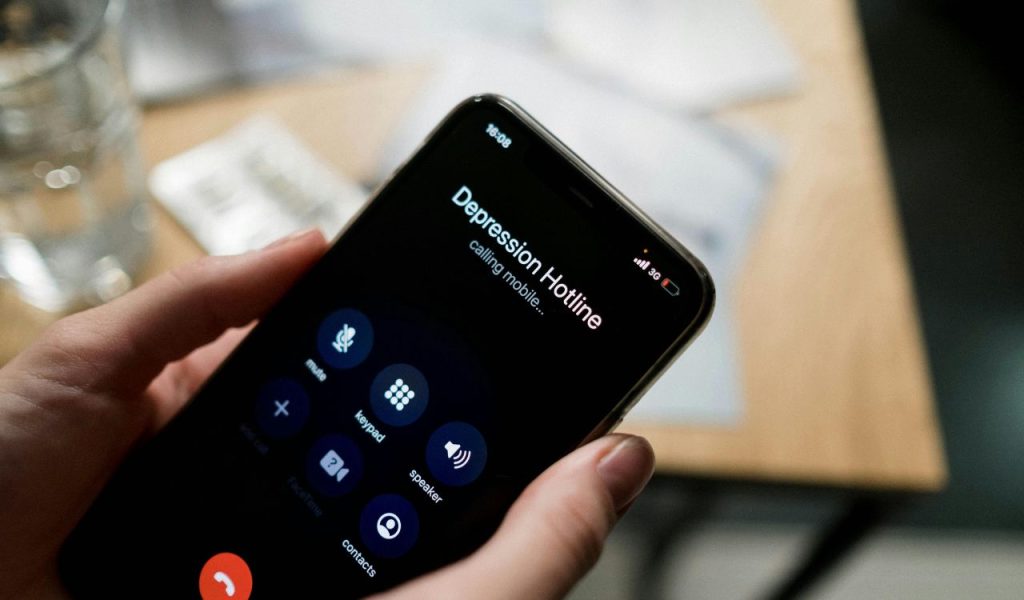
In today’s world, most information is stored on our phones. However, phones can lose battery power, and technology can fail at the worst possible moments. That’s why every new mom should maintain both digital and printed emergency contact lists. Include your pediatrician’s office number, the nearest urgent care or emergency room, poison control, and at least two trusted family members or friends who can help quickly if needed. It’s also helpful to include your home address and basic medical information in case someone else needs to step in. Tape a printed copy inside a kitchen cabinet, on the refrigerator, or near your phone charging station.
3. Backup Feeding Supplies
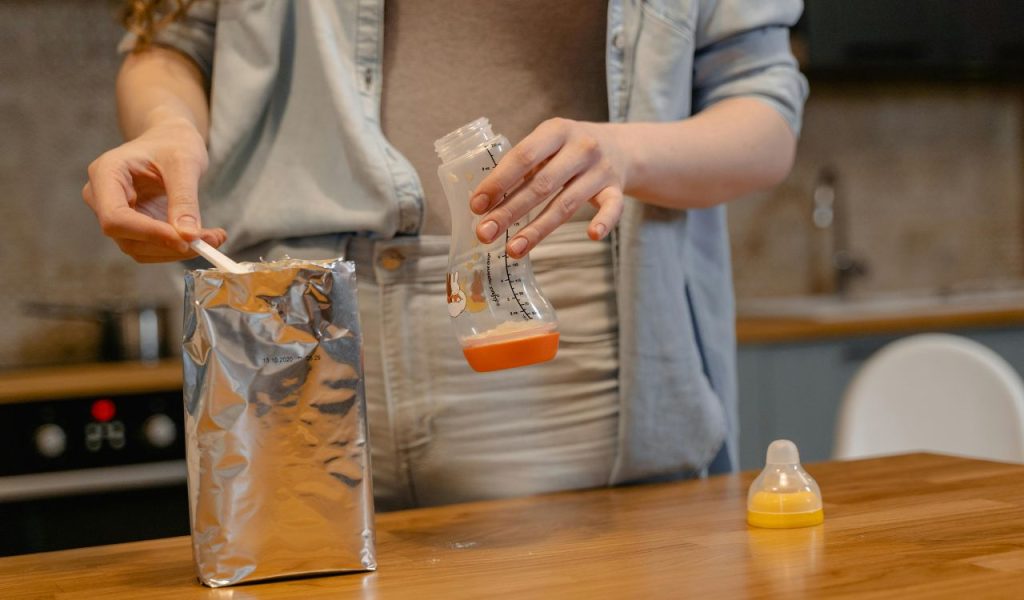
Feeding your baby is one of the most important daily routines, and emergencies can interrupt that routine without warning. Whether you are breastfeeding, formula feeding, or doing a combination of both, having backup supplies is essential. If you breastfeed, consider keeping a manual pump available in case of power outages or equipment malfunction. Store extra milk storage bags and ensure you have a plan for keeping milk cool if necessary. If you formula feed, always have at least one unopened container of formula available. Clean bottles and extra nipples should also be ready.
4. Diaper Emergency Kit (Grab-and-Go Bag)

Unexpected situations sometimes require you to leave the house quickly. A small, ready-to-go diaper kit can make all the difference. Instead of packing a bag in a rush, you will already have what you need. Include several diapers, a pack of wipes, a portable changing pad, an extra outfit, and plastic bags for soiled clothes. You may also want to add diaper rash cream and hand sanitizer. Keep this kit in your car or near your front door. Even if you are just running a quick errand, accidents happen. A prepared diaper kit saves time, reduces embarrassment, and keeps your baby comfortable wherever you are.
5. Baby Monitor with Backup Power

A baby monitor offers reassurance, especially during naps and overnight sleep. In emergencies such as storms or power outages, having a monitor with battery backup becomes even more valuable. Choose a monitor with clear audio and reliable video, if possible. Night vision features are particularly helpful when checking on your baby in a dark room. A portable monitor can also be useful if you need to move around the house. Being able to hear or see your baby without constantly entering the room helps you monitor their safety while maintaining calm and focus during unexpected situations.
6. Emergency Comfort Kit

When babies are uncomfortable, sick, or frightened, comfort becomes just as important as medical care. A small emergency comfort kit can help soothe your baby quickly. This kit might include a favorite pacifier, a soft blanket, a swaddle, or a beloved stuffed toy. Teething toys can also provide relief from discomfort. Familiar items help babies feel secure, especially when routines are disrupted. During stressful moments, a calm baby makes everything easier. Comfort tools are not just accessories; they are powerful calming resources that support both baby and mom.
7. Flashlight and Extra Batteries
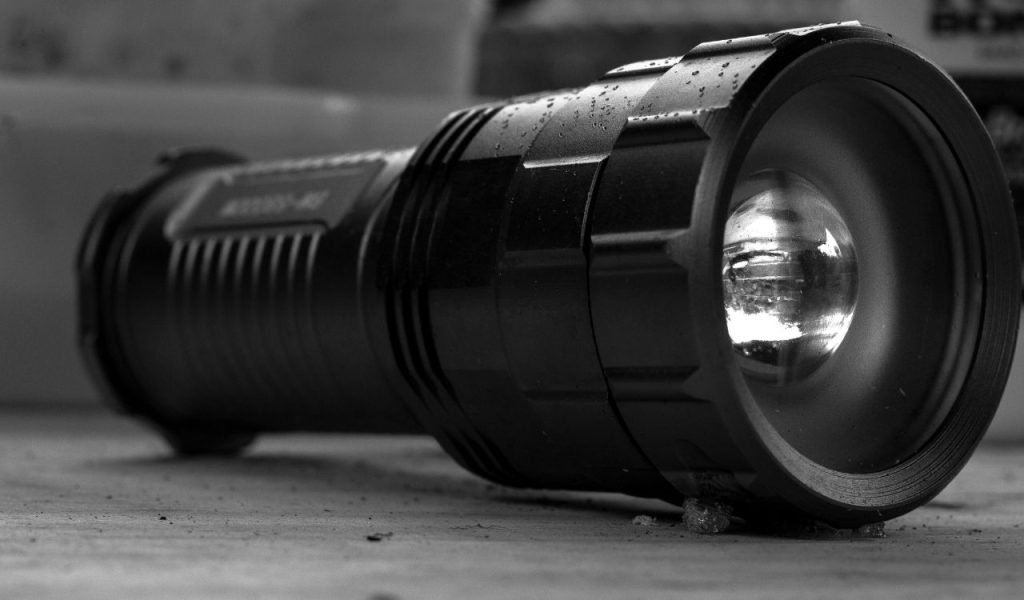
Power outages can happen unexpectedly, often during bad weather or at night. Navigating your home in complete darkness while holding a baby can feel overwhelming. Keep a reliable flashlight in your bedroom and another in the nursery. Make sure extra batteries are stored nearby. Some parents also choose battery-powered nightlights for added security. Being prepared for a power outage allows you to move safely, prepare bottles, change diapers, or comfort your baby without added stress.
8. Basic Medications and Health Supplies
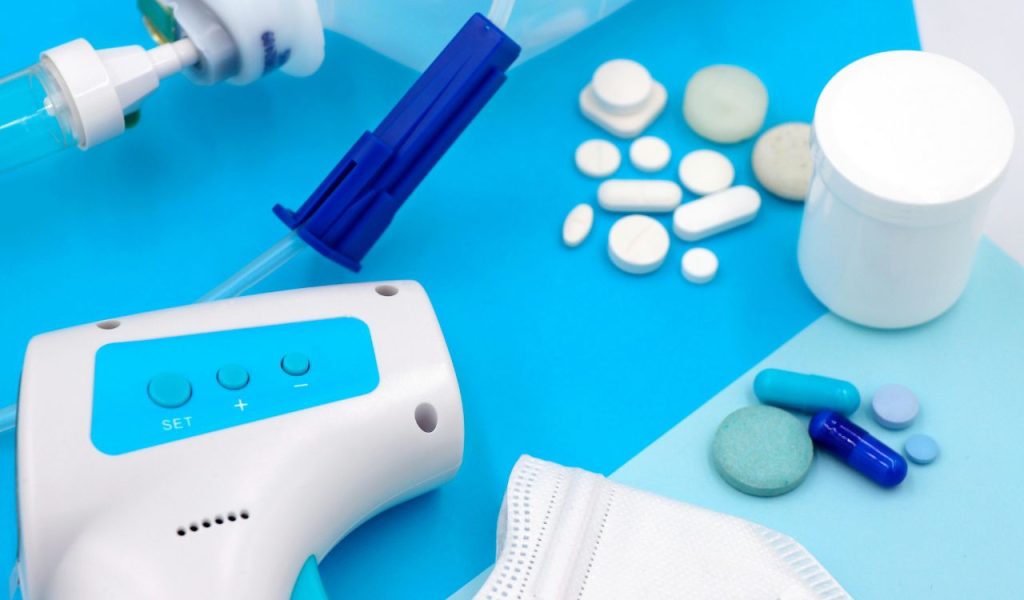
Minor health concerns are common in babies. Having basic pediatrician-approved supplies on hand can prevent unnecessary late-night pharmacy trips. Items to consider include infant fever reducers, gas relief drops, saline spray, and a cool-mist humidifier for congestion. Always follow your pediatrician’s guidance regarding medications and dosages. Keep medicines stored safely and out of reach. Preparation ensures that when your baby feels unwell, you can respond immediately and confidently rather than scrambling for solutions.
9. A Plan (and Confidence)

Perhaps the most important emergency essential is knowledge. Taking an infant CPR and first aid class can equip you with life-saving skills. Knowing how to respond in critical moments builds lasting confidence. Discuss emergency plans with your partner or family members. Decide who will call for help, who will gather supplies, and how you will respond to common scenarios like choking or high fever. Clear communication reduces panic. Most importantly, trust your instincts. As a mother, you know your baby better than anyone. If something feels wrong, seek medical advice immediately. Confidence grows with preparation, and preparation brings peace of mind.