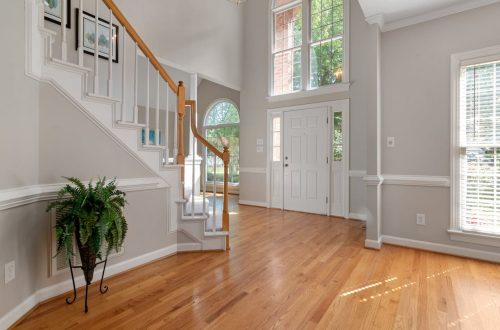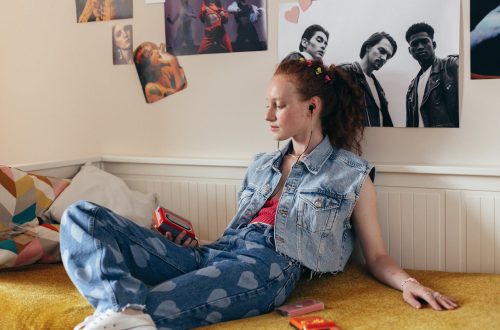
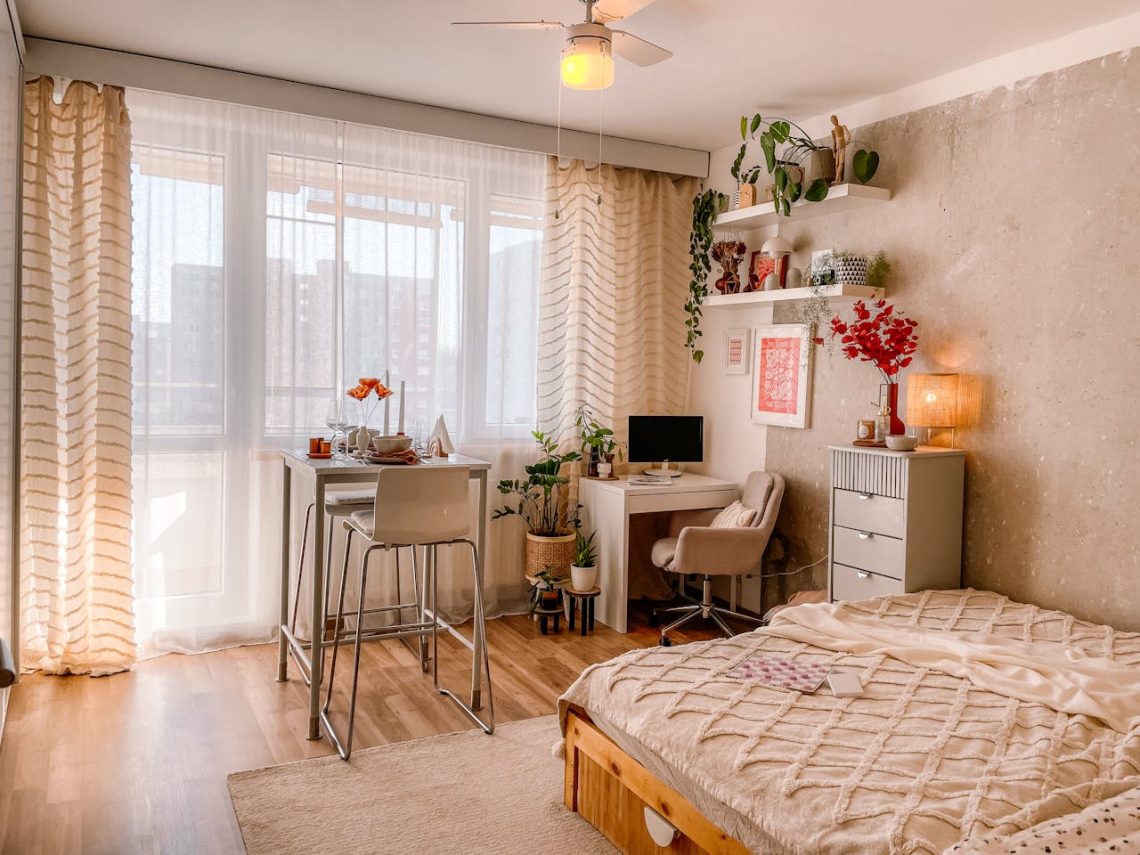
A well-designed apartment does more than look good. It shapes how you feel the moment you walk in, influences how you relax, and even affects how productive you are during busy days. Research in environmental psychology shows that layout, color, and texture can change mood and comfort levels in measurable ways.
When you pay attention to small design choices, you turn a standard rental into a place that feels personal and considered. The good news is you do not need major renovations or a big budget. Thoughtful elements layered with intention can give your space character, warmth, and a sense that it truly belongs to you.
1. Statement lighting
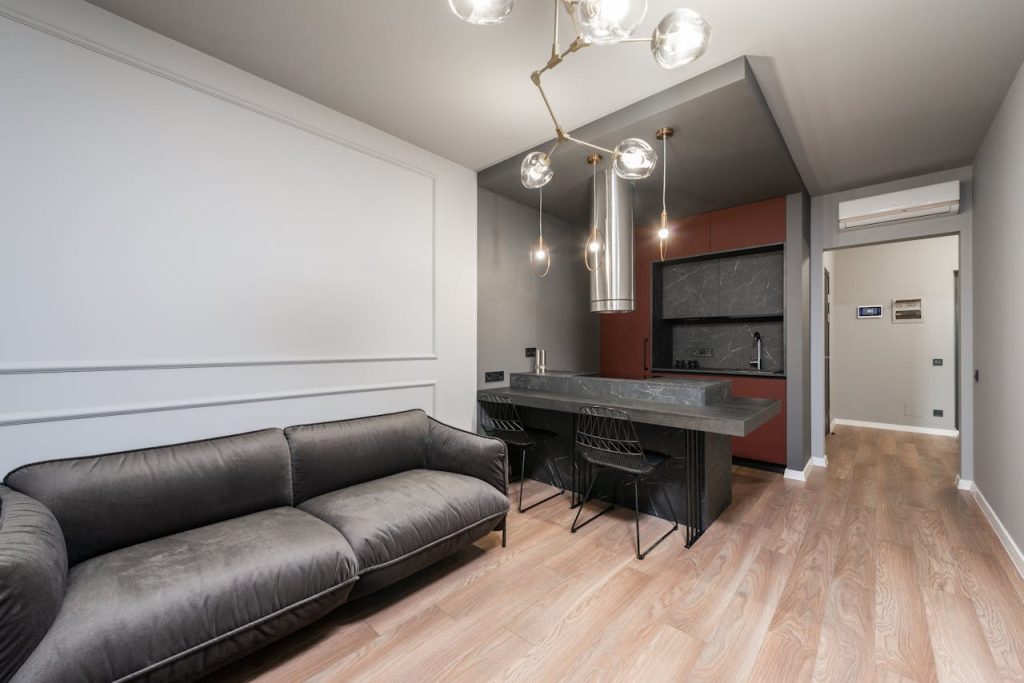
You instantly change the mood of a room when you swap basic fixtures for lighting with personality. Designers often point to layered lighting as a key principle because it balances function and atmosphere. A sculptural pendant, an oversized floor lamp, or even a warm table lamp can draw the eye and create visual depth.
You also control how bright or soft the space feels throughout the day, which supports comfort and focus. Choose bulbs with warmer color temperatures for living areas so the room feels inviting rather than harsh, and place lights where they highlight textures or favorite corners.
2. Textured textiles
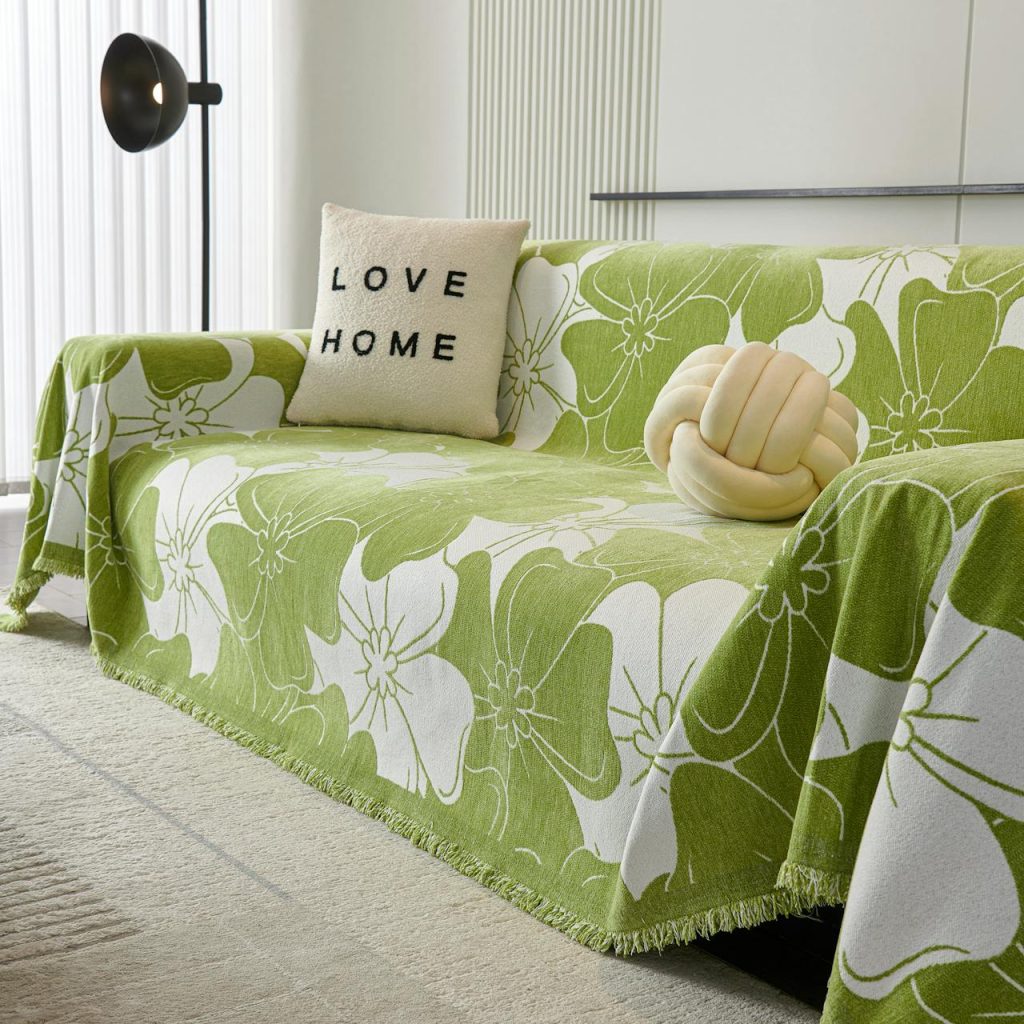
You make a room feel richer when you layer different fabrics instead of relying on flat surfaces. Interior design research consistently shows that texture adds visual interest and helps spaces feel cozy and lived in. Think about mixing a soft rug, woven throws, linen curtains, or velvet cushions so the eye moves naturally around the room.
These elements also improve acoustics by softening echoes, which makes conversations feel more intimate. Even in a small apartment, a few well-chosen textiles can create a sense of comfort that plain walls and bare floors rarely achieve on their own. Try choosing fabrics in complementary tones to keep the look cohesive without feeling busy.
3. Gallery walls
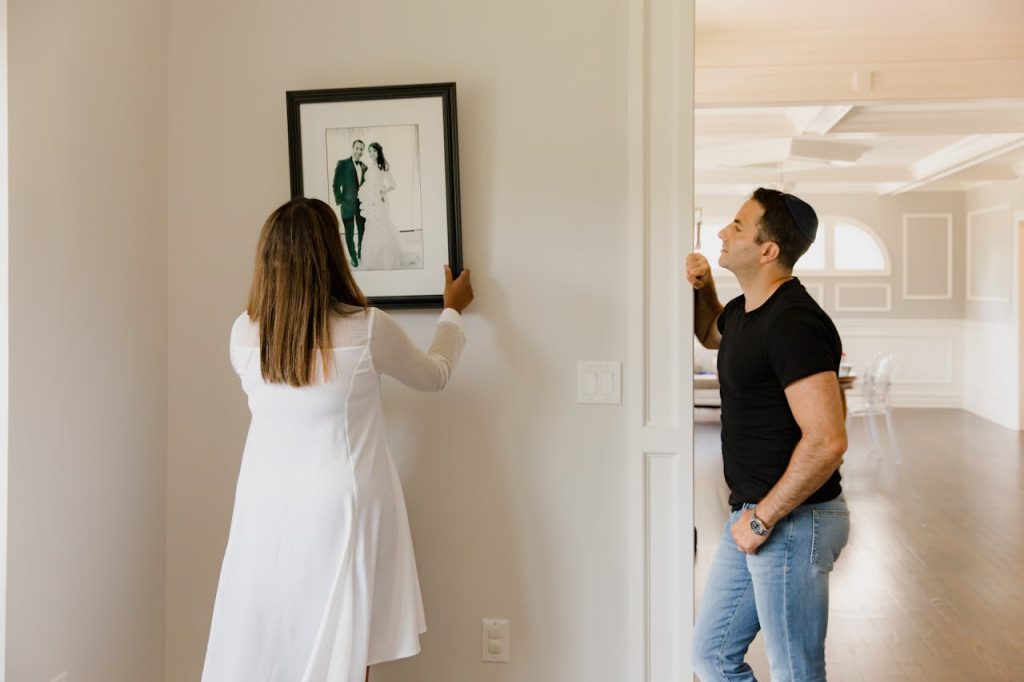
You tell your story when you curate art, photos, or prints in a thoughtful arrangement. Studies on personalization in living spaces suggest that displaying meaningful objects strengthens emotional attachment to your home. A gallery wall lets you combine different frame styles, sizes, and subjects without needing perfect symmetry.
Start by laying pieces on the floor to experiment with spacing before hanging them. When arranged with intention, the display becomes a focal point that reflects your interests and experiences, turning blank walls into something that feels layered and distinctly yours.
4. Accent colors
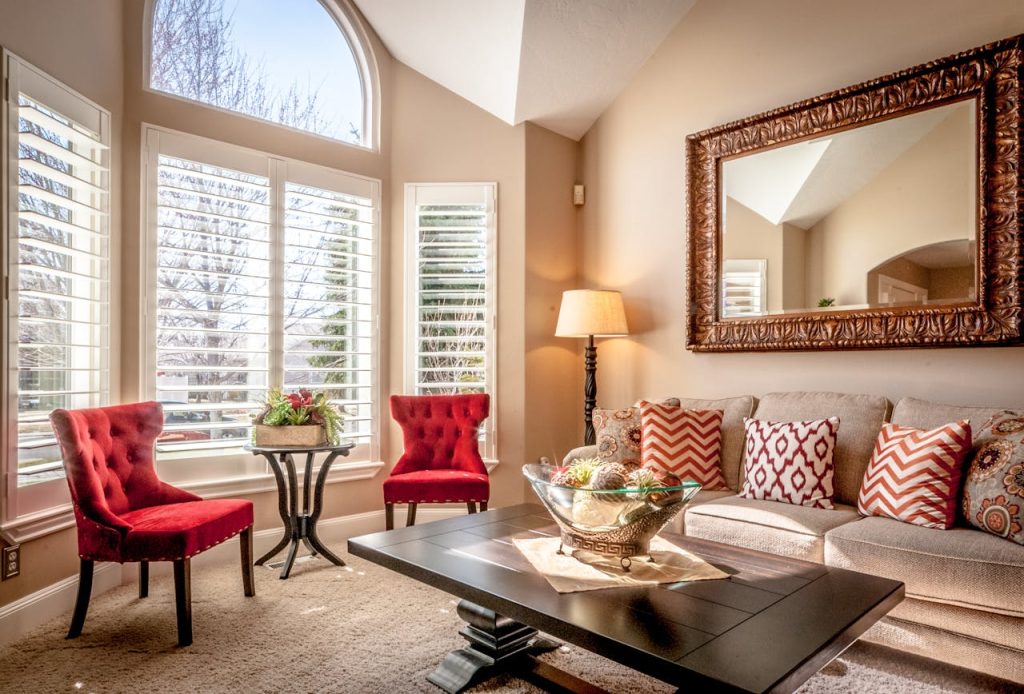
You guide attention and energy in a room when you introduce a focused pop of color. Color theory research shows that hues influence mood, with blues promoting calm and warmer tones adding vibrancy. Instead of repainting everything, you can bring in accent colors through cushions, artwork, or a single chair.
This approach keeps the space flexible while still creating contrast that feels deliberate. Repeating the same color in small touches around the room ties the design together and prevents the look from feeling random or overwhelming. Start with one shade you love and build gradually so the palette feels natural and balanced.
5. Mirrors for depth
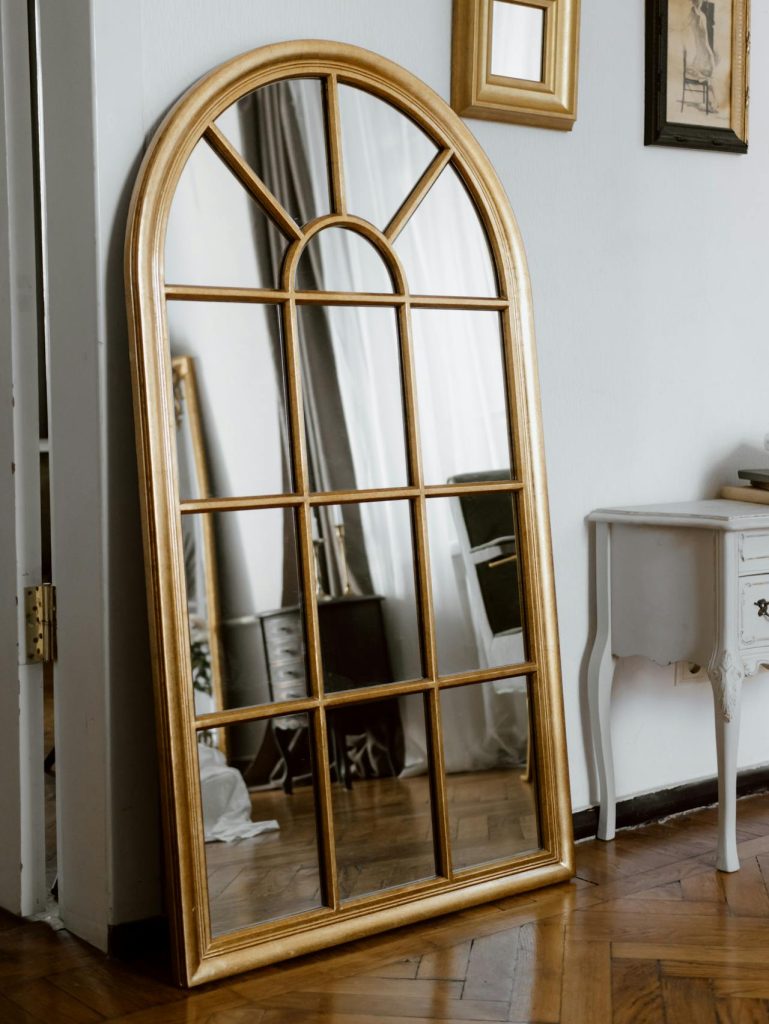
You make your apartment feel larger and brighter when you place mirrors strategically. Designers often recommend positioning mirrors opposite windows so they reflect natural light deeper into the room. This simple trick can visually expand tight spaces and reduce the need for extra lighting during the day.
A well-chosen frame also doubles as decor, adding style while serving a practical purpose. Even a single mirror in a hallway or living area can open up sight lines and create a sense of airiness that makes daily living more pleasant. Try leaning a tall mirror against a wall for a relaxed look that still feels intentional.
6. Indoor plants
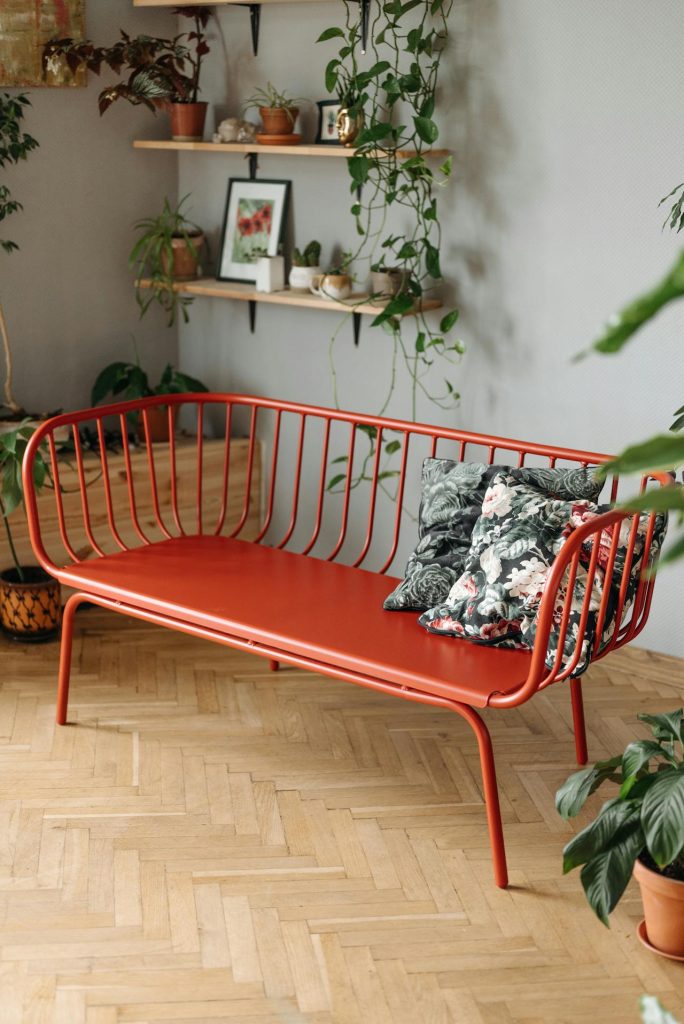
You bring life into your space when you add greenery, and the benefits go beyond appearance. Research from horticultural studies suggests that indoor plants can improve perceived air quality and support relaxation. Whether you choose a tall plant in a corner or small pots on a shelf, greenery introduces natural shapes that soften hard edges.
Caring for plants also creates a gentle routine that connects you to your environment. With the right placement, plants can highlight architectural features and make the apartment feel fresh and welcoming. Start with low-maintenance varieties if you want greenery without extra effort.
7. Open shelving displays
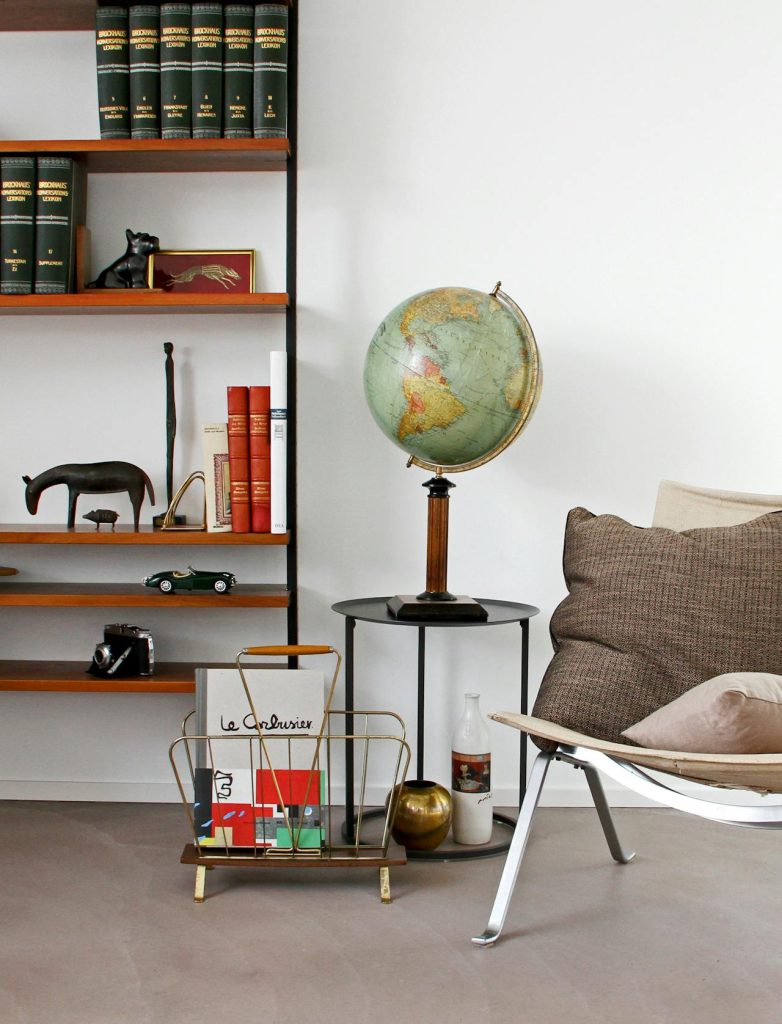
You create both storage and personality when you use open shelves thoughtfully. Organizing experts often note that visible storage works best when items are grouped by color, size, or theme to avoid visual clutter. Display books, ceramics, or travel finds in a way that feels curated rather than crowded.
Leaving some empty space helps each object stand out and keeps the arrangement calm. Open shelving also encourages you to edit regularly, which maintains a tidy look while showcasing pieces that matter most to you. Add a small plant or framed photo to bring warmth and balance to the display. Try rotating items seasonally to keep the shelves feeling fresh and intentional.
8. Layered rugs
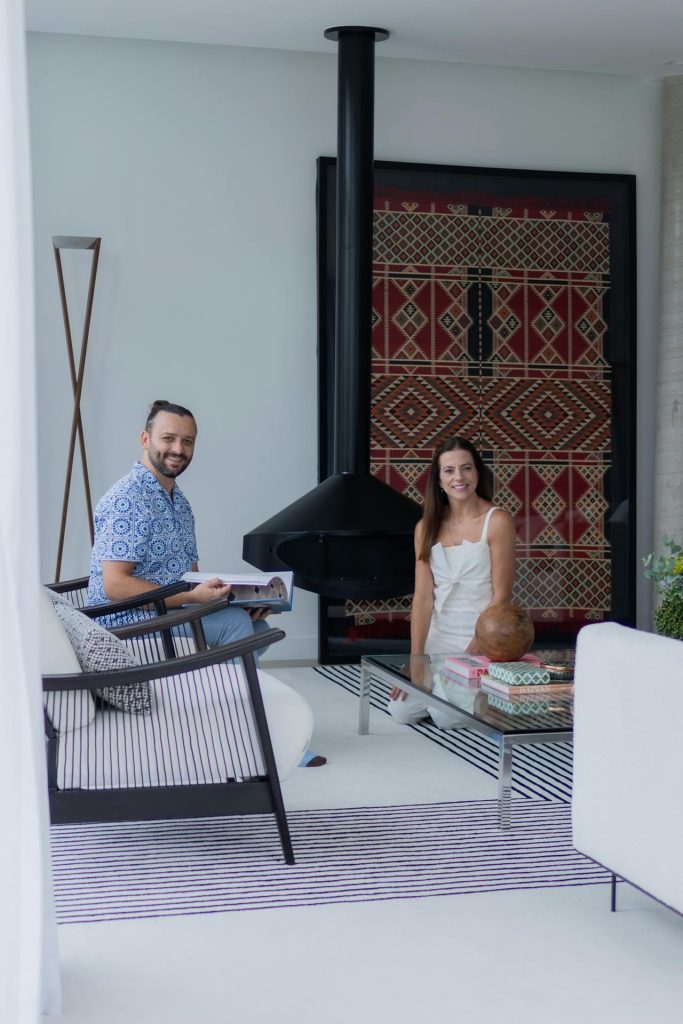
You add dimension and define zones when you layer rugs instead of relying on one piece. Designers use this technique to anchor furniture and create visual boundaries in open layouts. A larger neutral rug can ground the space, while a smaller patterned rug on top introduces character.
This approach also adds comfort underfoot and helps reduce noise, especially in apartments with hard flooring. By adjusting placement or swapping layers seasonally, you keep the room feeling dynamic without making permanent changes. Choose different textures to create contrast that feels cozy and intentional. Make sure the top rug is slightly smaller so the layers look balanced.
9. Personal collections
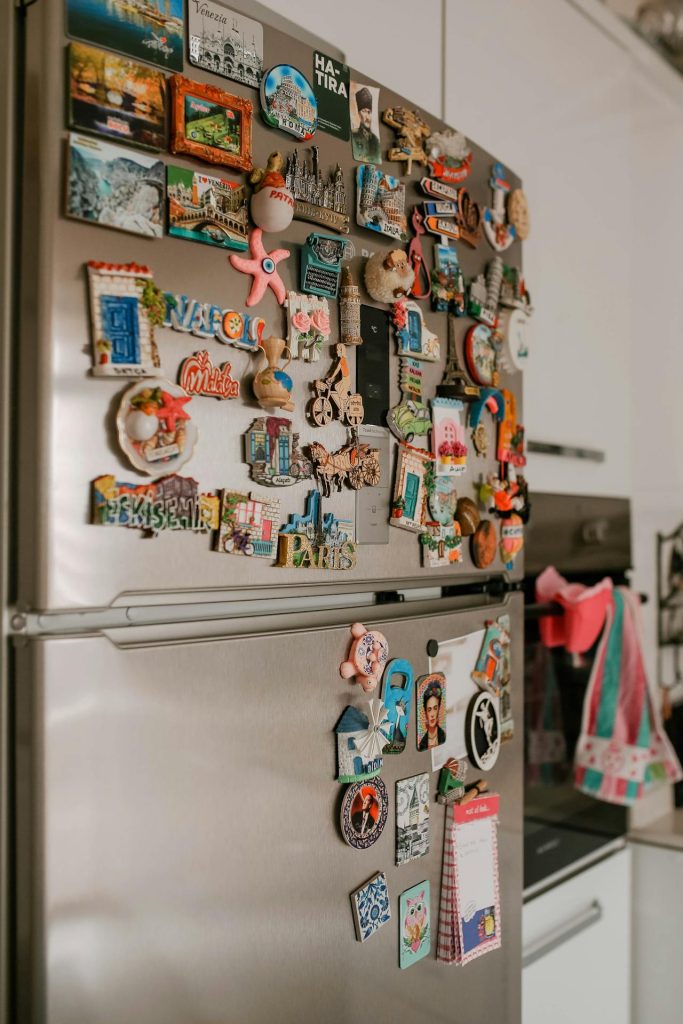
You make your apartment feel truly yours when you display items you have gathered over time. Psychologists studying home environments emphasize that meaningful objects support a sense of identity and belonging. Whether it is books, vintage finds, or travel souvenirs, grouping them intentionally creates a narrative within your space.
Rotate pieces occasionally so displays stay fresh and avoid overcrowding surfaces. When arranged with care, your collections become conversation starters that add depth and authenticity to everyday living. Keep similar items together so the display feels cohesive. Leave a little breathing room to avoid visual clutter. Choose a few standout pieces to highlight instead of showing everything at once.