
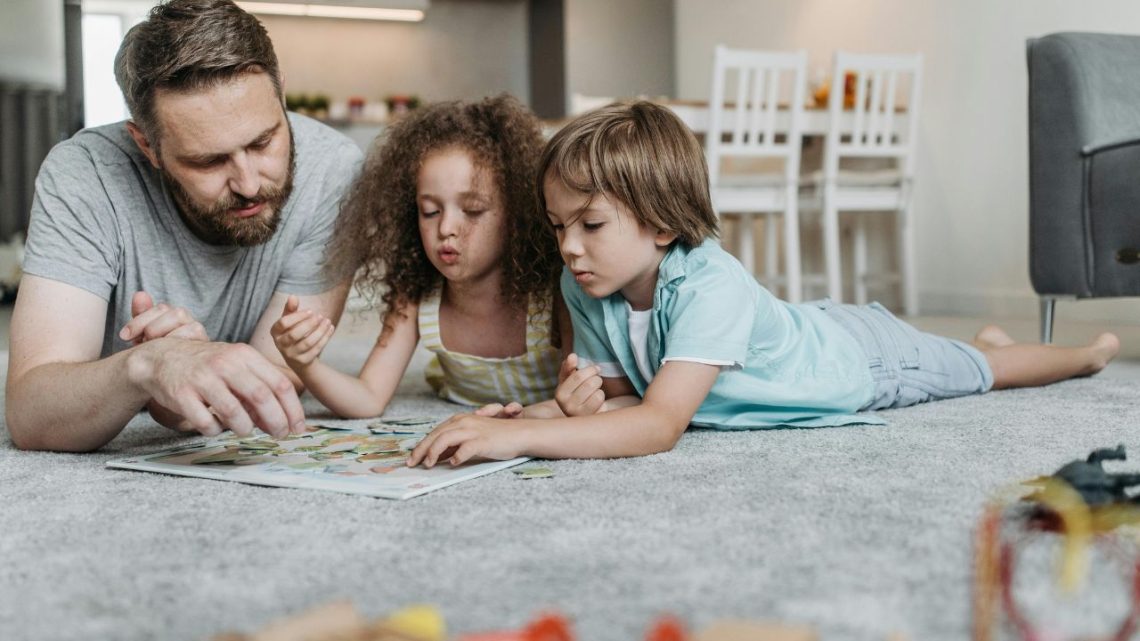
Fatherhood is often measured by big moments, such as teaching a child to ride a bike, attending school events, or giving heartfelt advice during important milestones. But in reality, it’s the small, everyday habits that leave the deepest and longest-lasting impact. Children are incredibly observant. They watch how you respond to stress, how you treat others, how you talk about yourself, and even how you handle ordinary daily routines. What may seem minor, like keeping a promise, putting your phone away, or apologizing, can strongly shape your child’s confidence and relationships. Kids do not just listen to what dads say; they learn from what dads consistently do every day.
1. How You Talk About Yourself

The way you speak about yourself becomes the inner voice your child may one day adopt. If you regularly criticize yourself, call yourself a failure, or focus only on your flaws, your child may learn to judge themselves harshly, too. Children often mirror their parents’ self-perception and internal attitudes without even realizing it. On the other hand, when you model healthy self-talk, acknowledging mistakes without tearing yourself down, you teach resilience. Saying, “I made a mistake, but I can learn from this,” shows that growth matters more than perfection. It builds your child’s confidence and teaches them that setbacks are temporary and part of learning and improvement.
2. The Way You Handle Anger

Anger is a natural emotion. Every dad experiences frustration, especially with the pressures of work, finances, and parenting responsibilities that can feel overwhelming at times. However, how you express anger teaches your child how to handle their own strong emotions in stressful situations. If anger turns into yelling, harsh words, or emotional withdrawal, children may learn to fear conflict or repeat the same behavior later in life. Saying, “I made a mistake, but I can learn from this,” shows that growth matters more than perfection. It builds your child’s confidence and teaches them that setbacks are temporary and part of learning and improvement.
3. Being Present (Not Just Physically There)

Being in the same room is not the same as being emotionally available and mentally engaged. In today’s world of constant notifications, work demands, and busy schedules, distraction is easy and almost automatic. But children can sense when your attention is divided or elsewhere. When you make eye contact, listen without interrupting, and engage fully, even for a short period, you send a powerful message that they truly matter to you. Quality time does not have to be hours long to be meaningful. Even 15 focused minutes of playing, talking, or laughing together strengthens your bond and creates lasting memories. Presence builds security, and security builds long-term confidence and trust.
4. How You Treat Their Mom (or Other Adults)

Children form their understanding of relationships by observing their parents and the adults around them. The respect, kindness, patience, and tone you use with your partner, friends, family members, and even strangers become a blueprint for your child’s future relationships. If they see cooperation, empathy, and healthy communication, they learn what mutual respect looks like in everyday life. Even during disagreements, showing calm discussion instead of hostility teaches them that conflict does not have to destroy the connection. This habit strongly influences how your child will one day treat their own partners and coworkers.
5. Your Work-Life Balance

Children notice where your time, attention, and emotional energy go each day. If work consistently overrides family moments, they may begin to feel less important, even if that was never your intention or goal. Demonstrating dedication and responsibility is valuable and admirable, but so is setting clear boundaries. When you make time for family dinners, school events, weekend activities, or simple evening conversations, you show that success is not only about career achievement. You teach balance, healthy priorities, and the importance of nurturing relationships alongside ambition and professional growth.
6. Keeping Your Promises

To an adult, promising to play later or attend an event may seem small and insignificant. To a child, it can mean everything and carry deep emotional weight. Following through on your word builds trust, reliability, and emotional safety over time. When promises are repeatedly broken, children may start doubting consistency, not just in you, but in others as well. Consistency shows them that words have value and meaning. Even if circumstances change, explaining honestly and rescheduling demonstrates responsibility and respect rather than leaving them feeling disappointed or unimportant.
7. Showing Affection

Some fathers grew up in environments where affection was rarely expressed openly or verbally. However, physical and verbal expressions of love are essential to a child’s emotional development and sense of belonging. Simple gestures such as hugs, pats on the back, playful moments, or saying “I love you” and “I’m proud of you” reinforce a child’s sense of worth and security. Affection creates emotional warmth, reassurance, and stability. Children who grow up feeling openly loved often develop stronger confidence, healthier attachments, and more secure emotional connections later in adulthood.
8. Admitting When You’re Wrong

Many dads feel pressure to appear strong, confident, and always in control of every situation. But pretending to be perfect can unintentionally create emotional distance. When you admit a mistake and apologize sincerely, you model humility, growth, and accountability. Saying, “I should not have spoken that way. I am sorry,” teaches your child that making mistakes does not weaken character. Instead, it demonstrates maturity and strength. This habit encourages honesty and self-reflection, and helps children feel safe admitting their own errors without fear of harsh judgment.
9. Taking Care of Your Own Health

Children learn as much from what you consistently do as from what you say in conversation. Your habits around exercise, sleep, nutrition, stress management, and mental health set a powerful silent example every single day. If you prioritize rest, move your body regularly, eat balanced meals, manage stress constructively, and seek help when needed, you normalize self-care and responsibility. This teaches children that taking care of themselves is not selfish but necessary for long-term well-being. Healthy dads model sustainable living, emotional awareness, and balance instead of constant exhaustion or burnout.