Growing up in the 1980s meant navigating a world where creativity mattered far more than technology, and every school project felt like a monumental undertaking. Kids didn’t have the luxury of internet research, digital printers, or pre-made templates, so every assignment had to be built from raw imagination and household supplies that weren’t always ideal for crafting. The kitchen table frequently turned into a chaotic workshop covered in glue sticks, dull scissors, scraps of construction paper, and half-dried markers. Finishing a project never felt routine it felt like completing a personal mission, one where days of effort turned into a single creation carried carefully to school with a mix of pride and fear that it might collapse on the bus.
1. Diorama
The shoebox diorama was a legendary ’80s school project that tested a child’s ability to transform an ordinary cardboard box into a vivid miniature world. Whether the assignment centered on a book scene, an ecosystem, or a historical moment, kids approached the diorama like a full production set designer. Crafting the background required careful drawing and coloring, often taped unevenly with scotch tape that barely held. Small props were made from clay, pipe cleaners, or leftover toys repurposed into figures that fit inside the little cardboard world. Layer by layer, the shoebox evolved into something impressive, a tiny stage full of depth and personality.
2. Volcano
The volcano project stood as the crown jewel of the ’80s science fair world, embodying every child’s fascination with controlled chaos. Building the volcano began with messy layers of newspaper strips dipped in flour paste, or, if your parents were especially patient, carefully sculpted clay shaped into a jagged peak. After drying and painting it in earthy browns and bold reds, kids marveled at how realistic their handmade mountain appeared. Yet the true highlight came during the eruption demonstration, where baking soda, vinegar, food coloring, and dish soap combined into a foamy explosion that never failed to impress.
3. Orbit
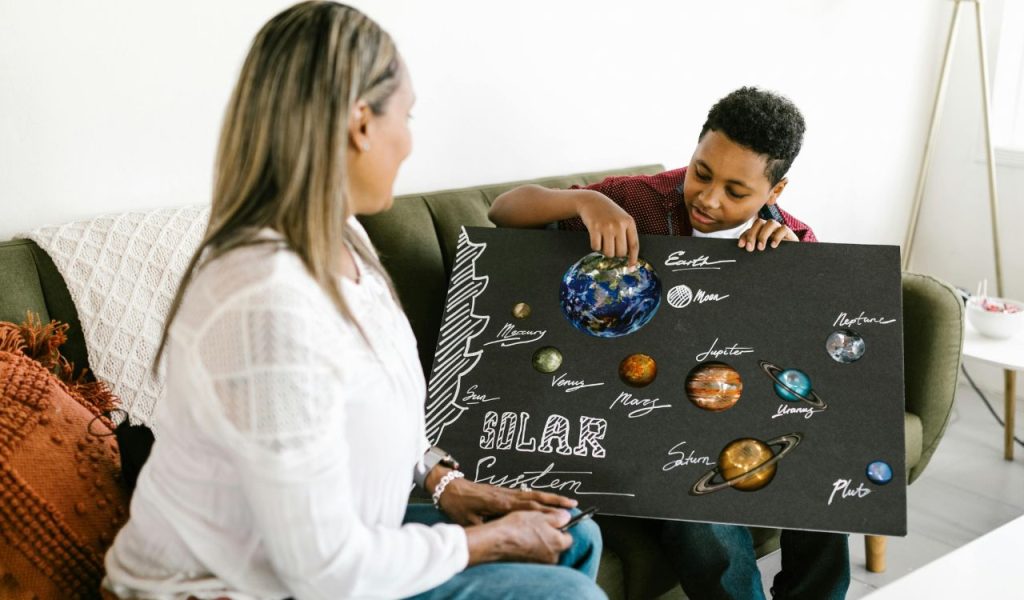
The solar system mobile was a delicate and ambitious project that every ’80s kid approached with a mix of excitement and trepidation. Crafting planets from styrofoam balls required patience, especially when applying paint that tended to smudge or drip. Each orb had to be sized relatively accurately, though many children struggled to remember which planet was the smallest or brightest and hung with thread or fishing line. Balancing these planets on a hanger or wooden dowel was a feat of engineering, as one wrong placement would cause the entire mobile to tilt dramatically. The project forced kids to think about structure, symmetry, and design in ways few other assignments did.
4. Bookboard
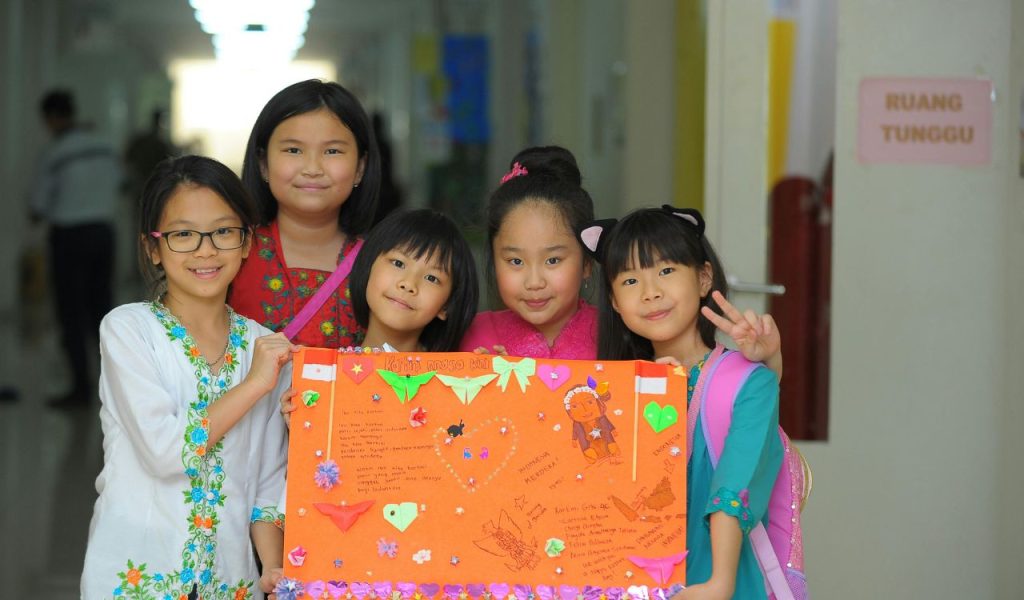
The book report poster board pushed ’80s kids to combine academic analysis with artistic expression, turning reading assignments into creative showcases. Without digital tools or printers, students had to handwrite summaries, character lists, and thematic details directly onto poster paper, often erasing repeatedly to ensure neatness. Many children drew large, colorful cover art recreations of their chosen book, surrounded by thoughtfully arranged side notes and quotes. The project often took over living room floors, where markers rolled away, glue caps went missing, and rulers became essential for drawing straight lines.
5. Leaflog
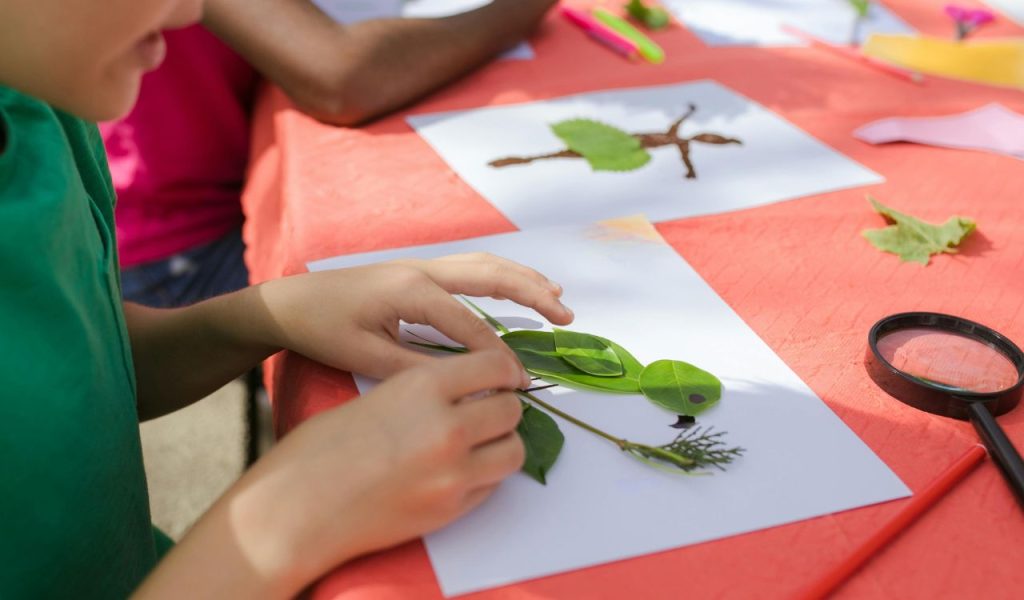
Creating a leaf collection book turned ’80s kids into eager young botanists, exploring neighborhoods and parks with an attentive eye they didn’t normally use. The project required collecting various leaves, pressing them between heavy books, and carefully preserving them using wax paper or glue on notebook pages. Each leaf needed to be identified, labeled, and described in neat handwriting, which meant kids had to reference field guides or school-provided charts. The process encouraged patience, observation, and curiosity, as children learned to distinguish shapes, vein patterns, textures, and species differences.
6. Stateview
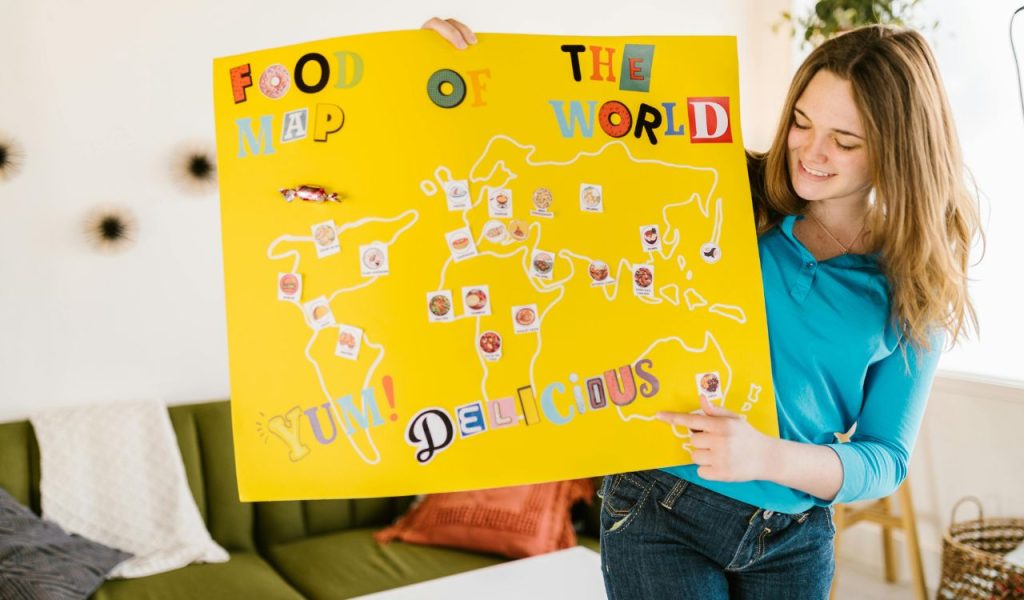
The state or country tri-fold board was one of the most comprehensive assignments of the ’80s, blending research, design, geography, and public speaking into one major academic milestone. Students spent hours looking up facts in encyclopedias or library books about population, landmarks, symbols, food, climate, and culture that would later be neatly handwritten onto the display. The tri-fold itself became a canvas of maps, drawings, charts, and sections arranged in a visually appealing layout that demanded both organization and creativity. Kids often traced maps by hand, colored flags with care, and even included photos or small props representing the location.
7. Robocraft

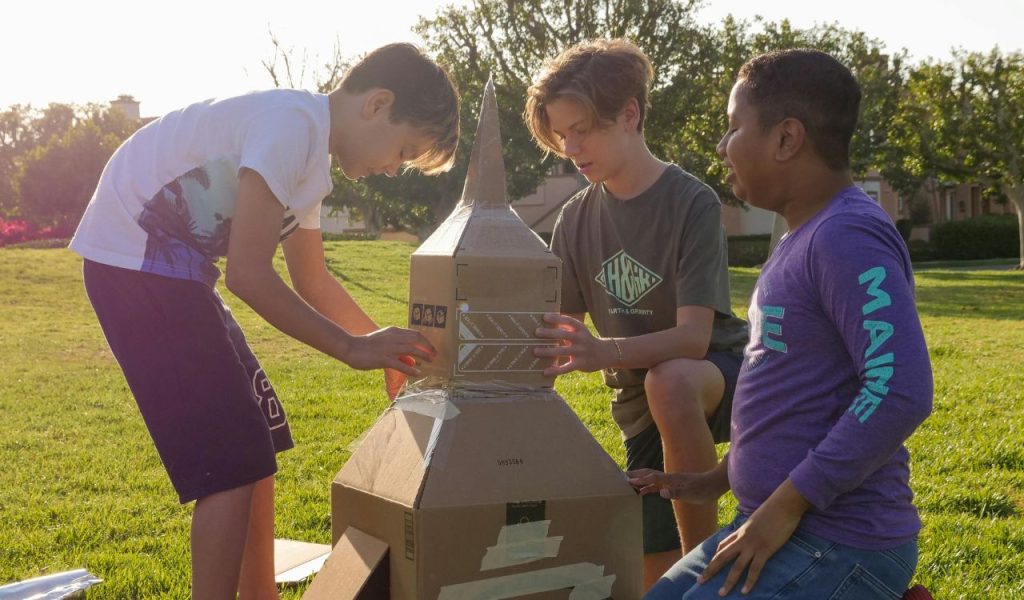
The robot craft project was a celebration of ’80s futuristic imagination, allowing kids to build whimsical mechanical beings from simple materials like cardboard boxes, foil, bottle caps, pipe cleaners, and colorful markers. Constructing a robot meant more than just attaching parts; it meant envisioning personality, giving it a face, buttons, switches, and limbs that hinted at what tasks it might perform. Children experimented with shapes and textures, covering their creations in shiny foil that made them look metallic and adding hand-drawn control panels filled with playful symbols.
8. Inventlab

The invention convention project was one of the most empowering assignments of the ’80s because it invited children to imagine solutions to real or imagined problems using only their creativity and available household supplies. Kids sketched out ideas like automatic homework machines, spill-proof snack containers, and time-saving gadgets that existed only in their minds until they attempted to bring them to life. Building a prototype required improvisation, trial and error, and a willingness to experiment with different materials, often resulting in quirky but charming creations. Display boards accompanied each invention, featuring diagrams, instructions, and explanations handwritten with care.
9. Familyroot
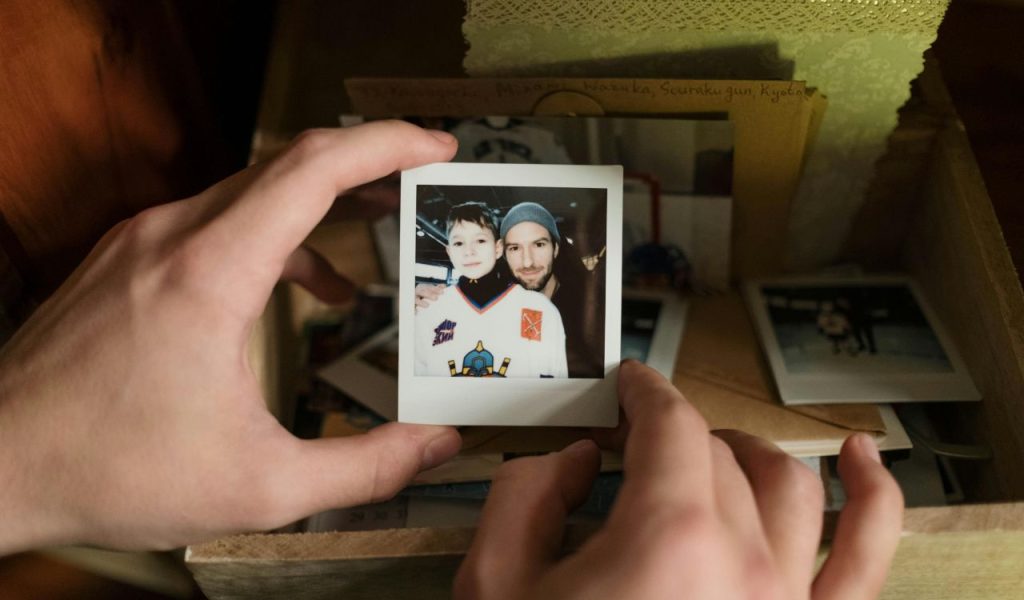
The family tree project turned students into young historians, encouraging them to explore their ancestry by interviewing parents, grandparents, and extended relatives. Kids gathered names, birth years, and relationships, sometimes uncovering family stories they had never heard before. Creating the poster required drawing a tree outline large enough to hold multiple generations, with branches stretching out to hold names written neatly in boxes or circles. Decorations often included leaves, photos, or symbols representing the family’s cultural background. The project became deeply personal, connecting children to their heritage in a meaningful way while also teaching research and organization skills.