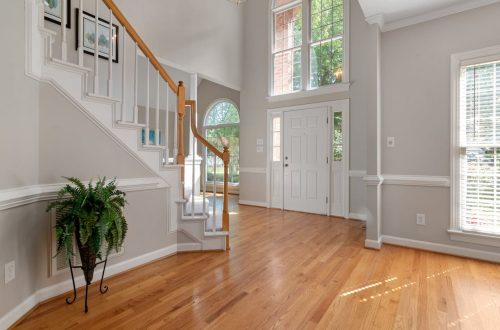
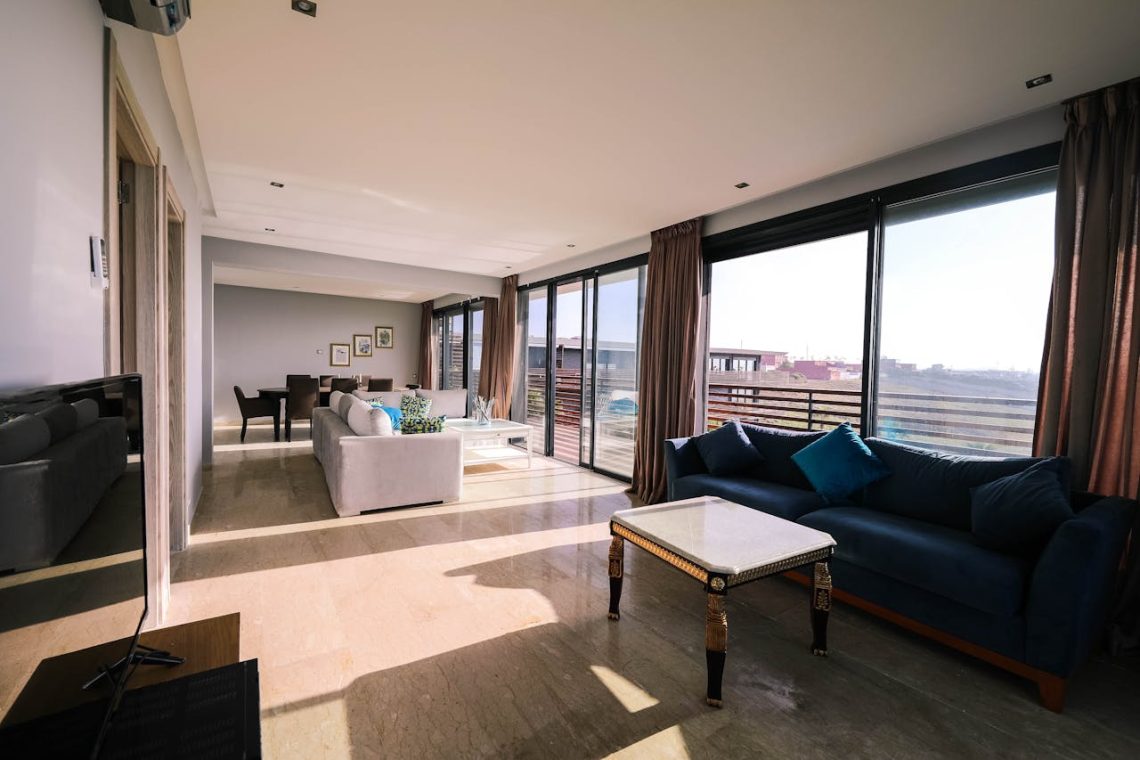
You don’t need a shopping cart to change how a room feels. Energy shifts through small, intentional actions rather than new decor. Research in environmental psychology shows that light, airflow, scent, and layout affect your mood and focus. A study in the journal Environment and Behavior found that even minor lighting changes can influence alertness and emotional tone. You already have what you need to reset your space.
When a room feels stale or heavy, you’re often reacting to sensory overload or neglect. Dust gathers, objects pile up, and light gets blocked. Your brain registers the clutter. With a few deliberate adjustments, you help your nervous system settle. A reset is less about spending money and more about paying attention. These eight practical steps help you refresh your space using what you already own.
1. Open Windows and Change the Air

Fresh air changes more than temperature. Indoor air can accumulate pollutants from cooking, cleaning products, and electronics. The U.S. Environmental Protection Agency reports that indoor air may be more polluted than outdoor air in some cases. When you open windows for even fifteen minutes, you dilute stagnant air and introduce oxygen that supports clearer thinking. You also signal to your body that something new is happening.
If weather allows, create cross-ventilation by opening windows on opposite sides. You will notice movement in curtains or papers. That physical motion subtly shifts the room’s rhythm. Airflow is one of the fastest ways to reset energy because it works on both a physical and psychological level.
2. Rearrange What You Already Have
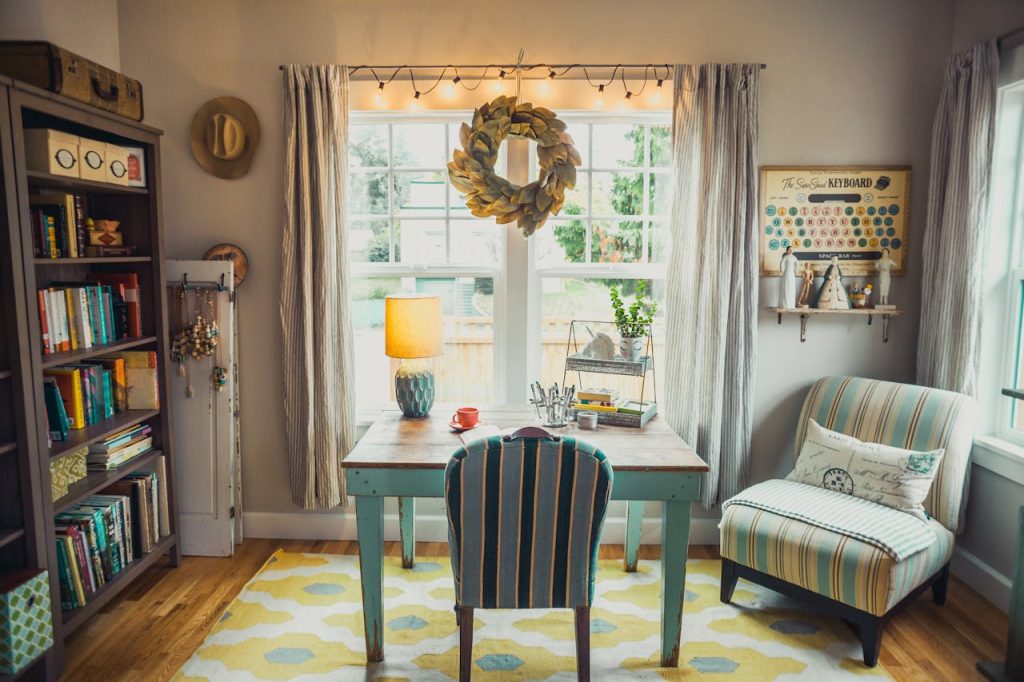
You do not need new furniture to change a layout. Move a chair closer to natural light. Angle your desk toward a window instead of a wall. Environmental design research consistently shows that perceived control over your surroundings improves well-being. When you rearrange even one major item, you break visual monotony.
Look at pathways. Can you walk through the room more easily? Clear, open movement patterns reduce stress signals in the brain. Try swapping lamps between rooms or repositioning a side table. The shift feels fresh because your brain processes the space differently. Familiar objects, new perspective.
3. Remove Five Visible Clutter Spots

Clutter competes for attention. Neuroscience research from Princeton University found that physical clutter limits your ability to focus because it competes for neural representation. Choose five small areas: a coffee table, a nightstand, a kitchen counter, a desk corner, a shelf. Clear them completely or reduce them by half.
You do not need a full purge. Focus on what is in plain sight. When surfaces look intentional instead of crowded, your mind relaxes. You will likely feel an immediate lift. The room appears lighter, even though nothing new was added. Even a few cleared inches can shift how you think and feel in the space.
4. Deep Clean One Overlooked Area

Pick one place you usually ignore. Baseboards. Window tracks. Light switches. Under the bed. Cleaning activates a sense of agency. Research in personality and social psychology suggests that physical order can increase feelings of control and reduce anxiety.
You may not consciously notice dusty trim, but your brain registers disorder. When you clean a hidden area, you change the background tone of the room. It feels cared for. That shift matters more than decorative updates because it addresses the foundation. A small, thorough effort can reset the entire atmosphere. You experience the difference even if no one else can see it.
5. Reset the Lighting
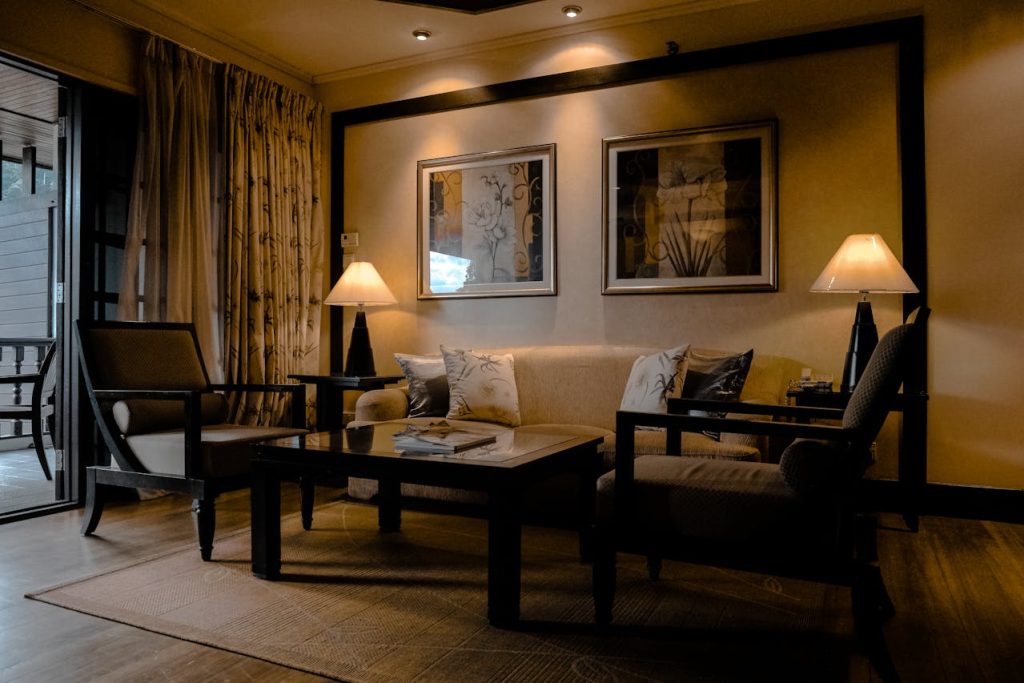
Light shapes emotion. Studies in lighting research show that warm light promotes relaxation while bright, cool light supports focus. You already have lamps and bulbs. Change which ones you turn on. Move a floor lamp to a darker corner. Turn off overhead lights in the evening and rely on softer sources.
During the day, pull back curtains fully. Let natural light define the space. In the evening, create layered lighting at different heights. You control the mood by adjusting intensity and placement. It costs nothing and changes everything. Notice how shadows soften and edges feel less harsh. A simple lighting shift can make the same room feel calm, focused, or intimate.
6. Rearrange Books and Art

Visual repetition can dull a room’s impact. Take books off a shelf and restack them horizontally instead of vertically. Swap artwork between rooms. Lean a framed piece against a wall instead of hanging it. Interior styling research shows that visual novelty reengages attention without increasing clutter.
You are not adding objects. You are reframing them. That subtle change refreshes your perception. The room feels curated rather than static. Your environment becomes dynamic again. Even shifting one focal point can redirect how your eye moves through the space. Fresh sightlines create a quiet sense of momentum.
7. Introduce Natural Elements From Outside

Step outside and look for simple additions. A bowl of stones. A few fallen branches. Fresh leaves. Biophilic design research consistently finds that natural elements reduce stress and improve mood. Even small references to nature can shift how a room feels.
Place branches in a vase you already own. Arrange stones on a tray. These details connect your indoor space to the outside world. You create movement and texture without buying plants or decor. Natural shapes soften rigid lines and add quiet contrast. The room feels grounded instead of enclosed. You remind yourself that your space is part of a larger environment.
8. Change the Soundscape

Energy is not only visual. Sound influences your nervous system quickly. Silence may feel heavy, especially in rooms tied to work or stress. Try opening a window to let ambient noise in. Play instrumental music you already have. Rearrange speakers so sound fills the room evenly.
Research in environmental psychology shows that controlled background sound can improve mood and productivity. When you shift sound, you reshape how the room feels in minutes. The space responds because your senses respond. Even subtle background audio can lower tension and steady your focus. What you hear quietly guides how you think and feel in that space.