

You don’t need a dramatic life reset to feel more grateful. Most of the time, gratitude isn’t about forcing positivity or pretending everything is perfect. It’s about noticing what’s already steady, useful, or quietly good in your day. Research from the University of California, Davis shows that consistent gratitude practices are linked to better sleep, improved mood, and stronger relationships. The key word is consistent. Not intense. Not performative. Just steady.
Here’s the thing. If a habit feels heavy, you won’t stick with it. Gratitude works best when it fits into what you already do. You don’t need fancy journals or long reflections. You need small shifts in attention that train your brain to register what’s working. Let’s break down eight ways you can practice gratitude without turning it into another task on your list.
1. Name Three Specific Moments Before Bed

Before you sleep, recall three concrete moments from your day that felt good. Not “work was fine.” Choose details. The taste of your morning tea. A message that made you smile. Finishing a task you had been avoiding. Studies led by Robert Emmons have found that specific gratitude reflections improve sleep quality more than vague ones. What this really means is your brain stores details better than generalities. The more specific you are, the more your mind learns to look for small wins tomorrow.
Over time, this simple habit rewires what you notice during the day. You begin spotting small positives in real time, not just in hindsight.
2. Say Thank You Out Loud

You probably feel appreciation more often than you express it. Make it verbal. Thank the colleague who sent notes. Thank the family member who handled a chore. Research from the Greater Good Science Center suggests expressed gratitude strengthens social bonds and increases mutual support.
When you say it clearly and directly, you reinforce connection. Gratitude stops being a private thought and becomes a shared experience. It also builds trust over time. People remember when you acknowledge their effort. And you create a culture around you where appreciation feels normal, not rare. That shift changes how people respond to you in return.
3. Write One Line in the Morning

Keep it simple. One sentence in a notebook: “I’m grateful for…” That’s it. According to findings published by the American Psychological Association, short written gratitude practices can increase optimism over time. You are not writing an essay. You are setting your attention for the day. One intentional line can quietly shift how you interpret what happens next.
It gives your mind a starting point. Instead of scanning for problems, you begin scanning for support. Over weeks, that subtle shift shapes how you respond to stress and opportunity alike.
Consistency matters more than length or perfection.
4. Pair Gratitude With an Existing Habit

Stack it onto something automatic. While brushing your teeth, think of one person who made your week easier. While waiting for your coffee, notice something in your surroundings you appreciate. Behavioral research from James Clear highlights how habit stacking improves consistency. When gratitude rides along with something you already do, it stops feeling forced.
You remove the friction that usually kills new habits. There is no extra time required, no reminder app buzzing at you. The routine becomes the cue. The gratitude becomes the response. Over time, the pairing feels natural, almost automatic.
5. Reframe a Mild Annoyance

Not every inconvenience needs a silver lining. But some do offer perspective. Stuck in traffic? You have time to listen to a podcast. Delayed meeting? You get breathing room. Cognitive reframing techniques used in American Psychological Association backed therapies show that adjusting interpretation can improve emotional regulation. You are not denying frustration. You are broadening the frame.
That shift lowers the emotional spike. You respond instead of react. Over time, you build flexibility in how you interpret everyday stress. Gratitude becomes less about forced positivity and more about balanced thinking. You start asking, what else could this moment offer me?
6. Send a Two Sentence Message

Think of someone who helped you recently. Send a brief message explaining what they did and why it mattered. Research by Martin Seligman found that short gratitude letters can boost happiness for weeks. You do not need a long speech. Two honest sentences are enough to create impact for both of you.
Be specific about the action you appreciated. Specificity makes the message feel sincere, not routine. Keep the tone natural and direct. You are acknowledging effort, not performing emotion. Most people rarely hear how they made a difference. Your note may stay with them longer than you expect. And you reinforce in yourself the habit of noticing support instead of overlooking it.
7. Notice What Went Right
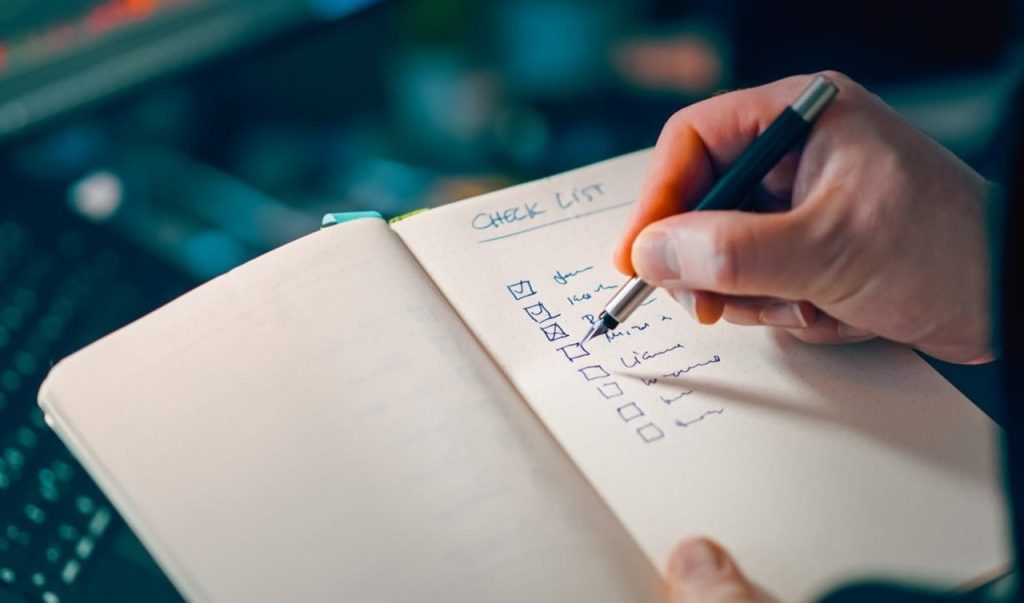
At the end of a tough day, ask yourself: what worked? Maybe a conversation went smoother than expected. Maybe you handled stress better than last time. Studies from Harvard Medical School link gratitude reflection with improved psychological resilience. When you track what went right, you build evidence that you can handle more than you think.
You interrupt the habit of replaying only what failed. That shift protects your confidence.
Small wins count, especially on hard days. They remind you that progress is rarely loud.
Over time, this practice strengthens your ability to recover faster from setbacks. Resilience grows when you recognize your own effort and capacity.
8. Practice Silent Appreciation

Sometimes gratitude is quiet. While walking outside, pause for a few seconds and register the light, the air, or the simple fact that your body is moving. Mindfulness research from Johns Hopkins University indicates that brief awareness practices reduce stress markers. Silent appreciation counts. No performance. No posting. Just awareness.
You do not need to label the moment as profound. You only need to notice it. These pauses slow your nervous system and anchor you in the present. Gratitude, in this form, is less about words and more about attention. The more often you practice it, the easier it becomes to access calm on demand.