
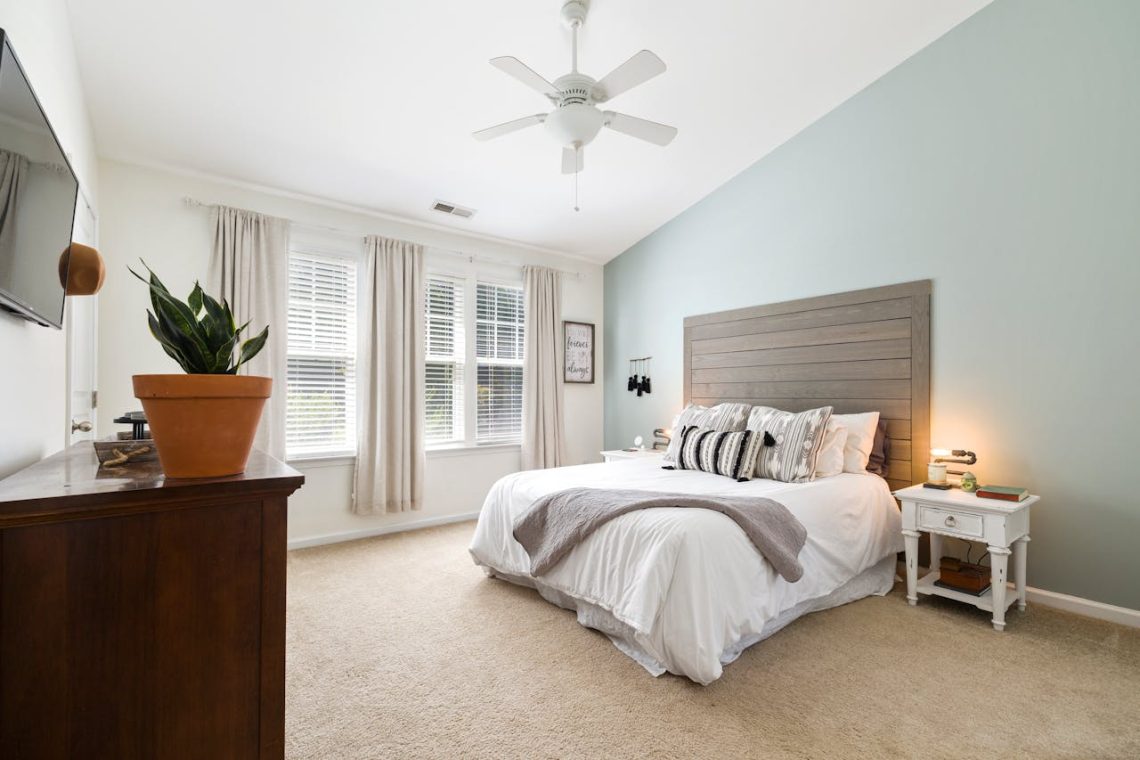
Your bedroom should do more than hold a bed and a nightstand. It should help you slow down, recharge, and wake up feeling clear headed. When hotels design five star rooms, they focus on comfort, lighting, texture, and quiet details that reduce stress. You can bring many of those ideas into your own space without a full renovation or a luxury budget.
When you improve those details, you create a space that encourages deeper rest and relaxation. The good news is you can recreate the calm atmosphere of a luxury retreat using simple upgrades and thoughtful design choices. These eight changes help your bedroom feel calmer, more comfortable, and far more restorative.
1. Upgrade Your Bedding for True Comfort
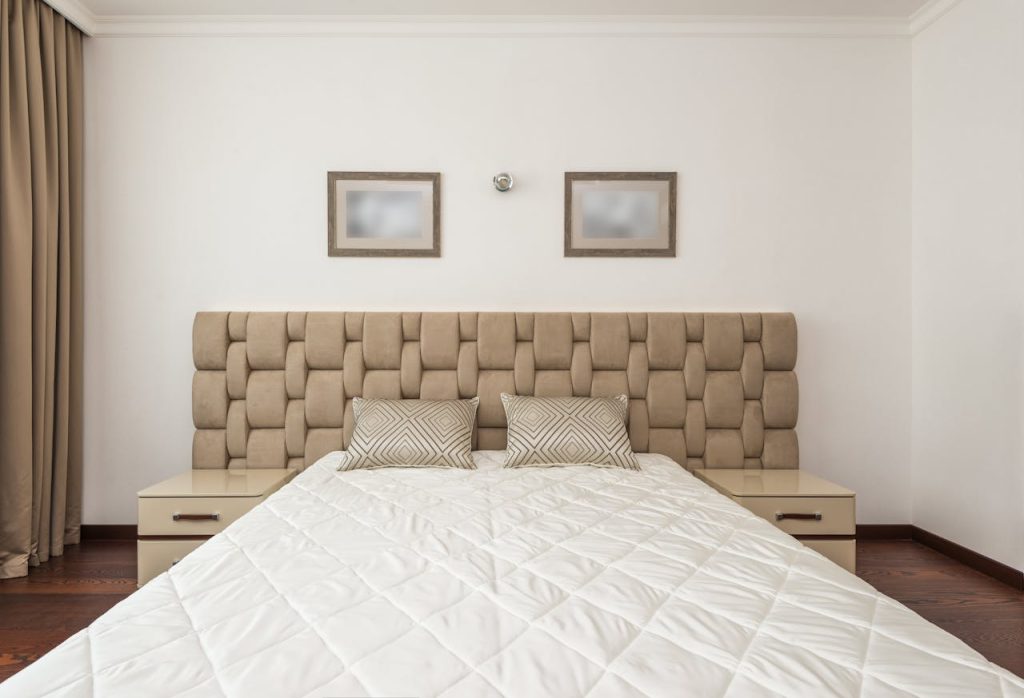
The fastest way to make your bedroom feel luxurious is to improve the bed itself. Hotels invest heavily in bedding because it directly affects sleep quality. Start with breathable cotton or linen sheets with a comfortable thread count between 300 and 500. Add a supportive pillow that suits your sleeping position and a soft but structured duvet. Quality fabrics regulate temperature and feel smoother against your skin, which helps you relax faster at night.
Layering also creates the visual comfort you see in luxury rooms. Use a neutral duvet, a lightweight throw blanket, and two or three supportive pillows rather than a pile of decorative ones. Sleep researchers at Harvard Medical School note that comfortable bedding can improve sleep duration and reduce nighttime waking.
2. Use Soft, Layered Lighting
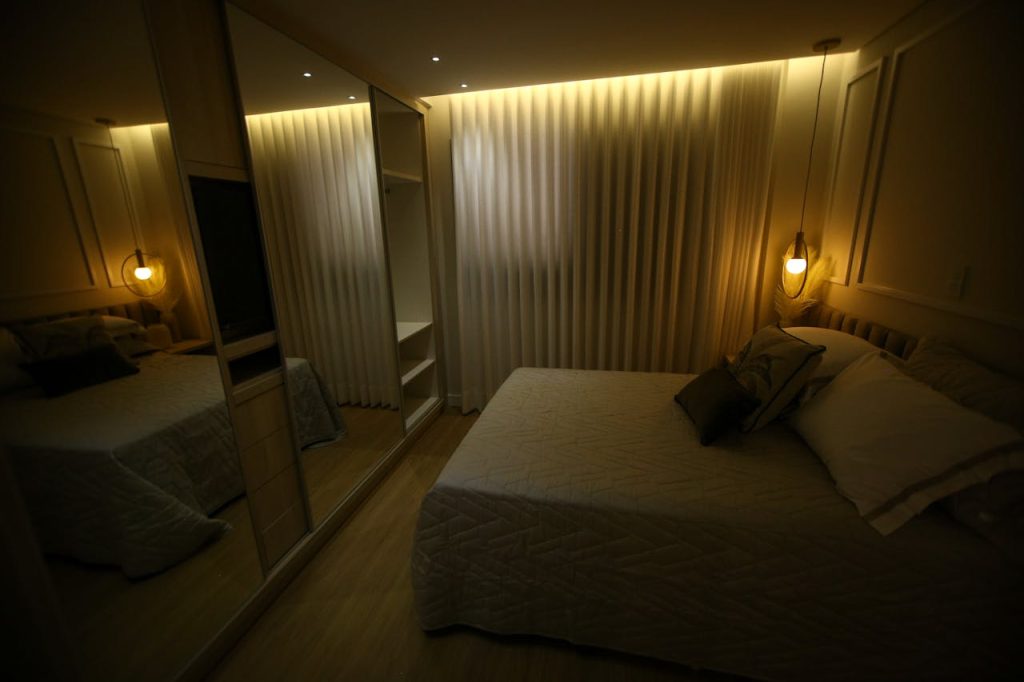
Lighting changes how a bedroom feels more than almost any other element. Bright overhead lights may work during the day, but they make evenings feel harsh and clinical. A better approach is layered lighting that allows you to adjust the mood. Combine bedside lamps, warm bulbs, and possibly a small floor lamp so the room glows gently instead of blasting light from one source.
Warm lighting signals your brain that the day is ending. According to sleep studies referenced by the National Sleep Foundation, dimmer and warmer light helps the body prepare for rest by supporting natural melatonin production.
3. Keep the Color Palette Calm and Simple
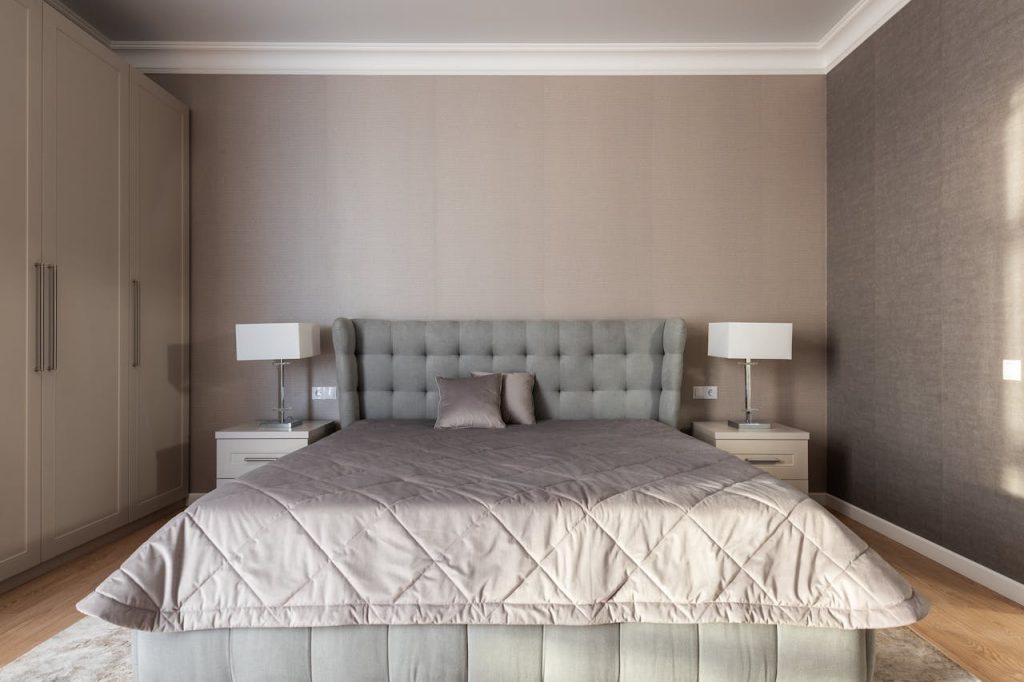
Luxury bedrooms rarely use loud colors. Instead, they rely on calm palettes that make the room feel spacious and quiet. Soft neutrals like warm beige, light gray, soft blue, or muted green create a soothing backdrop that helps your mind relax. These colors reflect light gently and keep the space from feeling visually busy.
You do not need to repaint the entire room to achieve this effect. Bedding, curtains, rugs, and wall art can shift the overall palette quickly. Interior design research published through the American Society of Interior Designers shows that neutral color environments reduce visual stress and promote relaxation. When the colors in your bedroom feel balanced and calm, your brain registers the space as restful rather than stimulating.
4. Reduce Visible Clutter
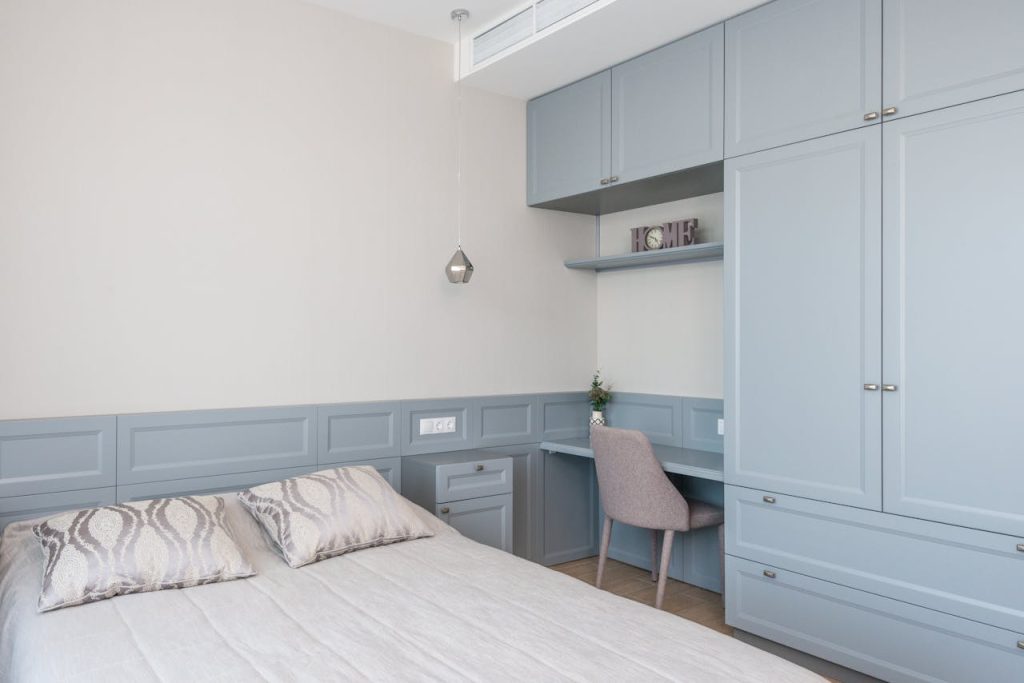
A cluttered bedroom quietly raises stress levels. When your eyes constantly scan piles of clothes, cords, and scattered items, your brain remains alert instead of relaxing. Five star hotels avoid this completely. Surfaces remain clear, storage stays hidden, and every item has a purpose.
You can recreate that effect by simplifying what stays visible. Keep nightstands mostly clear except for essentials like a lamp, a book, or a glass of water. Use drawers, baskets, or under bed storage to hide items you still need nearby. Environmental psychology research from Princeton University shows that clutter competes for your attention and reduces your ability to focus or relax.
5. Add Texture Through Fabrics and Materials
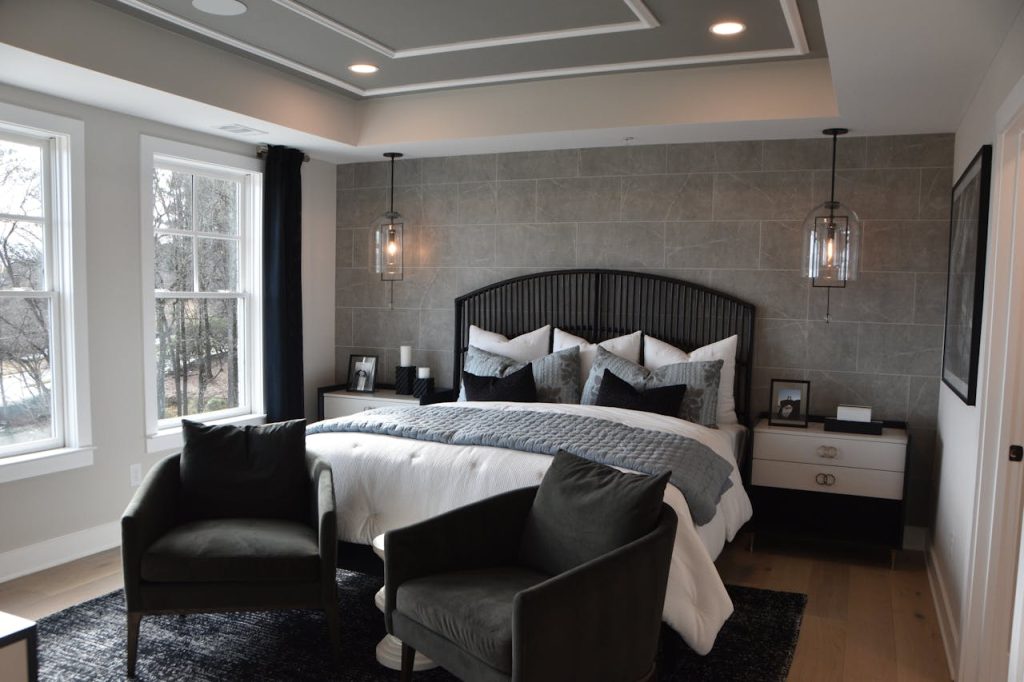
Luxury rooms rarely rely on one material alone. They combine textures that make the space feel rich and comfortable. Think soft sheets, a woven throw blanket, upholstered headboards, and natural rugs. Texture adds depth without creating visual noise, which keeps the room feeling cozy rather than busy.
Start small if you prefer. A thick knit blanket, a linen cushion, or a soft area rug beside the bed can dramatically change the atmosphere. Interior design experts often describe texture as the element that makes a room feel finished. It engages your senses and creates warmth that plain surfaces cannot achieve. When your bedroom includes soft, layered materials, the space begins to feel closer to a boutique hotel suite than a basic sleeping area.
6. Introduce a Subtle Signature Scent
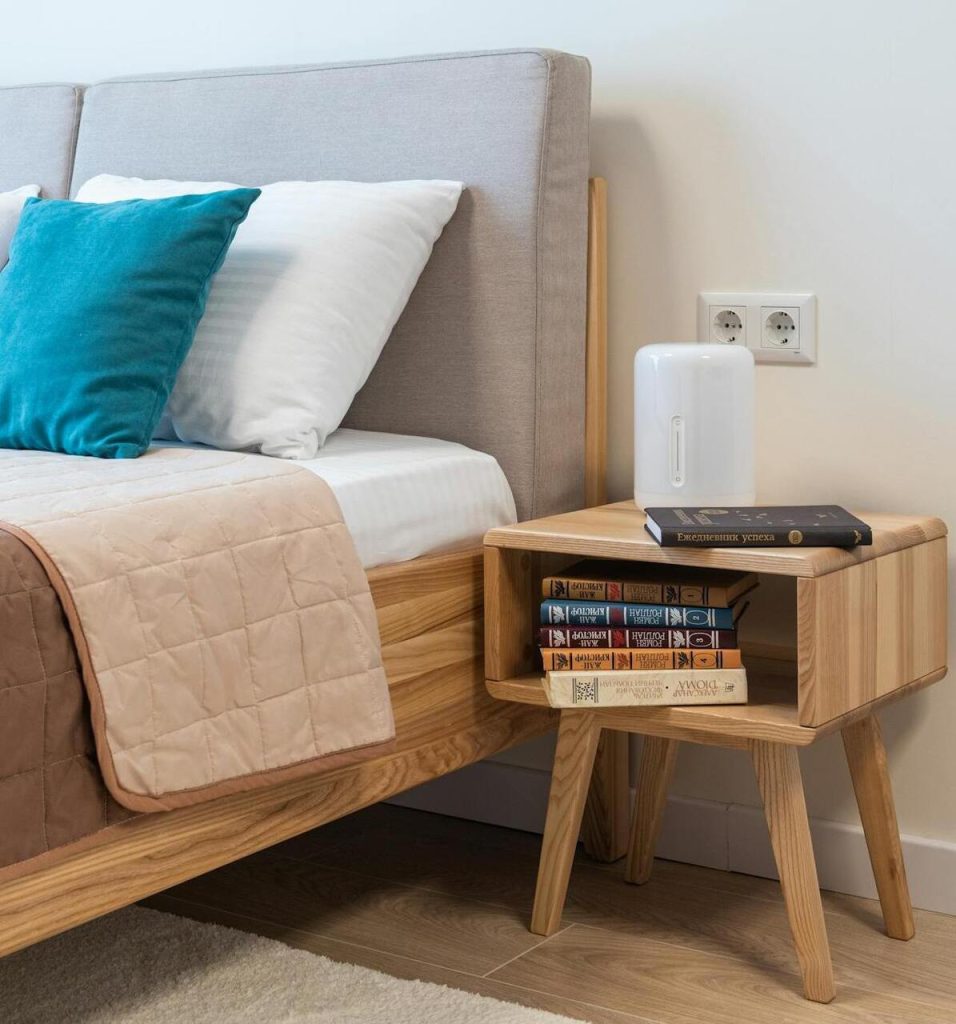
Hotels often use signature scents because smell strongly influences how people experience a space. A gentle fragrance can make your bedroom feel fresh and welcoming every time you enter. Lavender, chamomile, sandalwood, and light citrus blends work particularly well because they are calming rather than overwhelming.
Sleep research cited by the Sleep Foundation shows lavender aromatherapy may help improve sleep quality and reduce anxiety before bedtime. You can introduce scent through candles, essential oil diffusers, or lightly scented linen sprays. The key is subtlety. The fragrance should be noticeable but never strong enough to distract you.
7. Improve Sound and Quiet
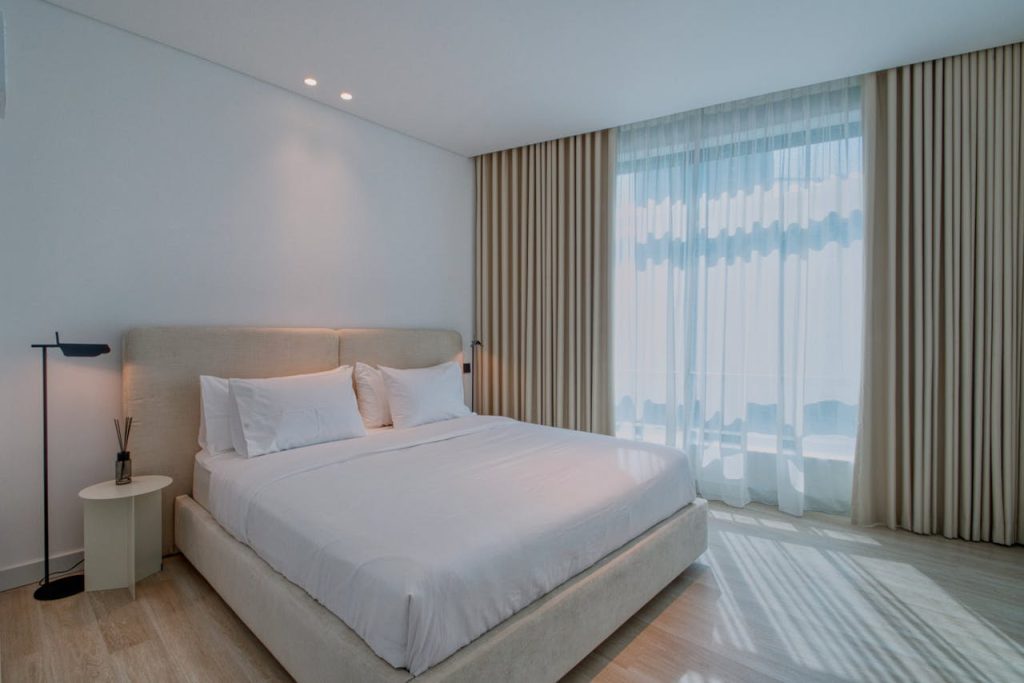
True luxury often means quiet. Hotels use thick curtains, padded headboards, and soft furnishings to absorb sound. A peaceful bedroom makes it easier to fall asleep and stay asleep throughout the night. If outside noise reaches your room, simple adjustments can make a big difference.
Start with thicker curtains or blackout drapes. Rugs and upholstered furniture also soften echoes and reduce noise reflections. Some people benefit from white noise machines or gentle background sound that masks street noise. According to the World Health Organization, nighttime noise pollution can disrupt sleep cycles and increase stress levels. When your bedroom feels acoustically calm, the entire space becomes more restorative.
8. Create a Small Personal Retreat Corner
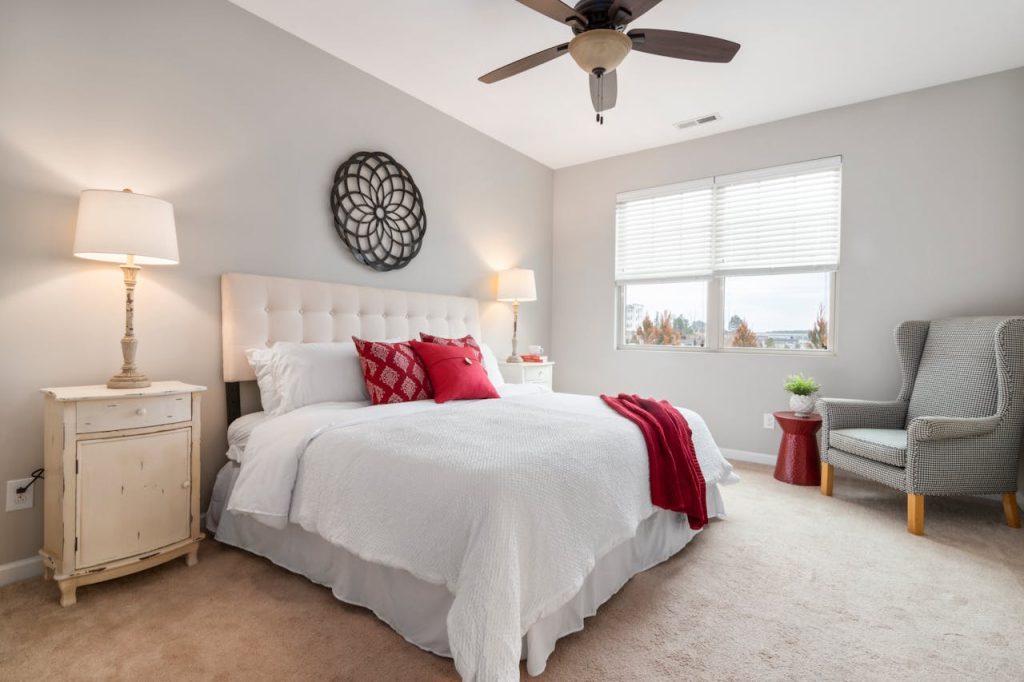
Five star rooms often include a small chair or sitting space that separates relaxation from sleep. Even a modest bedroom can benefit from this idea. A comfortable chair, small bench, or reading corner gives you a place to unwind without staying in bed all evening.
This small change also helps protect your sleep routine. Sleep experts often recommend reserving the bed mainly for sleep rather than work or scrolling through devices. A reading chair with soft lighting encourages quiet downtime before bed while keeping your sleeping area uncluttered. Over time, your brain associates the bed with rest and the chair with relaxation. That simple distinction can make your entire bedroom feel more intentional and restful.