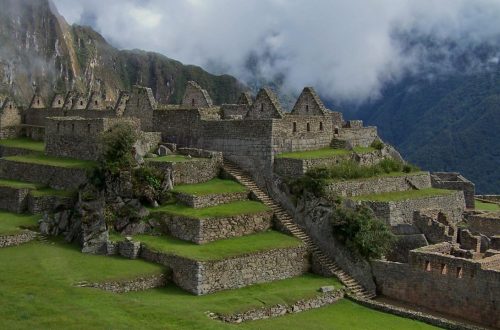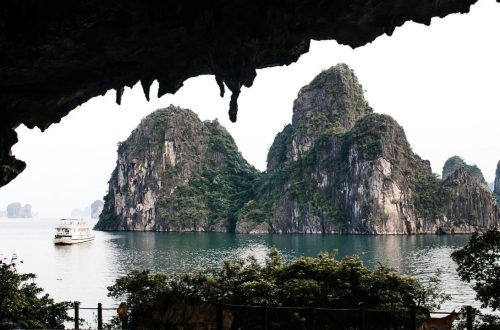
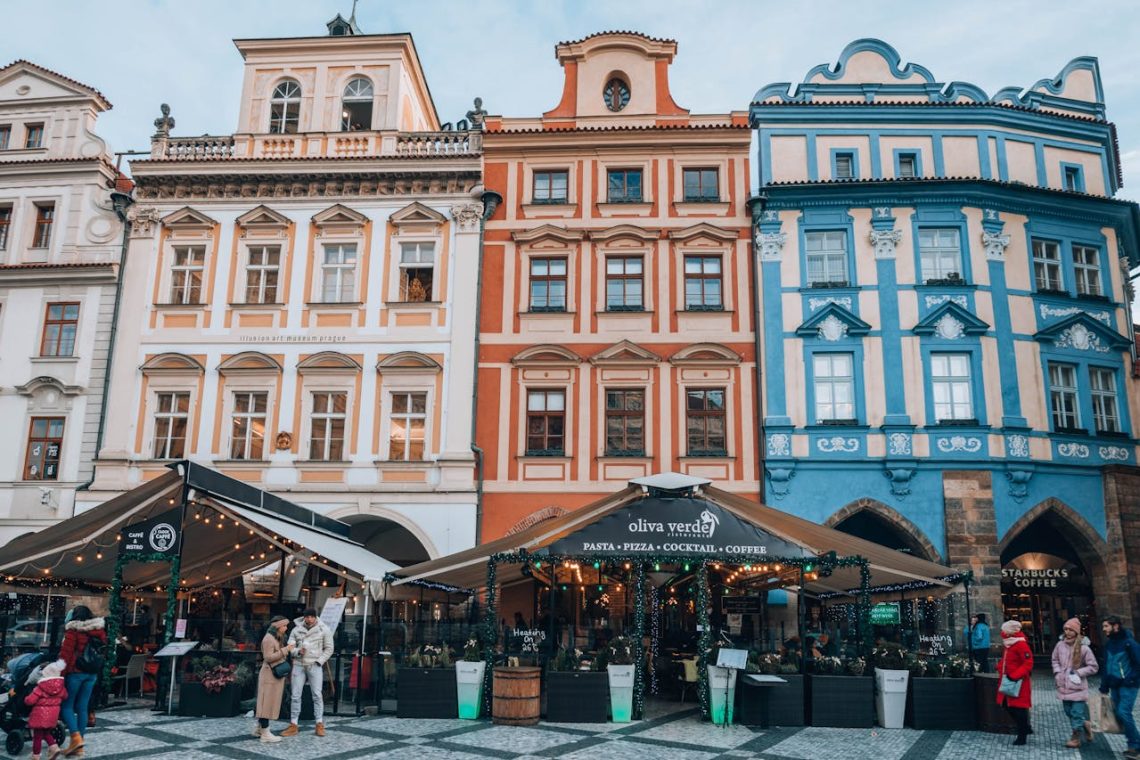
Cities reveal themselves slowly when you explore them on foot. A walking tour does more than move you from one landmark to the next. It helps you notice the details most travelers rush past: the shape of old doorways, quiet alley murals, neighborhood markets waking up in the morning.
The best walking tours also shift your perspective. Some focus on history, others on food, architecture, or street art. What they share is a simple idea: when you walk with intention, the city starts telling stories. A bakery reveals migration history. A public square shows how people gather and protest. Even familiar places feel new when someone points out the hidden context behind them. These walking tours help you see cities through a deeper lens.
1. Historical Walking Tours
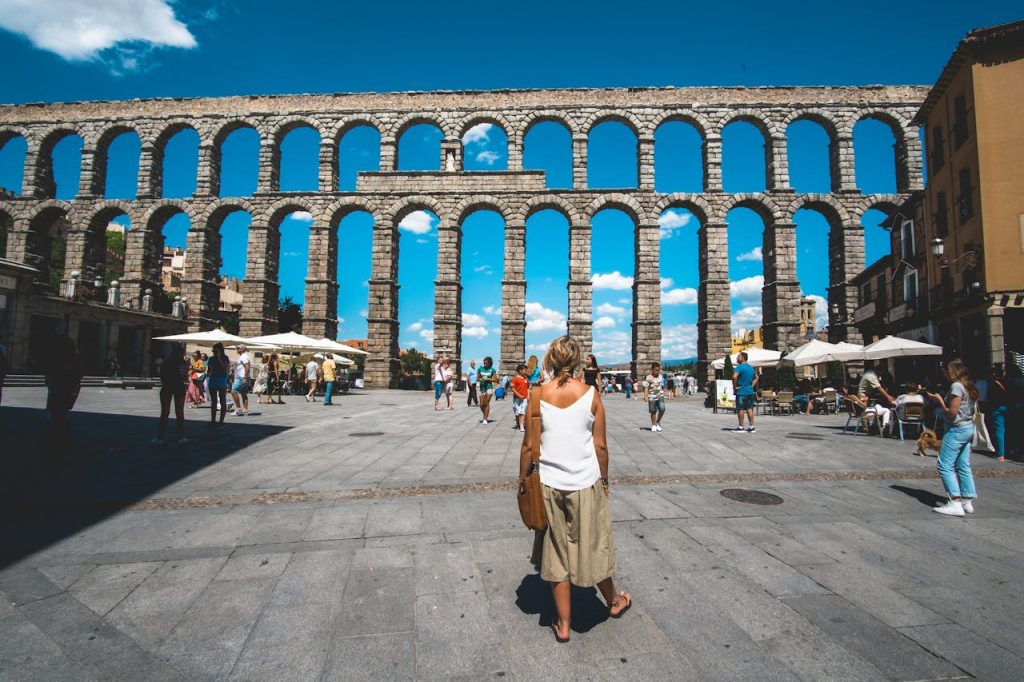
When you follow a historical walking route, you begin to understand how a city evolved over decades or centuries. Guides often connect landmarks with the social and political events that shaped them. A quiet building may have hosted major debates, or a simple street corner might have witnessed protests that changed local policy. Walking the route step by step helps you visualize those moments in real space.
Organizations such as the National Trust for Historic Preservation and many city heritage departments promote walking tours because they help people connect with local history in a tangible way. Instead of memorizing dates, you experience how neighborhoods developed and why certain buildings still matter today.
2. Street Art and Mural Walks
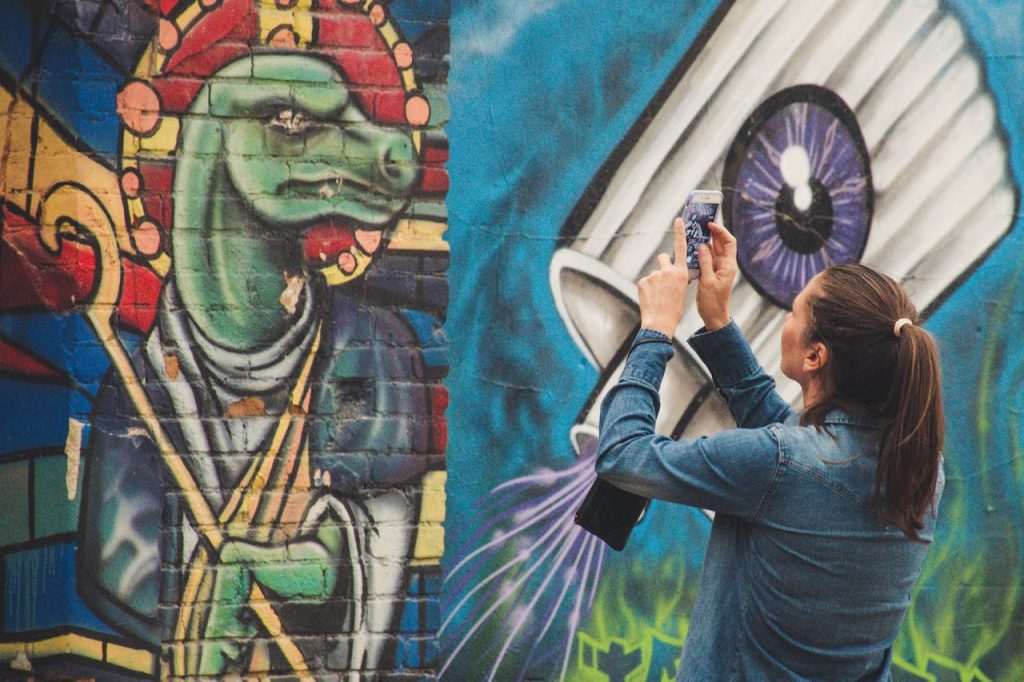
Street art tours turn entire neighborhoods into open-air galleries. Murals, graffiti, and public installations often reflect current cultural conversations, political ideas, and community identity. When you walk through these areas with a guide, you learn the stories behind the artists and the messages in the artwork.
Cities from Berlin to Mexico City have embraced mural walking tours as a way to celebrate urban creativity. Many tourism boards highlight them because they bring attention to neighborhoods that travelers might otherwise miss. As you move from wall to wall, you begin to see how public art transforms everyday streets into cultural landmarks.
3. Local Food Walking Tours
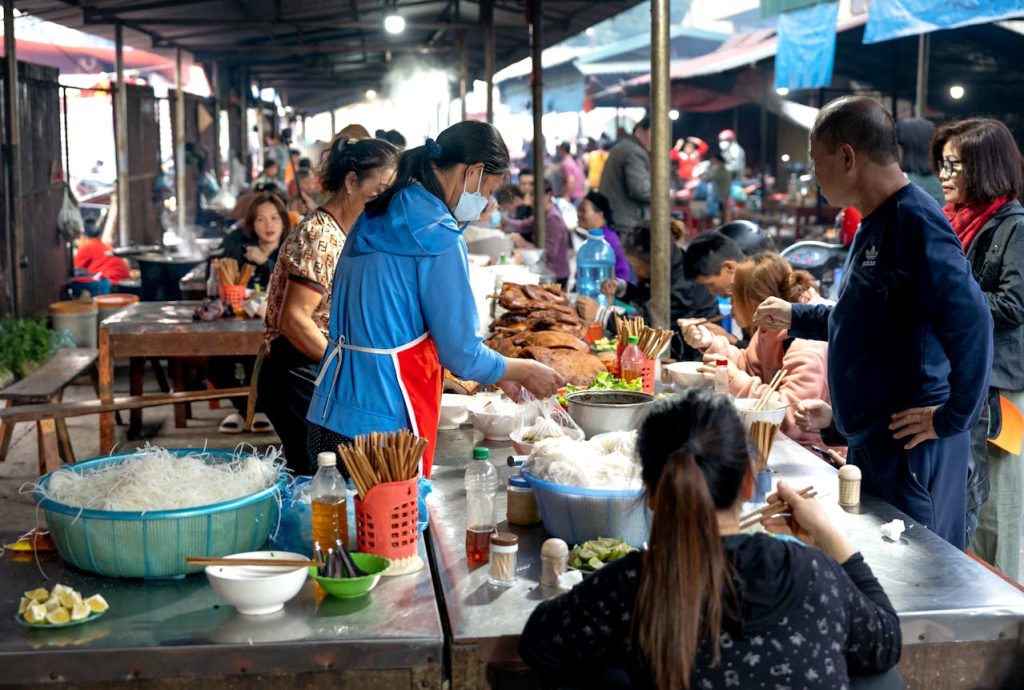
Food tours offer one of the most immersive ways to understand a city. As you walk between small restaurants, bakeries, and street stalls, you experience how culture shows up on the plate. Guides often explain how immigration, trade routes, and local ingredients shaped traditional dishes.
Groups like the World Food Travel Association emphasize that food tourism helps visitors understand communities through shared meals. Instead of dining in one restaurant, you sample multiple spots while learning the stories behind them. By the end of the walk, you have tasted the city’s history as much as you have heard about it.
4. Architecture Walks
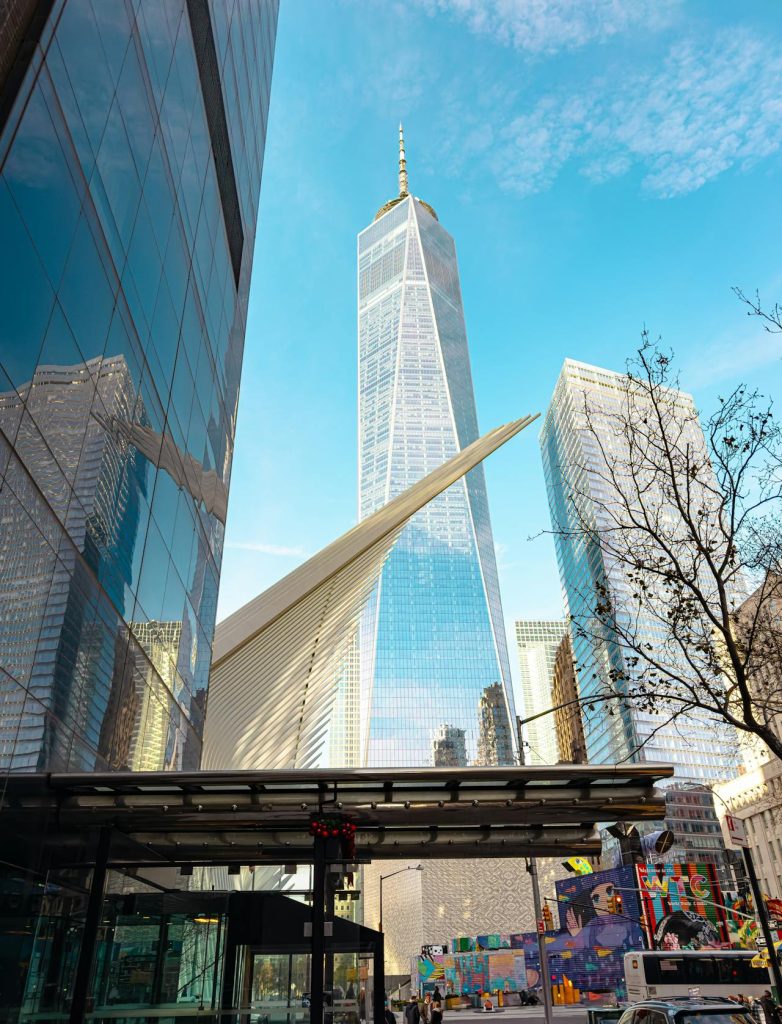
Architecture tours train your eyes to notice patterns you might otherwise ignore. A guide might point out how building styles change across neighborhoods, reflecting different economic periods or cultural influences. Once you understand the basics of design elements such as arches, facades, and materials, the skyline starts to make sense.
Institutions such as the American Institute of Architects frequently organize architecture walks for the public. These tours help you see buildings not just as structures but as reflections of technological progress, urban planning decisions, and artistic trends. After a tour like this, every block becomes a lesson in design.
5. Literary Walking Tours

Literary walking tours connect cities with the writers who shaped their cultural identity. You might visit cafés where authors drafted manuscripts or neighborhoods that inspired famous novels. The experience blends storytelling with geography, showing how real places influenced fictional worlds.
Cities like Dublin, London, and Paris are well known for literary walks because many classic authors lived and wrote there. Cultural tourism groups often promote these tours as a way to keep literary heritage alive. Walking through the settings that inspired well known works adds a new layer of meaning to the streets around you.
6. Night Walking Tours
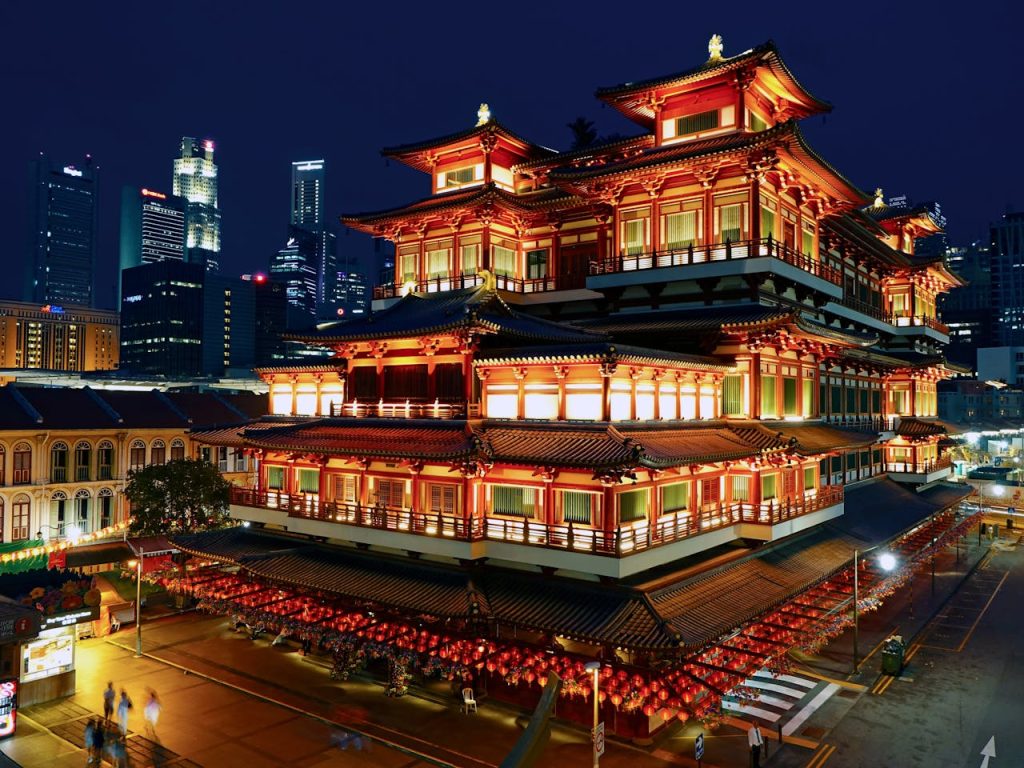
Cities change personality after sunset, and night tours reveal a completely different atmosphere. Lights transform architecture, nightlife energizes public spaces, and quiet streets feel mysterious. Some tours focus on ghost stories or local legends, while others highlight illuminated landmarks.
Urban tourism research shows that night walking tours are popular because they combine storytelling with the sensory experience of a city after dark. You hear different sounds, see different crowds, and notice details that daylight hides. The result is a fresh perspective on places you may have already visited earlier in the day.
7. Nature and Urban Green Space Walks

Many cities hide surprising natural spaces within their limits. Parks, riverside trails, and botanical gardens offer a break from dense urban environments. Guided walks through these areas often highlight native plants, wildlife, and the history of urban conservation.
Environmental organizations and park departments frequently host these tours to show how green spaces support city life. Walking slowly through these areas helps you understand how urban planners balance development with environmental protection. It also reminds you that even large cities depend on nature. These walks also reveal how communities interact with nature daily, from morning joggers to weekend picnickers. You start to notice the subtle ways green spaces shape social life and city culture.
8. Neighborhood Culture Walks
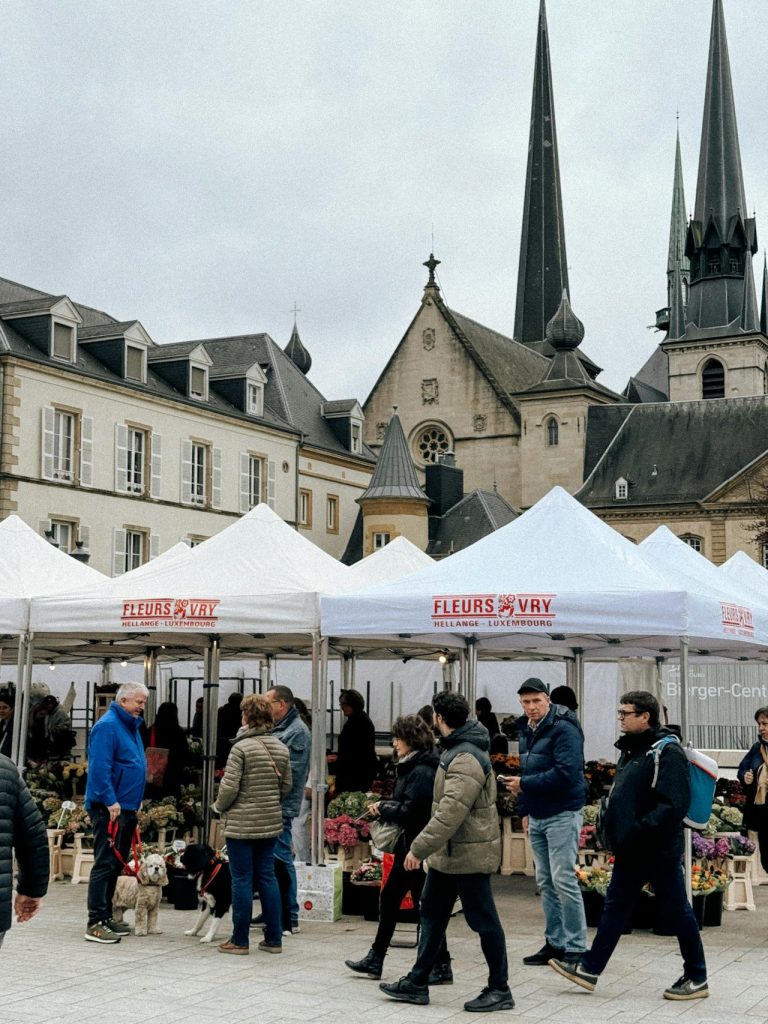
Neighborhood walking tours focus on daily life rather than major landmarks. You explore local markets, small temples or churches, family businesses, and community gathering spaces. Guides often share stories about traditions, festivals, and cultural shifts within the area.
Cultural tourism experts often recommend neighborhood walks because they encourage respectful engagement with local communities. You begin to see how residents live, work, and celebrate. By the end of the tour, the neighborhood feels less like a tourist stop and more like a living community with its own identity. These tours also reveal hidden gems, tiny cafés, artisan workshops, or murals that tell the neighborhood’s story in ways you wouldn’t notice on your own.