

You want your child to handle stress without crumbling. Resilience is not something kids are born with or without. It grows from daily habits you shape at home. Research from the American Psychological Association shows that steady support, realistic expectations, and room to struggle build coping skills over time. Small, consistent choices matter more than dramatic lessons.
When you shift how you respond to setbacks, you change how your child sees challenges. You stop rushing to fix. You coach instead of control. Over time, your child learns that mistakes are information, not identity. That mindset strengthens confidence, flexibility, and emotional balance in ways that last far beyond childhood.
1. Let Them Struggle Before You Step In
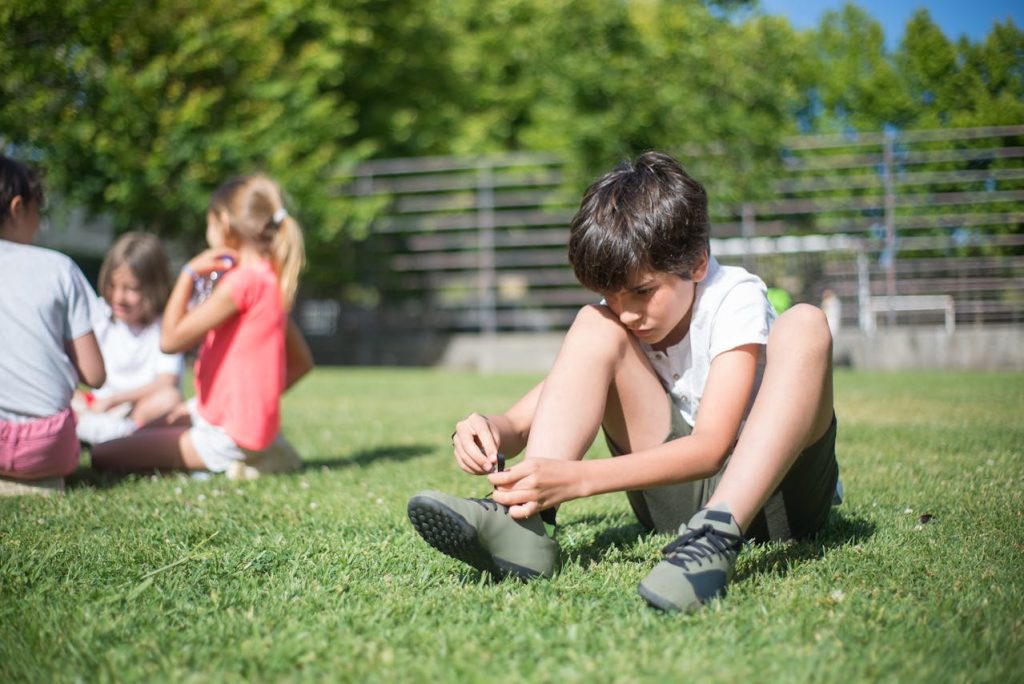
You feel the urge to fix things fast. It is natural. But when you pause, you give your child space to think. Studies from Harvard University’s Center on the Developing Child show that manageable stress helps build coping systems. When challenges are not overwhelming and you stay supportive, kids learn problem solving and emotional regulation.
Instead of solving the homework issue or playground conflict, ask what they have tried. Sit nearby. Let them wrestle with it. You send the message that effort matters. Over time, your child learns they can tolerate frustration and still move forward. That belief becomes a powerful internal anchor.
2. Model Calm During Conflict

You cannot expect calm from your child if you explode under pressure. Emotional regulation is contagious. Research from Yale University’s Center for Emotional Intelligence shows that children mirror adult responses. When you stay steady during arguments or setbacks, you teach them how to respond rather than react.
This does not mean you never feel anger. It means you show how to pause, breathe, and speak clearly. You might say you need a minute before continuing. Your child sees that strong feelings can be managed without damage. That daily modeling shapes their long term stress response. Over time, they borrow your calm as their own.
3. Praise Effort More Than Talent
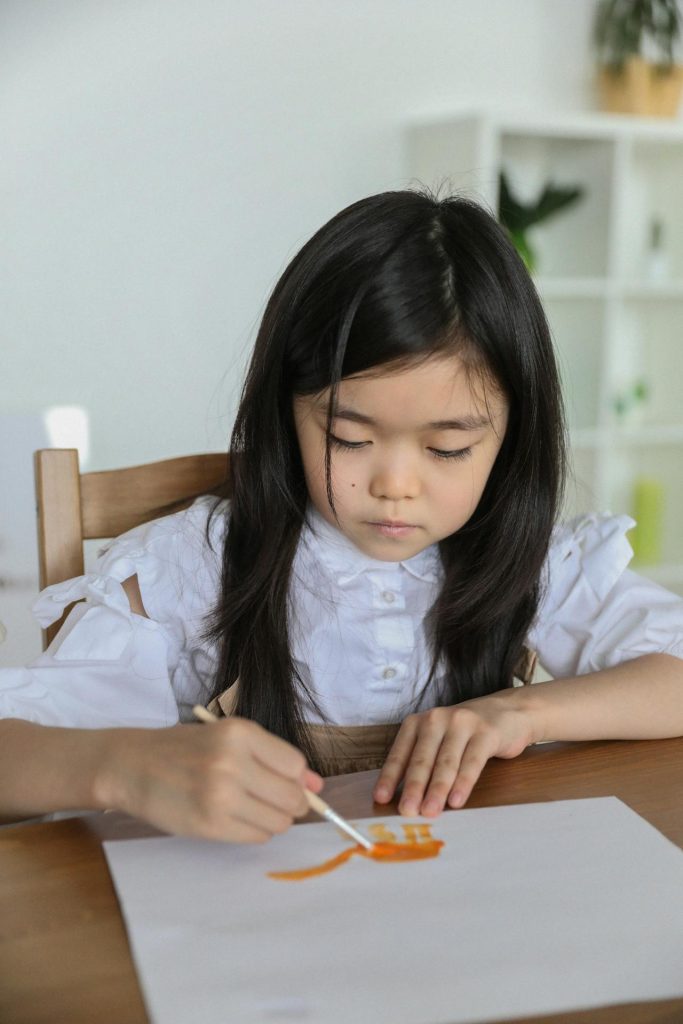
When you focus only on being smart or gifted, you tie worth to performance. Psychologist Carol Dweck at Stanford University found that praising effort encourages a growth mindset. Kids who believe abilities can improve through practice handle failure better.
Instead of saying you are so smart, say you worked hard on that. Notice persistence and strategy. You help your child connect success to action, not identity. When setbacks happen, they are more likely to try again instead of shutting down. That shift builds resilience from the inside. They learn that effort, not labels, drives growth. Confidence grows when progress feels earned.
4. Give Age Appropriate Responsibility

You protect your child out of love. But responsibility builds capability. The American Academy of Pediatrics notes that chores and meaningful roles at home support confidence and competence. When kids contribute, they feel valued and capable.
Assign tasks that match their age. Let them pack their bag or help plan a meal. Resist the urge to redo their work unless safety is at risk. You show that their efforts matter. Over time, your child sees themselves as someone who can handle real duties, not just follow instructions. Responsibility quietly strengthens their sense of ownership. They begin to trust their own ability to follow through.
5. Talk Openly About Feelings

You may have grown up hearing that tough kids do not cry. Current research in child development says the opposite. Naming emotions helps children regulate them. Studies from the University of California, Los Angeles show that labeling feelings reduces emotional intensity.
When your child is upset, help them find words. Say it looks like you are frustrated. Ask what happened. You are not encouraging weakness. You are building awareness. Kids who understand their emotions can manage them. That skill protects mental health and strengthens resilience. You give them language before you give advice. Over time, that vocabulary becomes self control.
6. Encourage Healthy Risk Taking

You want your child safe. Still, avoiding every risk limits growth. The American Academy of Pediatrics highlights the value of supervised risk in play. Climbing higher, trying a new sport, or speaking in class all stretch comfort zones.
Support preparation, not avoidance. Discuss what could go wrong and how to respond. Stay present but do not interfere too quickly. Your child learns that fear does not always mean stop. It can mean prepare and try. That lesson builds courage grounded in reality.
7. Keep Routines Steady

Life feels uncertain at times. Predictable routines create security. Research from the National Institute of Child Health and Human Development shows that consistent daily structure supports emotional stability. Regular bedtimes, meals, and check ins lower stress.
You do not need a rigid schedule. Simple patterns are enough. When home feels steady, your child has a safe base to handle outside challenges. Structure does not limit freedom. It creates a foundation that allows confidence to grow. Rituals signal safety without many words. Consistency builds trust in the environment. Your reliability becomes their anchor. From that stability, resilience takes root.
8. Show Unconditional Support

Resilience does not mean independence from love. It grows from secure attachment. Studies from Johns Hopkins University link parental warmth with better coping and academic outcomes. When your child knows you are on their side, they take healthy risks.
Make it clear that mistakes do not threaten your connection. Separate behavior from identity. Say you did something wrong, not you are wrong. Your steady support becomes the safety net that allows them to stretch, fail, and try again without losing themselves. Connection gives courage its backbone. Feeling secure makes growth possible. They face the world knowing they are not alone.