Think about how you wind down after a long day. Your phone, a show, or a book might be part of that ritual. But late‑night routines from past decades looked very different. Some were shaped by culture, technology, and even politics. In the 1950s, families gathered around a single black‑and‑white television at the same hour. In the 1970s, teens might jam to a transistor radio under the covers.
Here’s the thing: those routines shaped how people felt and acted. In the 1990s, dial‑up tones signaled the start of night‑long chats. Before that, vinyl records spun while people talked into the early morning. That’s what this list captures: eight routines that define an era and show how you might be more like the past than you think.
1. Family TV Hour in the 1950s
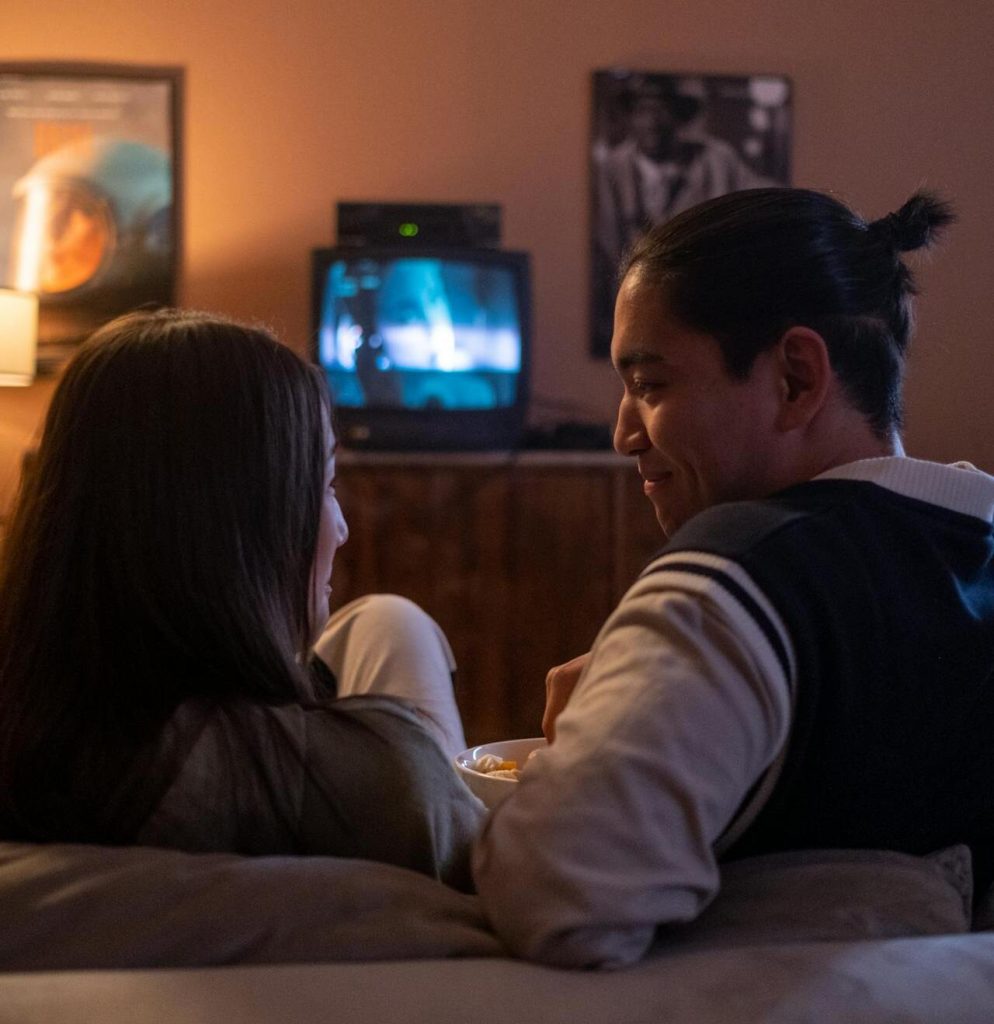
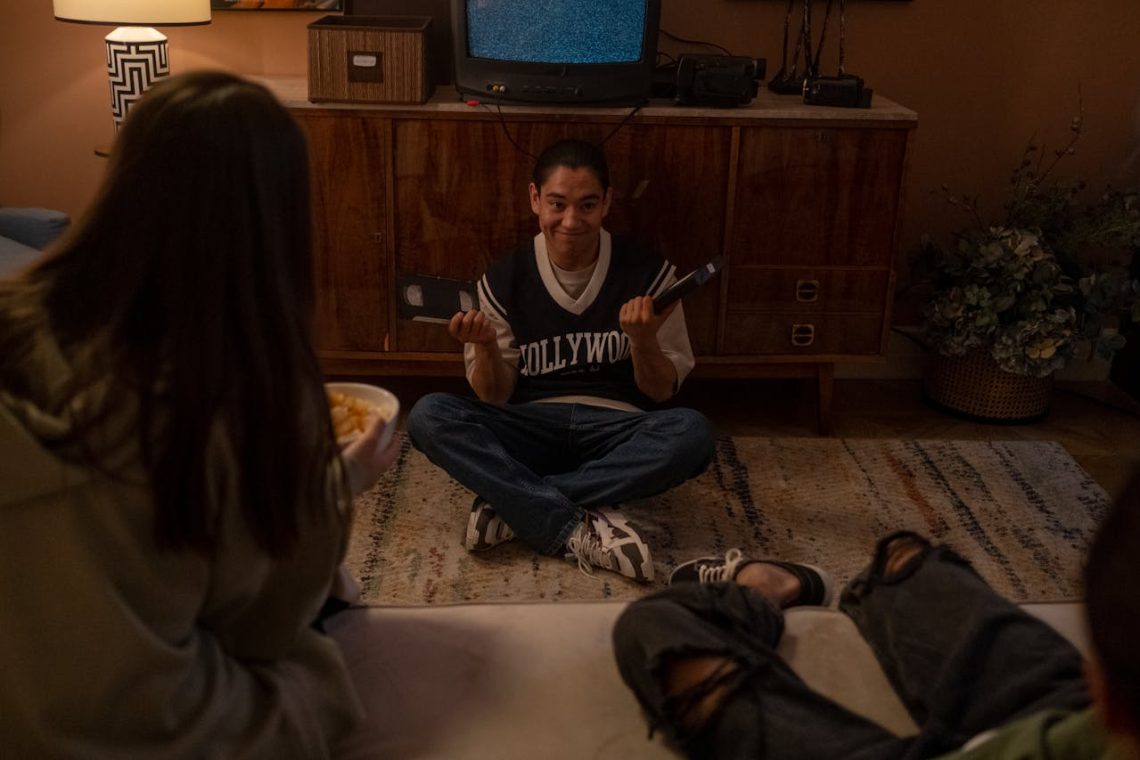
After dinner in the 1950s, many households tuned to the same network show at the same time. With only a handful of channels available, you didn’t scroll; you gathered. Parents and kids watched sitcoms, news, and variety programs together. That routine was more than entertainment. It structured the evening and anchored the day.
People planned around airtime and discussed plot twists the next morning. The ritual says a lot about the scarcity of choice and how TV became the focal point of family life. Families often adjusted their schedules to make sure everyone could watch together, turning TV time into a shared ritual. Commercial breaks became moments to chat, snack, or debate what might happen next, strengthening those small daily connections.
2. Radio Under the Covers in the 1970s
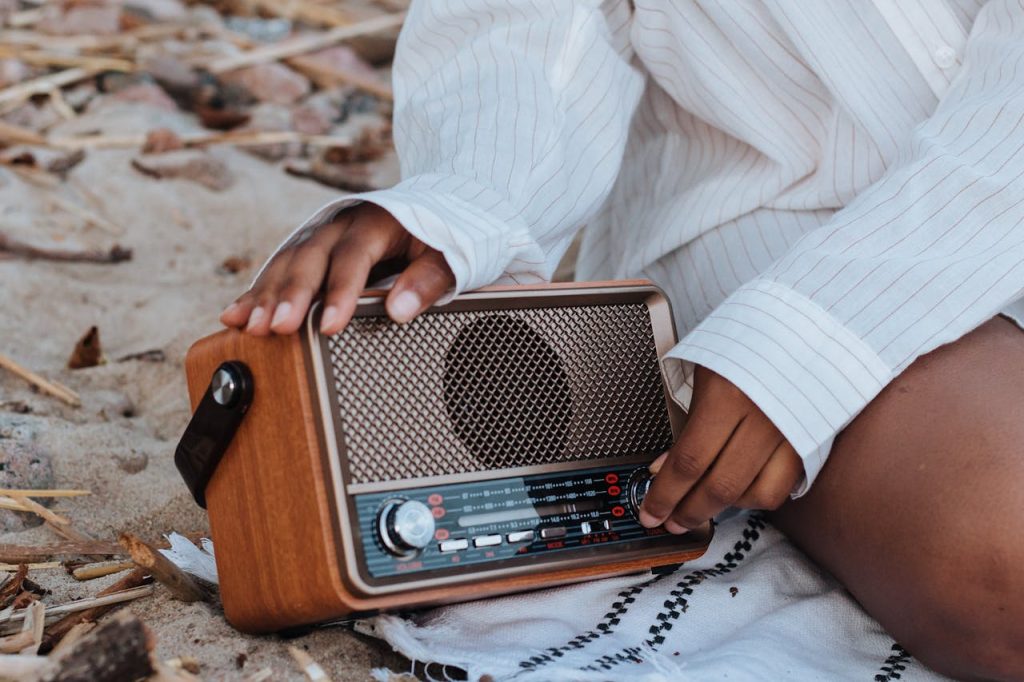
Before cable or the internet, radios ruled the night. Teens clutched transistor sets under their blankets after lights‑out, catching late‑night music and talk shows. The sound defined an era when FM playlists and DJ personalities mattered. You didn’t choose on demand. You listened to what was broadcast and waited to hear your favorite track.
That anticipation, that shared playlist across towns and cities, helped solidify cultural moments and gave listeners a sense of belonging to something bigger. Listeners often scribbled down song titles and requested tracks, turning the radio into an interactive experience. Those late-night broadcasts also sparked secret midnight conversations among friends, sharing discoveries and debating new hits.
3. Vinyl Spins and Midnight Conversations
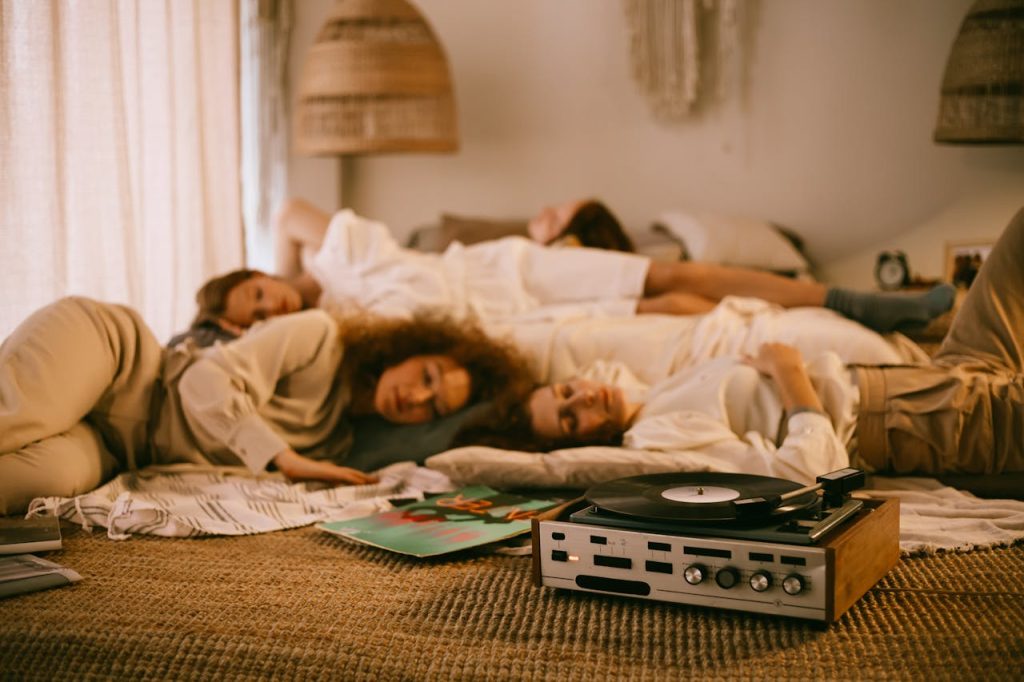
In the 1960s and 1970s, playing records into the late hours was a social ritual. Friends spread albums across the floor, debating rock, soul, and jazz cuts. You paused between songs to talk about life, politics, and love. The routine wasn’t passive consumption. It was active engagement with sound and each other. Albums were experiences you lived through, not playlists you skipped through.
That late‑night ritual influenced tastes and identities in ways that still echo in how people think about music today. Sometimes, someone would introduce a rare or imported record, sparking excitement and new discoveries for the group. These sessions often ended with everyone humming tunes long after the music stopped, carrying the night’s energy into the next day.
4. Dial‑Up Chat Rooms in the 1990s

When the internet first entered homes, the sound of dial‑up modems defined late nights. That screech and hum signaled access to chat rooms and message boards. You logged on after homework to talk with strangers and friends across the globe. Typing at 56 kbps, you traded jokes, confessions, and plans. That era taught people to form communities without video or voice, relying on text and imagination.
It reshaped how people connected and laid the groundwork for today’s social platforms. You often stayed up far later than intended, glued to the screen, waiting for someone to reply. That patience and anticipation created a sense of excitement and connection that feels almost foreign in today’s instant‑messaging world.
5. Midnight Matinees and Drive‑Ins

Before home media was widespread, late‑night movies held appeal. Drive‑in theaters and midnight showings drew crowds looking for a collective experience. You packed snacks, piled into cars, and watched films under the stars. It was social, it was communal, and it was about more than the film itself.
Those routines helped define youth culture in the 1970s and 1980s. They turned cinema into an event and made movie‑going a memory you shared with others. Fans often lingered afterward, discussing favorite scenes and trading recommendations, extending the communal experience long after the credits rolled.
6. Late‑Night Diner Talks
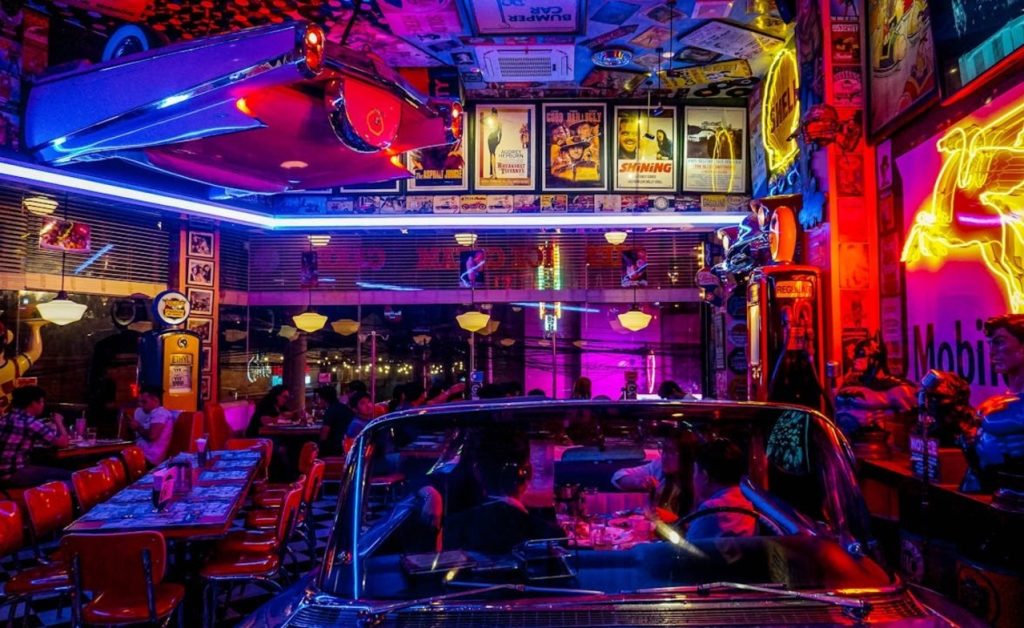
City streets after midnight once meant neon lights and open diners. Writers, shift workers, and night owls met over coffee and pie. Conversations ranged from philosophy to everyday struggles. That ritual gave rise to cultural myths about the beat generation and gritty urban life. You didn’t rush out. You lingered over refills and connected through dialogue.
These diners were hubs where ideas flowed as freely as the conversation, influencing literature, music, and how people viewed the nocturnal city. Regulars often became a makeshift community, sharing stories and forming bonds that lasted years. The hum of conversation, clatter of dishes, and scent of fresh coffee created a comforting rhythm that defined the night.
7. Letter Writing Before Bed
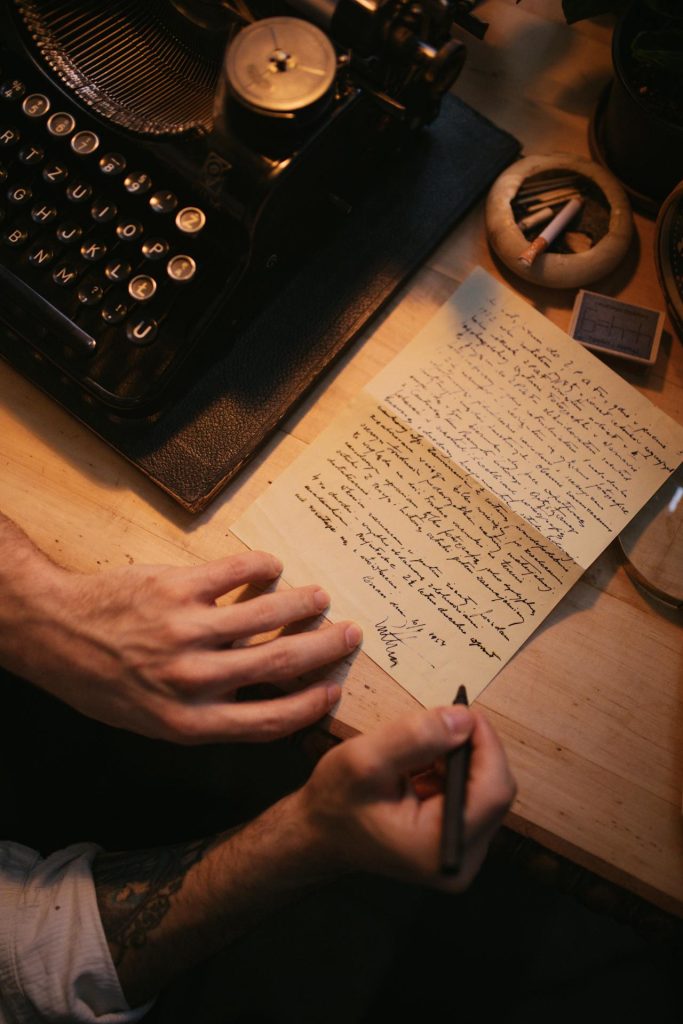
Before text messages, people wrote letters late at night. In the early 20th century, after chores and supper, you might sit with pen and paper by lamplight. Letters to loved ones, friends, or distant relatives took time and care. That routine slowed you down. It forced reflection and intention in how you expressed yourself.
Mail wasn’t instant, but that delay made connections feel deeper. Late‑night stationery still evokes nostalgia for a slower, thoughtful pace of life. You often reread letters multiple times, savoring each word and imagining the writer’s voice. Some nights ended with a stack of freshly written envelopes ready to journey across towns or oceans, carrying your thoughts into the night.
8. Night Markets and Street Food Culture
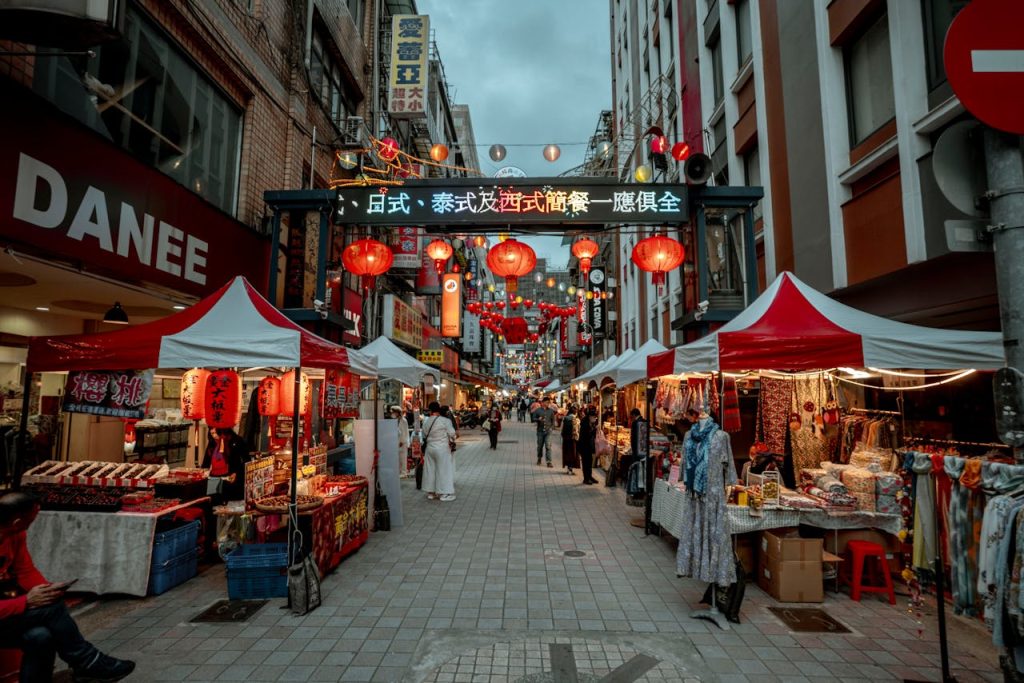
In many Asian and Latin American cities, night markets defined the after‑work hours. Stalls stayed open until late, serving food and offering goods. You wandered alleyways with friends, tasted snacks, and bargained with vendors. This wasn’t passive consumption. It was a social interaction rooted in local culture. These markets shaped evening rhythms and provided a space to unwind.
They show how community, food, and nightlife can blend into a routine that becomes part of daily life. Street performers and musicians often added to the atmosphere, making each visit lively and unpredictable. The sights, sounds, and smells combined to create memories that lingered long after the market lights dimmed. Late‑night routines from TVs to chat rooms show how you lived and deeply connected in past eras, shaping culture and memory.