A great sunset does not always need a remote wilderness or a difficult climb. Sometimes the best views come from hills that rise just high enough to open the horizon and let the sky do the rest. When you stand on a hilltop at the right moment, the world below slowly quiets while the sky turns into layers of gold, orange, and deep blue. The elevation changes everything. Buildings shrink, coastlines stretch farther, and even familiar cities suddenly look cinematic.
If you enjoy photography, these hills give you a natural advantage. You gain wide angles, dramatic light, and silhouettes that make simple photos look striking. Urban skylines, coastlines, forests, or valleys all become part of the frame. Many photographers prefer hill viewpoints because shifting light interacts with terrain and atmosphere in ways that flat ground rarely captures.
1. Primrose Hill
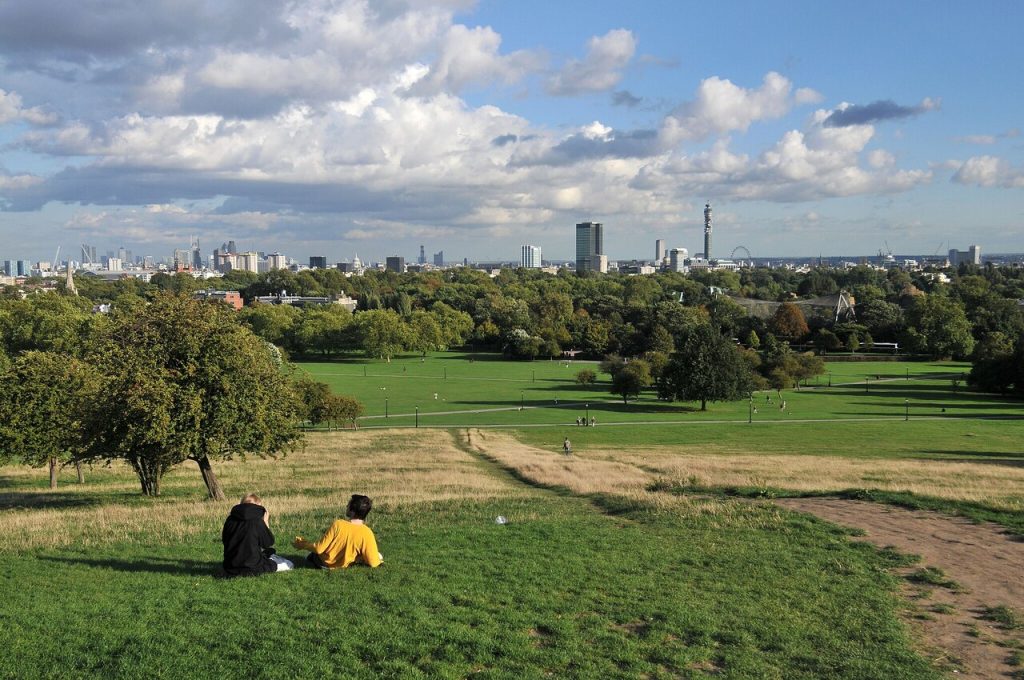
On the north side of London sits Primrose Hill, a gentle rise that turns sunset into a wide urban panorama. The hill stands only about 63 meters above sea level, yet it opens an uninterrupted view of the city skyline. As the sun drops, the towers and rooftops begin to glow while the sky reflects across the glass buildings in the distance.
You can easily reach the summit by walking through the surrounding park, which makes it one of the most accessible sunset viewpoints in the city. Photographers often arrive early to frame the skyline before the light begins to change. As dusk approaches, silhouettes form across the cityscape, and the horizon fills with color.
2. Arthur’s Seat
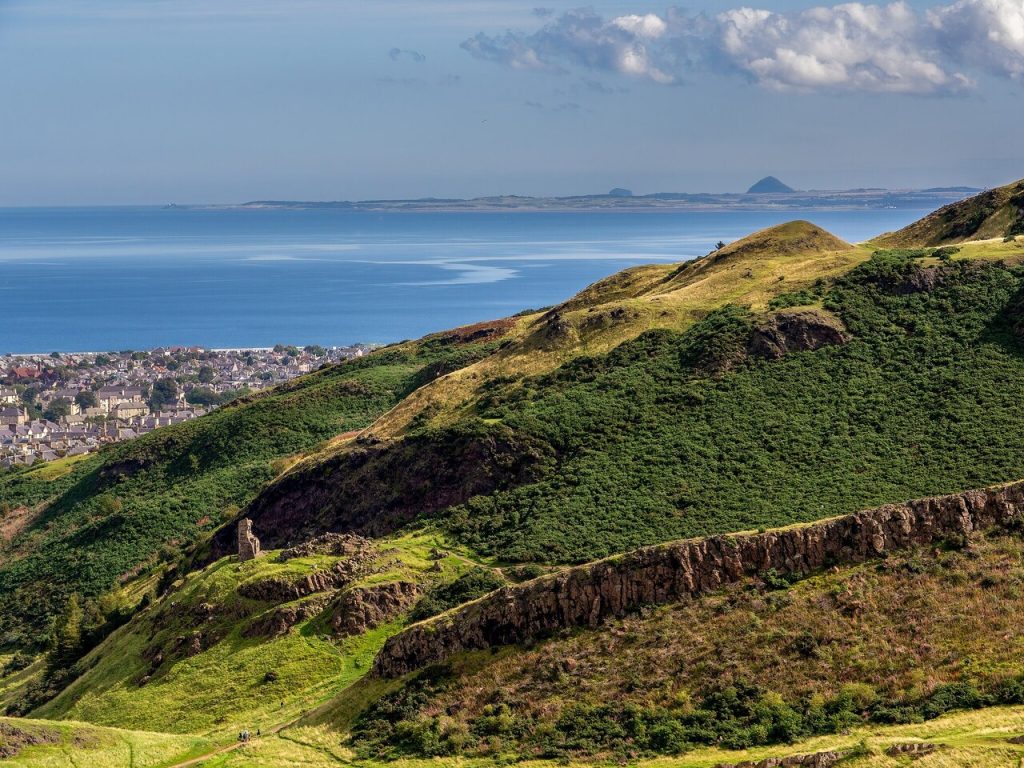
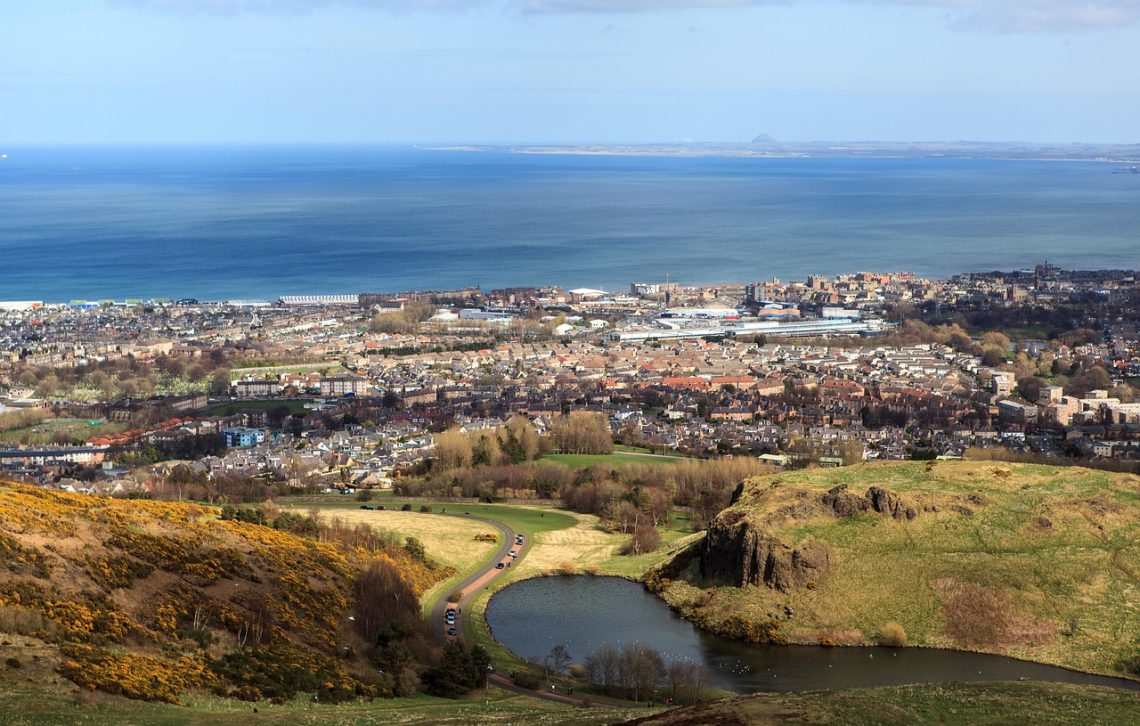
Rising above Edinburgh, Arthur’s Seat delivers one of the most dramatic sunset vantage points in Europe. The ancient volcanic hill reaches about 251 meters and gives you a full view of the historic city, the coastline, and the open countryside beyond. When the sun lowers toward the horizon, the stone buildings of Edinburgh reflect warm light that spreads across the entire landscape.
The climb takes some effort but remains manageable for most hikers. Once you reach the top, the reward becomes obvious. The sky opens wide above the city while the North Sea reflects the fading light in the distance. Sunset photographers often aim toward the western horizon where shifting clouds catch the last color of the day.
3. Lion’s Head
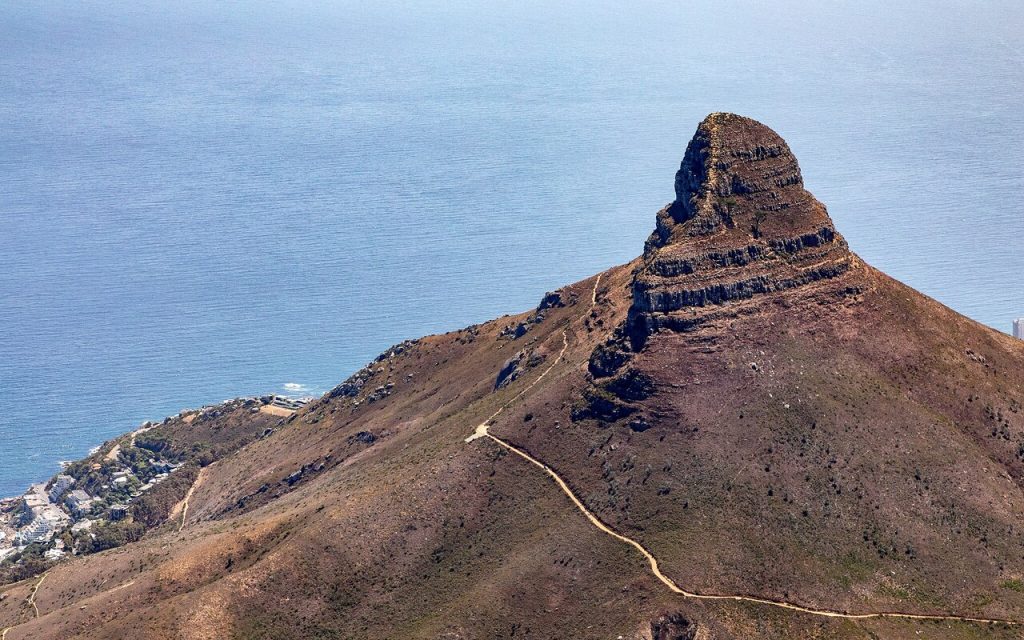
Just beside the famous Table Mountain stands Lion’s Head above Cape Town. This steep but popular hill offers a 360-degree view of the Atlantic Ocean, the city, and the surrounding mountains. As sunset approaches, the ocean turns silver, and the coastline becomes outlined by glowing light.
The hike typically takes about an hour, which makes it a favorite late-afternoon climb. When you reach the summit, the scenery expands in every direction. Camps Bay beaches catch the last sunlight while the city slowly lights up below. Photographers love this spot because the curved coastline naturally leads the eye toward the sunset horizon. Travel research frequently cited by the South African Tourism ranks Lion’s Head among the best sunset viewpoints in the country.
4. Mount Tamalpais
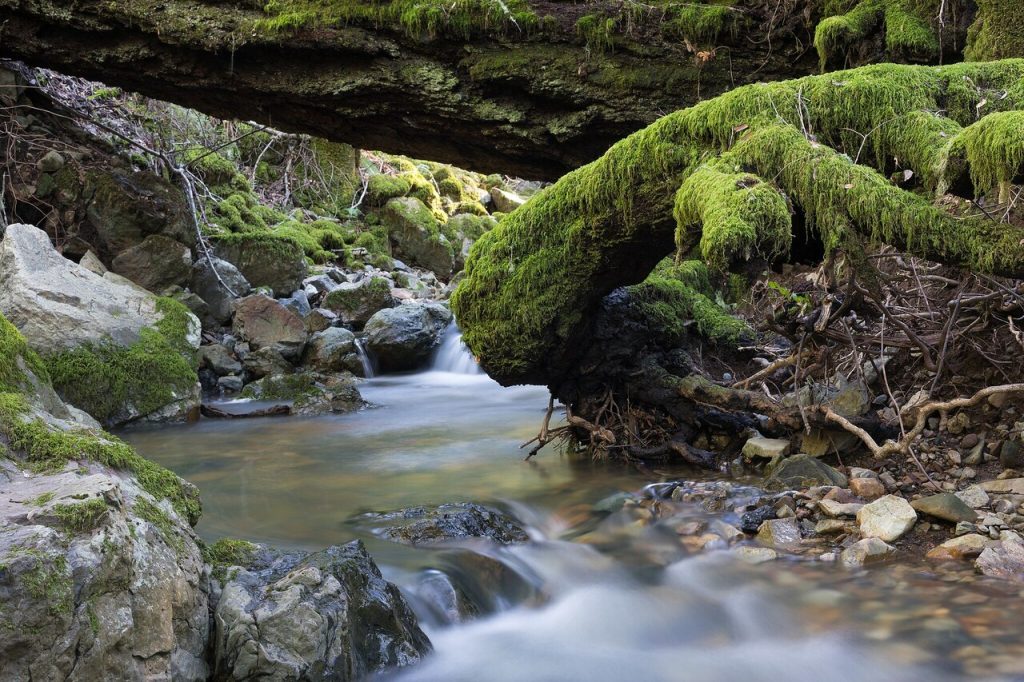
North of San Francisco, the slopes of Mount Tamalpais rise above forests and the Pacific Ocean. Although technically a mountain, many locals treat the upper ridges as classic sunset hill viewpoints because the elevation creates a wide horizon across the ocean. On clear evenings, the setting sun appears to sink directly into the Pacific.
You can reach several overlooks by road or short hikes, which makes sunset visits surprisingly easy. As the sky changes color, fog sometimes rolls through the valleys below, creating layers of clouds beneath the hilltop. This effect produces striking photos where the sun appears to float above the landscape.
5. Cerro San Cristóbal
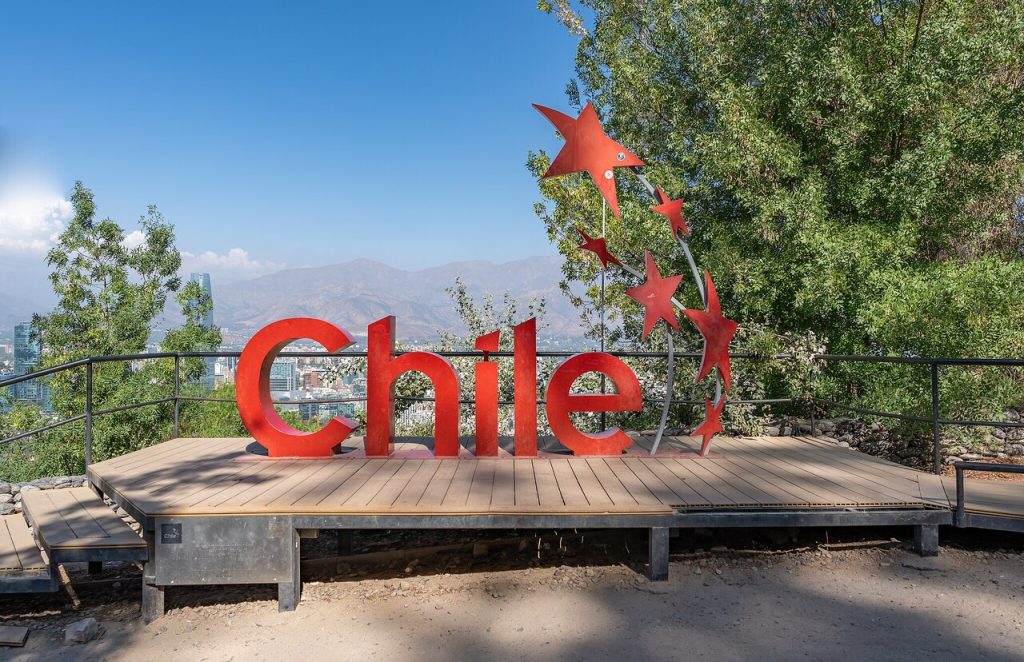
Towering above Santiago, Cerro San Cristóbal provides a remarkable perspective of the city against the Andes Mountains. The hill rises about 880 meters above sea level and sits inside a large urban park. As the sun sets behind the city, the skyline glows while the Andes slowly fade into purple silhouettes.
You can reach the summit by funicular, cable car, or hiking trail. Each route leads to observation terraces that give photographers clear views in multiple directions. Sunset is especially dramatic because Santiago’s dry air often produces intense color in the sky. The contrast between city lights and mountain shadows creates a layered landscape rarely seen from street level. Tourism data from the Chile National Tourism Service consistently ranks the hill among the most visited viewpoints in the capital.
6. Mount Eden
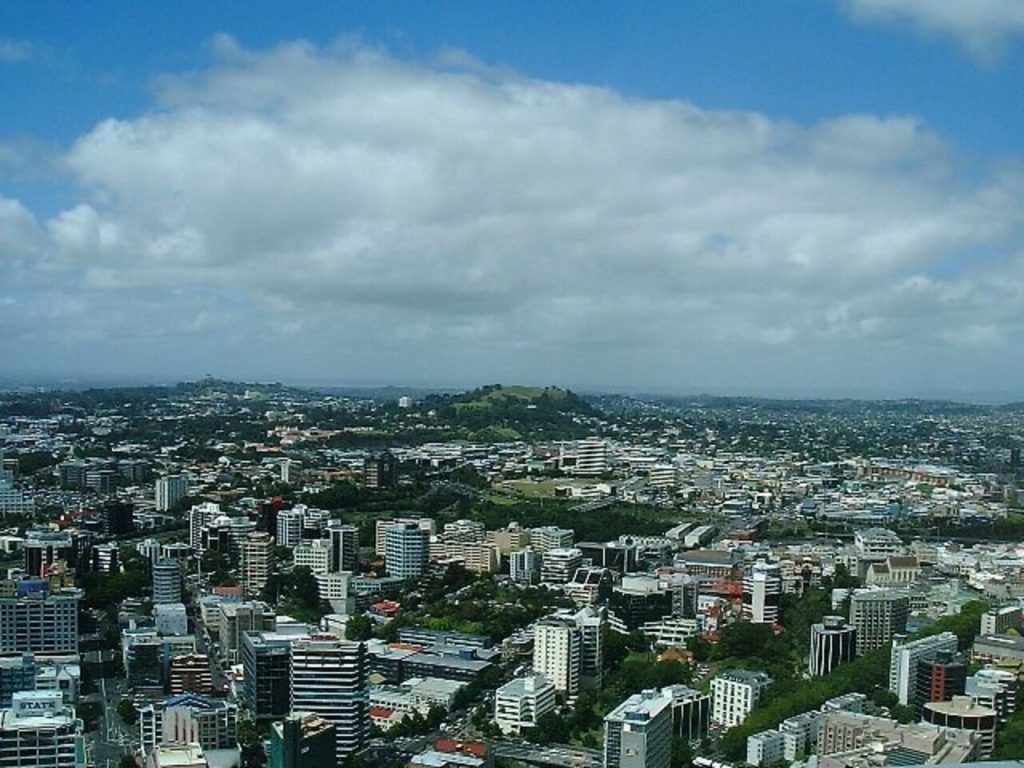
In Auckland, the volcanic cone of Mount Eden rises above the surrounding neighborhoods. The summit stands about 196 meters high and offers one of the clearest sunset views of the city skyline and harbors. From the top, you can see both the Waitematā and Manukau harbors stretching toward the horizon.
The hill’s volcanic crater adds a unique foreground that photographers often use to frame the skyline. As sunset approaches, warm light spreads across the water and reflects off buildings in the distance. Because the summit sits above most surrounding structures, the sky appears wide and unobstructed. According to environmental and heritage information published by the Auckland Council, Mount Eden is one of the most significant natural viewpoints in the city.
7. Pico do Arieiro
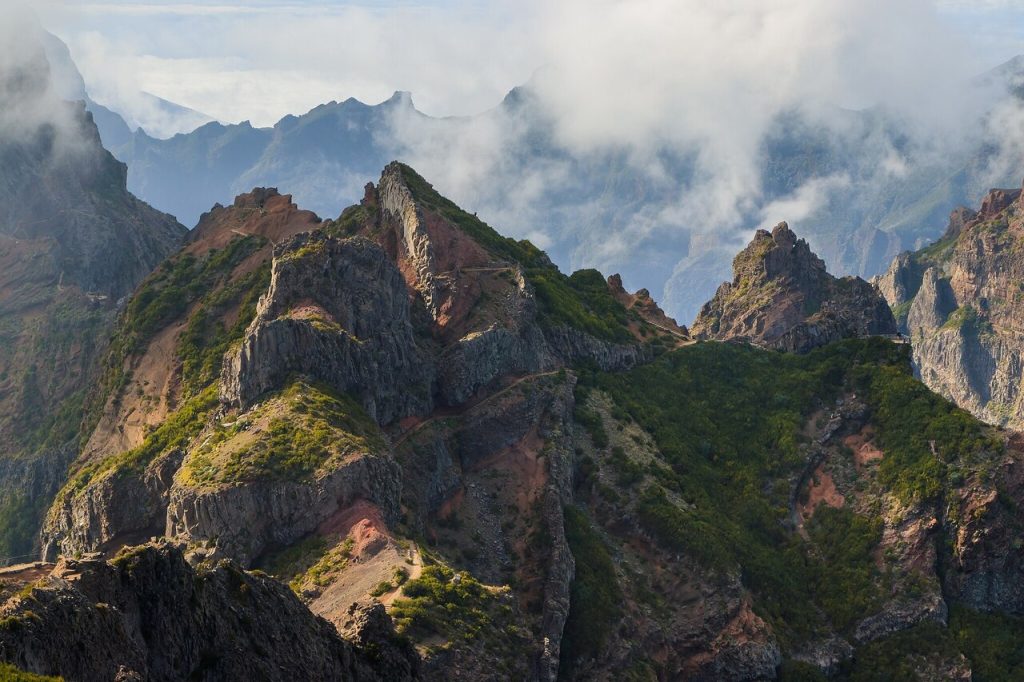
High above the island of Madeira stands Pico do Arieiro, a rugged summit famous for its cloud-level sunsets. While technically a mountain peak, the accessible viewing platforms function much as elevated hill overlooks. As the sun lowers, clouds often gather below the summit, creating the illusion that the sky rests on a sea of mist.
You can drive almost to the top, which makes the viewpoint surprisingly accessible. Photographers arrive early to watch light sweep across the volcanic ridges. As sunset deepens, the clouds reflect orange and pink tones that spread across the sky. Travel studies referenced by the Portugal Tourism Board frequently highlight this location as one of the most visually dramatic sunset points in Europe.
8. Doi Suthep Hill Viewpoint
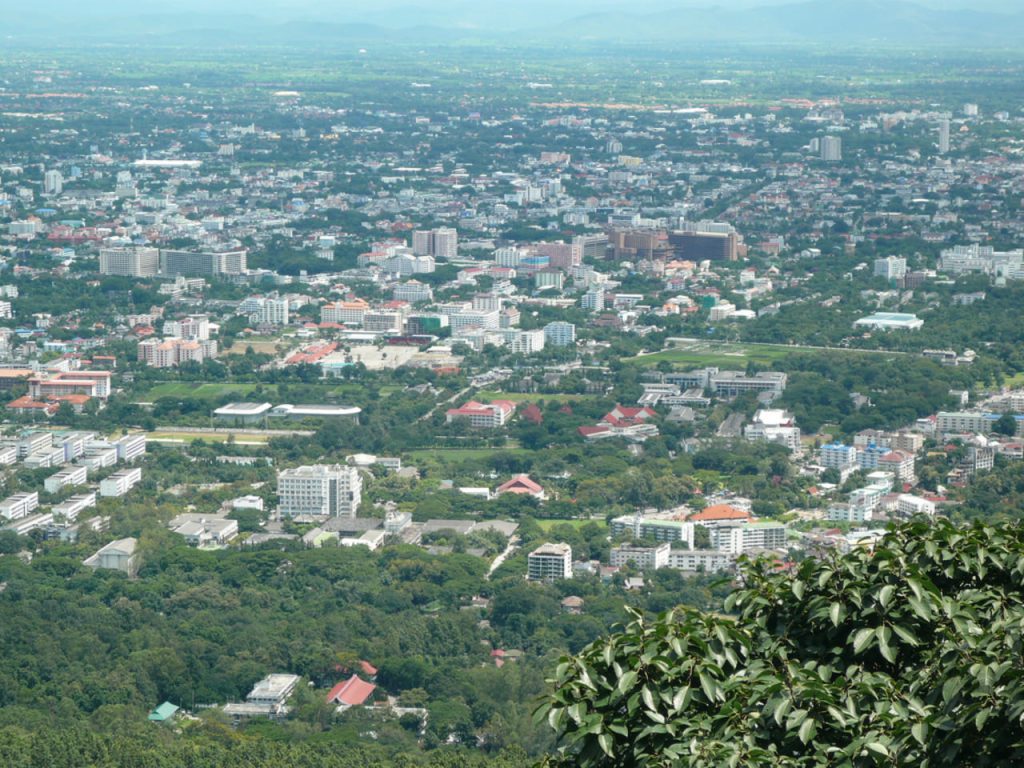
Overlooking Chiang Mai, the slopes near Wat Phra That Doi Suthep provide sweeping sunset views across northern Thailand. The hill sits high above the city, allowing the entire Chiang Mai basin to spread across the horizon. As evening approaches, the valley slowly fills with warm golden light.
Visitors often stay near the temple terraces where the view stretches far beyond the city into forested mountains. The atmosphere tends to soften the sunlight, producing smooth gradients of color across the sky. Photographers appreciate the balance between cultural architecture and natural scenery, which creates layered sunset compositions. Regional tourism research published by the Tourism Authority of Thailand identifies Doi Suthep as one of the most photographed viewpoints in northern Thailand.