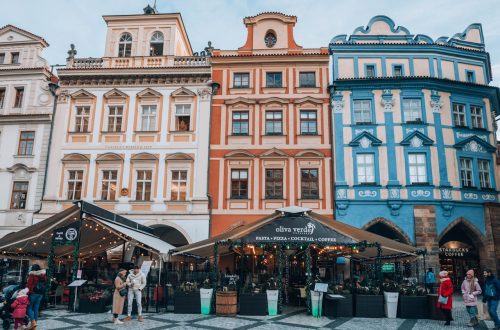


European cities often appear in travel brochures as postcard-perfect havens of culture, romance, and old-world charm. Cobbled streets, glowing cathedral spires, café terraces spilling into sunny plazasthese images shape a perception of effortless safety and sophistication. Yet beneath the beauty, some destinations carry complexities that travelers rarely consider until they are already there. High tourism density, economic disparity, nightlife culture, organized pickpocketing networks, and neighborhood-level crime patterns can create risks that don’t always align with a city’s polished image. This does not mean these places are dangerous in a broad or sensational sense.
1. Paris
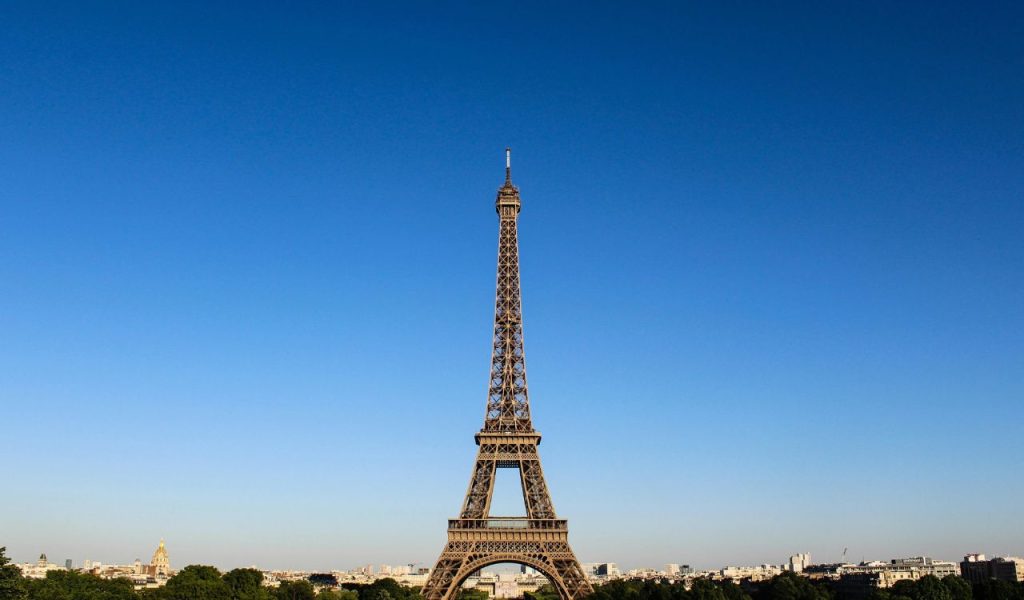
Few cities are as mythologized as Paris. The image of lovers beneath the Eiffel Tower and artists sketching along the Seine suggests an atmosphere of refinement and tranquility. Yet Paris is also one of Europe’s largest and most densely visited capitals, and that scale introduces urban challenges that surprise first-time visitors. Pickpocketing in crowded transport hubs such as the Métro and major landmarks is a persistent issue, particularly in tourist-heavy districts. Organized distraction techniques petitions, staged arguments, or sudden commotions, often target travelers who appear unfamiliar with their surroundings. Beyond the postcard center, certain outer arrondissements experience higher crime rates than the glossy neighborhoods near the Louvre or Champs-Élysées.
2. Barcelona
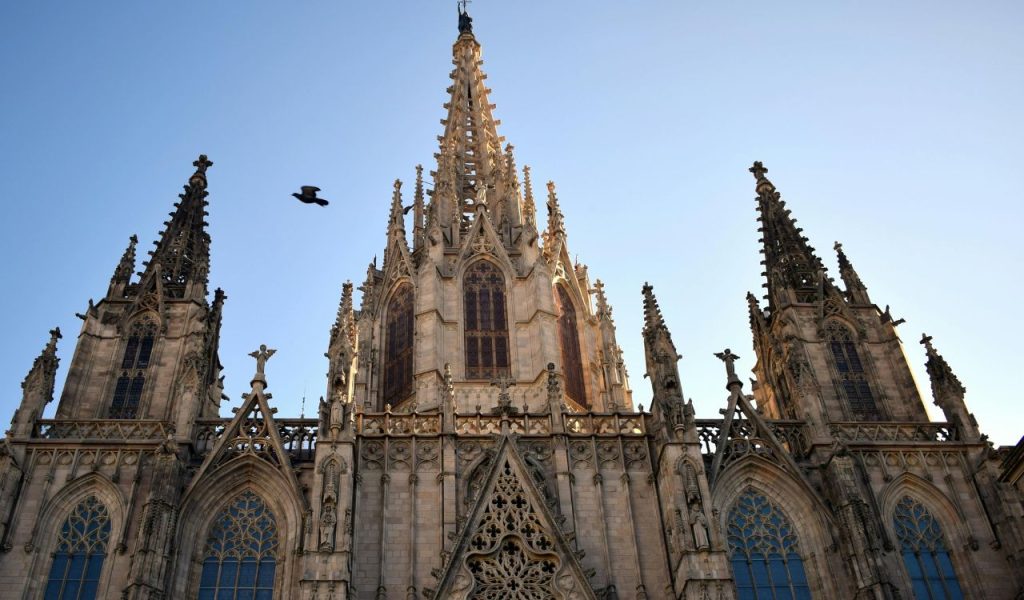
Barcelona’s Mediterranean glow, architectural wonders by Gaudí, and beach-meets-city atmosphere create an impression of relaxed ease. The open boulevards and lively plazas seem built for carefree wandering. Yet Barcelona has long struggled with pickpocketing, particularly in areas such as Las Ramblas, public transport lines, and beach zones where crowds and distraction make easy opportunities. Visitors are often surprised by the speed and subtlety of theft—bags opened in seconds, phones lifted during moments of inattention. Nightlife in certain districts can also bring alcohol-related incidents or petty disputes, especially during peak tourist seasons.
3. Rome
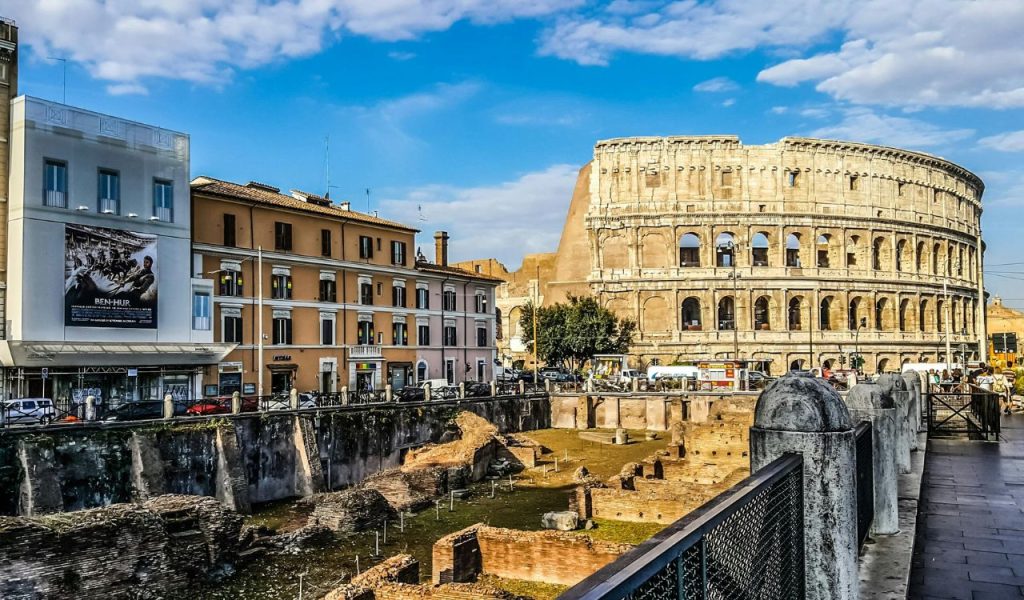
Rome evokes timeless grandeur. Walking past the Colosseum or through Vatican City feels like stepping into a living museum. This historic aura can lull visitors into believing they are in a space insulated from contemporary problems. In reality, Rome is a sprawling modern metropolis with uneven economic conditions and urban complexities that extend far beyond its archaeological core. Pickpocketing is common in crowded buses and around iconic landmarks, and scams targeting tourists, ranging from unofficial tour operators to street vendors employing aggressive tactics, are frequent complaints.
4. Prague
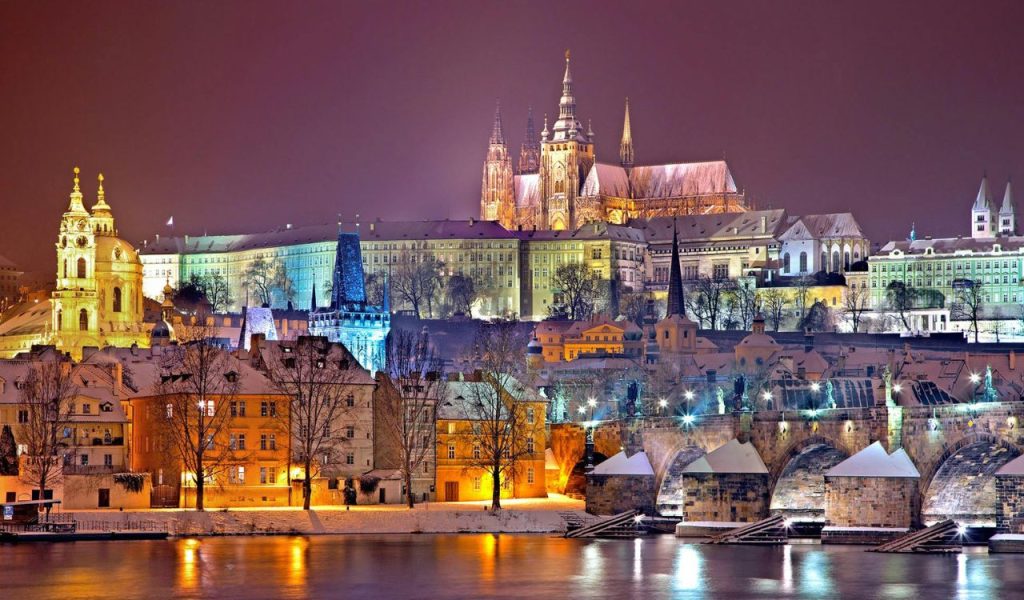
Prague’s Gothic spires and pastel façades give it a fairytale quality that feels almost untouched by danger. The Old Town Square and Charles Bridge seem like scenes from a storybook, especially at sunset. Yet Prague’s strong nightlife culture introduces specific risks that visitors sometimes underestimate. The city has a long-standing reputation for party tourism, and certain districts are known for late-night intoxication, bar scams, and inflated charges targeting unsuspecting travelers. While violent crime remains relatively low, alcohol-related incidents and petty theft can occur in crowded nightlife corridors.
5. Budapest
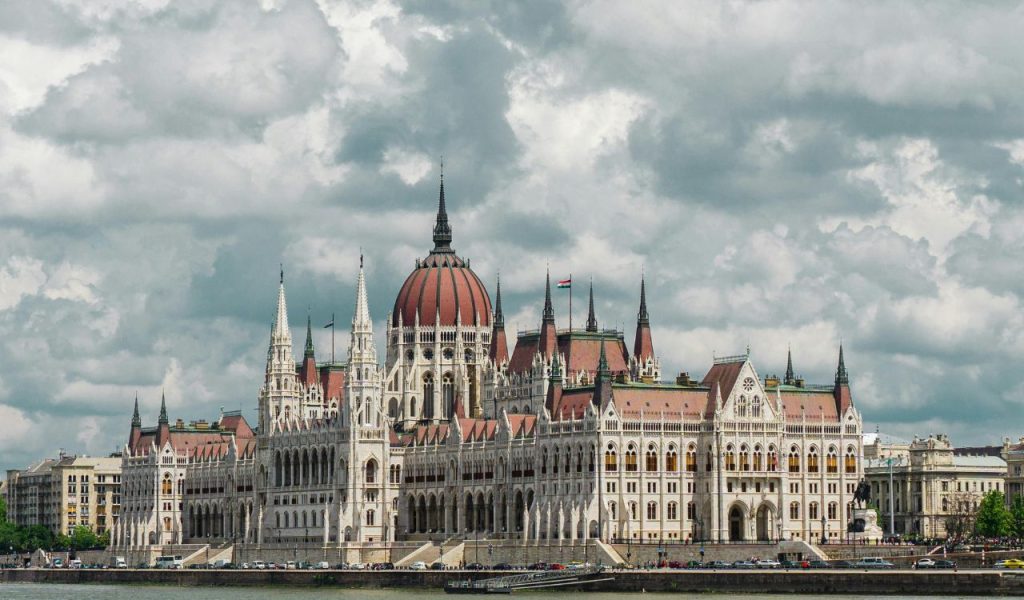
Budapest dazzles with its riverside parliament building, grand boulevards, and famous thermal baths. The city feels both historic and rejuvenating, blending Austro-Hungarian elegance with contemporary creative energy. However, Budapest has faced challenges linked to tourist-focused scams, especially around nightlife venues and taxi services. Some visitors report inflated bar tabs, misleading pricing, or pressure tactics in entertainment districts. Petty theft can also occur in crowded public spaces and transportation hubs. As tourism expanded rapidly over the past decade, certain areas adapted in ways that prioritize short-term visitor spending over long-term local stability.
6. Milan
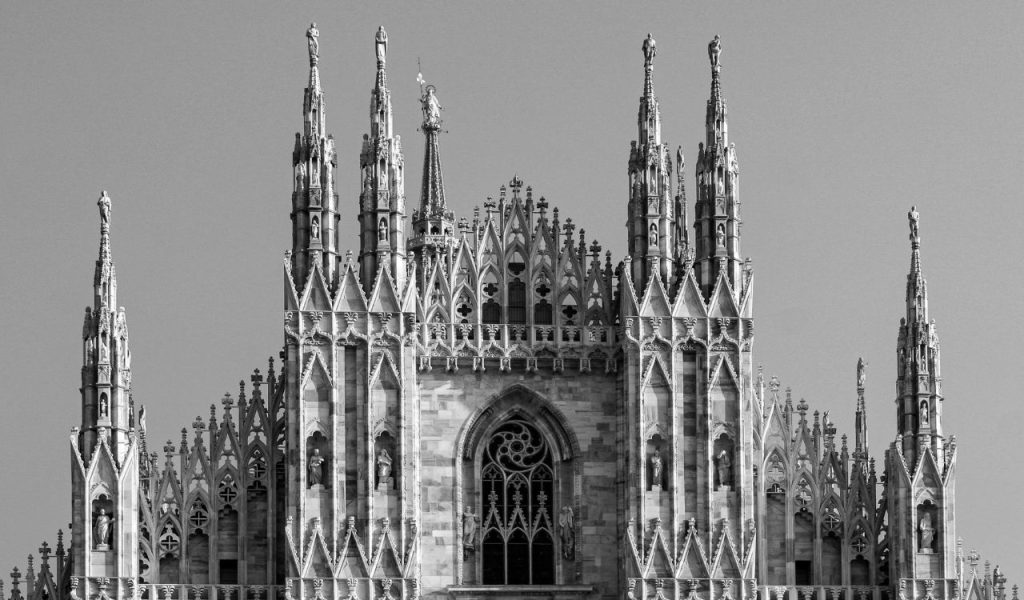
Milan projects sophistication through its fashion houses, polished shopping arcades, and sleek urban design. It feels cosmopolitan and efficient, more understated than Rome but equally influential. Yet Milan is also a major economic center with the social disparities common to global financial hubs. Petty crime, particularly pickpocketing and bag snatching, occurs in busy districts and transit areas. Certain neighborhoods outside the central core have higher crime statistics than visitors might expect from a city known for luxury. The contrast between high-end boutiques and urban challenges can be stark.
7. Athens
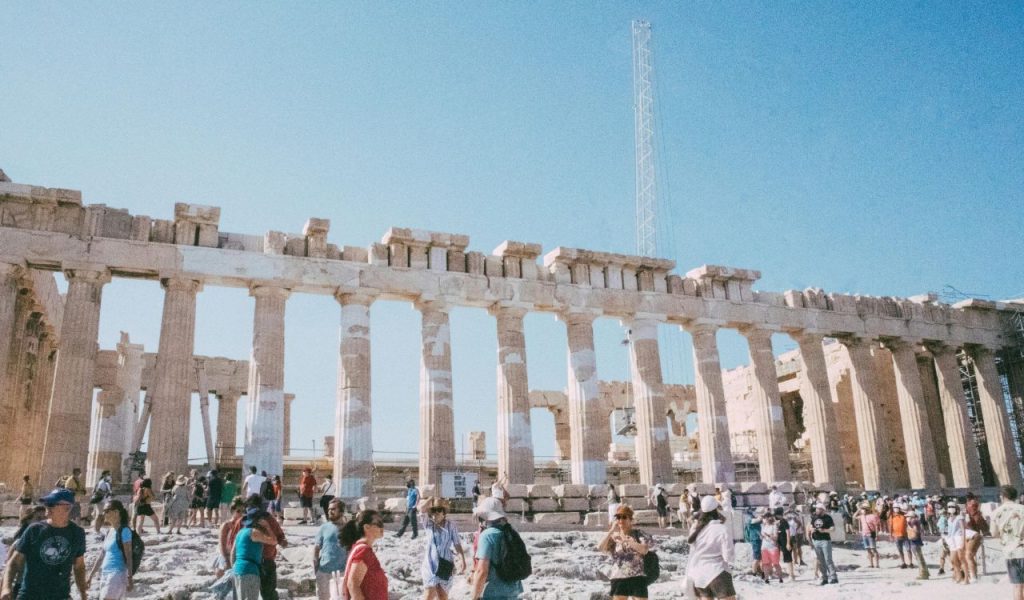
Athens stands as the cradle of Western civilization, crowned by the Acropolis and infused with millennia of history. Its sunlit ruins and vibrant street life create an atmosphere of resilience and cultural depth. However, Greece’s prolonged economic challenges have affected certain neighborhoods, and visitors may encounter areas with visible poverty, graffiti, and sporadic petty crime. Pickpocketing in crowded tourist sites and on public transportation is a recurring issue. Some districts are best avoided late at night due to higher crime levels.
8. Lisbon
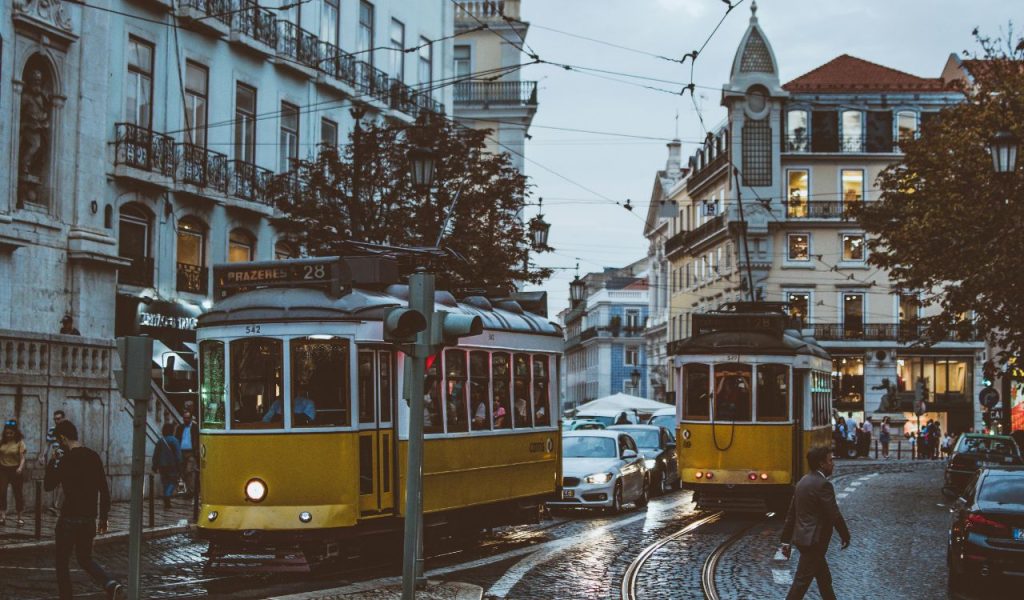
Lisbon’s pastel buildings, tram-lined hills, and Atlantic light create a sense of gentle tranquility. It feels intimate compared to larger capitals, which can foster a perception of greater safety. Yet Lisbon has experienced rising petty crime in tourist-heavy neighborhoods as visitor numbers have grown dramatically. Pickpocketing on trams and in crowded viewpoints has become more common, and certain nightlife districts can attract alcohol-fueled disturbances. While violent crime rates remain relatively low, the city’s growing popularity has introduced strains similar to those seen elsewhere in Europe.