
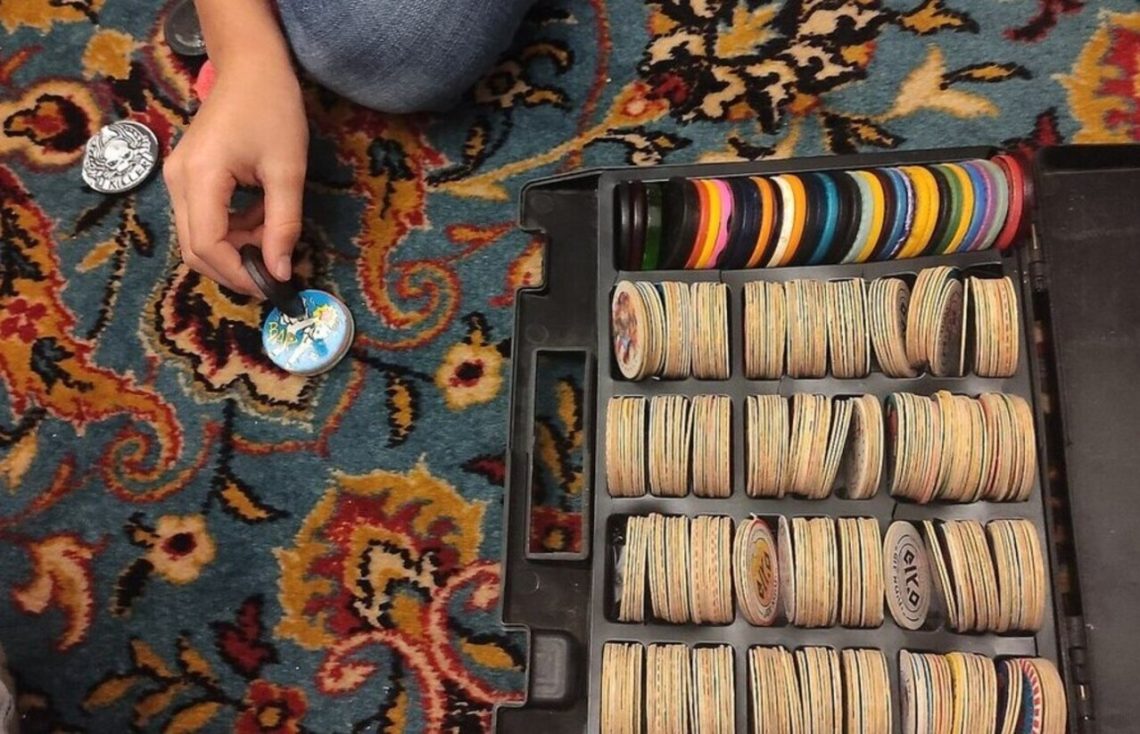
If you grew up in the 1990s, you did not just play with toys. You collected them, traded them, counted them, and showed them off like trophies. Your backpack probably held at least one prized item that felt more valuable than cash. Weekends meant digging through drawers, organizing stacks, and planning the next trade at school. These collectibles were not random trends.
What made them special was the ritual around them. You memorized rare editions, guarded limited releases, and convinced your parents that one more pack truly mattered. Some of these crazes exploded because of smart marketing. Others grew through word of mouth and playground hype. Either way, you felt the pull. Here are eight collectibles that defined your 90s childhood.
1. Pokémon Cards
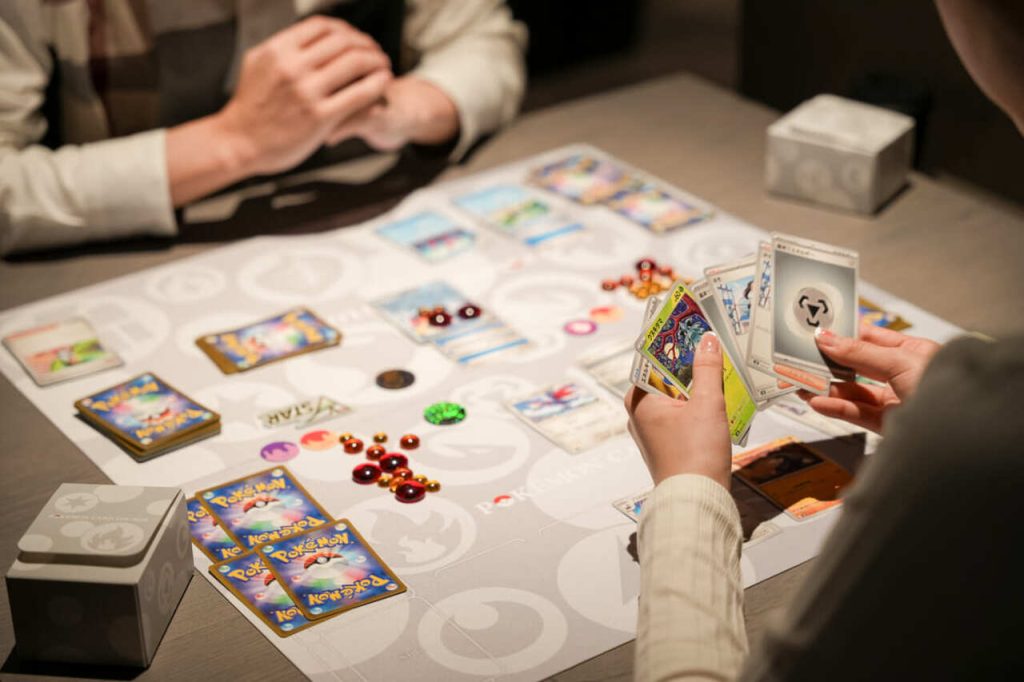
When Pokémon Red and Blue launched, the trading card game followed fast and changed school recess forever. You were not just collecting cards. You were building a deck and chasing holographic rares. According to Wizards of the Coast, early print runs sold out quickly in North America, fueling scarcity and demand.
You probably remember the thrill of pulling a shiny Charizard and the panic of keeping it scratch-free. The cards turned playgrounds into battle arenas. Rules debates were constant, but that was part of the fun. You learned strategy, negotiation, and how to protect your investments. Even a single rare card could instantly boost your playground reputation.
2. Beanie Babies
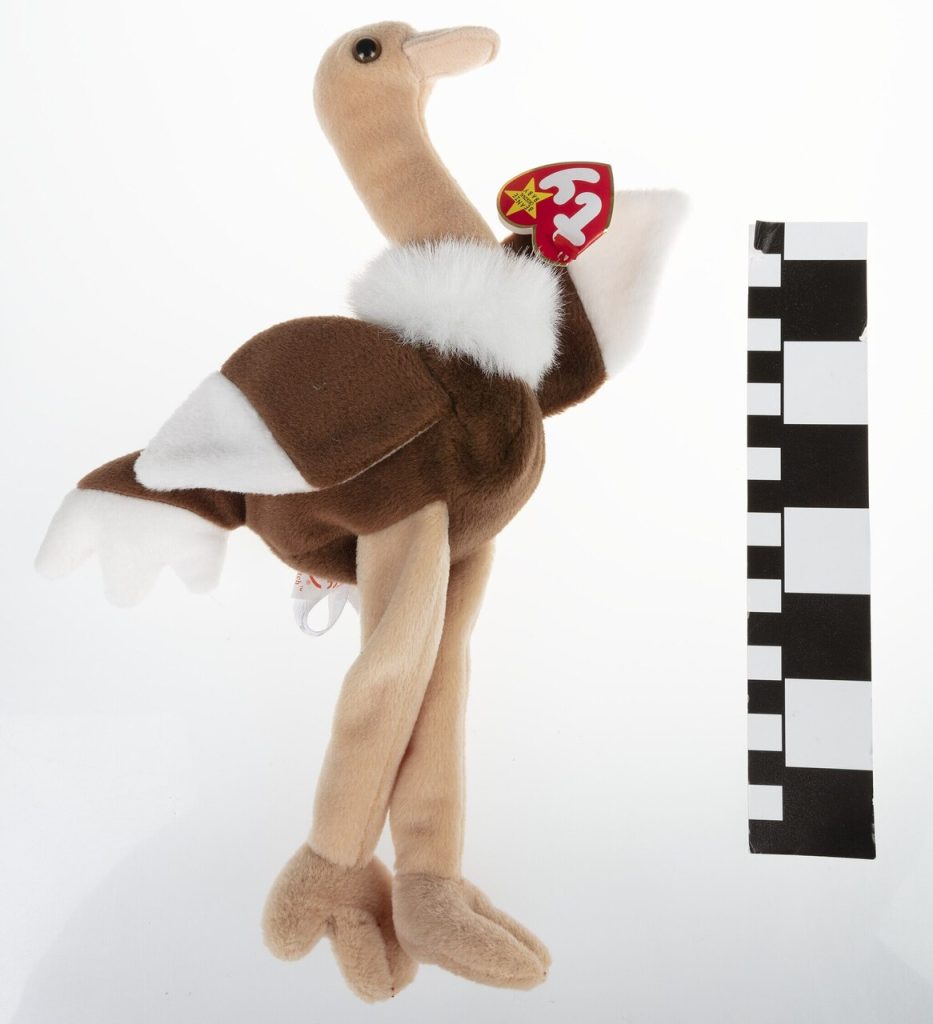
During the late 1990s, Beanie Babies turned simple plush toys into a nationwide collecting obsession. Created by Ty Inc., these small stuffed animals were released in limited batches and occasionally “retired,” meaning they would never be produced again. That strategy created urgency among collectors. Stores received small shipments, and when word spread about a new release, people rushed to buy them before they disappeared.
Collectors checked the heart-shaped tags carefully, since condition mattered. Some kids removed the tags to play with their toys, while others kept them protected inside plastic cases. Even if that dream faded, the thrill of finding a rare Beanie Baby still stands as one of the strangest collecting crazes of the decade.
3. Pogs
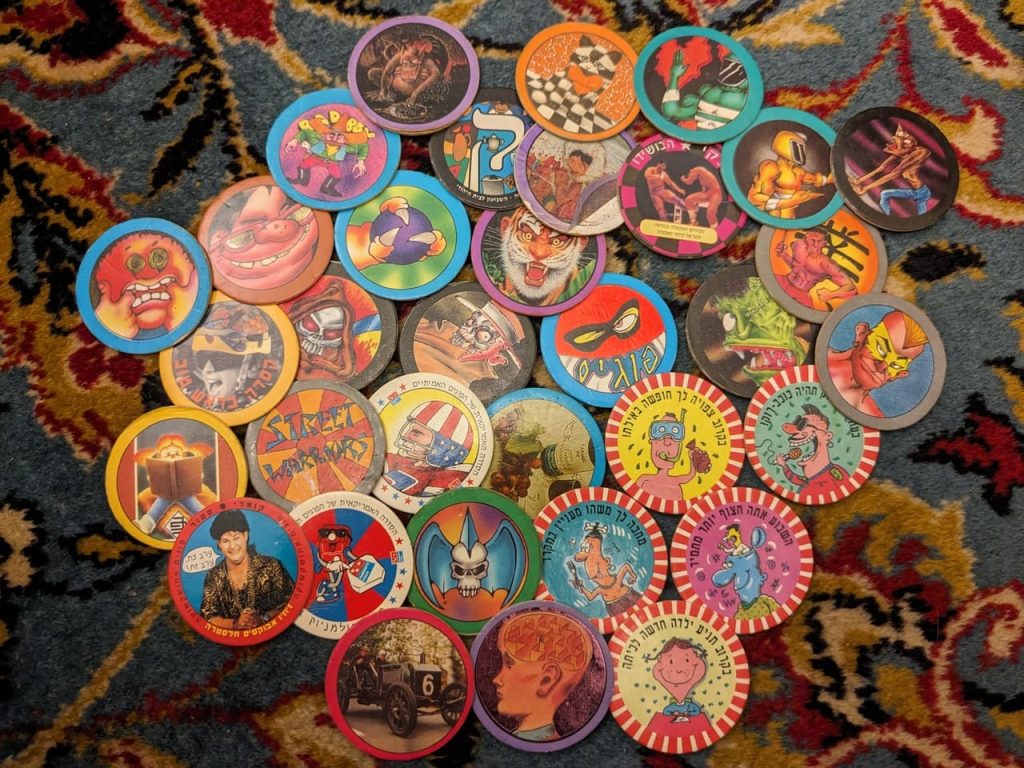
Pogs were simple cardboard discs, yet they created one of the most intense playground trends of the 1990s. The concept was easy to learn. Players stacked their discs and took turns slamming the pile with a heavier piece called a slammer. Any pog that flipped over became yours.
That basic rule made every round exciting and unpredictable. Winning meant expanding your collection immediately, while losing could empty your stack in minutes. Designs ranged from cartoons and comic characters to sports themes and limited prints. Kids carried tubes filled with their favorite discs, ready for the next match. Even so, the quick rise and sudden fall of pogs remains one of the most memorable collecting waves of the decade.
4. Tamagotchi
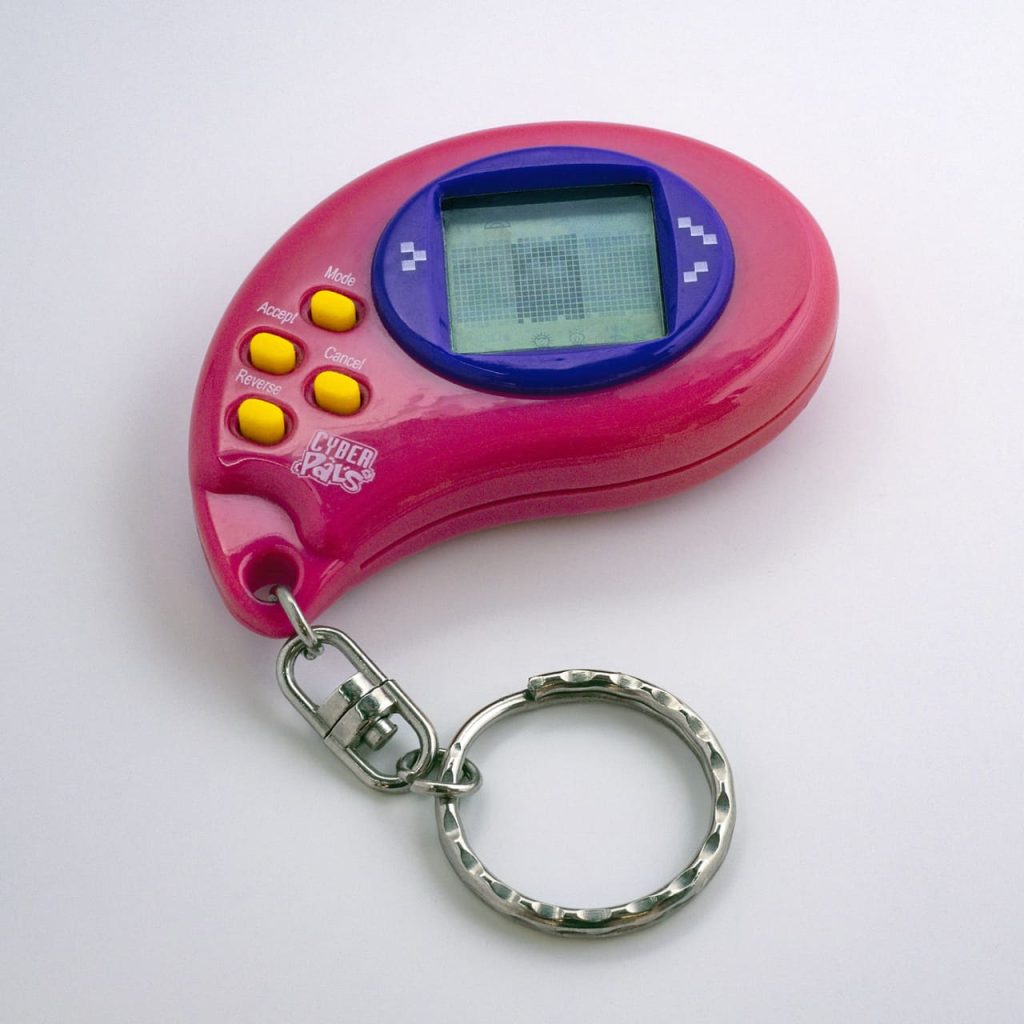
When Bandai released Tamagotchi in 1996, it introduced something unusual for the time: a tiny digital creature that depended entirely on you. The egg-shaped device clipped onto backpacks and keychains, quietly demanding attention throughout the day. You fed it, cleaned up after it, and played small games to keep it healthy.
The device quickly became a worldwide phenomenon, selling millions within its first year. Classrooms often echoed with the soft beeping of virtual pets needing care. Different shell designs and colors turned the gadgets into collectibles themselves. Long before smartphone notifications existed, Tamagotchi taught you what it felt like to constantly check on a digital companion.
5. Goosebumps Books
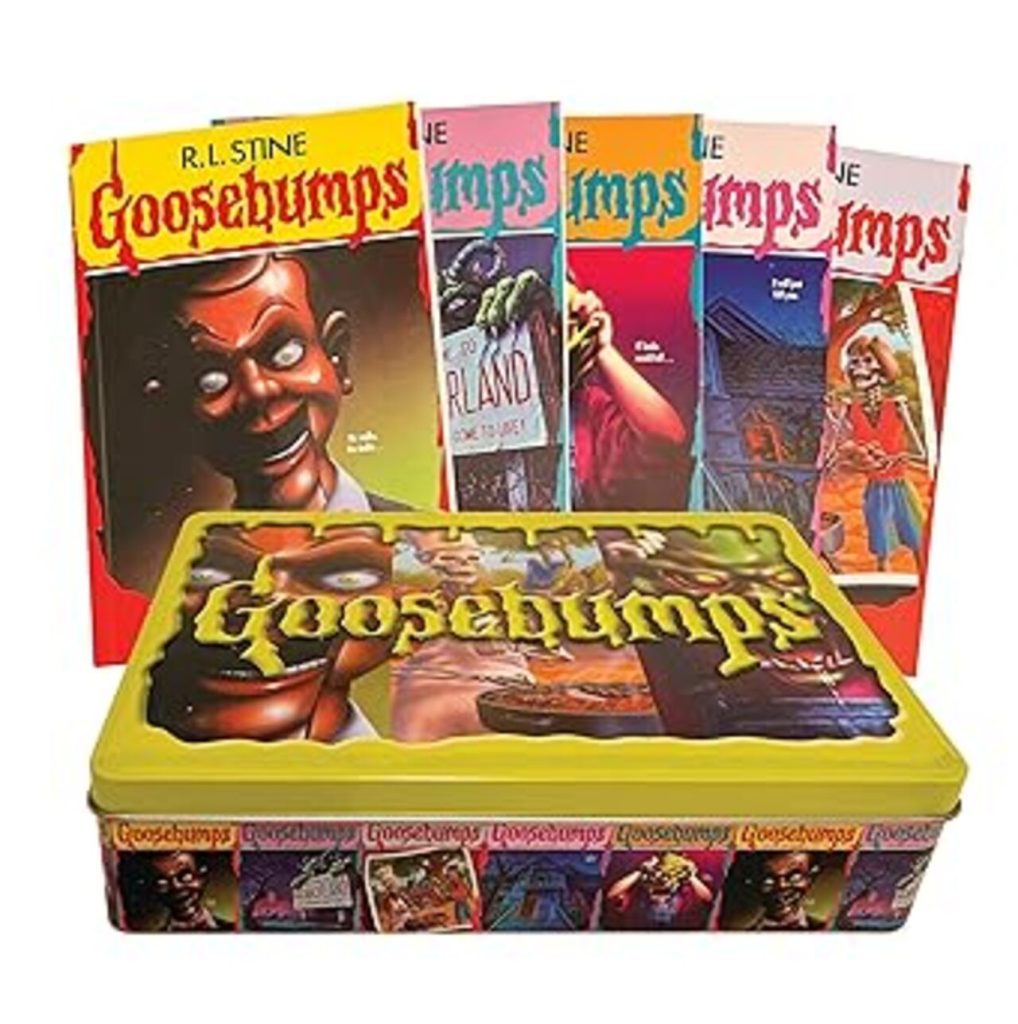
For many kids in the 1990s, collecting books became just as exciting as collecting toys. The Goosebumps series, written by R. L. Stine, transformed school libraries and bookstores into treasure hunts. Each installment featured a creepy cover, an eerie title, and a story designed to keep you turning pages late into the night. Instead of stopping at one or two titles, readers tried to gather every book in the series.
Kids proudly lined up the neon colored spines on bedroom shelves. Completing the set felt like an achievement. The stories themselves were memorable, but the growing collection became just as important.
6. NBA Trading Cards
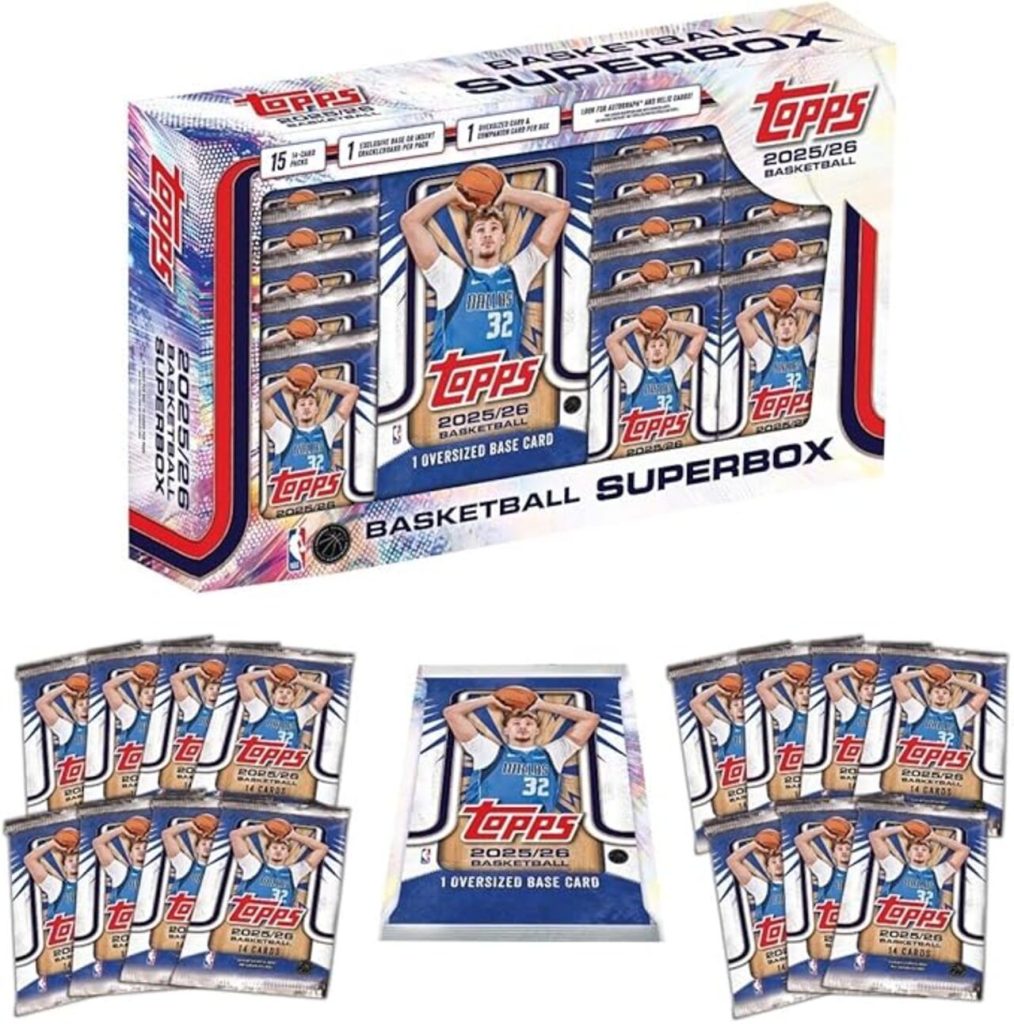
Basketball cards experienced a massive surge in popularity during the 1990s, largely driven by the dominance of Michael Jordan and the success of the Chicago Bulls. Card companies produced thousands of designs featuring star players, rookies, and special holographic editions. You opened packs hoping to discover a rare card that could become the highlight of your collection.
Serious collectors relied on price guides published by companies like Beckett Media to track card values. Kids studied these guides to learn which players were rising stars and which rookie cards might increase in worth. Card shops became popular weekend stops where collectors compared cards and negotiated trades.
7. Lisa Frank School Supplies
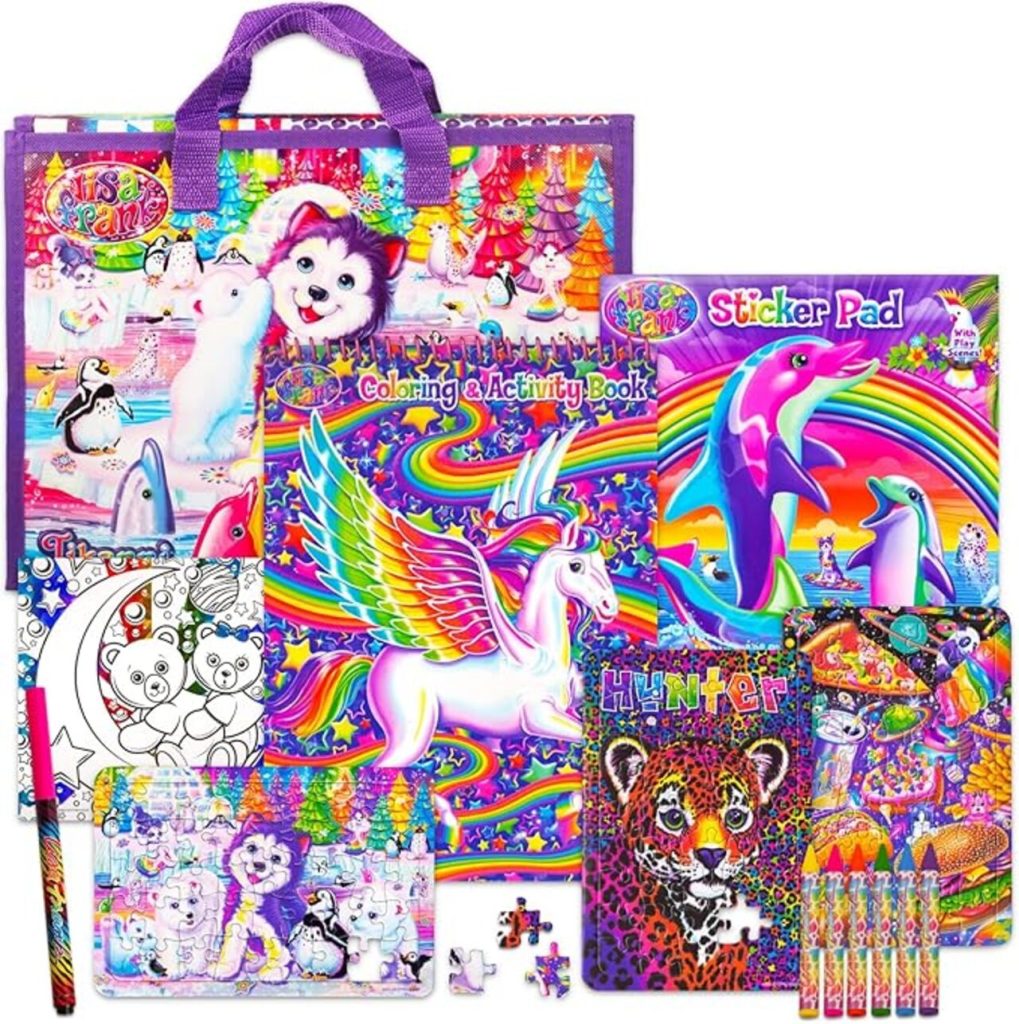
School supplies became collectibles thanks to the colorful designs produced by Lisa Frank Inc.. The brand covered notebooks, folders, pencils, and stickers with bright rainbows, unicorns, dolphins, and neon animals. Walking into class with a full matching set felt like showing off a mini art collection. Each design stood out instantly against ordinary school supplies.
Kids often traded stickers and searched stores for new prints to complete their sets. The bold color palette and playful imagery defined the visual style of the decade. Even today, those vibrant designs trigger instant nostalgia, reminding you of classroom desks, decorated folders, and the excitement of choosing new supplies before the school year began.
8. Garbage Pail Kids Cards
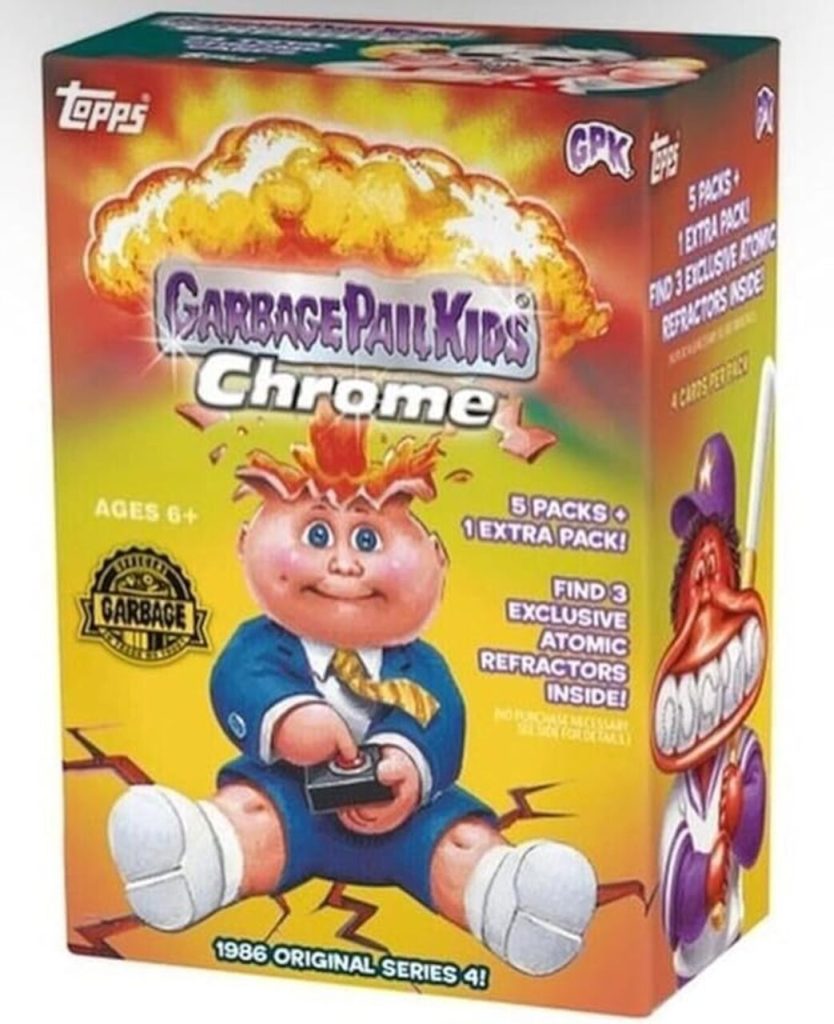
If you collected trading cards in the 90s, there is a good chance you also came across the wildly strange world of Garbage Pail Kids. Originally created by Topps in the 1980s, the cards stayed popular through the 1990s as kids kept hunting for the most outrageous designs. Each card showed a parody character with exaggerated features, messy humor, and pun-filled names.
Opening a pack felt unpredictable because you never knew what bizarre illustration you might find. Some cards became favorites simply because they were so ridiculous that everyone wanted them. Kids compared collections, traded duplicates, and argued over which designs were the funniest or the rarest.