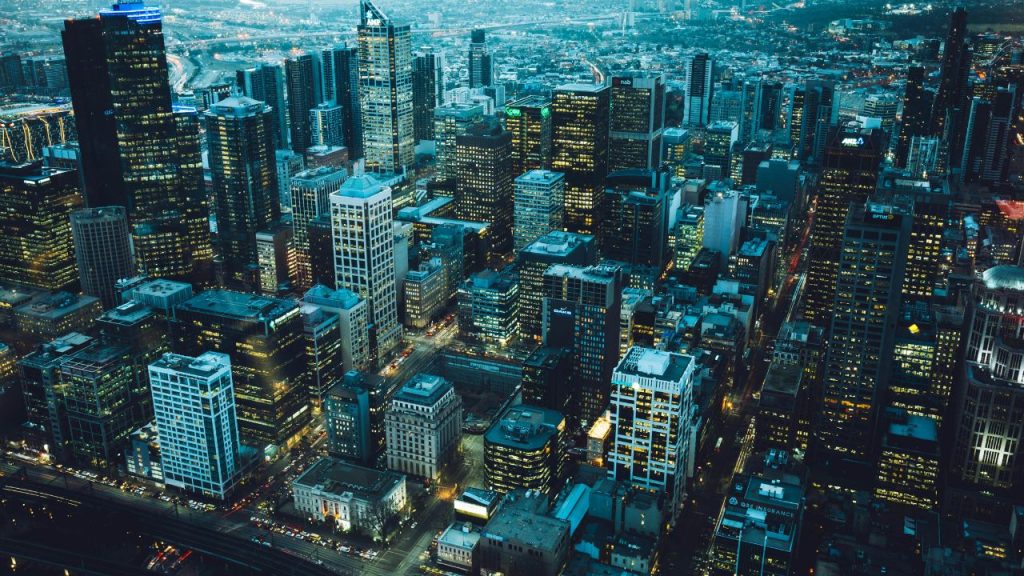
Some cities carry a kind of beauty that feels almost cinematic, drawing people in with their dazzling skylines, serene waterfronts, centuries-old structures, or seamlessly blended natural landscapes. Yet beauty alone doesn’t reveal everything. Many of these cities, despite their postcard perfection, come with complex realities that only become visible when you look beneath the initial shine. Living in a beautiful place often means accepting compromises involving cost, climate, infrastructure, population pressure, or social inequality. These trade-offs don’t diminish the magic of these destinations but rather illuminate the tension between aesthetic wonder and day-to-day challenges.
1. Venice
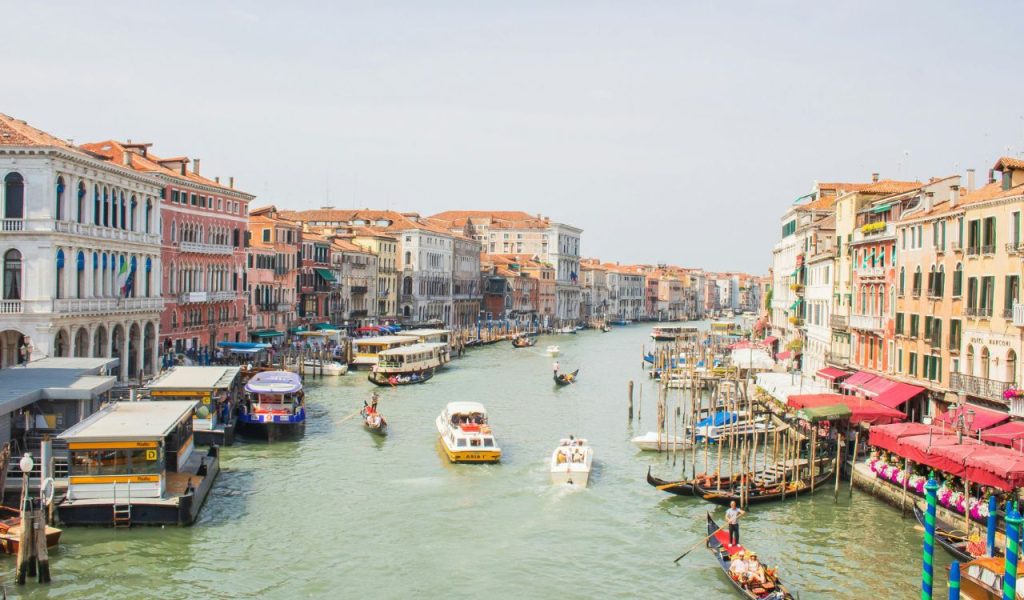
The enchanting aura of Venice is undeniable, with its labyrinth of canals, centuries-old bridges, and architecture gently reflecting in shimmering waters. Visitors often describe the city as somewhere suspended between reality and a romantic dream, where every turn reveals another picturesque alley, another hidden courtyard, another breathtaking view. However, this beauty conceals challenges that shape the everyday lives of residents. Seasonal flooding, exacerbated by rising sea levels, interrupts routines and threatens historic structures. Overtourism pushes the population downward as housing prices rise and local shops transform to serve short-term visitors instead of communities.
2. San Francisco
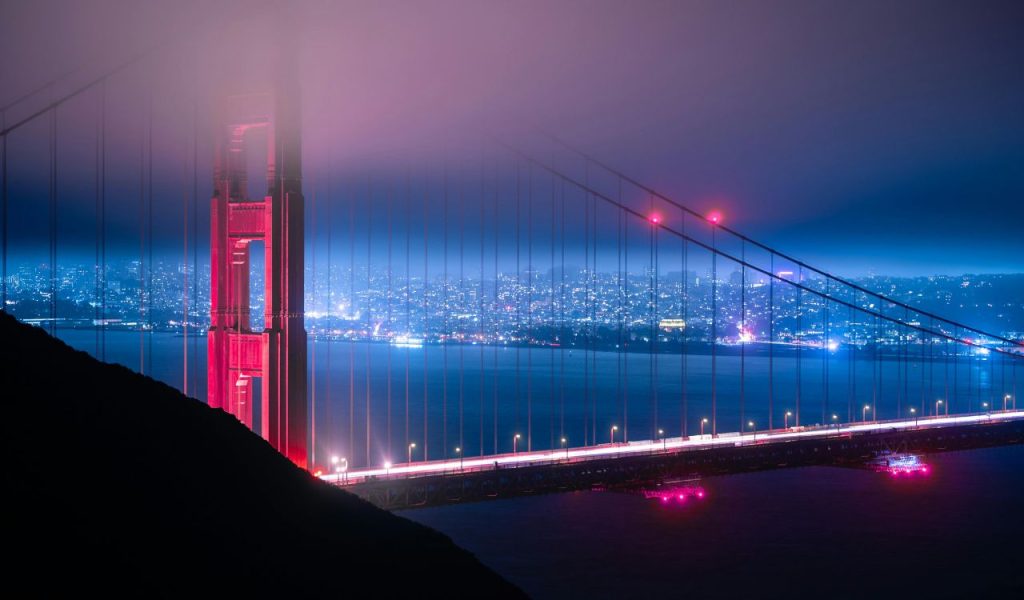
The iconic terrain of San Francisco, with its steep rolling hills, vibrant neighborhoods, and the graceful span of the Golden Gate Bridge cutting across a misty bay, creates a sense of wonder unmatched by many global cities. Its blend of innovation, diversity, and natural beauty forms an atmosphere where creativity thrives, and cultures intermingle. Yet the reality for those who live here often clashes with the city’s appealing façade. San Francisco’s astronomical housing market forces many into micro-apartments or distant suburbs with lengthy commutes. The city’s signature fog, while picturesque, frequently blankets entire districts in cold dampness that can persist for days.
3. Dubai
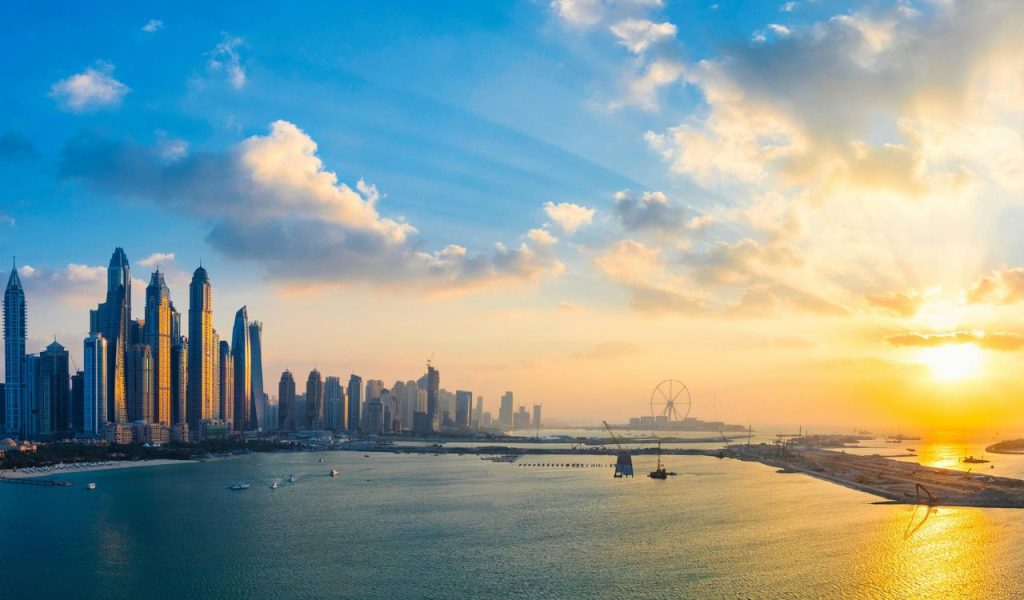
The gleaming towers and ambitious developments of Dubai form a futuristic oasis crafted from vision and wealth, rising boldly from endless desert landscapes. Its luxurious malls, lavish resorts, crystal-clear beaches, and world-record-shattering architectural feats make it a magnet for dreamers and tourists alike. But living inside this gleaming world requires adjusting to extreme environmental and societal realities. Summer temperatures become dauntingly high, often making any outdoor activity impractical without immediate access to cooling systems.
4. Rio de Janeiro
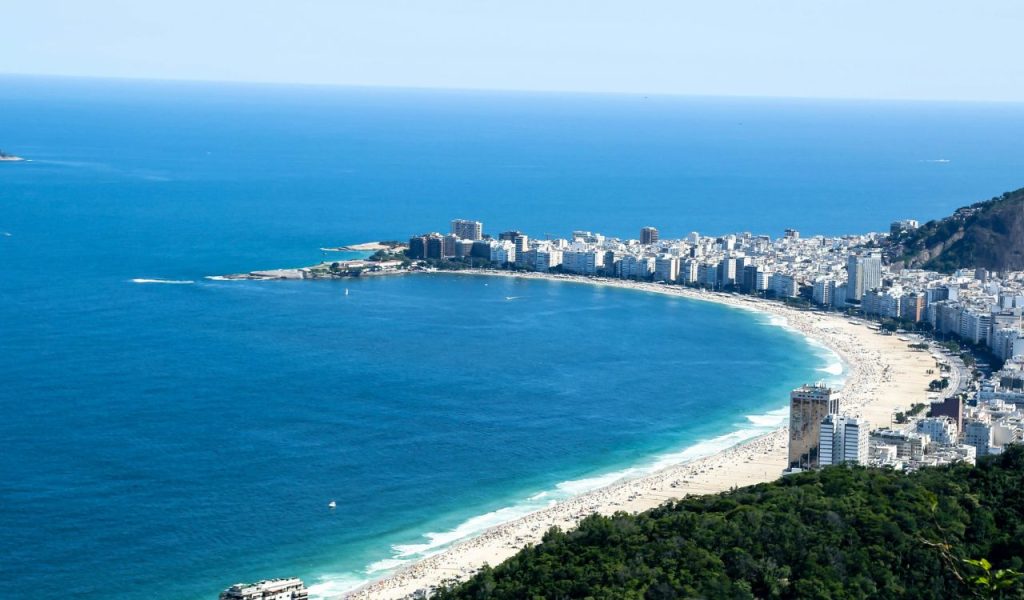
The breathtaking beauty of Rio de Janeiro is a fusion of mountain, forest, and sea, with neighborhoods curled around sweeping beaches and the iconic figure of Christ the Redeemer watching over the city. Its vibrant culture, lively music, and colorful celebrations bring an undeniable sense of joy to everyday life. Yet for residents, Rio’s charm coexists with significant societal challenges. Economic disparities create stark divisions between communities, affecting safety, education, and quality of life. Traffic congestion makes even short commutes time-consuming, while pollution and environmental pressures weigh heavily on the city’s natural spaces.
5. Kyoto
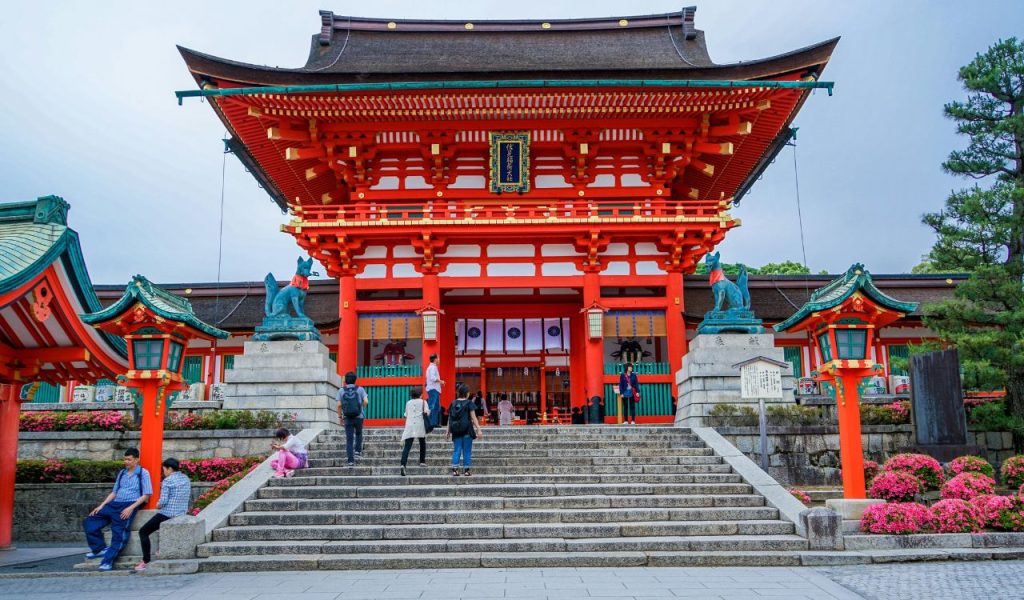
Among ancient temples, delicate gardens, and traditional wooden houses, Kyoto radiates a sense of serenity steeped in more than a thousand years of cultural heritage. It is a city where historic charm blends seamlessly with the rituals, craftsmanship, and seasonal transitions that define Japanese tradition. However, Kyoto’s calm and beauty often hide the complications brought by its global popularity. During peak seasons, narrow streets and sacred sites swell with visitors, sometimes overwhelming the quiet ambiance the city is known for. Housing prices soar as local properties are converted into accommodations catering to tourists, pushing long-term residents out of familiar neighborhoods.
6. Cape Town
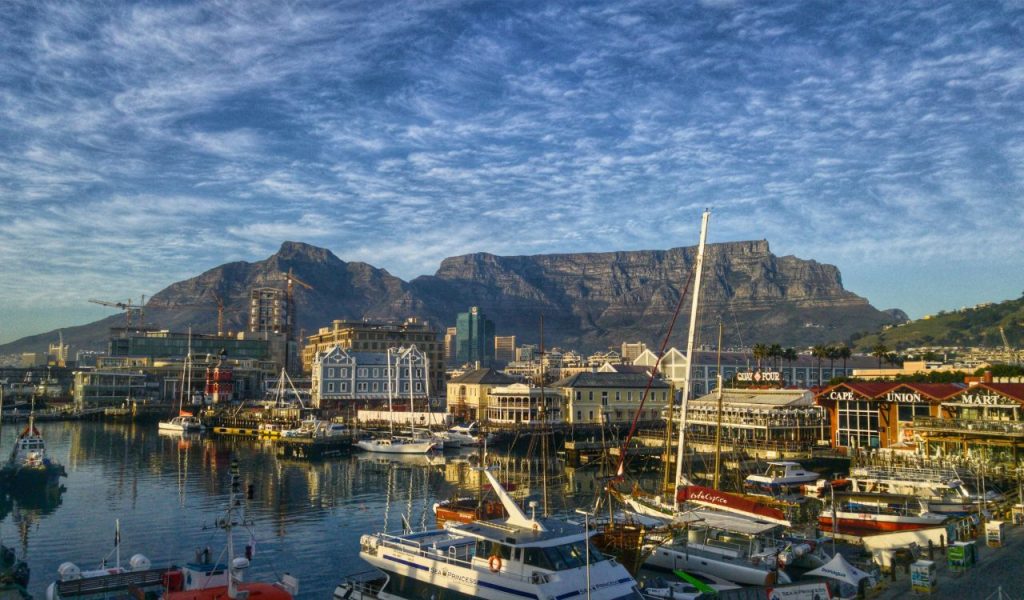
The dramatic landscapes of Cape Town, framed by the towering presence of Table Mountain and the glistening stretch of the Atlantic coastline, make it one of the most visually compelling cities on Earth. Its outdoor culture, biodiversity, and vibrant mix of communities create an environment filled with opportunities for adventure and cultural exploration. Yet beneath its postcard-perfect scenery lies a complex set of challenges. The city’s brush with the “Day Zero” water crisis exposed its vulnerability to drought and climate shifts, leading to strict conservation efforts that affected daily household habits.
7. Reykjavík
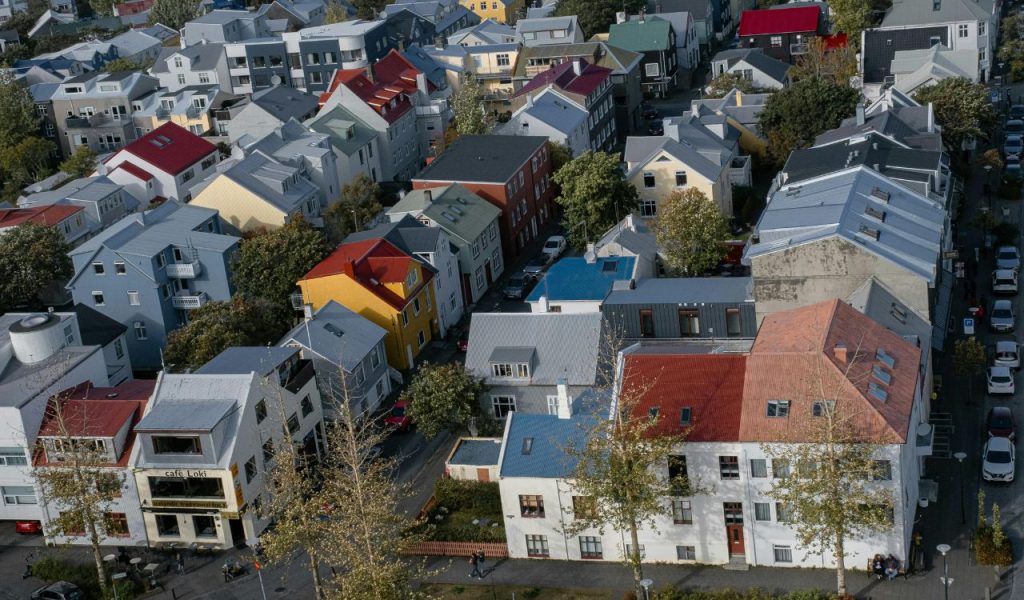
Set against volcanic landscapes and adorned with colorful homes, Reykjavík exudes a charm rooted in simplicity and nature. The city’s creative spirit, access to geothermal energy, and proximity to some of the world’s most awe-inspiring natural features give it a distinctive character that draws many seeking a peaceful life. But the calm beauty comes with intense environmental realities. Long winters bring extensive darkness, which can weigh heavily on mental well-being, and bitter cold that challenges even the most prepared residents. Its remote location contributes to high prices for food, housing, and imported goods, while tourism fluctuations create instability in service-based sectors.
8. Sydney
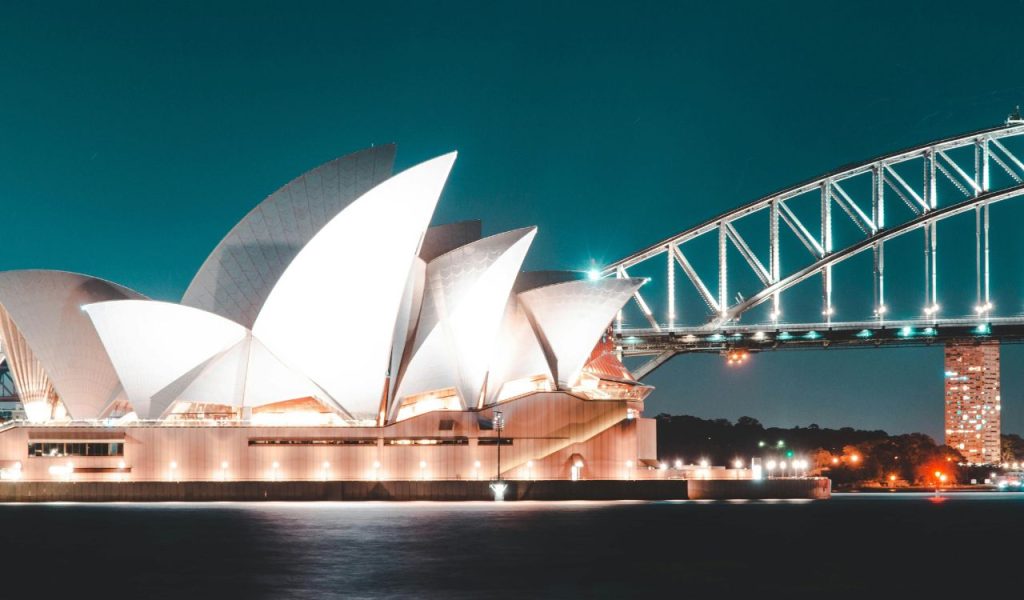
Bright shores, an iconic harbor, and architectural masterpieces like the Sydney Opera House shape the radiant identity of Sydney. The city thrives on an outdoor-oriented lifestyle filled with beaches, parks, markets, and coastal walks that make it one of the world’s most desirable places to visit or live. Yet the daily realities behind this sunshine-glazed surface reveal challenges that are difficult to overlook. Housing prices rank among the most expensive globally, pushing many to relocate far from the city and endure lengthy commutes. Intense UV exposure demands constant sun protection.