Your home is more than a place you live; it’s a quiet mirror of what’s happening inside you. Without realizing it, your energy, stress levels, routines, and emotional needs show up in your rooms, your surfaces, and even your light choices. This isn’t about judging your space or chasing perfection. It’s about noticing patterns with compassion and making small shifts that support you. When you read these signs clearly, your home becomes less of a burden and more of a reset button. And it can gently guide you back to calm. Start with one corner; your space will start feeling lighter each day, too.
1 Drop Zone Stress Landing Spot
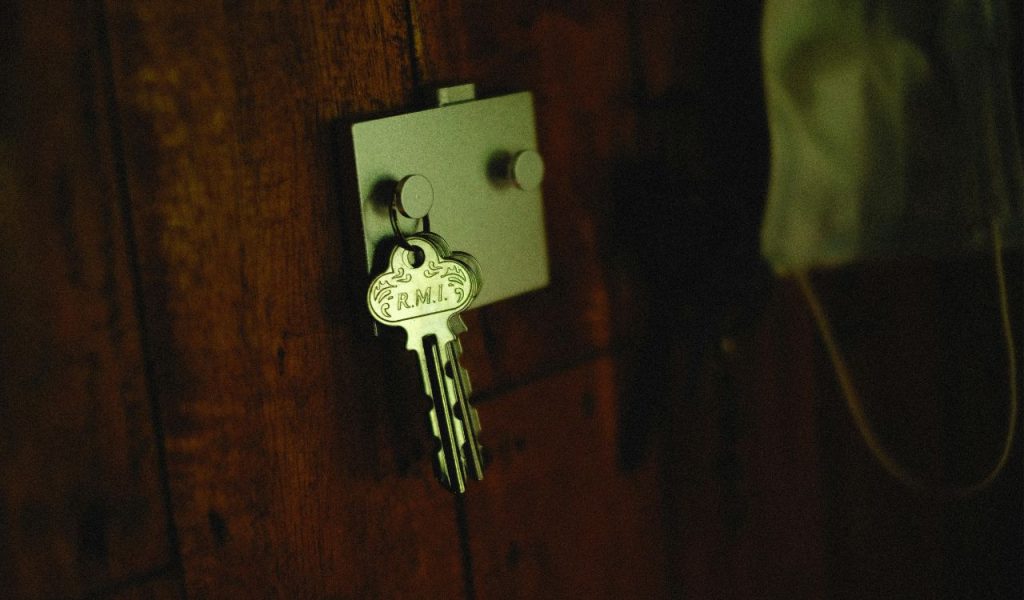
If keys, bags, mail, and random items always collect in one place, your nervous system is choosing the quickest “done” button. That pile usually means you’re arriving home mentally overloaded, not messy. Create a gentle landing with one hook, one tray, and one basket. Add a small outbox for papers you will handle weekly. The goal is not perfection, just a reset spot that tells your brain, “You are safe to exhale.” If it overflows, treat it as a signal to slow down, not a reason to judge yourself. Try a 30-second arrival ritual: hang the keys, toss junk mail, and put one thing away. Breathe.
2 Clutter Decision Fatigue
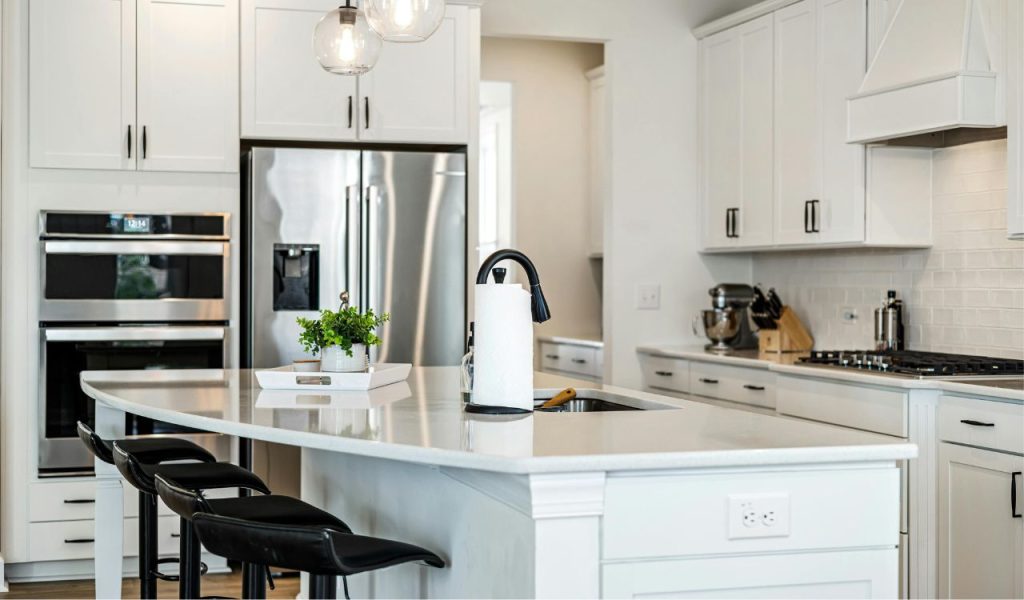
Clutter often appears when your mind is tired of choosing. When every item needs a decision like keep, toss, file, or clean, your brain pauses, and things stay out. This is not laziness; it is decision fatigue made visible. Try a one-surface reset: set a 10-minute timer and clear only one counter or table. If sorting feels hard, use two bins labeled Put Away and Not Sure, then review weekly. Start with trash and dishes first, because quick wins rebuild calm, control, and motivation. Finish by wiping the surface and leaving it mostly empty. A clearer spot gives your mind room to breathe tomorrow
3 Bedroom Rest Quality
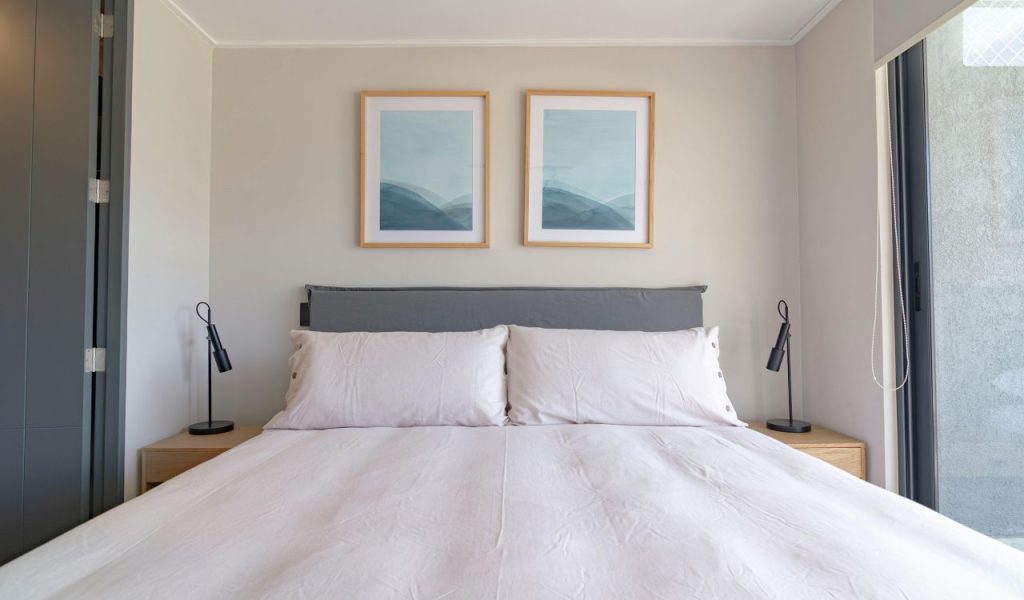
A restless bedroom often mirrors restless sleep. Bright lights, visible piles, and work items near the bed keep your body alert. Your room should invite recovery. Start small: make the bed, clear one bedside surface, and use a warm lamp instead of harsh overhead light. Move bills, laptops, and laundry out of sight. Add one calming cue, like clean sheets or a soft scent. Keep the bed for sleep and reading only. When the space stays consistent, your brain learns that this room means slow breathing and real rest. If you wake up tense, lower the noise with curtains or a fan and dim screens early now.
4 Fridge Pantry Support Level
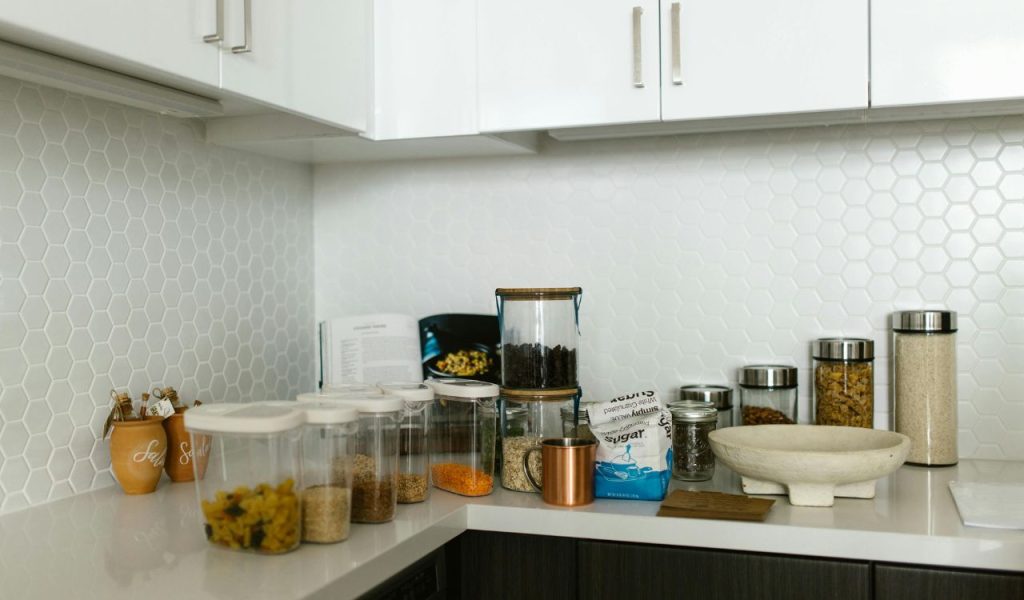
An empty fridge can reflect burnout because feeding yourself feels like another task. An overflowing pantry can reflect anxiety because stocking up becomes a comfort. Both are common. Create a minimum care shelf with simple defaults: eggs, yogurt, frozen vegetables, rice, canned soup, fruit, and nuts. Keep the easiest options at eye level. Choose one low-effort meal for hard days so your home supports you. Once a week, restock three staples and clear expired items to reduce stress. If cooking feels hard, keep two grab-and-go choices ready, like soup and crackers or yogurt and fruit, so you can eat now.
5 Unfinished Projects Overwhelm or Perfectionism
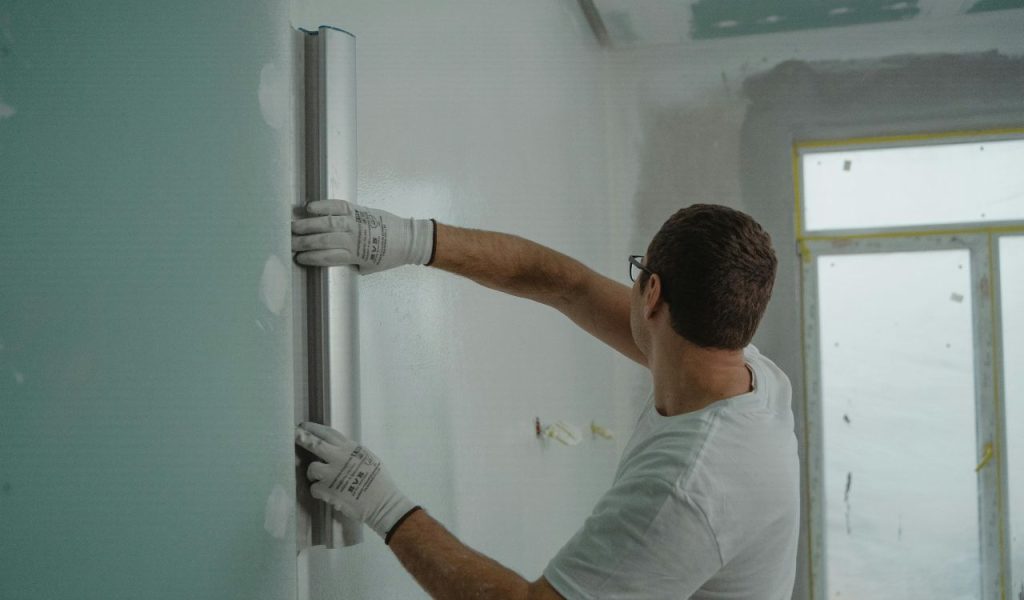
Half-done DIY, a closet mid-sort, or a repair you keep postponing often signals you want change, but your capacity is limited, or your standards are too high. Unfinished tasks drain attention every time you see them. Pick one project and finish it at a good enough level. Define the smallest finish line: donate one bag, tighten one screw, paint one wall. If you cannot finish today, box it, label it, and schedule one next step. Completion builds self-trust and lowers mental noise. One completed corner lifts mood and frees energy for what matters most. Little progress is still progress; celebrate it today.
6 Bare Spaces Survival Mode
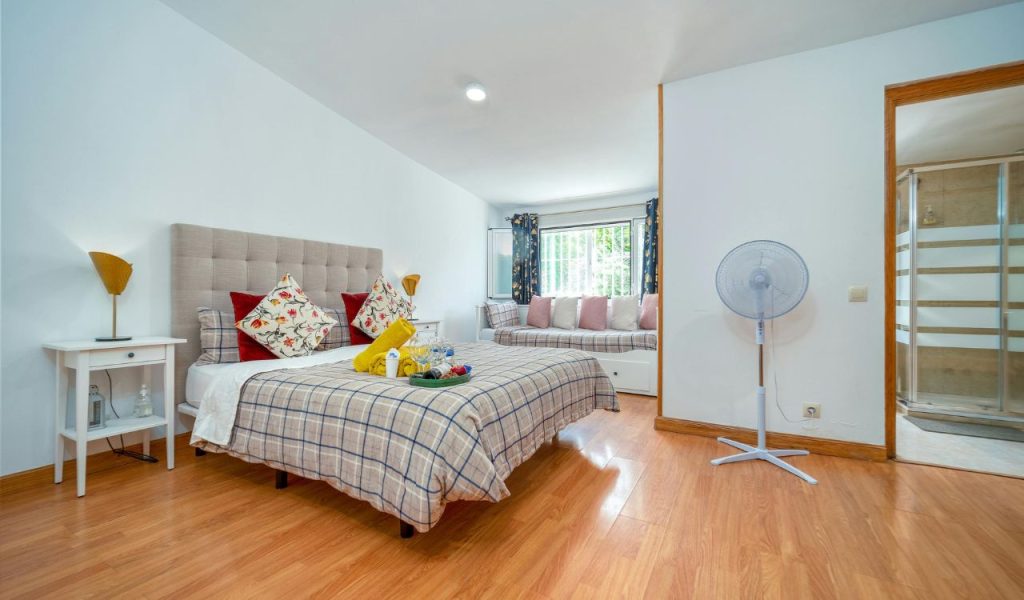
When a room feels blank, temporary, or impersonal, it can reflect survival mode. Your inner message may be “do not get too comfortable” or “I will decorate when life settles.” That later can take years. You do not need a makeover. Add one personal anchor that proves you belong here: a framed photo, meaningful object, plant, or artwork you love. Add one comfort layer like a soft throw, warm lamp, or simple curtain. These touches are not just style; they calm the nervous system. Start with one corner and let it feel lived in, safe, and yours today. Even a small candle or scent can help.
7 Light and Air Emotional Openness
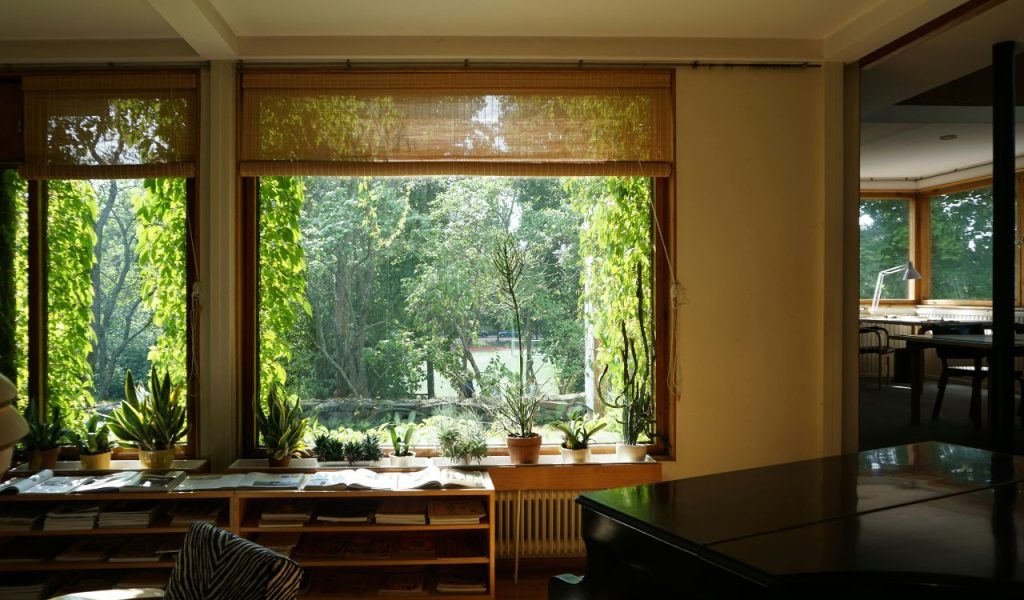
Closed curtains, dim rooms, and stale air can mirror low energy or a need to feel protected. Fresh air and daylight often support clarity and motivation. Try a gentle daily cue: open one curtain or window for five minutes each morning. Pair it with a tiny action like drinking water or wiping one surface. If bright light feels intense, start with sheer curtains or a lamp on a timer. You are not forcing cheer; you are creating movement. Small repeats matter more than big cleanups, and they shift the tone of the whole home. In the evening, crack a window again for two minutes and breathe slowly.