

You know that creeping feeling when you look at your to‑do list, and all you see are chores, errands, and repetitive duties? The thing is, those tasks aren’t just noise you have to get through. If you shift how you approach them, they can actually ground you, clear mental space, and even boost your mood.
Here’s what this really means: everyday chores like folding laundry, washing dishes, or walking to the store are opportunities. Researchers have found that when your brain is on autopilot during simple tasks, it can wander in ways that spark creative problem‑solving and fresh ideas. Let’s break down ideas you can start using today to turn routine into something unexpectedly good.
1. Reframe chores as mindful moments

Instead of rushing through chores, you can use them as opportunities to practice mindfulness. Focus on the texture, temperature, and rhythm of each movement, whether it’s washing dishes, sweeping, or folding laundry. Paying attention to these details anchors you in the present and prevents your mind from spiraling into stress or worry.
Research shows that being mindful during everyday tasks reduces anxiety, increases satisfaction, and helps you feel more in control of your day. By intentionally slowing down, you turn ordinary activities into moments that refresh your mental state and cultivate calm without adding extra time to your schedule.
2. Use simple routines to free up mental energy

Establishing consistent routines for recurring tasks means you don’t have to make repeated decisions about what to do next. Your brain saves energy when it knows the sequence and timing of chores, errands, or personal responsibilities. This reduction in decision fatigue frees up mental bandwidth for more meaningful activities.
Predictable schedules also give you a sense of control over your day, which reduces stress and increases focus. Over time, routines become autopilot pathways that allow creativity, problem-solving, and productivity to flourish while still getting essential tasks completed efficiently.
3. Let your mind wander on autopilot

When a task is simple enough to require minimal conscious effort, your mind naturally drifts. This wandering can unlock creative solutions and new perspectives you might not encounter during focused work. Walking, washing dishes, or folding clothes can become fertile ground for innovative ideas.
Psychologists suggest that allowing your mind to wander while doing repetitive chores supports problem-solving and mental flexibility. Instead of fighting boredom, you can harness it as a tool to incubate new thoughts, making mundane tasks unexpectedly productive and mentally stimulating. You might even find that ideas you’ve been stuck on suddenly click when your hands are busy, but your mind is free.
4. Add small pleasures to routine tasks

Turning a routine task into something enjoyable is simpler than you think. Play music, listen to a podcast, or reward yourself with a favorite snack while working. By pairing chores with small pleasures, you create positive associations and make the task feel less like an obligation and more like a choice.
This approach not only lifts your mood but also motivates consistency. When you anticipate something enjoyable, even minor tasks feel lighter, and completing them leaves you with a sense of accomplishment and satisfaction that extends beyond the task itself. Over time, these little moments of enjoyment can transform your daily routines into something you genuinely look forward to.
5. Build mini‑rituals

You can transform routine tasks into intentional rituals by setting a small purpose before you start. Take a deep breath, think about why the task matters, and focus on the sensory experience. Ending each task with a moment of gratitude or reflection enhances your emotional connection to everyday activities.
Rituals give structure and meaning to otherwise mundane work, turning it into an opportunity for personal growth. By approaching chores with intention, you replace the feeling of obligation with one of choice and agency, which boosts both motivation and well-being over time. Even a brief pause to acknowledge your effort can make the task feel more rewarding and memorable.
6. Use chores to boost your health

Physical activity doesn’t always have to be a structured workout. Tasks like sweeping, vacuuming, or gardening can count as moderate movement that supports cardiovascular health and builds strength. Regular movement during chores keeps your body active without requiring extra gym time.
Additionally, a clean and organized space can reduce stress and promote mental clarity. Studies show that engaging in light physical activity while completing tasks improves both your mood and energy levels. Turning chores into movement enhances your health while accomplishing essential daily goals. Over time, these small bursts of activity can add up, contributing to overall fitness and a greater sense of well-being.
7. Batch similar tasks to save time and focus
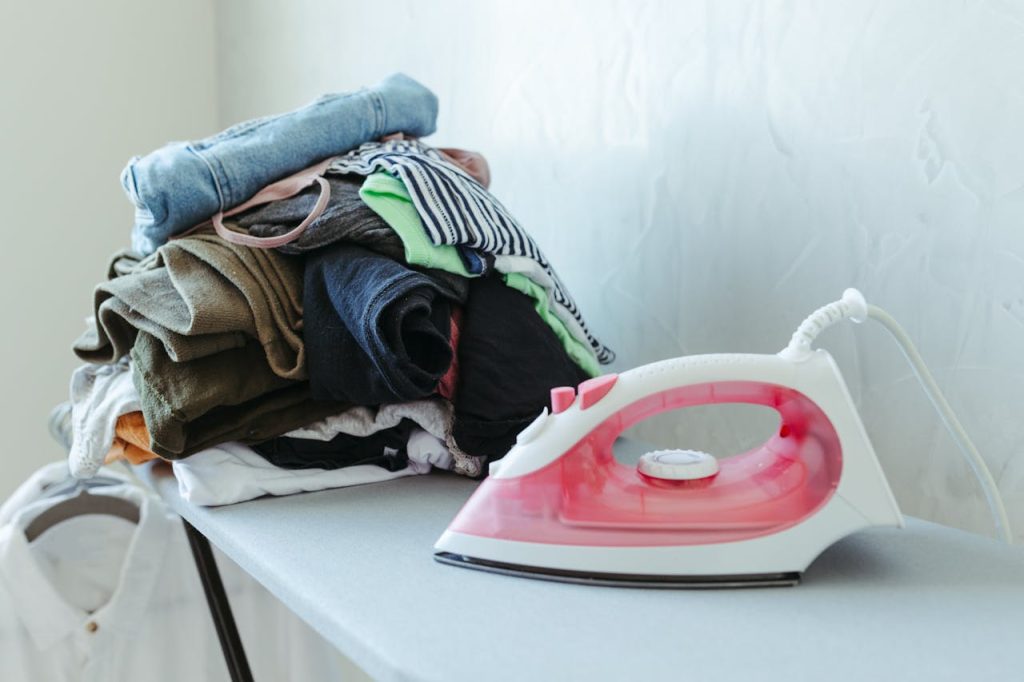
Grouping similar chores together, like tackling all laundry at once or running multiple errands in a single trip, minimizes the mental cost of switching between unrelated tasks. This batching strategy helps maintain momentum and reduces interruptions, making your workflow more efficient.
When you handle tasks in clusters, you spend less energy refocusing and more energy completing work effectively. Experts in productivity note that batching frees up mental space, allowing you to stay present and engaged while also finishing routine responsibilities faster and with less stress. It can also give you a satisfying sense of progress, as you check off multiple related tasks in one focused effort.