


Friendships before group chats thrived through slower rhythms, deeper patience, and more intentional communication than what we see today. Instead of constant notifications or instant updates, people nurtured their relationships by showing up, making thoughtful efforts, and trusting one another to follow through on plans without the digital reminders we now depend on. These connections were shaped by genuine presence rather than convenience, so the anticipation before meeting, the commitment involved in keeping promises, and the creativity embedded in every method of staying in touch all combined to create friendships that felt more grounded and emotionally layered.
1. Landline

Before the era of group chats, the landline phone was the heartbeat of friendship communication, and using it required both strategy and courage. Calling a friend meant taking the risk of encountering their parents first, hoping the person you wanted to talk to was available, and preparing for the possibility that the conversation might be cut short because someone at home needed the phone. The long telephone cord often became a lifeline as you stretched it around corners, down hallways, or into closets to steal moments of privacy. Every ring carried anticipation, every conversation held intention, and every hour spent talking felt like a dedicated investment in someone you cared about.
2. Meetups

Making plans before group chats meant relying on trust, punctuality, and a shared sense of responsibility. Friends would agree on a time and a place after school under a specific tree, near a neighborhood store, or at the corner of a familiar street, and those simple arrangements were enough. There were no constant updates or frantic messages asking where everyone was. Instead, people showed up because reliability was an essential part of friendship. Waiting a little longer for someone wasn’t seen as an inconvenience but as a normal part of life, and the moments spent anticipating a friend’s arrival often added to the excitement of seeing them.
3. Notes

Passing notes was a pre-digital art form and a secret language of friendship that created a bond far deeper than any quick message sent today. Each note was a handcrafted piece of communication: folded with precision, adorned with doodles, and written with emotional honesty or mischievous excitement. Delivering a note involved timing, secrecy, and trust, as it had to travel through several hands without being intercepted by teachers or curious classmates. The thrill of receiving one quietly slipping it into your desk or unfolding it during a risky moment made even an ordinary school day feel exciting. These notes carried jokes, confessions, questions, and dreams, turning fleeting moments into lasting memories.
4. Mixtapes
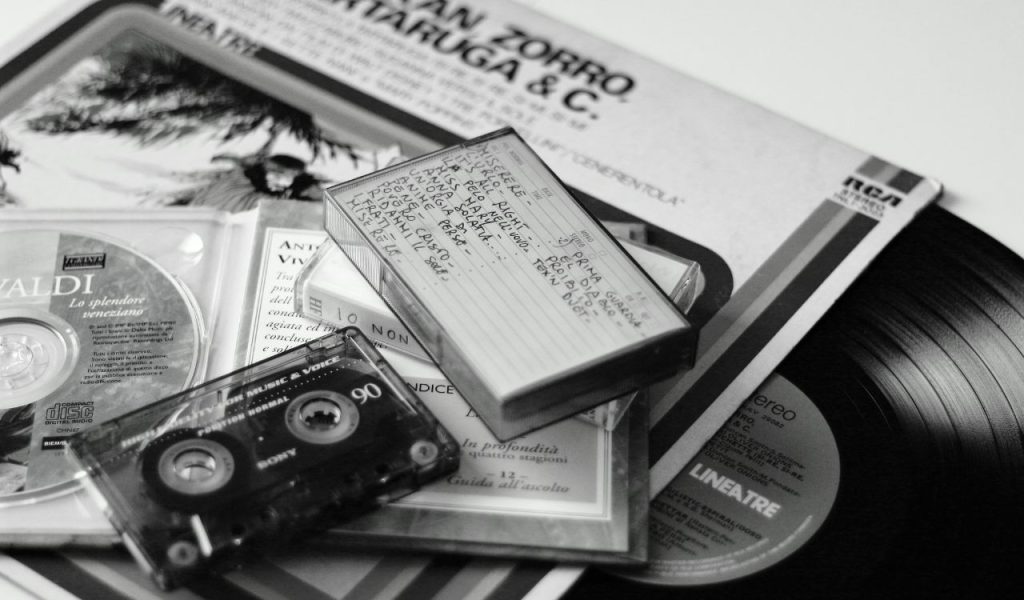
Creating and exchanging mixtapes or burned CDs was one of the most expressive and heartfelt ways friends communicated before digital playlists made sharing music effortless. Curating a mixtape took time choosing songs that reflected emotions, memories, or inside jokes, arranging them in the perfect order, recording them without mistakes, and sometimes starting over because the timing wasn’t right. Decorating the cover with handwritten labels or drawings added a personal touch that reflected how much thought went into the gift. Receiving a mixtape felt like being handed a piece of someone’s emotional world, a soundtrack crafted just for you.
5. Drop-ins

Friendships once thrived through spontaneous visits, where friends simply walked over to one another’s homes and knocked on the door without scheduling or worrying about intruding. These drop-ins created a sense of familiarity and warmth because they removed the pressure of planning and allowed friendships to unfold naturally. When a friend appeared at your doorstep with a casual “Want to hang out?”, the answer was often yes, leading to hours of shared time filled with conversation, games, or nothing in particular. Households grew used to the presence of friends coming and going, and parents often became part of the background soundtrack of these interactions.
6. Moments

Inside jokes and shared humor began with real experiences instead of memes or rapid-fire messages. Before group chats spread jokes in seconds, laughter was built from moments lived together, misunderstandings that turned funny, daring mistakes, dramatic retellings, and spontaneous bursts of silliness that happened long afternoons or late-night hangouts. These moments were remembered, repeated, and reshaped over time until they became part of a friendship’s identity. Only the people who lived those experiences could understand their significance, giving the jokes a sense of exclusivity rooted not in privacy settings but in shared history.
7. Letters
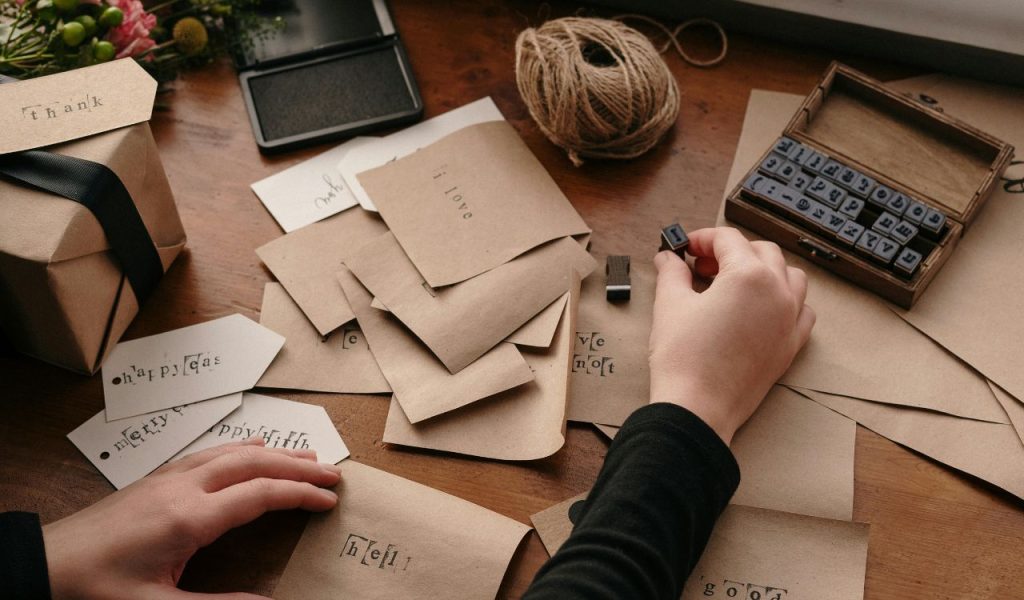
Handwritten letters brought a level of depth and authenticity to friendships that digital communication rarely captures. Writing a letter meant slowing down, choosing words with intention, and expressing thoughts in fuller, more reflective ways. Friends decorated envelopes, added stickers or drawings, and sometimes included small keepsakes that turned each letter into a piece of art. Sending and receiving mail created anticipation, waiting days or even weeks for a reply, checking the mailbox with hope, and feeling a surge of joy when an envelope finally arrived. Reading a friend’s handwriting made the communication feel personal and tangible, and many people saved these letters for years, returning to them during moments of nostalgia or emotional reflection.