
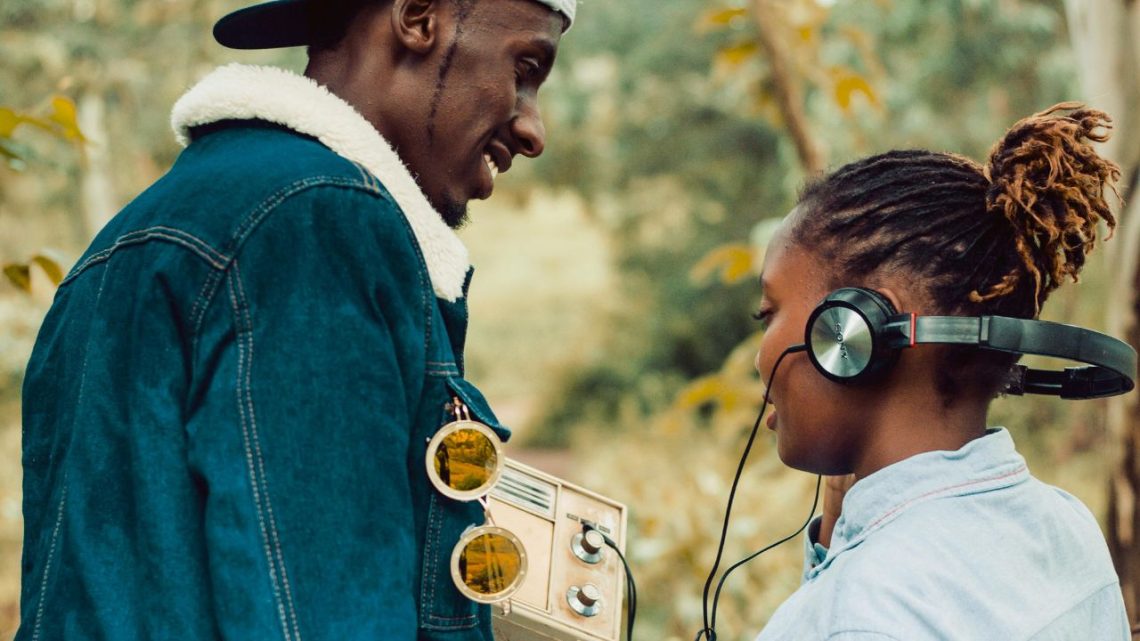
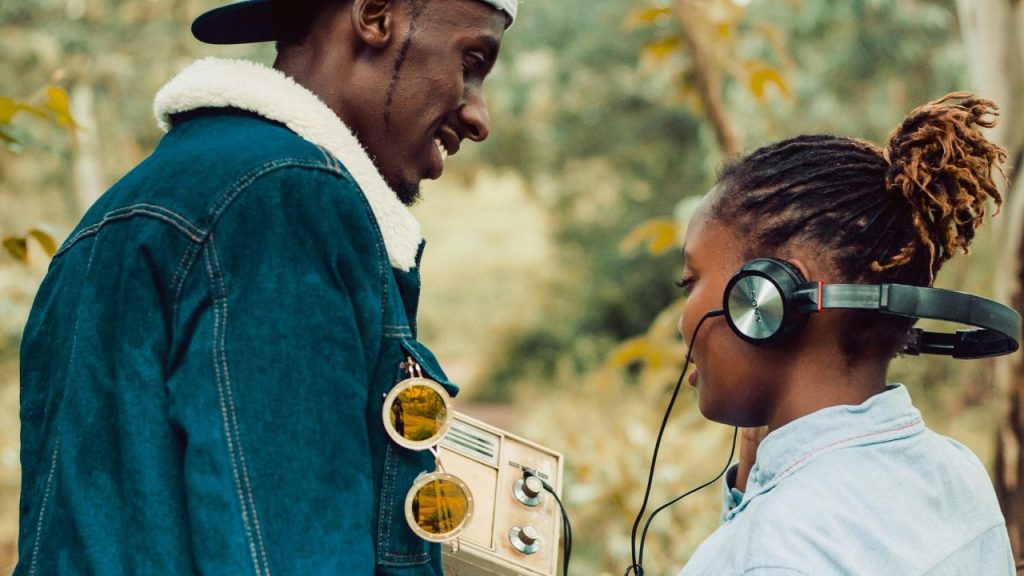
Friendships in the 90s carried a rhythm that today’s hyper-connected world rarely replicates. Life moved more slowly, communication required intention, and relationships were shaped by long stretches of presence rather than constant pings. The absence of instant messaging meant that you often had time to miss someone before you heard from them again, creating a kind of emotional spacing that gave friendships a deeply rooted feel. People learned to appreciate anticipation, to sit with unanswered questions, and to navigate uncertainty without assuming the worst. Many of the norms today, instant replies, digital proximity, and constant access, simply didn’t exist back then, and this absence shaped friendships differently.
1. Reachability

In the 90s, reachability was a limitation that everyone accepted, and this acceptance shaped how friendships functioned on a daily basis. If your friend wasn’t home, the conversation simply didn’t happen until they were. You might leave a message on an answering machine, but even then, there was no guarantee of when or if they would check it. This lack of immediate access created a natural buffer in communication, a kind of respectful distance that allowed people to live their days without feeling obligated to respond in real time. There were no read receipts, no typing dots, no anxiety about why someone hadn’t replied. Instead, you learned to trust that you would reconnect when the moment aligned.
2. Plans

Making plans in the 90s required reliability and commitment. When someone agreed to meet at a certain place and time, that agreement carried weight because there was no easy way to renegotiate on the fly. You couldn’t send a quick text saying you were running late, and you definitely couldn’t drop a location pin to show where you were. If you were late, your friends either waited or wandered around looking for you, trusting that you would appear. This cultivated a sense of responsibility that shaped friendships in subtle but lasting ways. People made plans thoughtfully, knowing they had to stick to them.
3. OfflineTime
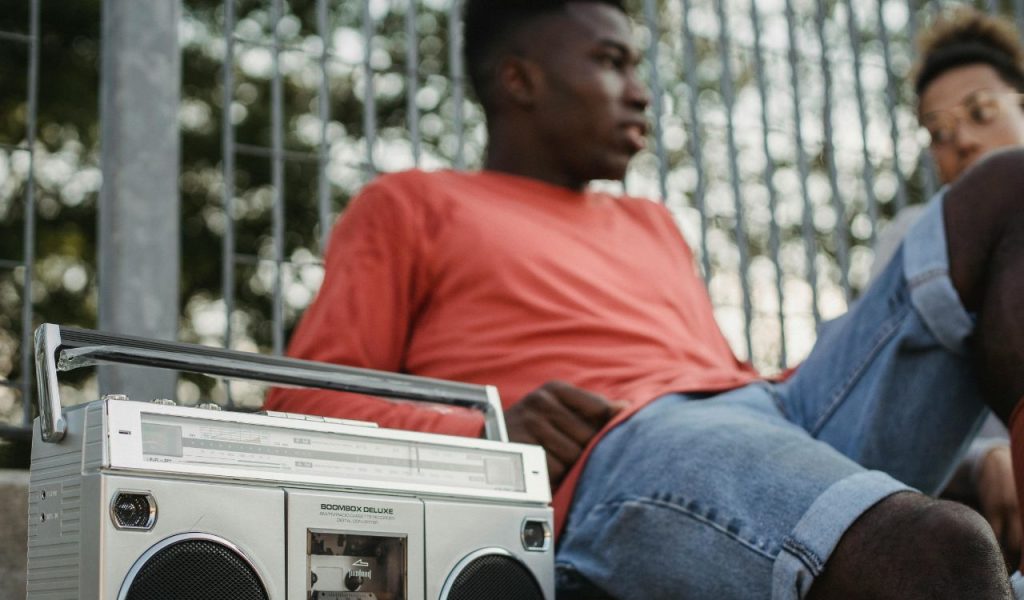
Hanging out in the 90s was a fully offline experience, and that separateness from the digital world gave friendships a depth that can be hard to replicate today. When you were with your friends, you were truly with them, no scrolling, no notifications, no instinct to record moments for the internet. Conversations unfolded naturally, uninterrupted by the buzz of incoming messages. You paid attention because you had nothing dividing your focus. Even boredom became a bonding tool, leading to creativity, new inside jokes, or spontaneous adventures.
4. Origins

Friend groups in the 90s formed around shared physical spaces, and that grounding shaped the way friendships developed. You became friends with the people who lived on your street, sat near you in class, or gathered at the same mall arcade after school. These connections emerged organically through repeated interactions rather than algorithms matching your interests or personality traits. Proximity mattered more than digital compatibility, and that made friendships feel intertwined with daily life. You might form a friendship simply because your houses were close enough that you could knock on someone’s door and ask if they wanted to hang out.
5. Insiders

Inside jokes in the 90s stayed inside the friendship group, and this privacy made them feel like treasures that only the group understood. Without the internet to turn every joke into a meme or trend, these shared bits of humor lived only in the memories of the people who created them. A single moment could spark a joke that lasted for years, growing richer and funnier every time it resurfaced. These jokes were born from actual shared experiences, mispronounced words, embarrassing moments, or bizarre coincidences, not something copied from viral content. Because they weren’t broadcast anywhere, they remained pieces of the group’s personality, shaping the identity of the friendship itself.
6. Mixes
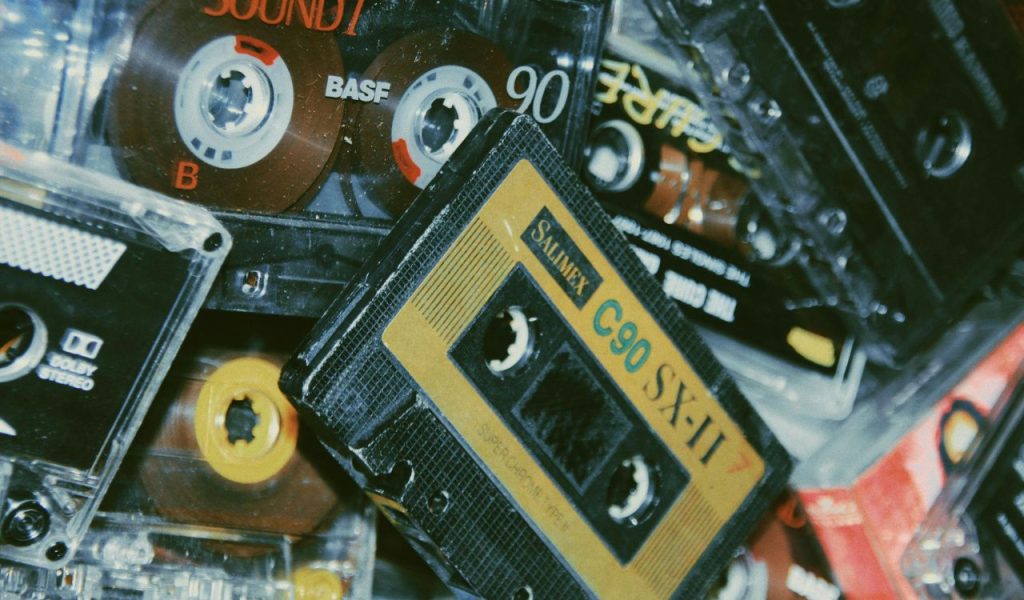
Making mixtapes or burned CDs for friends was an act of emotional craftsmanship. It took time, effort, and intention to gather songs, record them in real time, and arrange them in a sequence that felt meaningful. Each mix was a message, sometimes subtle, sometimes bold, conveying feelings that were often easier to express in music than in words. You couldn’t simply drag and drop tracks; you sat by your stereo, pressing record, waiting through entire songs, and hoping nobody walked in and made noise during the recording. When you handed a friend a mixtape, it wasn’t just a playlist; it was a physical object representing your time and attention.
7. Unfriending

In the 90s, friendship didn’t have technological shortcuts for conflict or disconnection. You couldn’t silently unfollow someone, soft-block them, or disappear behind the comfort of a screen. If a friendship hit a rough patch, the resolution, whether reconciliation or drifting apart, happened through real conversations and emotional processing. People had to face one another, express their frustrations, explain misunderstandings, and sometimes confront uncomfortable truths. This created a culture where friendships evolved naturally instead of fracturing abruptly.