
The modern political world did not emerge peacefully. It was shaped by revolutions, invasions, collapsing empires, and global power struggles. Many of today’s national borders, alliances, and rivalries trace directly back to major wars that redefined continents. These conflicts not only redrew maps but also transformed political systems, economies, and international institutions. Understanding these wars helps explain why certain regions remain unstable, why alliances exist, and how global power shifted over time. In many cases, peace treaties created fragile compromises, leaving behind ethnic divisions and political tensions that continue to influence diplomacy and conflict in the present day.
1. The Napoleonic Wars (1803–1815)
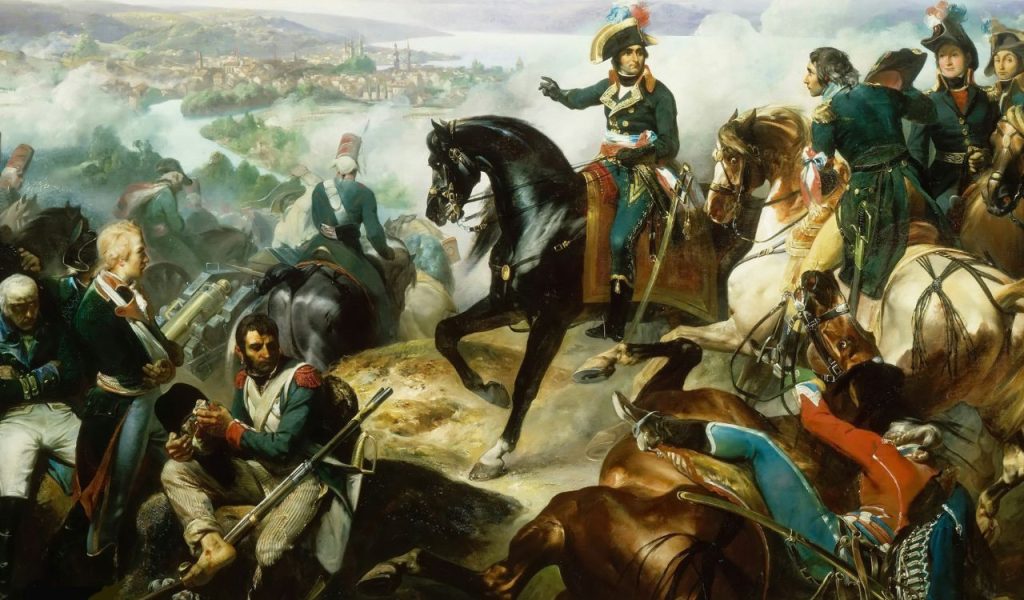
The Napoleonic Wars began as an extension of the French Revolution and quickly expanded into a continent-wide struggle. Napoleon Bonaparte sought to dominate Europe, spreading revolutionary principles such as secular governance and legal reform while simultaneously expanding French territory. His conquests disrupted centuries-old monarchies and forced European powers into shifting coalitions. After Napoleon’s defeat in 1815, the Congress of Vienna reorganized Europe to restore stability and prevent future revolutions. Borders were redrawn, monarchies were reinstated, and a “balance of power” strategy was adopted. Although peace followed for decades, nationalism continued to grow beneath the surface, eventually contributing to the unifications of Germany and Italy and laying the foundations for World War I.
2. The American Civil War (1861–1865)
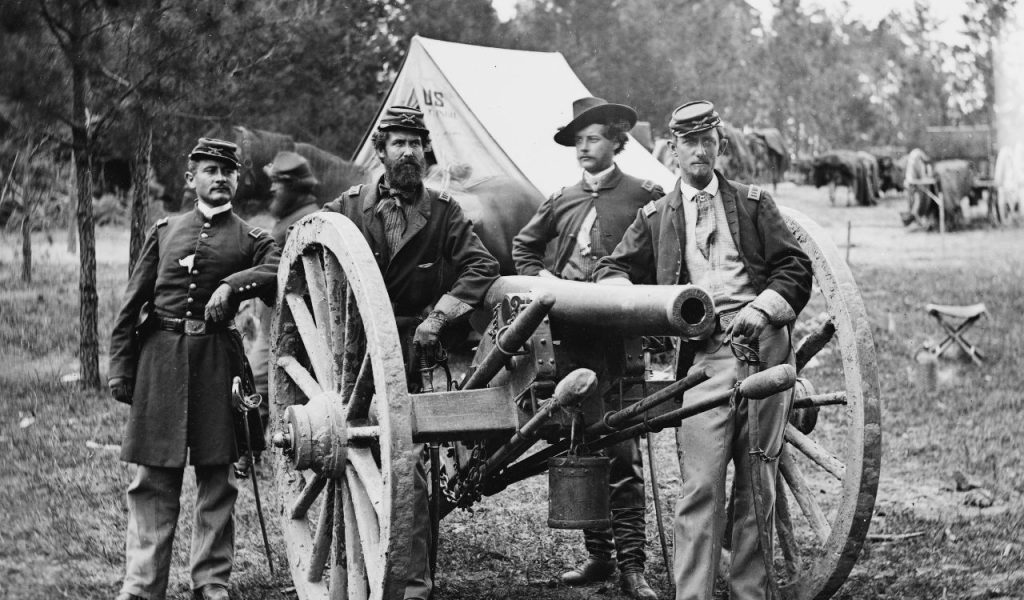
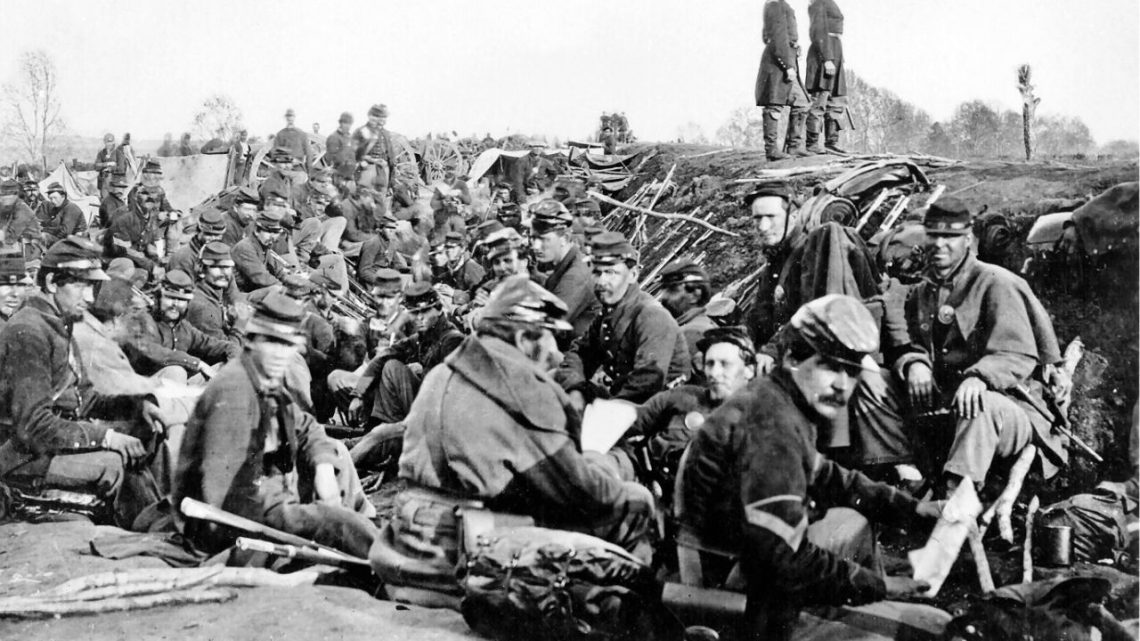
The American Civil War was a defining moment in U.S. history. At its core, the conflict centered on slavery and states’ rights, but its consequences extended far beyond those issues. The Union victory preserved the United States as a single nation rather than two separate countries, fundamentally shaping North America’s political future. The war strengthened federal authority over individual states and accelerated industrial development in the North. It also abolished slavery through the 13th Amendment, reshaping American society and civil rights. By maintaining unity and expanding economic capacity, the Civil War positioned the United States to become a dominant global power in the 20th century.
3. World War I (1914–1918)
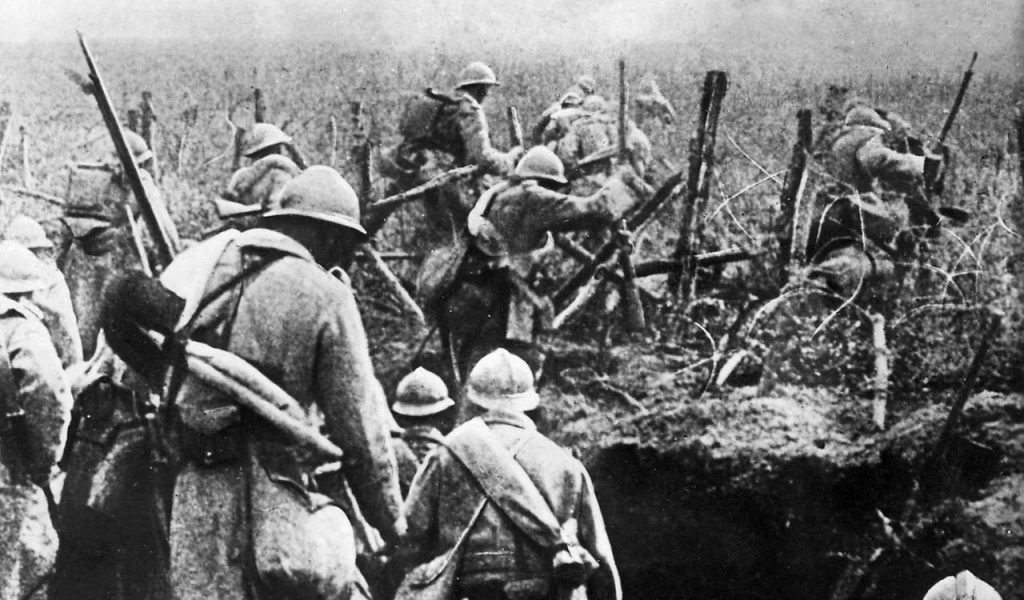
World War I was triggered by complex alliances, militarism, and nationalist tensions, but its consequences were monumental. The war caused the collapse of four major empires: Ottoman, Austro-Hungarian, German, and Russian. Their fall created a wave of new nations across Europe and the Middle East. The Treaty of Versailles imposed harsh penalties on Germany and redrew borders without fully resolving ethnic and political tensions. Artificial boundaries in the Middle East, in particular, contributed to long-term instability. Economic hardship and political resentment in Europe helped fuel the rise of extremist movements, setting the stage for World War II just two decades later.
4. World War II (1939–1945)
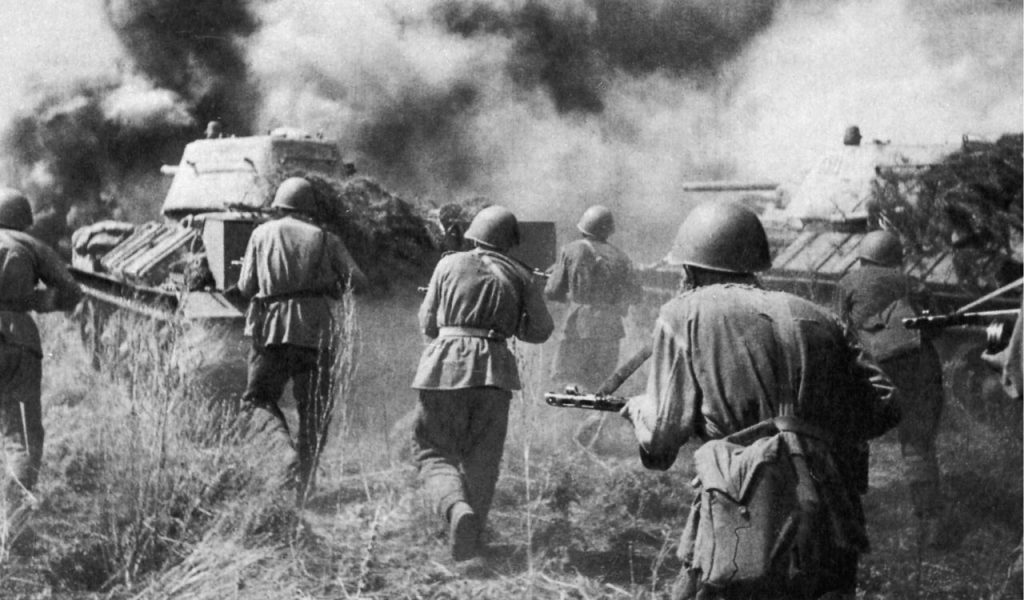
World War II was the most destructive conflict in human history, involving nearly every major world power. It led to the defeat of Nazi Germany, Fascist Italy, and Imperial Japan, fundamentally shifting global power away from Europe. In its aftermath, the United States and the Soviet Union emerged as superpowers. Germany was divided into East and West, Korea was split at the 38th parallel, and Eastern Europe fell under Soviet influence. The war also accelerated decolonization, as weakened European powers gradually lost control of overseas territories. The creation of the United Nations aimed to prevent another global catastrophe, reshaping international diplomacy.
5. The Chinese Civil War (1927–1949)
The Chinese Civil War was a prolonged struggle between the Nationalists (Kuomintang) and the Chinese Communist Party. After years of fighting, including a temporary alliance during World War II, Communist forces led by Mao Zedong gained control of mainland China in 1949. The establishment of the People’s Republic of China dramatically altered the balance of power in Asia. The Nationalist government retreated to Taiwan, creating a political division that remains unresolved. This shift also influenced Cold War dynamics, as China became a major communist power aligned initially with the Soviet Union. Today, China’s global influence traces directly back to the outcome of this war.
6. The Arab–Israeli War of 1948
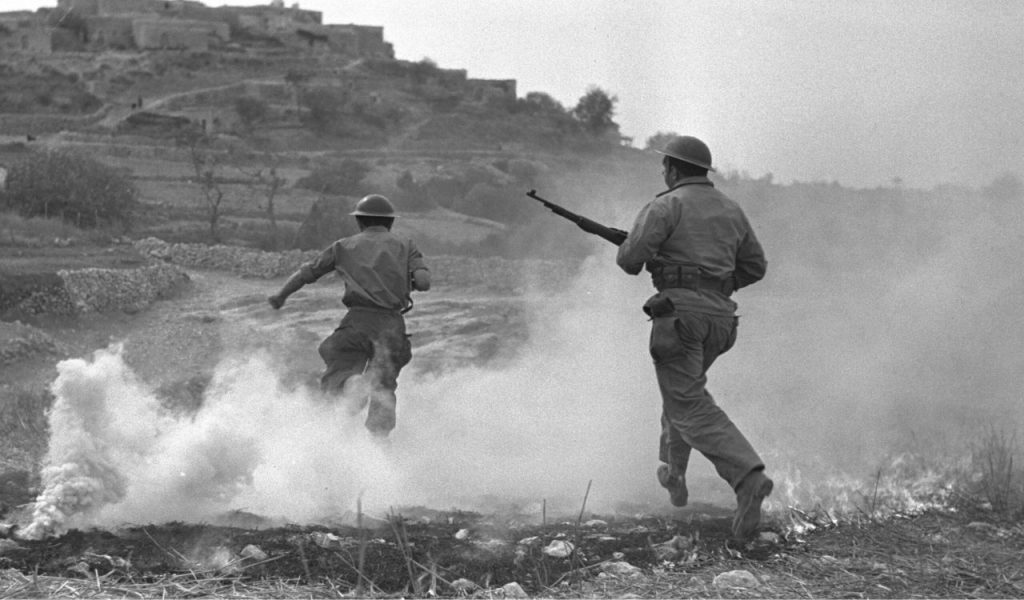
The 1948 Arab–Israeli War began immediately after Israel declared independence. Neighboring Arab states opposed the creation of the new state, leading to a regional conflict that reshaped the Middle East. When the fighting ended, Israel controlled more territory than originally allocated under the United Nations partition plan. Hundreds of thousands of Palestinians were displaced, creating a refugee crisis that continues to shape regional politics. The war established patterns of tension, alliances, and recurring conflicts that remain central to Middle Eastern geopolitics.
7. The Cold War (1947–1991)
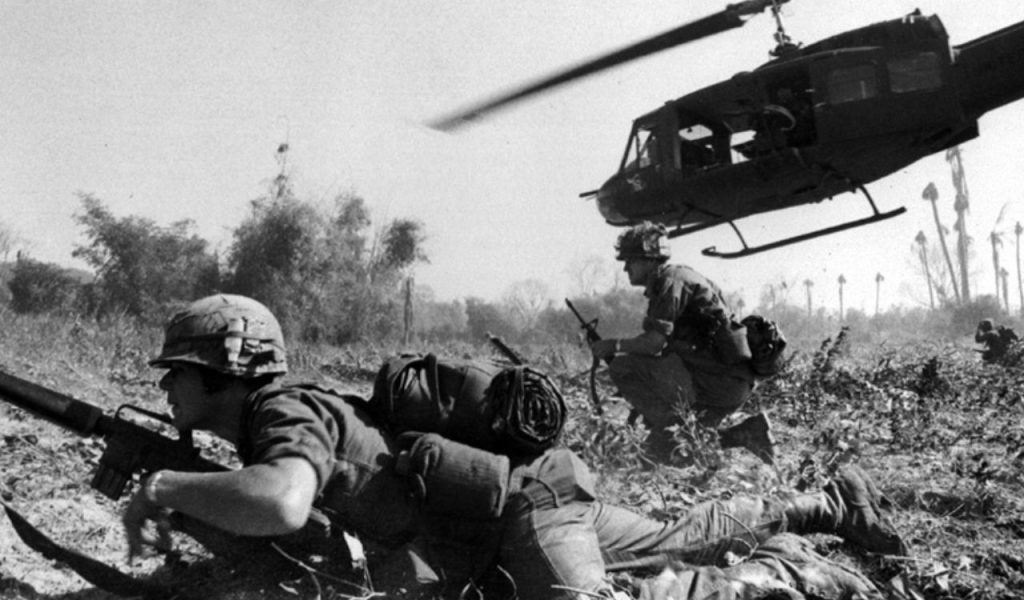
The Cold War was a prolonged ideological and geopolitical struggle between the United States and the Soviet Union. Though it rarely involved direct combat between the two superpowers, it shaped global politics through proxy wars in Korea, Vietnam, Afghanistan, and elsewhere. Europe was divided by the Iron Curtain, symbolized by the Berlin Wall. Military alliances such as NATO and the Warsaw Pact solidified opposing blocs. When the Soviet Union collapsed in 1991, multiple independent states emerged across Eastern Europe and Central Asia. This transformation dramatically reshaped the political map and marked the end of bipolar global dominance.