


In a productivity-driven world where staying focused is praised as the ultimate virtue, distractions are usually framed as the enemy, something to resist, suppress, or eliminate entirely. Yet not all interruptions are created equal. Some, especially the small and unexpected ones we often dismiss as irrelevant, actually serve important psychological or emotional purposes. These tiny moments of diversion can help restore clarity, spark creativity, ease emotional tension, and provide the mental recalibration we are often too busy to consciously give ourselves.
1. Tidyspark

The sudden urge to tidy something on your desk, a stray pile of papers, or a corner of your room often arrives at the most inconvenient times, right when you’re trying to focus on a task. Though it may feel like procrastination, this impulse is frequently your mind’s way of signaling that it needs external order to soothe internal clutter. When you take a moment to clean, even briefly, it creates a shift in your mental landscape by restoring a sense of control and calm. Tidying provides a small, achievable action that reduces stress and allows your thoughts to reorganize themselves in the background.
2. Songpull

When you suddenly feel compelled to play a particular song, it can seem like a trivial interruption to your workflow, but this moment often carries emotional significance. Music acts as an emotional regulator, memory activator, and subconscious communicator. That unexplainable urge to listen to a certain melody, lyric, or rhythm is frequently your brain’s attempt to guide you toward a state of emotional alignment. The song you choose might match your mood, challenge it, or soothe it in ways you haven’t consciously identified. Listening, even for a short moment, allows your mind to process feelings that have been lingering beneath the surface.
3. Scrollspark

A quick, impulsive scroll on your phone is often labeled as a wasteful habit, but sometimes this small act of drifting through content provides a spark of creativity or inspiration that structured thinking cannot produce. In the middle of routine or mental fatigue, the mind sometimes seeks novelty, something unexpected that can freshen your perspective. During these brief scrolling moments, a single idea, quote, visual, or piece of information can unexpectedly resonate and create a shift in your thinking. This new spark might influence your work, lift your mood, or help you see a solution where previously there was none.
4. Windowwhisper

There are times when you catch yourself gazing out of a window or into the distance without consciously choosing to do so. This brief mental drift, though often seen as a lapse in attention, is actually a natural cognitive process that allows your brain to shift into deeper internal modes of thought. In this unfocused state, your mind connects ideas, processes emotions, and searches for solutions in ways that strict concentration cannot always achieve. The stillness of looking at something far away creates a gentle pause in the constant flow of information, giving your mind room to breathe and recalibrate.
5. Chatterlift

A very short conversation with someone nearby, a coworker, barista, neighbor, or even a friendly stranger can feel like a disruption to your schedule, but these small human exchanges often serve a vital emotional and psychological function. Humans are social beings, wired to react positively to micro-interactions that remind us we are connected to others. Even a simple greeting, shared laugh, or brief exchange of thoughts can lighten your emotional load, reduce stress, and momentarily break the mental loops that form during long periods of solitary focus. These social pauses help restore a sense of belonging and groundedness, which in turn improves your overall mood and productivity.
6. Snacknote

The unexpected urge to grab a snack or drink something, even when you don’t feel particularly hungry, is often your body’s subtle way of communicating that your internal resources need replenishment. Long stretches of work or concentration can drain physical energy without your awareness, leading your system to send gentle alerts in the form of cravings or impulses. Taking a moment to step away and prepare a snack or hydrate creates a necessary physical and mental pause. This short break helps you restore balance, move your body, and reset your breathing and posture.
7. Taskdrift
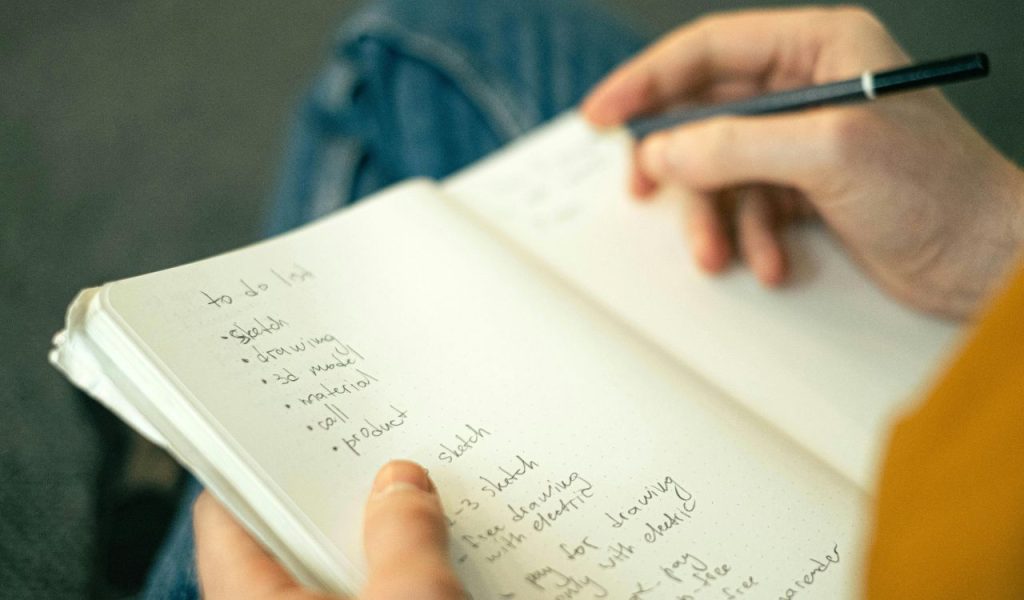
When your attention suddenly shifts toward a simpler or unrelated task, organizing a file, replying to a quick message, or adjusting something small, it may feel like you’re losing control of your focus. However, this drift often serves an important purpose. When your main task becomes mentally heavy or emotionally blocked, your brain sometimes seeks an easier form of progress to maintain momentum. By completing a simpler task, you create a sense of accomplishment that breaks the stagnation and re-energizes you. This momentum can then carry back into the task you were originally struggling with, making it feel less overwhelming.