

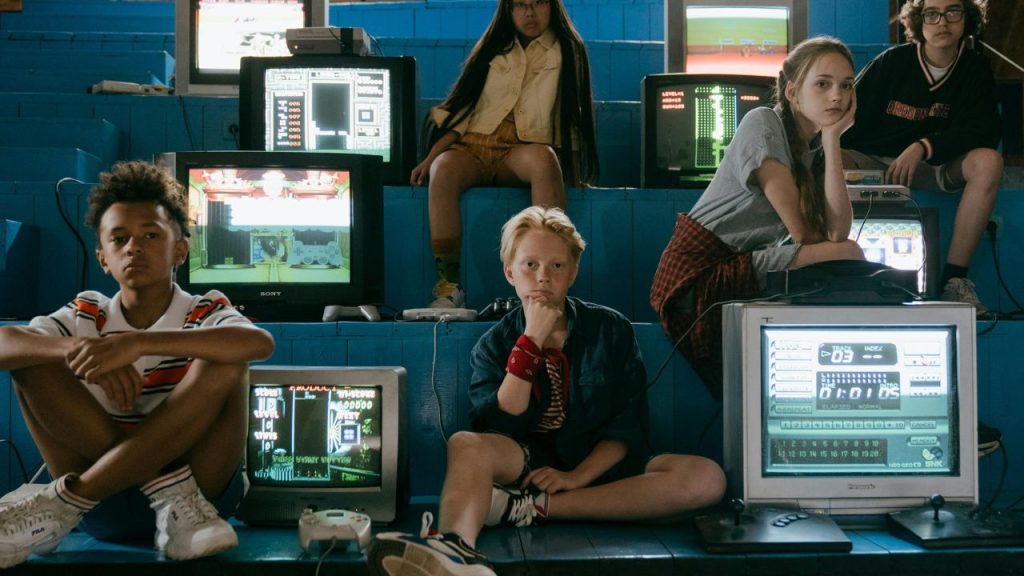
The 1990s were a decade defined by vibrant culture, emerging technology, and a pace of life that feels almost foreign compared to modern standards of instant gratification. While today people expect everything to load, respond, or arrive within seconds, the 90s required a level of patience that now seems almost heroic. Whether dealing with slow internet, analog devices, or rigid entertainment schedules, daily life contained built-in delays that shaped the rhythm of the decade. These moments of waiting were not optional inconveniences but core parts of the experience, affecting how people communicated, consumed media, and preserved memories.
1. DialUp
Dial-up internet was perhaps the most iconic test of patience in the 90s, turning a simple online task into a full ritual of noise, waiting, and uncertainty. The moment you initiated a connection, the modem erupted with its distinctive mechanical screeches that signaled the device was trying to handshake with a distant server. Those sounds often lasted long enough to heighten both anticipation and dread, because at any moment the connection attempt could fail. Even when successful, browsing was painfully slow, with webpages loading line by line as though they were being woven by an invisible digital loom.
2. PhotoWait
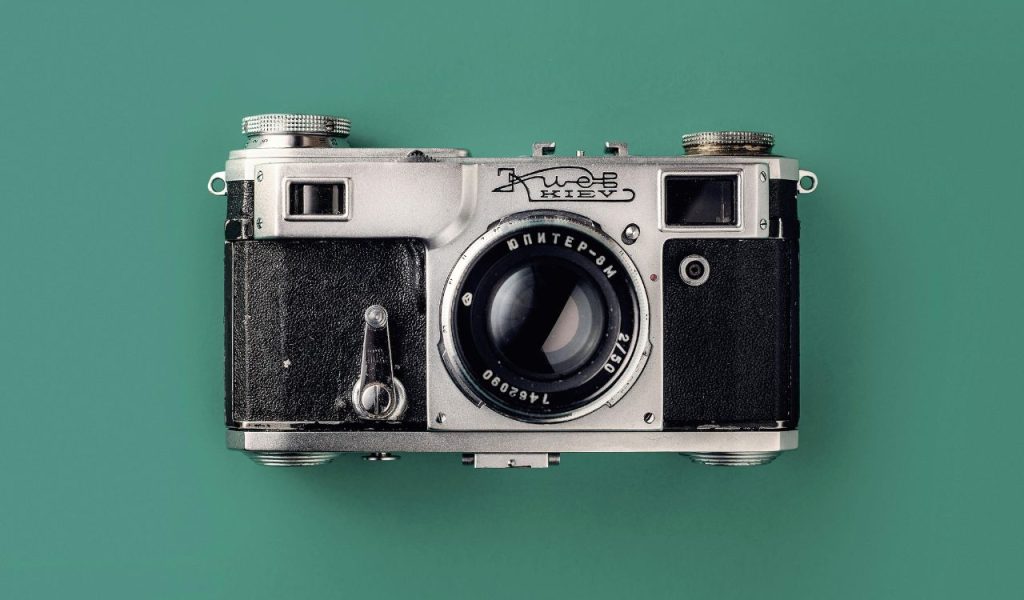
Waiting for film photos to be developed was a suspenseful experience that embodied both the charm and the frustration of 90s life. People carried disposable cameras or film-roll cameras without the ability to preview a single shot, meaning every picture taken was a leap of faith. After capturing birthdays, vacations, school events, or casual moments with friends, the film had to be dropped off at a photo lab or local store, followed by days or sometimes a full week of eager anticipation. When the photos were finally ready, opening the packet felt like unwrapping a mystery.
3. Rewind
Rewinding VHS tapes felt like a chore woven into the fabric of 90s entertainment, especially when watching movies was a major household event. After finishing a film, the tape always stopped somewhere near the end, forcing viewers to wait while the VCR groaned and whirred its way backward toward the start. Watching the counter tick down often felt like time standing still, especially when you were eager to watch another movie or had to return a rental before late fees kicked in. Many families even purchased separate rewind machines, often shaped like little cars, to speed things up.
4. WebLoad
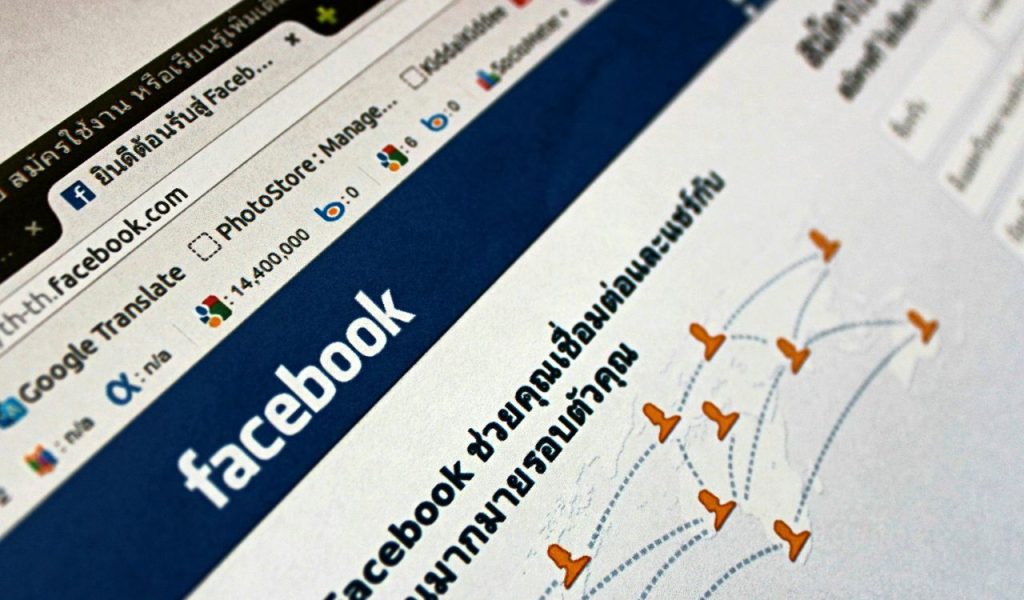
Early web browsing in the 90s was a slow-motion experience that tested the limits of human endurance. Webpages trickled onto the screen gradually, often loading text first and images later, one thin horizontal slice at a time. Watching a high-resolution picture appear was like watching a curtain rise millimeter by millimeter, and any attempt to multitask risked crashing the browser entirely. Websites packed with animated GIFs, colorful backgrounds, and blinking text took even longer, making the user question whether the effort was worth it. Computers of the time also had limited processing power.
5. MixTape
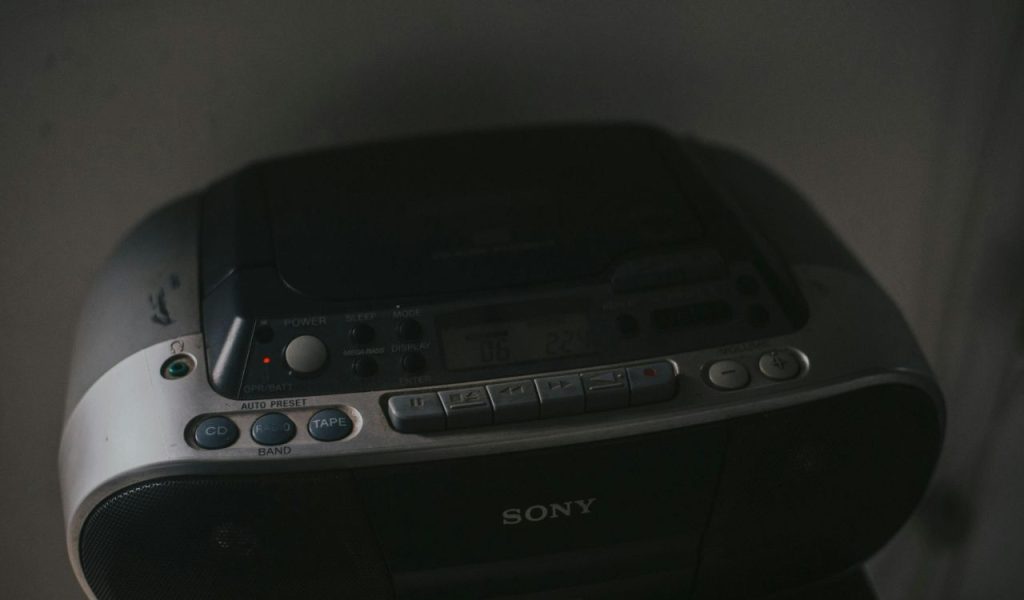
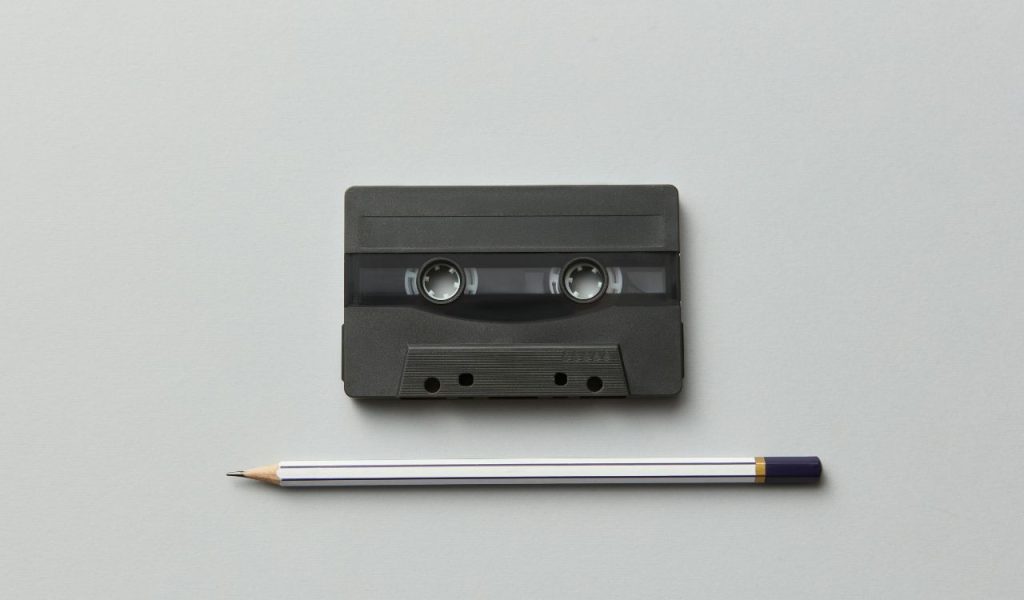
Crafting a mixtape in the 90s required not only creativity but also a remarkable amount of patience and precise timing. Whether recording songs directly from the radio or dubbing them from another cassette, the process demanded careful listening and quick reflexes. You had to anticipate when a song would start, hit the record button at exactly the right moment, and pray that the DJ didn’t talk over the intro or suddenly cut to a commercial. If a tape ran out of space mid-song, it meant rewinding, flipping the cassette, and redoing the sequence. Choosing the order of tracks required thoughtful planning because you had limited space on each side of the tape.
6. BusyTone

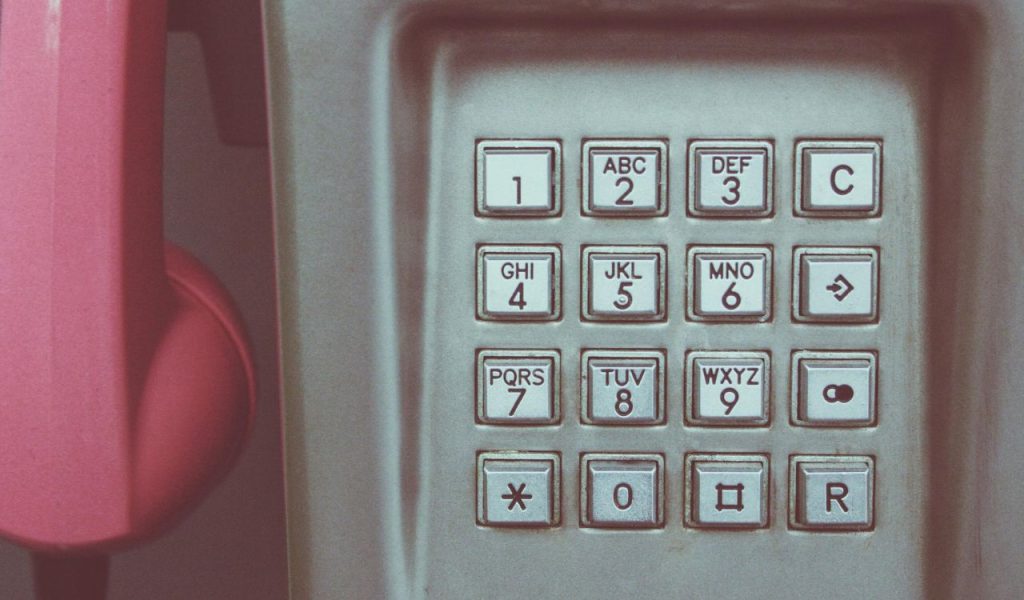
The busy signal was a constant reminder of communication limits before the age of smartphones and messaging apps. Calling someone in the 90s meant accepting that their line might already be occupied, resulting in the repetitive, monotonous beeping that signaled you’d have to try again later. With no call waiting or voicemail in many households, reaching a friend could require multiple attempts spaced minutes or even hours apart. Families with only one phone line often found themselves negotiating who could use the phone and for how long, leading to conflicts when someone spent extended time chatting with friends.
7. ShowTime
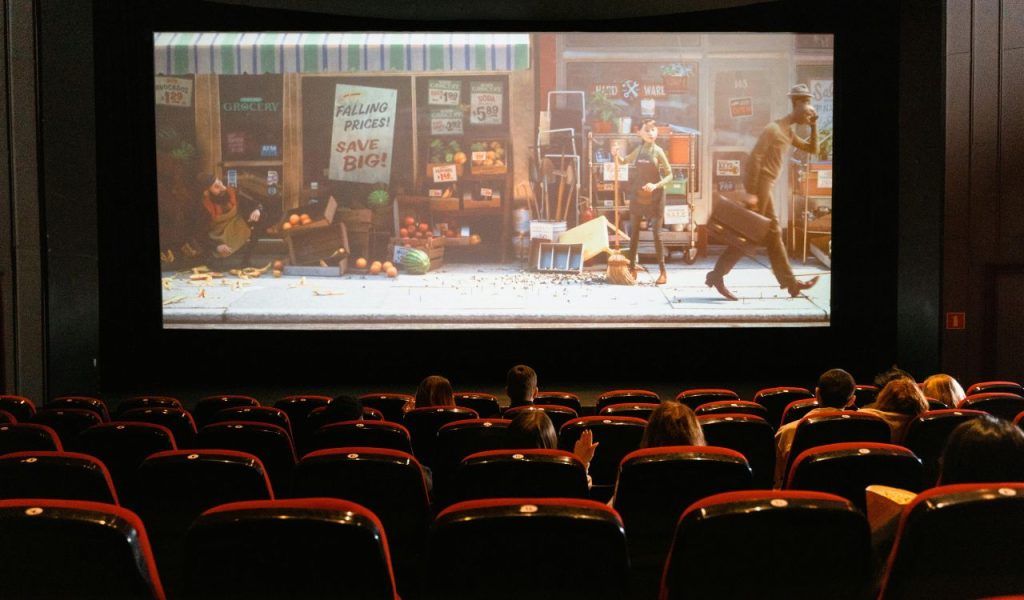
Watching television in the 90s required punctuality, planning, and the patience to accept that once a show aired, your chance to see it might not return for weeks. TV schedules were fixed, and missing an episode meant you had to rely on unpredictable reruns or word-of-mouth recaps from friends. Families gathered around the TV at specific times, treating favorite shows as communal events rather than solitary, on-demand experiences. Commercial breaks stretched suspense endlessly, forcing viewers to sit through advertisements without any option to skip ahead. If someone needed a bathroom break or had to answer the door, they risked missing important scenes forever.