Emotional safety is one of the quiet forces that shape the depth and quality of our relationships. It is not something that can be demanded, rushed, or manufactured through charm alone. It is built gradually, through consistency, empathy, and the steady reassurance that a person can exist as they are without fear of being judged or dismissed. When someone feels emotionally safe around you, their nervous system relaxes, their thoughts flow more freely, and their true personality begins to surface. This kind of safety does not always announce itself loudly.
1. Openness

When someone feels safe around you, they gradually begin to open doors that are usually kept closed. This does not always happen in one dramatic moment; instead, it unfolds in layers. They may start by sharing small personal details, then move toward deeper experiences, private memories, or insecurities they do not normally voice. This openness is a sign that they trust you not to ridicule, minimize, or misuse what they reveal. It reflects a belief that you will respond with understanding rather than criticism.
2. Ease

Comfortable silence is one of the clearest yet most overlooked signs of emotional safety. In many interactions, people rush to fill quiet moments because silence feels awkward or threatening. However, when someone feels safe with you, silence becomes neutral or even soothing rather than tense. They do not feel pressured to perform, entertain, or maintain constant conversation to preserve connection. Instead, they can simply exist beside you without anxiety. You might find yourselves sitting together without speaking much, yet the atmosphere feels calm rather than strained.
3. Authenticity

A person who feels emotionally safe will gradually stop trying to curate every detail of how they appear in front of you. They will laugh at their own mistakes, admit confusion, and reveal parts of their personality that might not seem impressive. Authenticity replaces performance. Instead of striving to meet an imagined standard, they allow their natural quirks, humor, and habits to surface. This might show up in small ways, such as speaking more casually, sharing unfiltered opinions, or expressing preferences without fear of being judged.
4. Expression

Emotional safety allows for the full range of human emotion to be expressed without fear. When someone trusts you, they will not limit themselves to showing only happiness or positivity. They will also share frustration, sadness, disappointment, or uncertainty. This does not mean they unload recklessly; rather, they feel comfortable acknowledging what they truly feel instead of suppressing it. In unsafe environments, people often hide negative emotions to avoid conflict or dismissal. In safe spaces, they believe their feelings will be heard and validated.
5. Support

Asking for help requires vulnerability because it means admitting that one cannot manage everything alone. When someone feels safe around you, they are more willing to reach out during moments of difficulty. They trust that you will not shame them for struggling or interpret their request as weakness. Instead of pretending to have everything under control, they allow themselves to lean on you when necessary. This could involve seeking advice, emotional reassurance, or practical assistance.
6. Boundaries

True safety does not eliminate differences or disagreements; instead, it creates space for them to be expressed respectfully. When someone feels secure around you, they will voice their boundaries and opinions without excessive fear. They may tell you when something bothers them or clarify what they need, trusting that you will not retaliate or withdraw affection. This openness indicates that they believe the relationship can withstand honest dialogue. Rather than avoiding conflict at all costs, they see communication as a path to understanding.
7. Relaxation
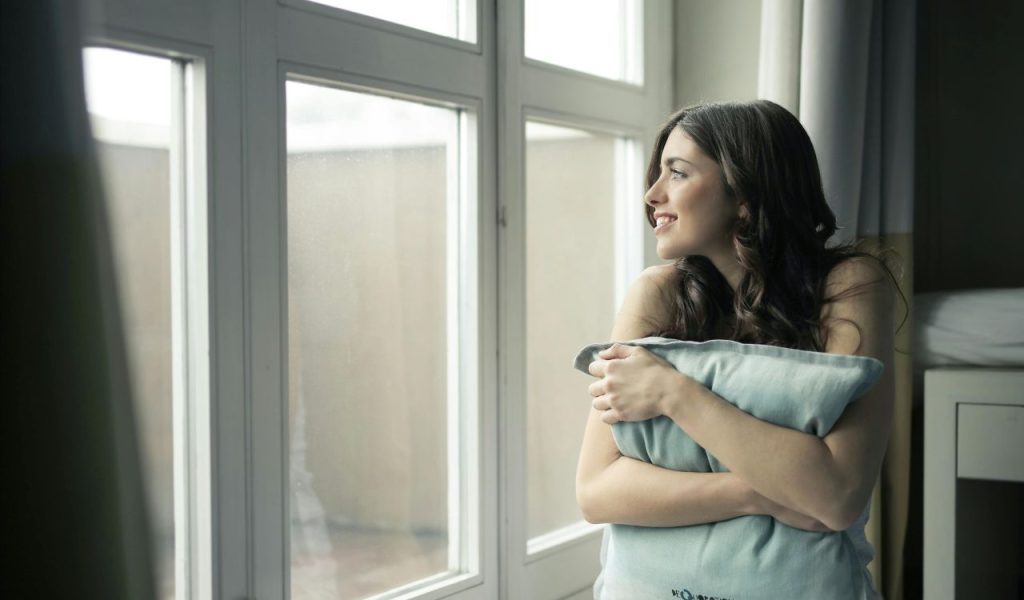
Physical cues often reveal emotional states more accurately than words. When someone feels safe, their body naturally reflects that sense of ease. Their shoulders may rest lower, their breathing may slow, and their posture may appear more open. They make natural eye contact rather than guarded glances, and their facial expressions shift fluidly without appearing forced. Laughter comes more spontaneously, and small gestures feel unrestrained.