Refreshing a room doesn’t always require buying something new; in fact, many homes feel stagnant or uncomfortable not because the furniture is old, but because it’s not arranged in a way that supports the way people move, live, and relax. Before spending money on new pieces, it’s worth examining how your current layout affects your daily experience. Sometimes a space begins to feel cramped even when clean, or it becomes difficult to walk through without weaving awkwardly around large objects. Other times, a room simply doesn’t match your lifestyle anymore, leading to irritation that builds slowly until you think the only solution is shopping.
1. Clutterfeel

When a room feels cluttered even after you tidy everything, it’s often not an issue of having too much stuff but rather an unhelpful arrangement of your existing furniture. A layout that pushes everything against the walls or places too many large pieces in competing positions can make the entire room feel visually overwhelming, creating a sense of chaos that lingers no matter how much you clean. This usually happens when the eye has no clear path to follow, causing the brain to interpret the space as crowded and busy. Instead of assuming you need to invest in new storage or new furniture, a simple repositioning of what you own can completely shift the balance.
2. Pathblock

If you regularly bump your hip on a table corner, squeeze sideways between the sofa and a wall, or find yourself navigating around furniture like you’re walking through a maze, it’s a strong indicator that the current setup is not working. A home should support natural movement, not challenge it, and when your pathways feel restricted, the room quickly becomes inconvenient and uncomfortable. These subtle daily annoyances accumulate into a larger feeling that something is off, even if you can’t immediately identify the source. The issue often arises when furniture is placed based on habit rather than functionality, or when pieces that once felt appropriate no longer match the rhythm of your life.
3. Lifestyling
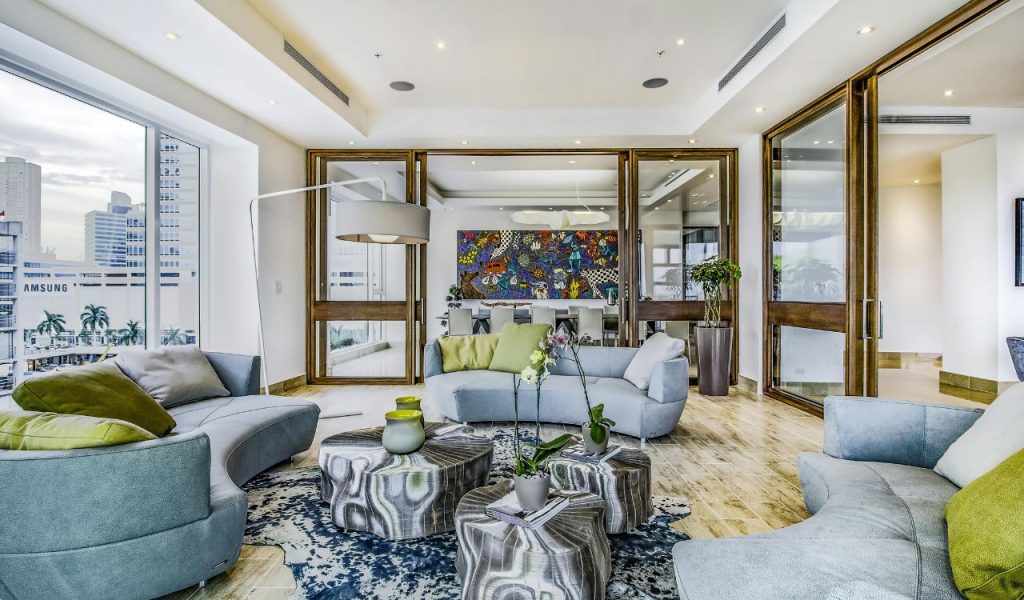
Sometimes the layout of your home reflects a past version of your life rather than the way you live now. Maybe your sofa faces a window because you once enjoyed a reading nook there, but now you spend more time watching shows. Or your dining table dominates the room even though you mostly eat in the kitchen or work from your laptop on the couch. When the layout no longer aligns with your habits, the room begins to feel mismatched and inefficient, creating subtle frustration that may trick you into thinking you need new furniture.
4. HiddenGems
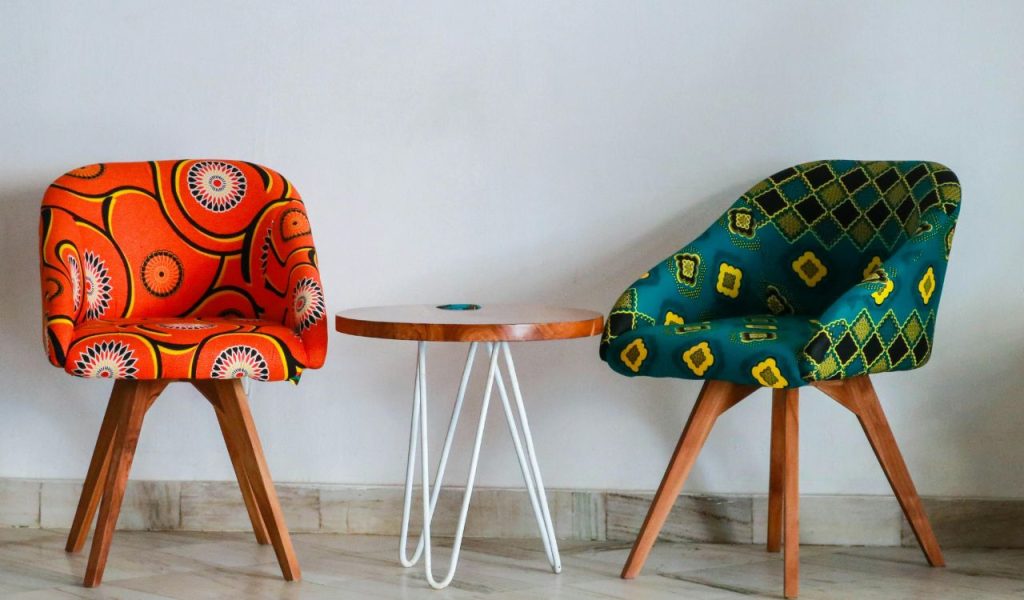
Your favorite furniture pieces should enhance your space, but poor placement can cause them to fade into the background, overshadowed by larger items or pushed into corners where they lose their impact. A beautiful accent chair, a thoughtfully selected lamp, or a treasured piece of art can easily go unnoticed when the room’s layout doesn’t highlight them. This leads to the feeling that something is missing, encouraging the urge to shop for new statement pieces when the real issue is that your current ones are hidden. Rearranging the room to give these items more visibility can transform your perception of the entire space.
5. Shrinkspace
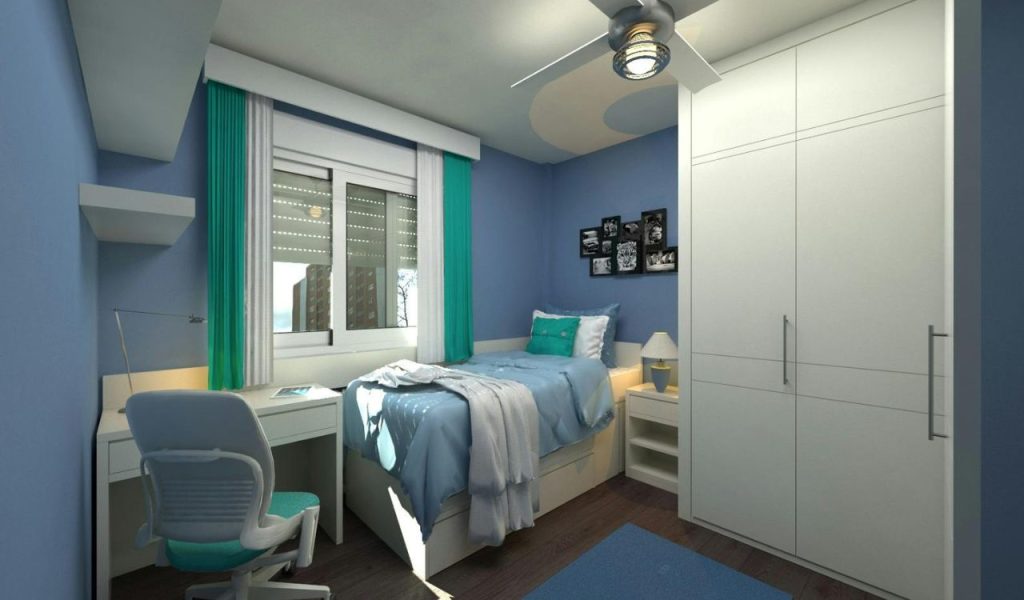
Rooms can feel smaller than they truly are when furniture blocks natural light, sits too close together, or creates heavy visual weight in certain areas. Even large, beautiful pieces lose their appeal when placed in ways that disrupt the room’s openness. If you feel boxed in or claustrophobic despite having a reasonable amount of square footage, the issue likely lies in how the furniture shapes the room’s flow. This false sense of confinement often leads people to assume they need smaller, newer, or more minimalistic pieces, but rearranging is usually the real solution. Shifting furniture away from windows, introducing more balance in the placement of large items.
6. UnusedZone
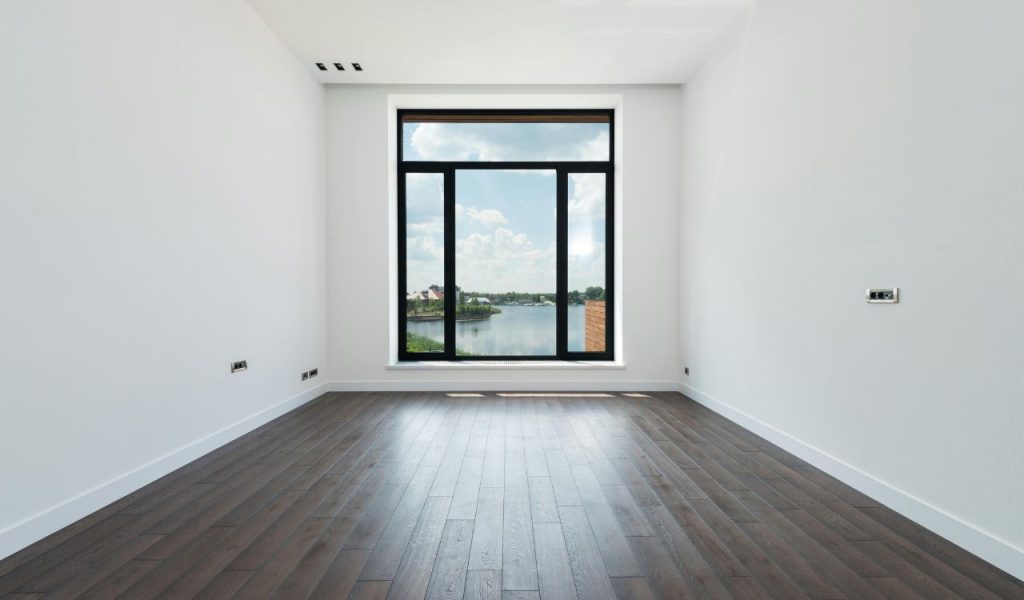
A room that sits unused or underutilized often isn’t lacking charm; it simply isn’t arranged to invite activity. Spaces become dead zones when furniture positions feel awkward, conversation areas are poorly defined, or certain corners feel cut off from the natural flow of the room. Over time, you stop spending time there simply because the layout doesn’t encourage interaction, comfort, or purpose. Many people interpret this as needing new furniture or decor, but often the real issue is that the current arrangement doesn’t support functional zones. By repositioning pieces to create areas for reading, working, socializing, or relaxing, the room becomes relevant again.
7. BuyImpulse
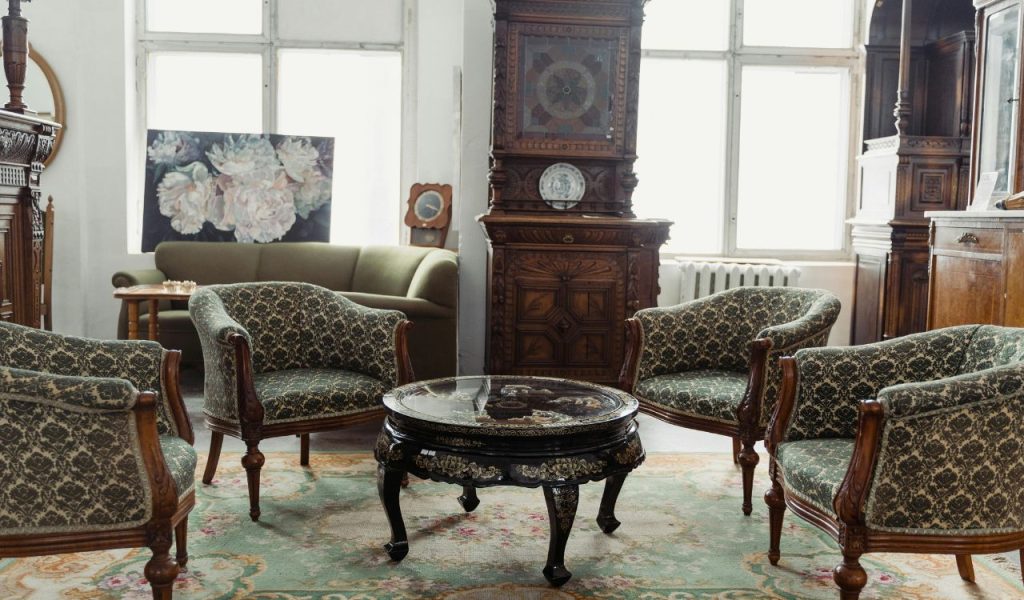
When frustration with a space builds over time, the immediate instinct is often to buy something new: a sofa that feels more comfortable, a storage piece that promises organization, or a table that seems like it might fix the awkwardness. But the urge to shop frequently stems from dissatisfaction with the layout, not the items themselves. When a room doesn’t feel right, it’s easy to assume the furniture is outdated or inadequate, when in reality it’s simply positioned in a way that isn’t serving you. Rearranging provides clarity by revealing what the room truly needs, if anything. Once you experiment with different configurations, you may discover your existing pieces fit beautifully once they’re in better locations.