


School life was once full of strange challenges that felt harmless, funny, or even brave at the time. Back then, many dares were seen as a way to prove courage, earn respect, or simply break the boredom of long school days. Students rarely questioned safety, long-term consequences, or embarrassment, because everyone around them treated these acts as normal fun. Looking back now, it feels surprising how casually risky or awkward these dares were. Today’s awareness of safety, mental health, and personal boundaries has changed how students view such behavior. What once felt like a badge of honor now seems unthinkable or unnecessary. These school dares were once common and socially accepted, but if suggested today, they would likely raise serious concerns among teachers, parents, and students alike.
1. Roof Jump

Jumping from desks, stairs, or even low rooftops was once considered an exciting test of bravery. Students would gather around, cheering as someone prepared to leap, believing that a successful jump proved fearlessness and strength. At the time, injuries were brushed off as minor accidents, and the risk rarely crossed anyone’s mind. The thrill of landing safely and earning instant admiration mattered more than personal safety. Today, such a dare would immediately be labeled dangerous, with strict rules and consequences attached. Awareness of injuries, long-term health issues, and school liability has changed attitudes completely. What once felt like harmless fun now clearly appears reckless, showing how much perspectives on safety have evolved.
2. Chalk Snack

Eating chalk in front of classmates was once a bizarre but oddly popular dare. The act was meant to shock and amuse, with students daring each other to take a bite and swallow without reacting. Back then, no one questioned hygiene or health risks, and laughter quickly replaced concern. The dare relied heavily on peer pressure, pushing students to ignore discomfort for social approval. Today, the idea of consuming classroom materials seems unhygienic and unsafe. Increased understanding of germs, chemicals, and health standards has made such behavior unacceptable. What was once treated as a joke is now recognized as a clear health risk that no longer feels worth the laugh.
3. Silent Period

Staying completely silent for an entire school day was once seen as a harmless but impressive challenge. Students accepted the dare to prove self-control, often using gestures or notes to communicate. At the time, teachers and classmates sometimes found it amusing rather than disruptive. The challenge tested patience and endurance, and completing it successfully earned quiet admiration. Today, however, such behavior could raise concerns about emotional well-being or classroom participation. Modern schools emphasize communication, expression, and engagement, making intentional silence seem unusual. What once felt like a clever experiment now clashes with the importance placed on mental health and social interaction in learning environments.
4. Bag Swap

Carrying a friend’s school bag for an entire day was once a common dare meant to invite laughter and confusion. Students enjoyed the reactions of teachers and peers when someone appeared with the wrong books or supplies. The embarrassment was considered part of the fun, and privacy was rarely a concern. Today, personal belongings are treated with more respect, and such dares could easily cross boundaries. Issues of consent, personal space, and responsibility have become more important. What once seemed playful now feels intrusive, highlighting how social awareness and respect for individuality have grown over time.
5. Uniform Twist

Wearing parts of the school uniform incorrectly or swapping items with friends was once a lighthearted act of rebellion. Students dared each other to test how long they could avoid being noticed by teachers. The thrill came from bending rules without serious consequences. Today, school environments are more structured, and dress codes are often enforced for safety and equality reasons. Such dares could lead to disciplinary action or unwanted attention. What once felt like harmless rule-breaking now appears unnecessary, reflecting how discipline and inclusivity have reshaped school culture.
6. Late Bell
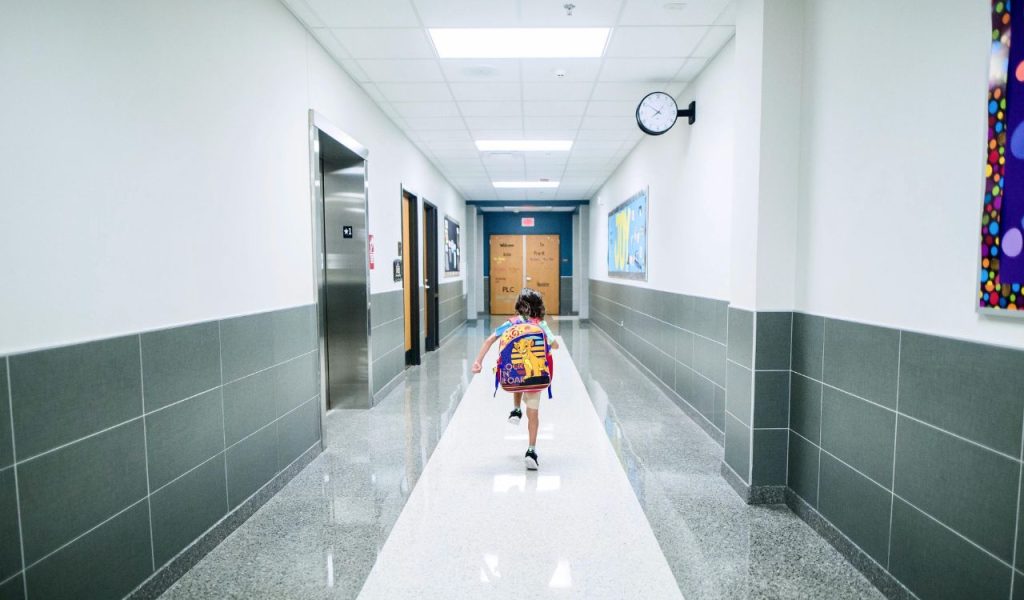
Intentionally arriving late to class as part of a dare was once treated as bold and amusing. Students enjoyed the dramatic entrance and the brief attention it brought. Consequences were often mild, making the risk seem low. Today, punctuality is closely tied to responsibility and respect. Schools emphasize routine and accountability, and repeated lateness raises concerns. What was once a casual challenge now feels disruptive and immature, showing how expectations around behavior and discipline have changed significantly. What once felt like harmless rule-breaking now appears unnecessary, reflecting how discipline and inclusivity have reshaped school culture.
7. Truth Yell

Truth Yell was once one of the most nerve-wracking yet popular school dares, where a student was challenged to loudly shout a personal truth, crush name, or embarrassing confession in a crowded hallway or playground. Back then, the goal was shock and laughter, and classmates often pushed each other to reveal secrets without thinking about the emotional impact. The adrenaline rush of shouting something personal in public felt daring, and surviving the embarrassment was seen as a sign of boldness. Little attention was paid to how exposed or uncomfortable the person might feel afterward. Today, this dare feels deeply inappropriate because it ignores personal boundaries and emotional safety.