Low ceilings can quietly influence the way a room feels, often making even well-decorated spaces seem confined or compressed. Many homeowners assume that the only real solution is structural renovation, such as raising the ceiling or altering architectural elements, but those approaches require significant time, money, and disruption. The truth is that perceived height is often more about visual psychology than physical measurement. Our eyes interpret space based on lines, contrast, proportion, light, and continuity. By understanding how these elements guide perception, you can dramatically alter how tall a room feels without changing a single brick.
1. High Curtains
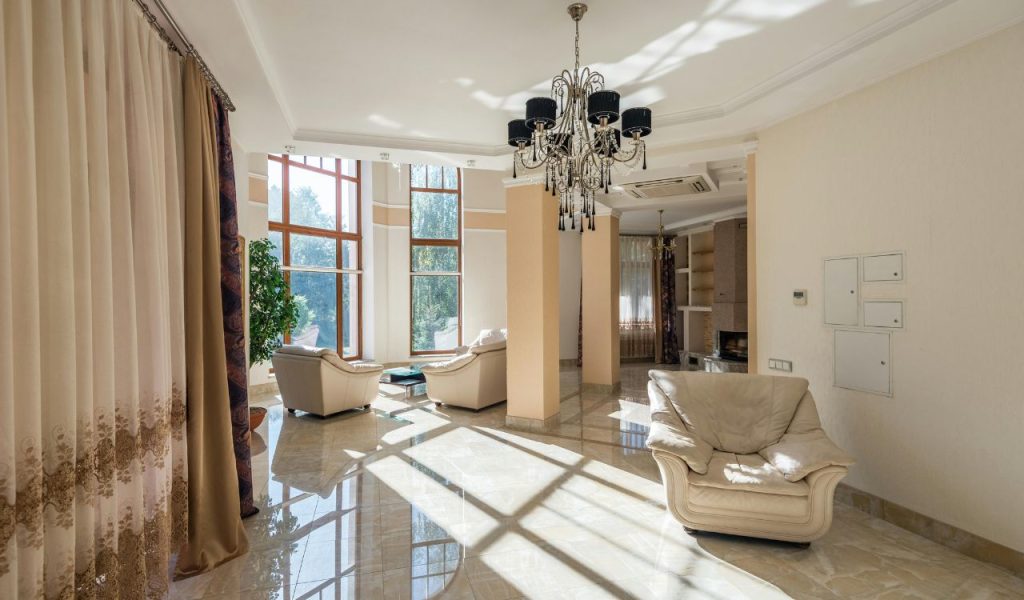
One of the most transformative visual adjustments you can make is altering the height at which curtains are installed. Many people mount curtain rods directly above the window frame, unknowingly emphasizing the true height of the window and limiting the perceived scale of the wall. By positioning the rod much closer to the ceiling and allowing the fabric to fall all the way to the floor, you create an elongated vertical line that naturally draws the eye upward. This uninterrupted drop of fabric acts like a visual extension of the wall, making the ceiling appear higher than it actually is. The key is ensuring the curtains are long enough to either just touch or gently pool at the floor, as curtains that stop short can visually cut off height and weaken the effect.
2. Soft Stripes
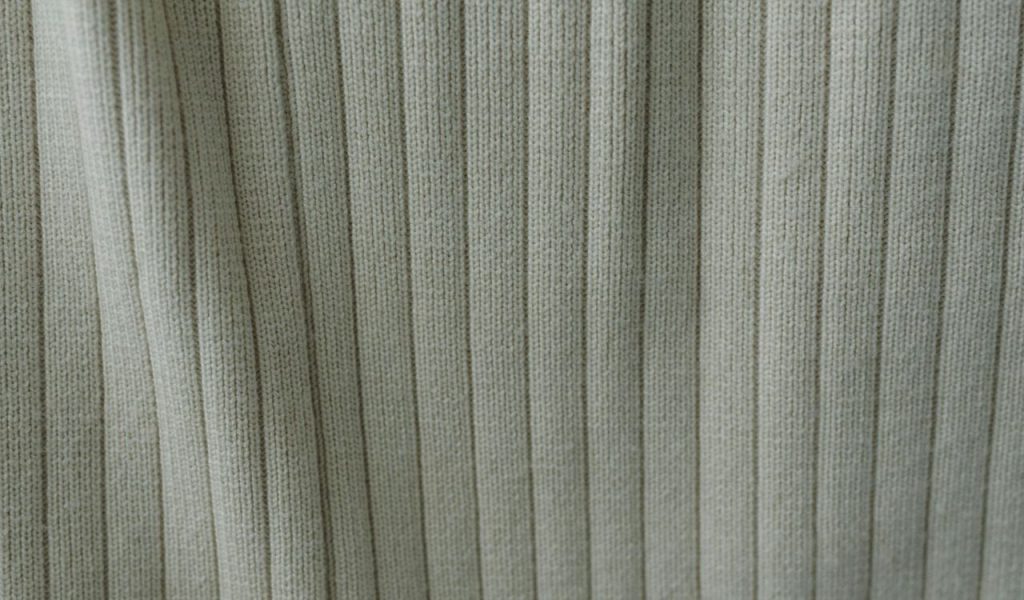
Vertical movement is one of the most powerful visual cues for height, and subtle striping can reinforce this effect without overwhelming the room. While bold, high-contrast stripes can feel busy or dated, soft tonal variations in paint or wallpaper provide a more refined and modern approach. When the difference between the stripe colors is minimal, the pattern becomes more about texture and rhythm than statement. This quiet vertical repetition gently encourages the eye to travel upward, lengthening the wall visually. Even narrow painted bands that differ by only a shade or two can create depth and dimension that makes a ceiling seem farther away.
3. Light Ceiling
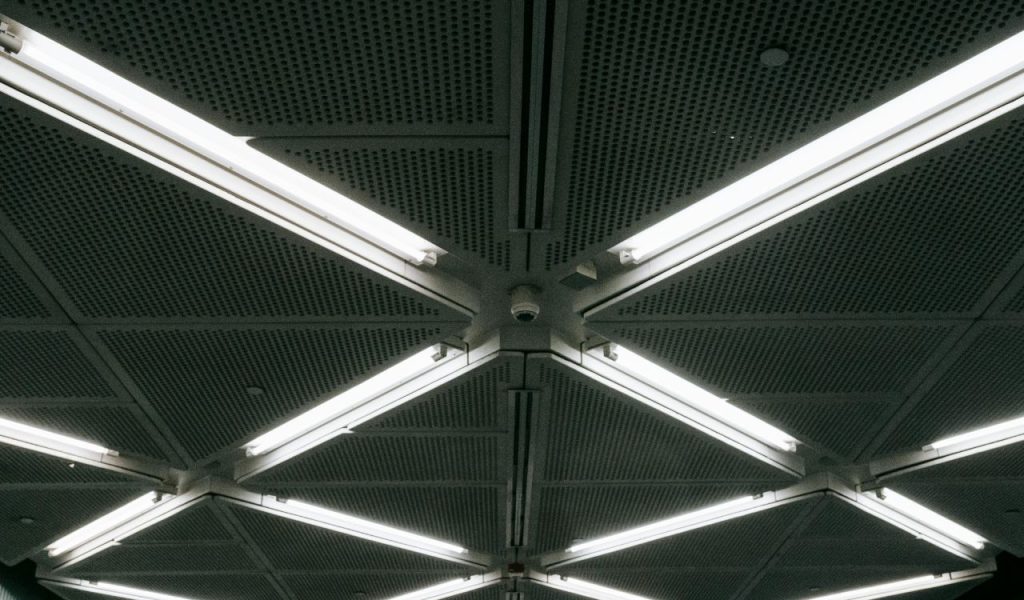
Color placement dramatically influences how we perceive distance and depth within a room. When ceilings are painted in shades lighter than the surrounding walls, they appear to recede, creating the impression that they are positioned higher than they truly are. This happens because lighter colors reflect more light and visually feel less dense, while darker tones tend to advance toward the viewer. By applying a brighter or softer shade overhead, you allow natural and artificial light to bounce around the space, enhancing openness and vertical spaciousness.
4. Vertical Panels
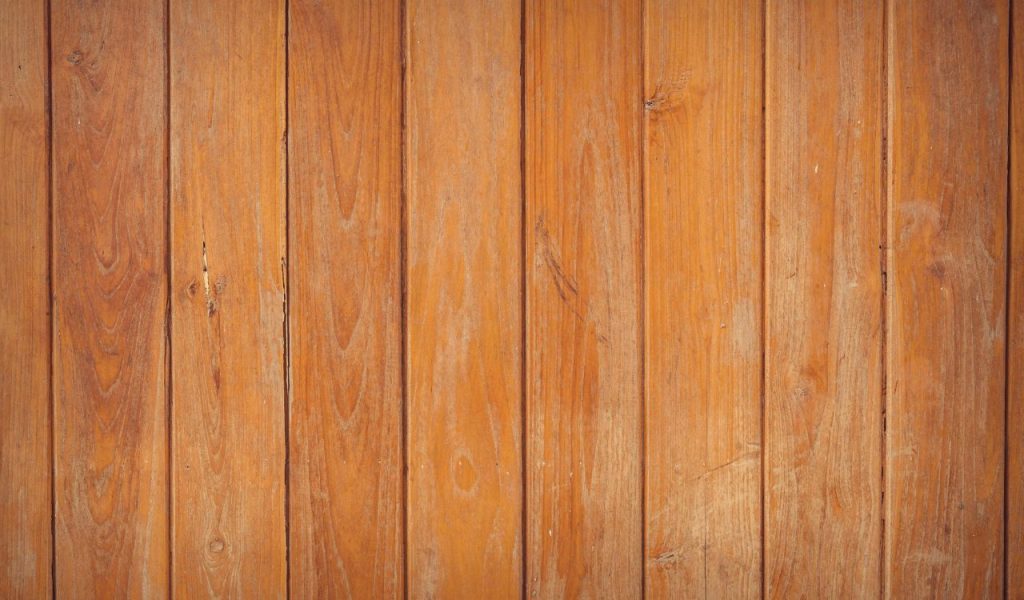
Architectural detailing can be used strategically to reshape perception without altering structural dimensions. Vertical paneling, slim molding strips, or elongated wood slats introduce strong upward lines that guide the gaze toward the ceiling. Unlike horizontal elements, which widen a space, vertical details emphasize height and proportion. When these panels extend close to the floor and continue upward without interruption, they create a sense of continuous elevation. The rhythm of repeated vertical segments builds a visual ladder effect that naturally encourages the eye to climb. Choosing designs that are narrow and evenly spaced prevents the wall from feeling heavy or cluttered.
5. Slim Furnishings
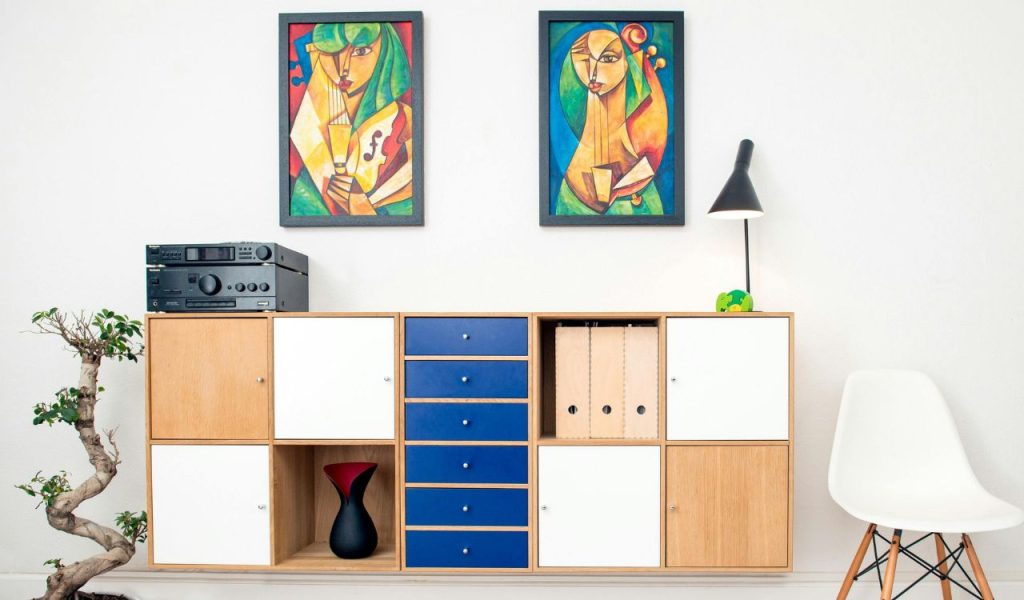
Furniture scale plays a surprisingly important role in shaping how tall a room appears. Wide, bulky pieces that spread horizontally can visually compress a space, emphasizing its width more than its height. In contrast, tall and narrow furnishings introduce vertical emphasis that balances proportions and enhances the sense of elevation. A slim bookshelf that reaches upward, a vertical cabinet, or a tall floor lamp subtly reinforces the upward movement within the room. These elements act as visual anchors that stretch the eye from floor to ceiling, reinforcing the perception of height. The key is proportion; pieces should feel appropriately scaled rather than overwhelming.
6. Raised Art

Artwork placement is often guided by conventional eye-level rules, but adjusting this norm can subtly enhance perceived height. Hanging artwork slightly higher than usual shifts the visual midpoint of the wall upward, encouraging the eye to travel higher before settling. This repositioning gently redefines how the wall’s proportions are interpreted. Vertical artwork, in particular, amplifies the effect by extending the gaze along a taller format. When pieces are arranged in stacked compositions, they create an upward visual path that elongates the wall further. Care must be taken not to crowd the ceiling, as excessive proximity can make the space feel constrained rather than expanded.
7. Low Contrast Lines
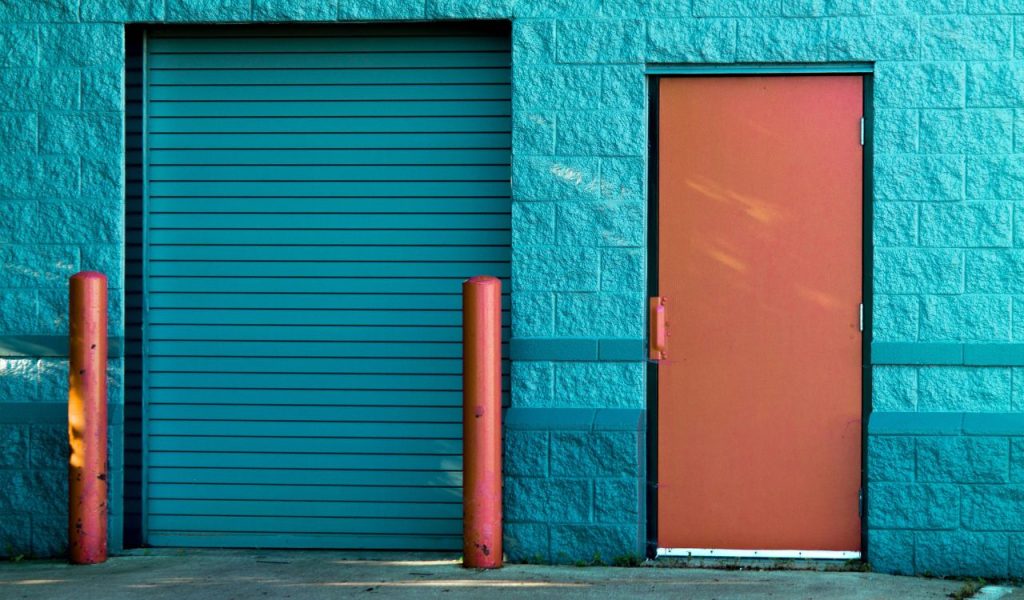
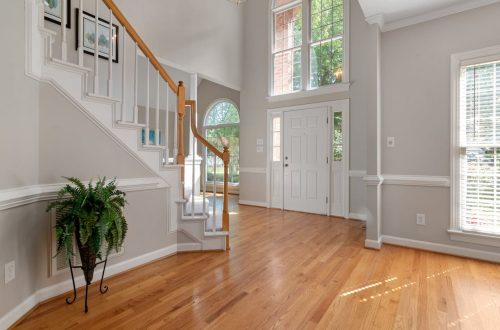
One of the most overlooked ways to make walls appear taller is by reducing strong horizontal contrast lines that visually divide the space. When bold color changes, heavy chair rails, thick crown molding, or sharply contrasting trim interrupt the wall, they create clear stopping points that define the room’s true height. The eye naturally pauses at these breaks, reinforcing the ceiling’s exact position and limiting any illusion of vertical expansion. By softening or minimizing contrast between walls, trim, and architectural edges, you allow the gaze to travel upward without interruption.