You do not need to fight through packed tourist lines to experience ancient history. Across the world, remarkable ruins sit quietly in valleys, deserts, and forests where the crowds rarely reach. When you walk through these places, the experience feels different. You hear wind moving through stone corridors, notice the texture of walls built centuries ago, and imagine the lives that once filled these spaces.
According to research published through UNESCO heritage studies and archaeological surveys, hundreds of preserved ruins receive only a fraction of the visitors seen at major destinations. That means you can wander ancient streets, climb temple steps, and study carved walls while feeling more like an explorer than a tourist.
1. Hegra, Saudi Arabia
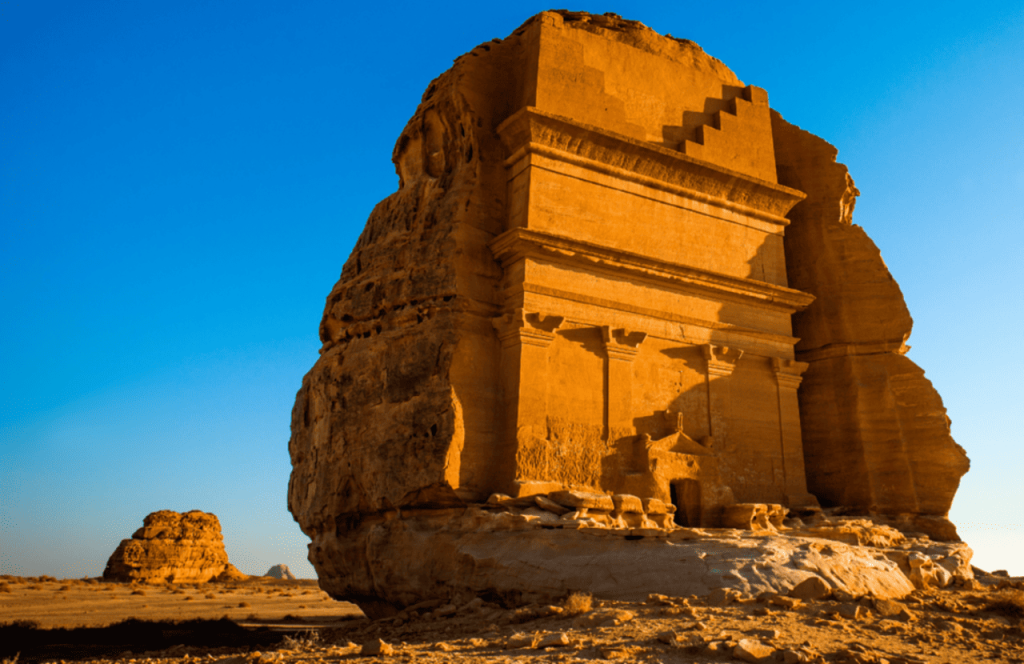
When you first arrive at Hegra, the silence is striking. Massive sandstone tombs rise from the desert, carved directly into rock faces more than two thousand years ago. The site belonged to the Nabataean civilization, the same culture that built Petra, yet far fewer travelers make the journey here.
Because the site spreads across a wide desert landscape, you can explore without feeling rushed. You move from tomb to tomb, noticing subtle differences in architecture and decoration. Archaeologists studying Nabataean trade networks note that this settlement played a key role in incense routes that connected Arabia with the Mediterranean world.
2. Timgad, Algeria
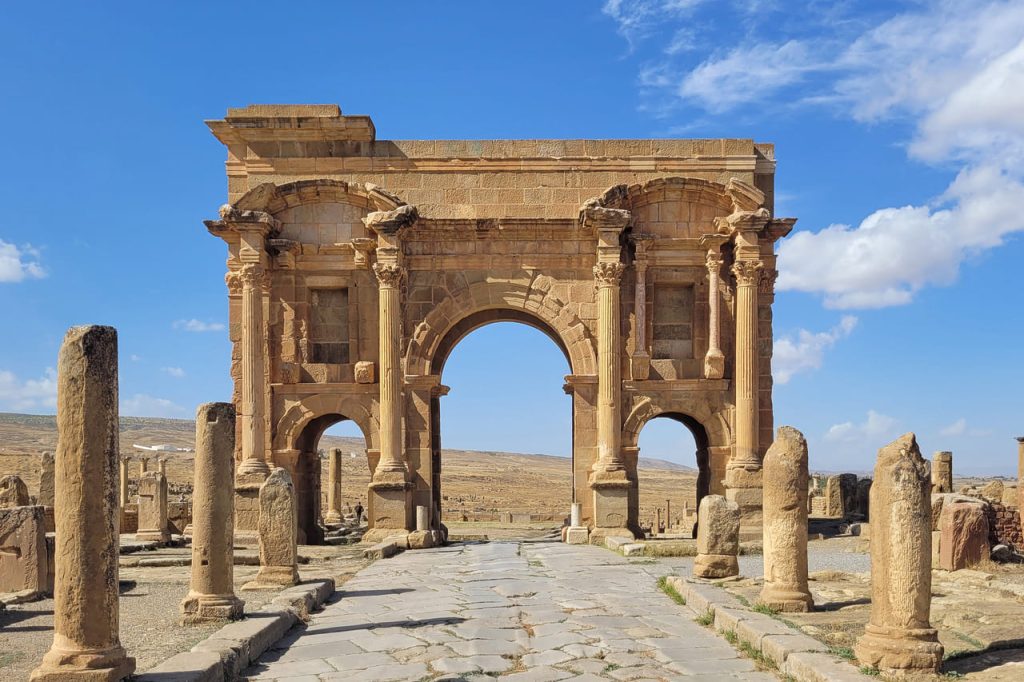
Timgad feels like a perfectly preserved Roman blueprint carved into the desert. Founded by Emperor Trajan around 100 CE, the city still reveals its original grid layout with surprising clarity. As you walk along the stone streets, you pass columns, bathhouses, temples, and market spaces that once formed a thriving provincial town. Without heavy crowds, you can easily imagine merchants, soldiers, and travelers moving through the same avenues.
The arch of Trajan still stands proudly at the edge of the city, framing the vast landscape beyond. The quiet atmosphere allows you to notice details that might be missed elsewhere, from worn cart tracks in the stone to the layout of ancient drainage systems.
3. Nan Madol, Micronesia
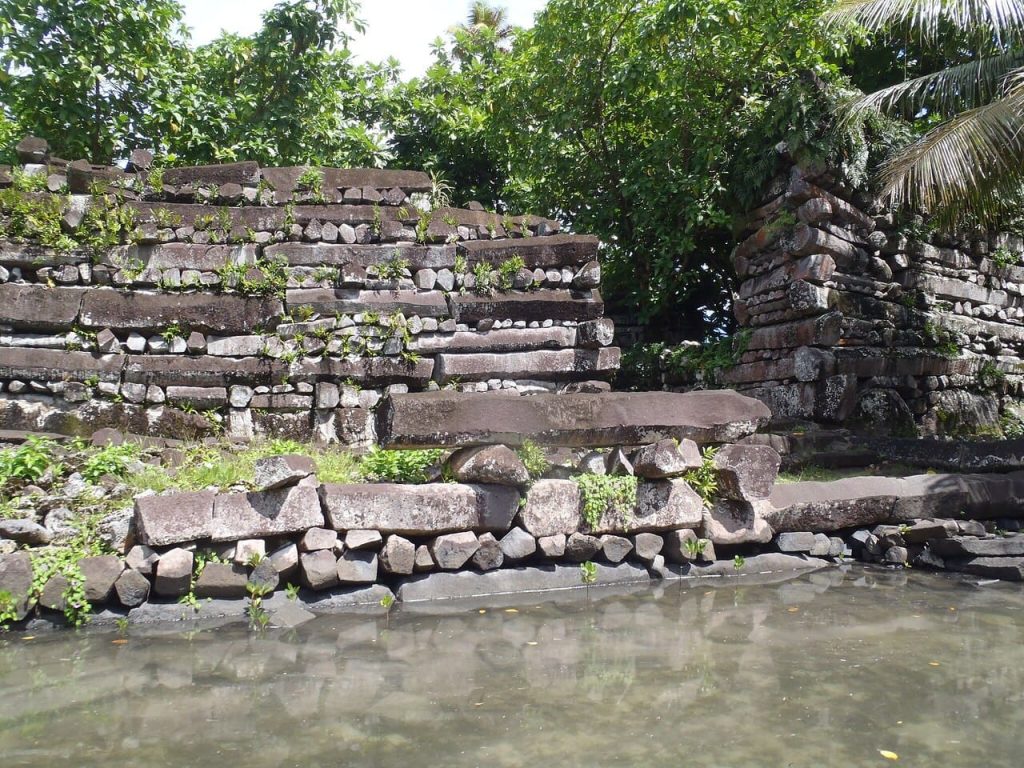
Nan Madol appears almost unreal when you first see it. The ruins sit on small artificial islands built from stacked basalt columns rising out of the Pacific Ocean. Constructed between the 13th and 17th centuries, the site served as the ceremonial and political center of the Saudeleur dynasty.
Because of its remote location, only a small number of visitors reach Nan Madol each year. The quiet setting makes the site feel mysterious and slightly otherworldly. Archaeological research published by the National Park Service and regional historians suggests the city once hosted religious rituals, elite residences, and political gatherings.
4. Great Zimbabwe, Zimbabwe
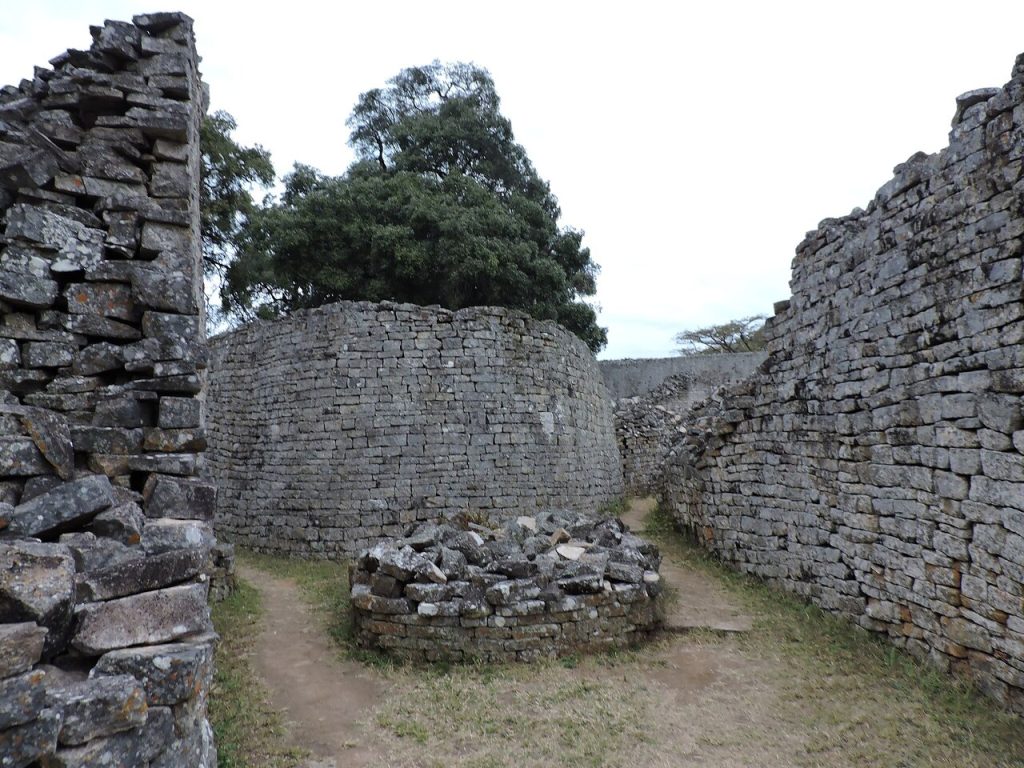
Great Zimbabwe stands as one of the most impressive ancient stone cities in Africa. Built between the 11th and 15th centuries, the site once served as the center of a powerful trading kingdom connected to Indian Ocean commerce. The most famous structure, known as the Great Enclosure, features towering dry stone walls built without mortar. Walking through its curved passages gives you a sense of the skill and planning behind the construction.
You also climb the nearby hill complex, where ancient rulers likely lived and governed. Archaeologists studying trade goods found at the site have discovered imported ceramics and glass beads, evidence of far-reaching connections across Africa and Asia.
5. Hattusa, Turkey
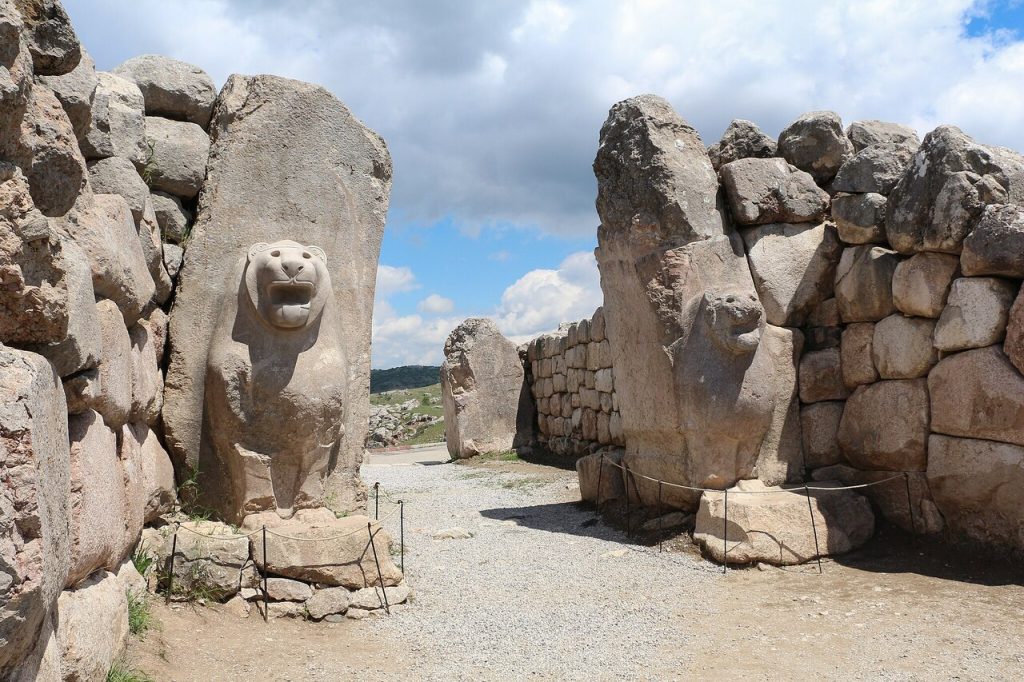
Hidden among rolling hills in central Turkey, Hattusa once served as the capital of the Hittite Empire more than three thousand years ago. Today, enormous stone gates and defensive walls still mark the boundaries of the ancient city. As you walk through the Lion Gate or the Sphinx Gate, you follow paths once used by diplomats, soldiers, and traders visiting the imperial capital.
Large sections of temples and administrative buildings remain scattered across the landscape. Archaeologists have uncovered thousands of clay tablets here that reveal details about Hittite law, diplomacy, and religion. Because the ruins spread across a wide hillside, you often find yourself exploring large sections completely alone.
6. Chan Chan, Peru
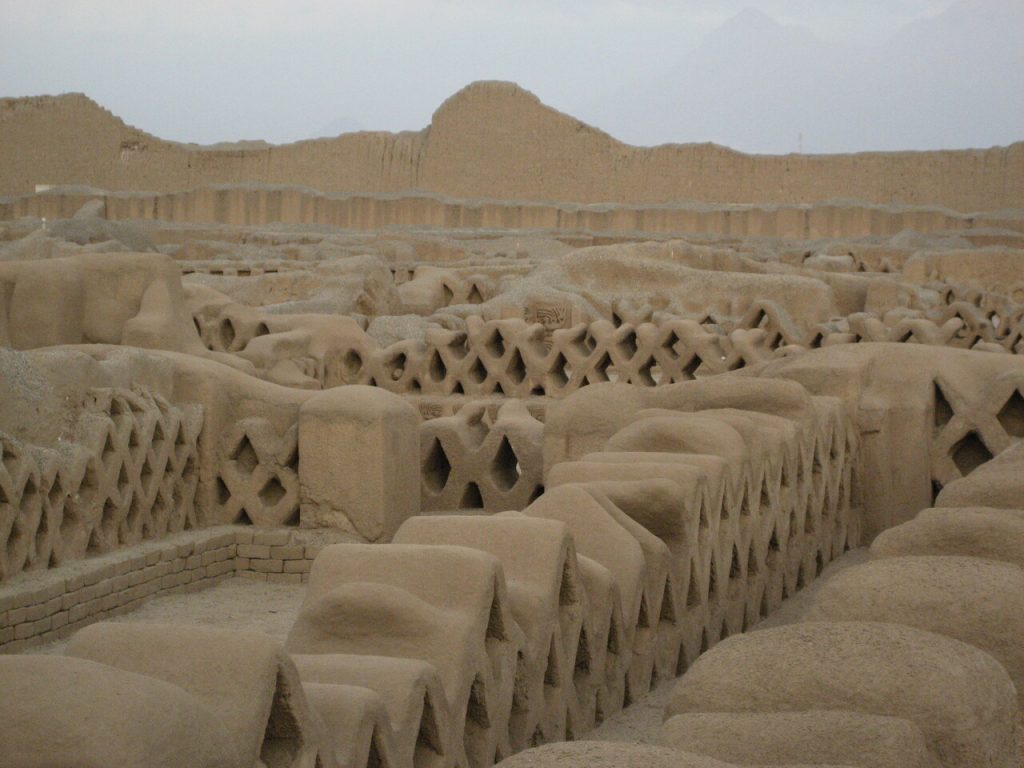
Chan Chan was once the largest adobe city ever built in the Americas. Constructed by the Chimú civilization around the 9th century, the city contains massive walled compounds decorated with repeating patterns of fish, waves, and birds. As you walk through the sandy corridors, you see large ceremonial plazas, storage areas, and royal residences carefully arranged within the complex.
Although the site sits near the city of Trujillo, it rarely attracts the overwhelming crowds seen at Peru’s more famous ruins. Archaeologists studying the Chimú culture note that the city controlled extensive coastal trade networks before the Inca Empire eventually conquered it. The quiet atmosphere lets you focus on the intricate wall designs and the sheer scale of a city built entirely from earth.
7. Ani, Turkey
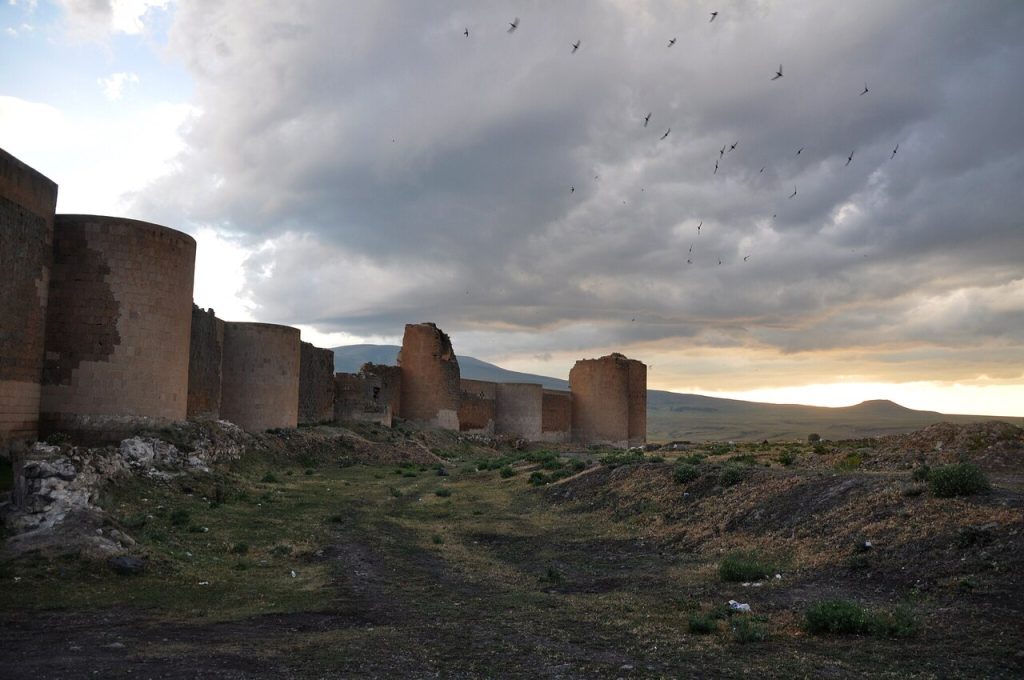
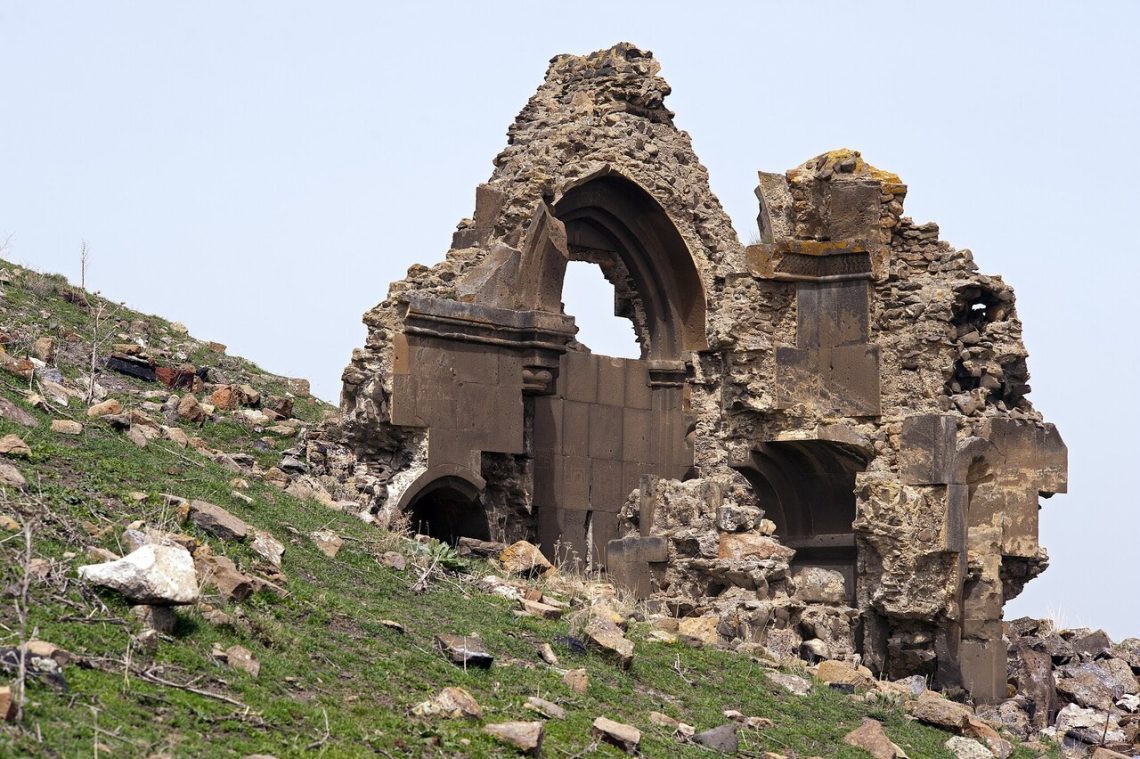
Ani sits dramatically along a windswept plateau near the modern border between Turkey and Armenia. Once known as the City of a Thousand and One Churches, Ani thrived during the medieval period as a major center along Silk Road trade routes. Today, the ruins include cathedral walls, collapsed monasteries, and sections of city fortifications overlooking a deep river gorge.
Because the site lies far from major tourist routes, you often explore the landscape in near silence. Historians studying the medieval Armenian kingdom describe Ani as one of the most important cities of its time, rivaling major regional capitals. Walking among the scattered churches and arches today, you experience a powerful mix of beauty, history, and quiet isolation.