Small habits shape your life more than you think. These everyday actions quietly improve your mood, health, and relationships. Across the United States, town squares once served a simple purpose. They were the physical center of civic life. Farmers sold produce, neighbors exchanged news, and community events unfolded in full view of everyone.
Over time, many places replaced those gathering spaces with parking lots, highways, or indoor malls. Yet a handful of towns never lost the habit of meeting in the square. When you visit them today, the rhythm still feels familiar. People linger, talk, and participate rather than simply pass through.
1. Woodstock Town Square
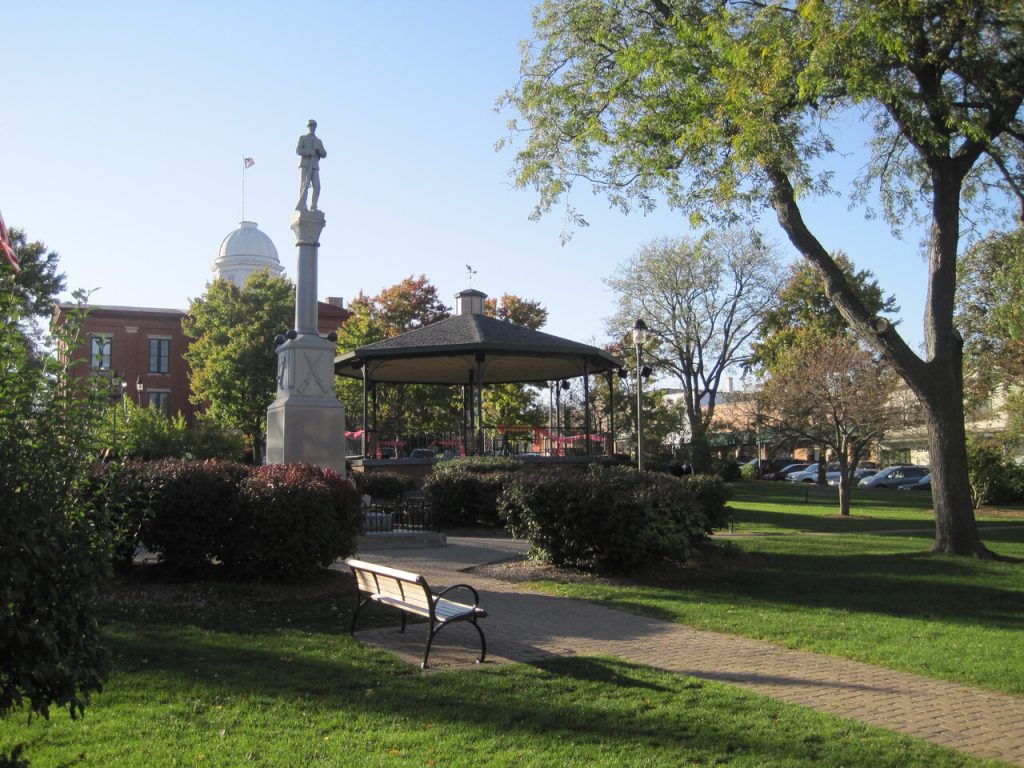
When you walk onto Woodstock’s square, you immediately sense that the design still works the way it did generations ago. The courthouse anchors the center while shops, cafés, and bookstores line the surrounding streets. Because everything faces inward, people naturally gather here rather than rushing through. Farmers’ markets, summer concerts, and seasonal festivals keep the square active through most of the year. You quickly notice how easily conversations start when people share the same open space.
The square also gained national attention after appearing in the film Groundhog Day, but the deeper story is its preservation. Local leaders protected the historic layout instead of redesigning it for heavy traffic.
2. Courthouse Square
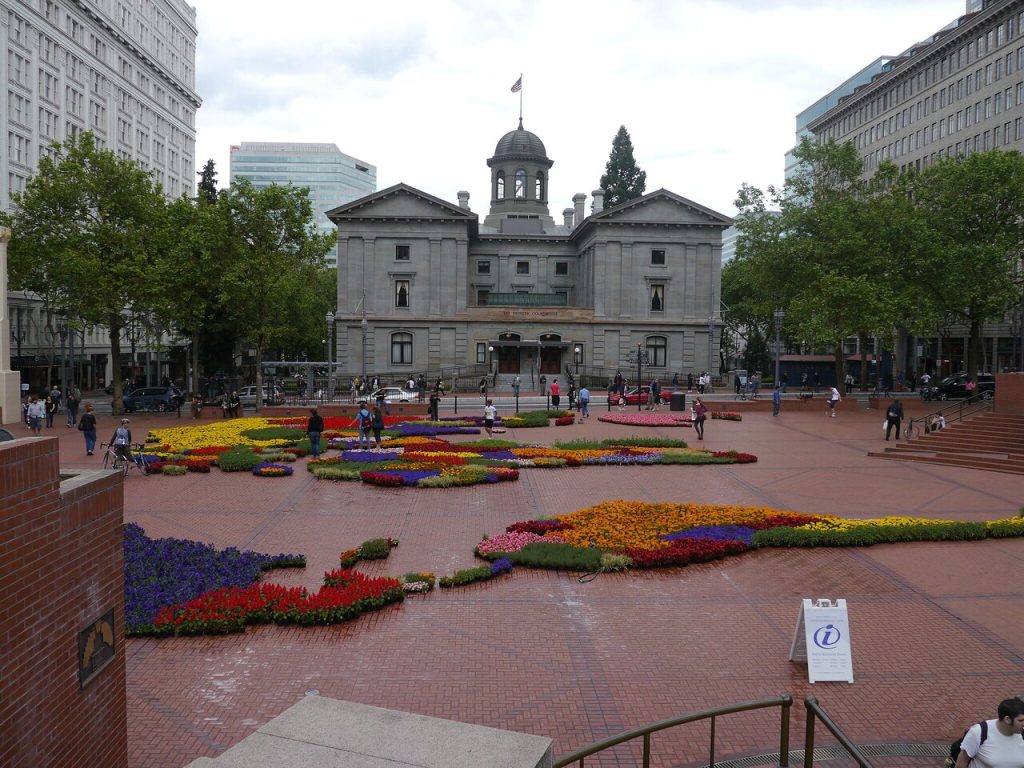
Oxford’s courthouse square offers a slightly different atmosphere, shaped by the nearby University of Mississippi and a deep literary history. Independent bookstores, cafés, and music venues surround the courthouse, giving the area a steady flow of students, residents, and visitors. When you stroll across the square, you see people reading on benches, talking outside coffee shops, or stopping to listen to street musicians. The design encourages wandering rather than rushing.
What makes the square feel authentic is the daily routine it supports. Locals treat it as a meeting place, not a tourist attraction. When you visit, you quickly understand why people keep returning to the same few blocks.
3. Santa Fe Plaza
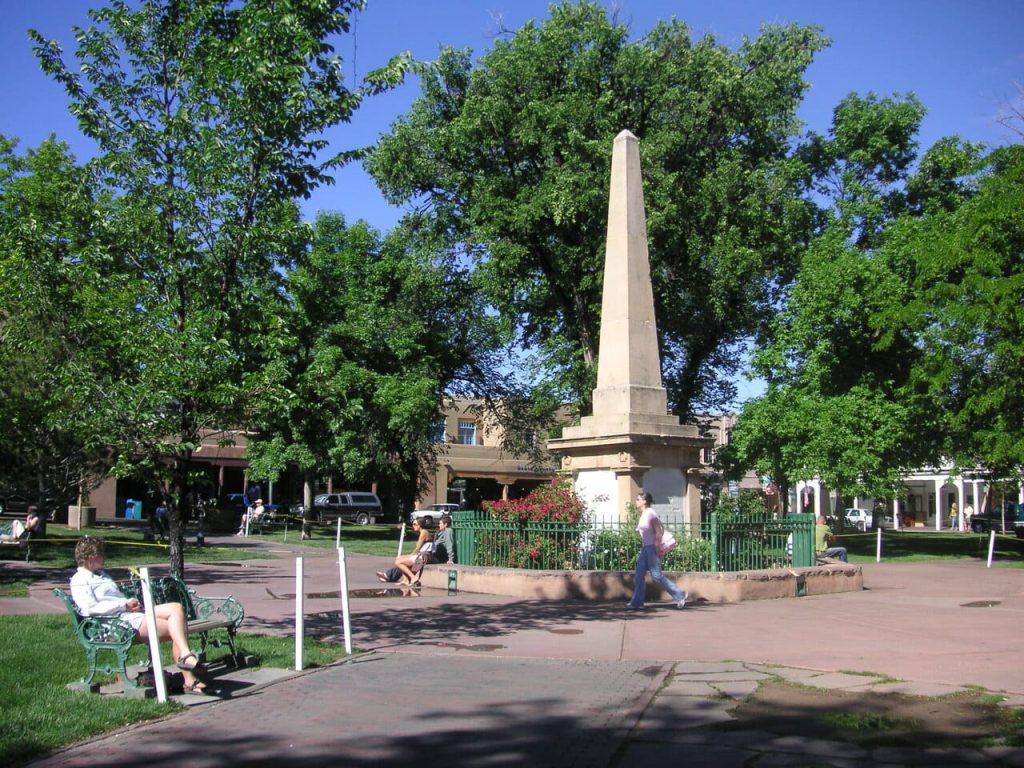
In Santa Fe, the central plaza reflects a much older tradition of community gathering. Established during Spanish colonial planning in the early 1600s, the plaza still functions as the cultural heart of the city. When you enter the open space, adobe buildings, galleries, and museums frame the square while local artisans display handmade jewelry and crafts beneath shaded walkways. The setting encourages slow exploration and conversation.
The plaza also hosts regular markets and cultural celebrations that reflect the region’s Native American and Hispanic heritage. Spend time here, and you realize the square works not because it is preserved as history, but because people still use it the way communities did hundreds of years ago.
4. Medina Public Square
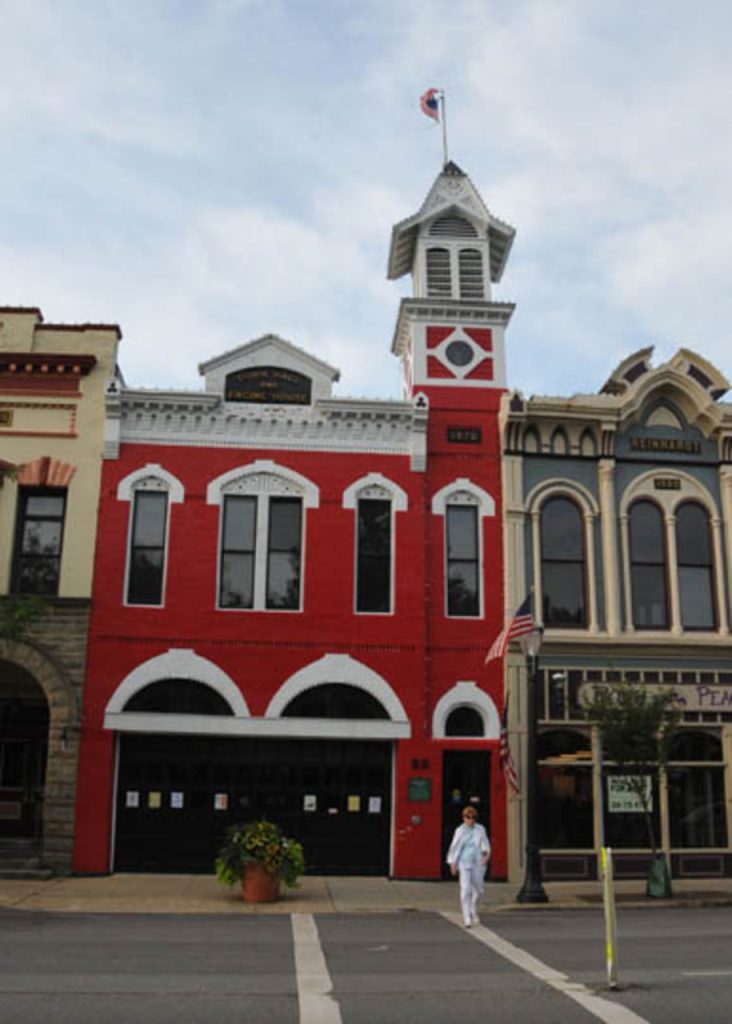
Medina’s public square demonstrates how a traditional courthouse layout can remain central to everyday life. The square forms a neat diamond of green space surrounded by historic buildings, bakeries, restaurants, and small shops. Residents come here for farmers’ markets, evening concerts, and the well-known Candlelight Walk that fills the square with thousands of lights each winter.
Urban planners frequently cite Medina when discussing successful small-town revitalization. Rather than abandoning the historic center, local leaders encouraged businesses and events that kept people returning regularly. When you visit, the square feels active because it truly belongs to the people who use it every week.
5. Healdsburg Plaza
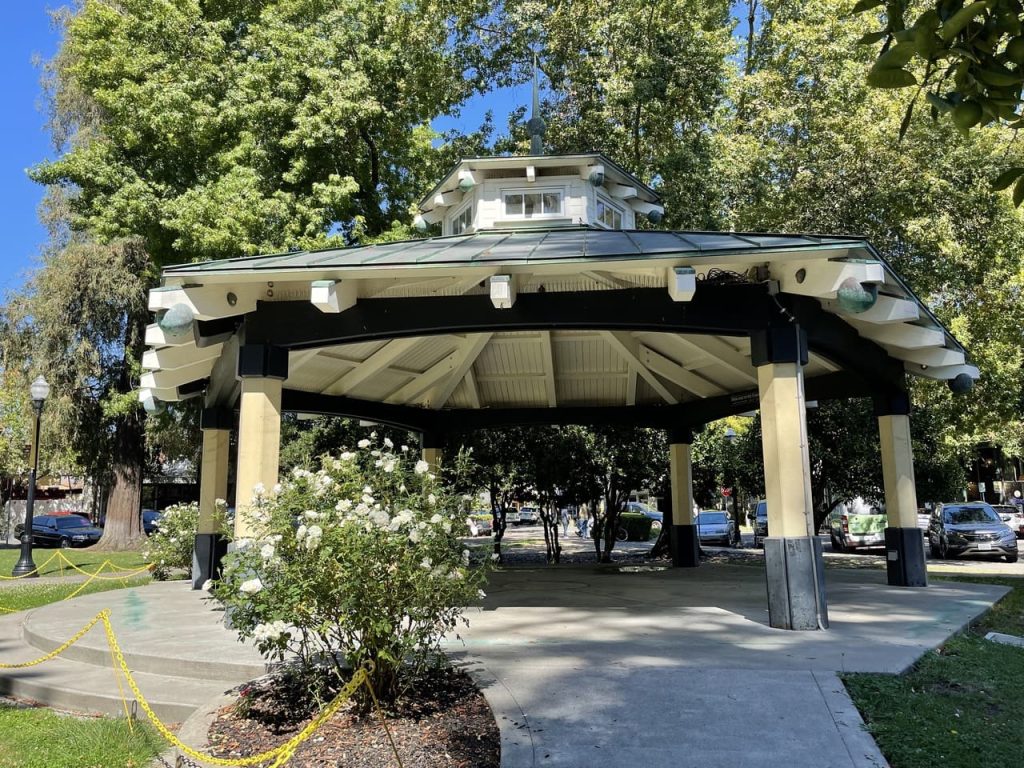
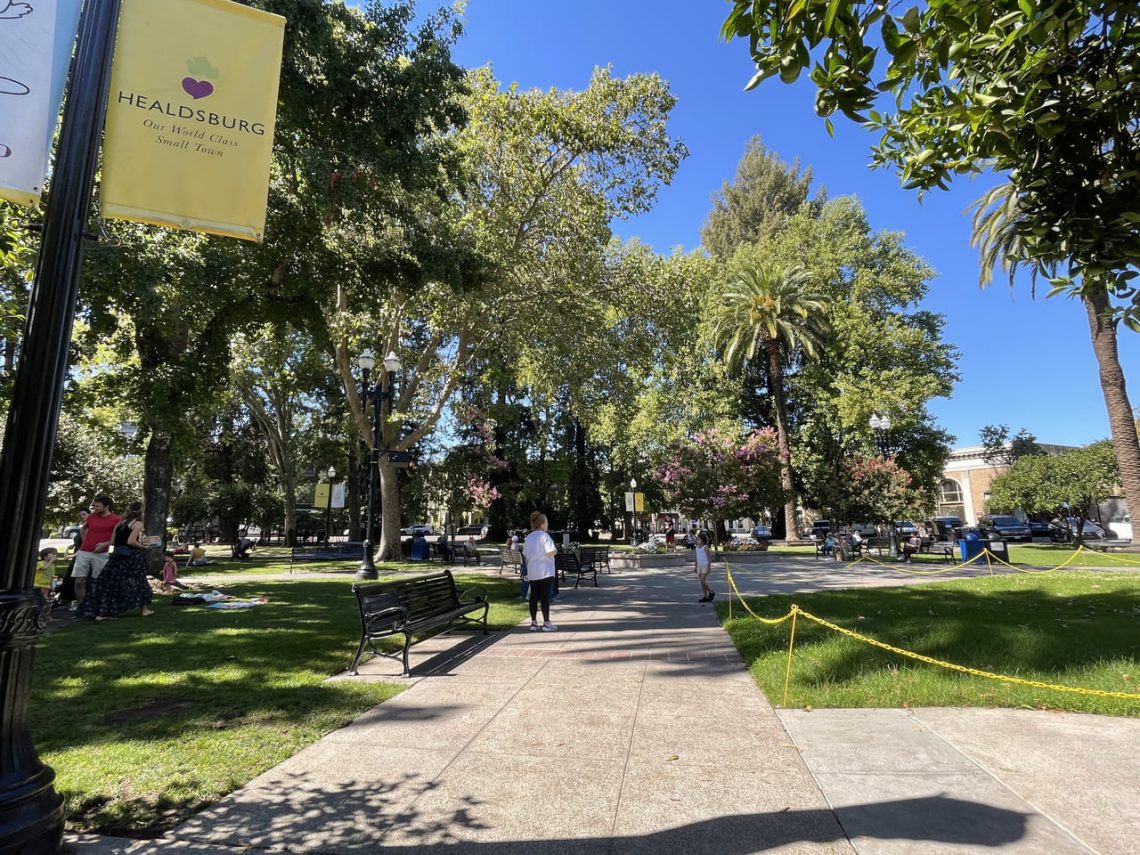
Healdsburg’s plaza sits in the middle of Sonoma County wine country, yet the space still operates like a traditional town gathering spot. The square centers around a grassy park shaded by large trees, with tasting rooms, bakeries, and restaurants surrounding it on all sides. Visitors often picnic on the lawn while locals bring children or dogs to spend a relaxed afternoon in the open space.
What keeps the plaza lively is how seamlessly tourism blends with everyday life. Farmers’ markets, outdoor concerts, and seasonal celebrations draw people into the same shared environment. Healdsburg manages that balance well. When you sit in the park and watch the square fill with conversation and music, it feels less like a destination and more like a neighborhood living room.
6. Abingdon Historic District
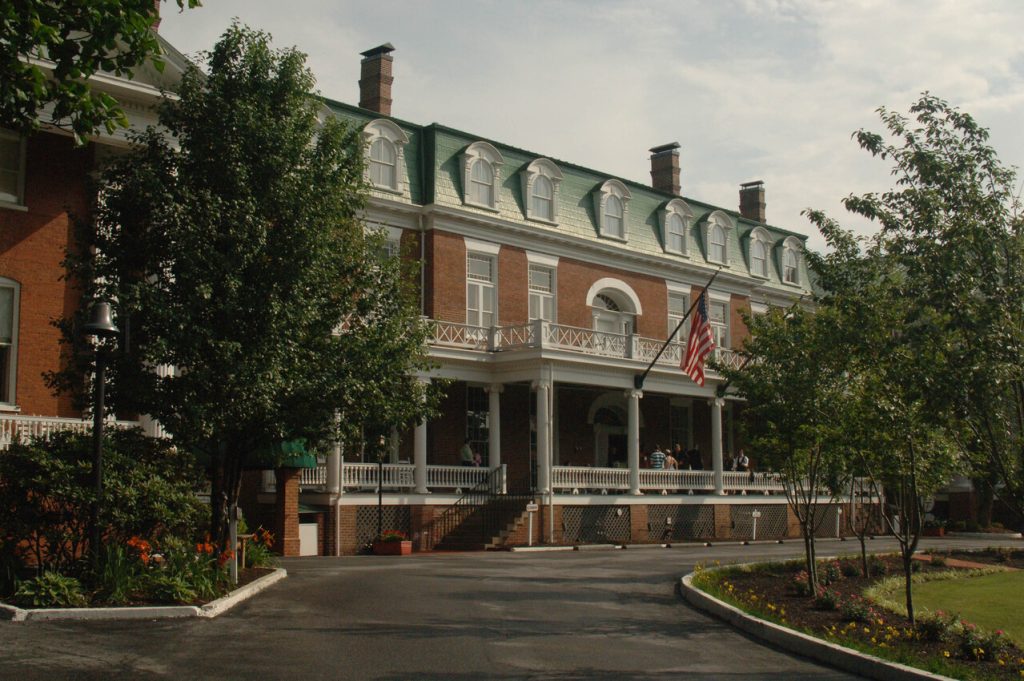
Abingdon’s historic district centers on a walkable square that blends civic buildings, galleries, and locally owned shops. Brick sidewalks guide you past historic storefronts toward the courthouse and green spaces where community events regularly unfold. The pace feels relaxed, and the layout encourages you to explore on foot rather than driving from place to place.
The nearby Barter Theatre helps anchor cultural life around the square. Visitors attending performances often arrive early to browse bookstores or dine at local restaurants. Preservation groups and planning studies frequently highlight Abingdon as an example of how arts institutions can strengthen traditional downtown spaces.