Many retirees choose to relocate in hopes of finding a more comfortable climate, a slower pace of life, or a lower cost of living. However, the reality of moving to a new region can differ greatly from expectations. Weather patterns may be harsher than anticipated, healthcare access may be more limited, and living expenses may be higher than what retirees originally planned for. Beyond the brochures and online descriptions, each region has unique challenges that may not be obvious until after settling in. By understanding these unexpected realities, retirees can make more informed decisions.
1. The Southwest

The Southwest attracts retirees with promises of warm winters, scenic desert landscapes, and vibrant retirement communities, but many find the climate far more intense than expected. Summers can be brutally hot, stretching for months with temperatures that limit outdoor activity and strain energy budgets. Water scarcity, increasing utility costs, and rapid population growth also impact daily living more than newcomers anticipate. What initially seems like a peaceful, sunny escape often reveals itself as a region with environmental and lifestyle challenges that require adjustment and careful planning. Appealing, but not as easygoing as retirees imagine.
2. The Pacific Northwest
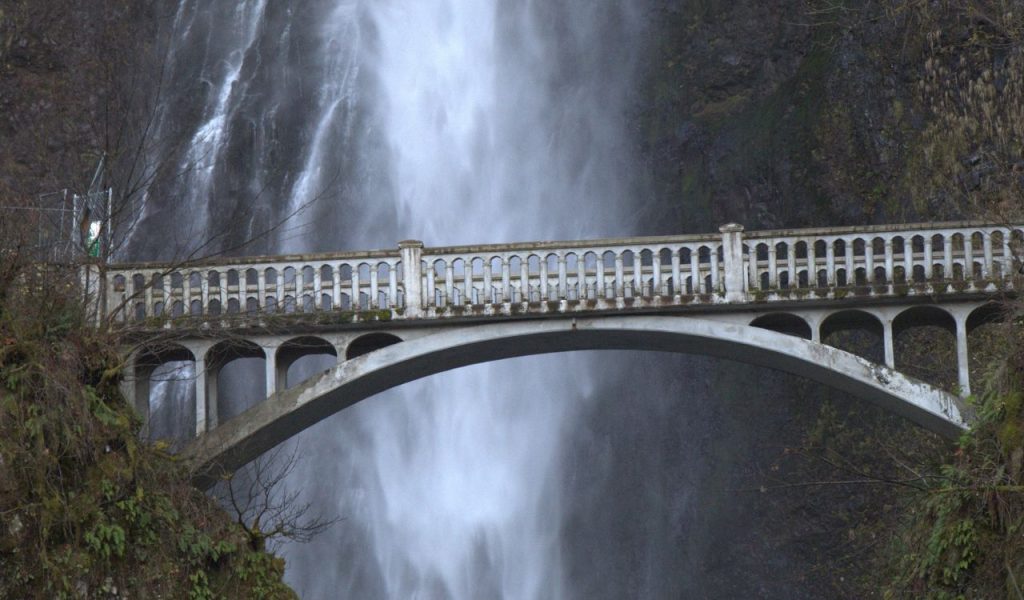
The Pacific Northwest is often envisioned as a serene environment filled with natural beauty, mild temperatures, and lush greenery. However, many retirees are surprised by how persistent the cloudy and rainy weather can be, especially during the fall and winter months. The extended gray skies can affect mood, energy levels, and outdoor plans. Additionally, the rising cost of living in popular cities and even smaller scenic towns makes the region less affordable than many retirees expect. While the forests and coastline Despite its appeal, the gray weather and high costs often clash with the peaceful lifestyle retirees expect.
3. The Southeast Coast
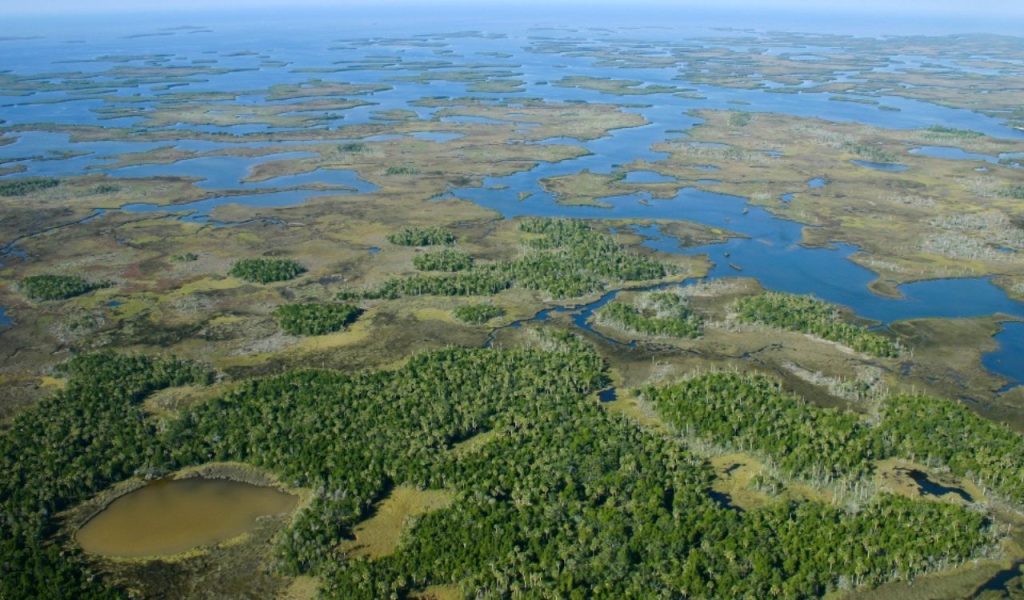
The Southeast Coast draws retirees with visions of warm beaches, gentle breezes, and laid-back waterfront living. Yet many discover that the reality includes frequent hurricanes, high humidity, and rising insurance costs. Weather-related maintenance becomes a persistent responsibility, and seasonal tourist crowds can make some areas feel far busier than expected. Coastal erosion and storm risks also create long-term concerns for homeowners. While the region still offers beautiful scenery and appealing communities, the day-to-day challenges are particularly those tied to the climate.
4. The Mountain West
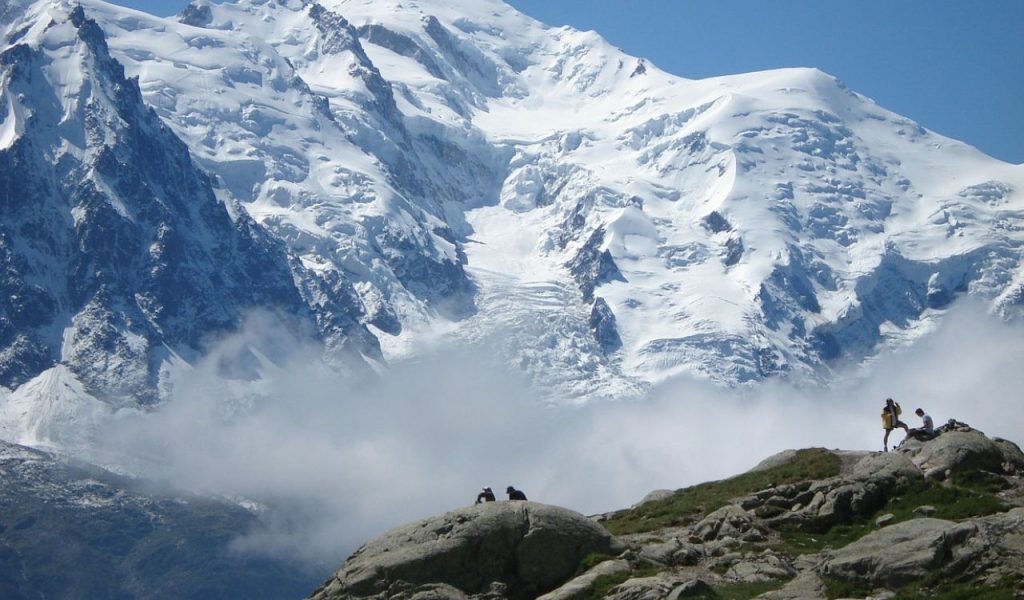
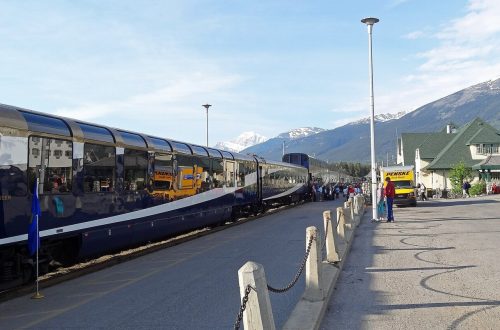
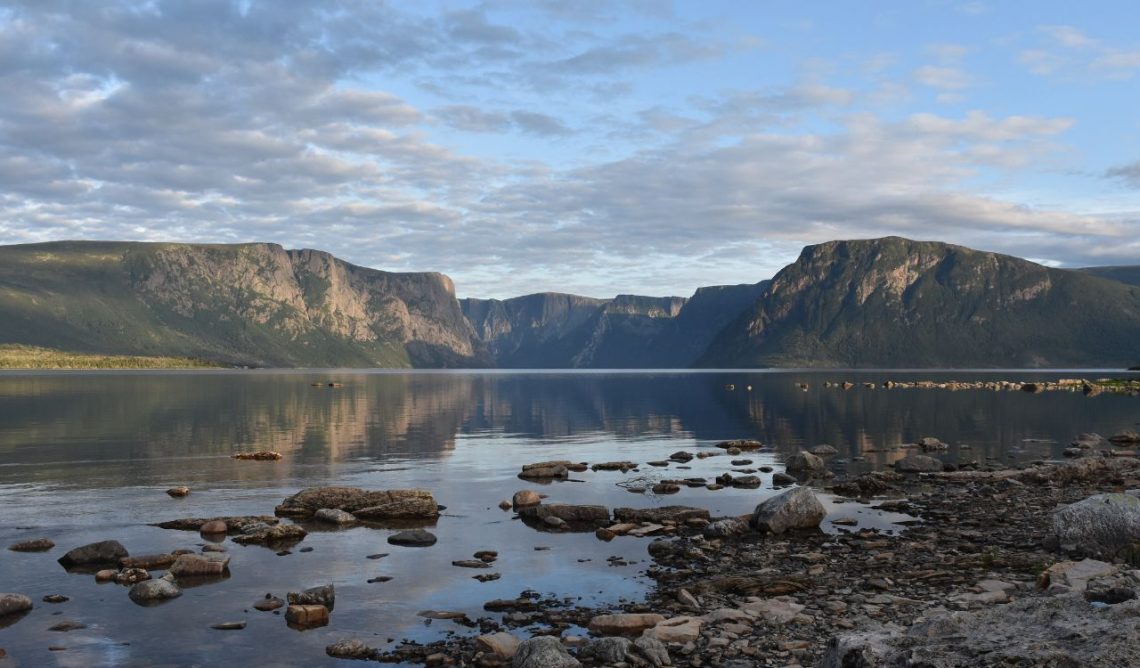
The Mountain West entices retirees with its striking views, crisp air, and opportunities for outdoor recreation, but the region’s demanding climate can be more difficult to manage than they anticipate. High elevations can contribute to respiratory issues, while long, snowy winters create mobility challenges and increase heating costs. Many picturesque small towns also have limited healthcare access and fewer year-round amenities, making daily life less convenient. Rising housing prices in popular mountain destinations further complicate retirement budgets. Although the Mountain West is beautiful, its rugged conditions often differ significantly from the peaceful, nature-filled lifestyle retirees envision.
5. The Northeast
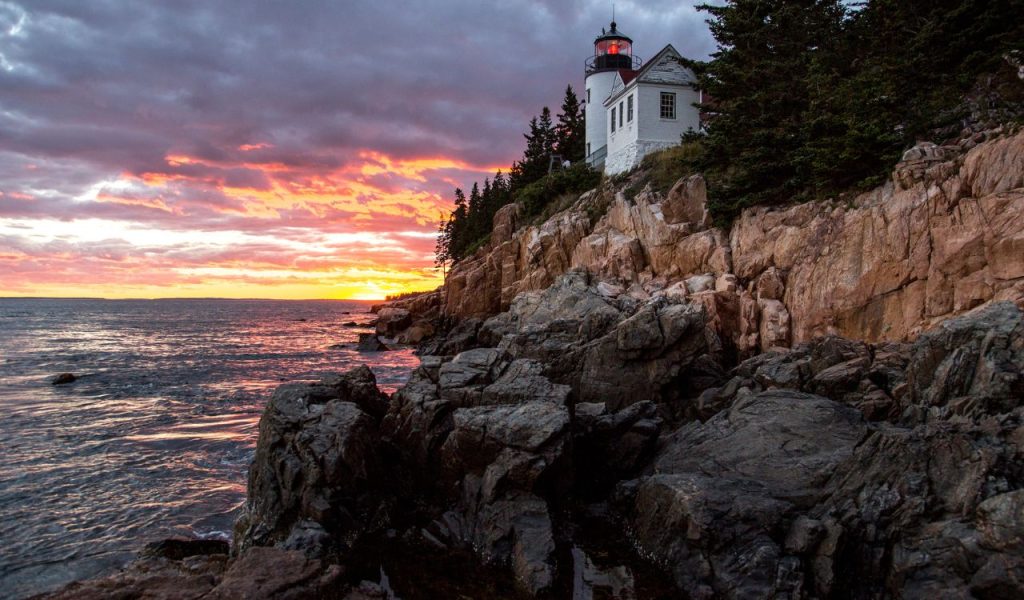
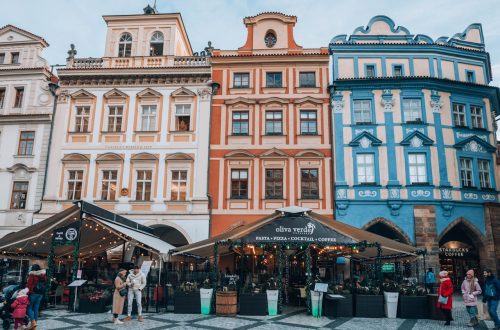
The Northeast offers rich culture, historic charm, and stunning seasonal beauty, yet many retirees find the overall cost of living and harsh winter weather more challenging than they expected. Property taxes, heating bills, and maintenance costs can be significantly higher than in other regions. While autumn brings iconic scenery, the long, cold, and snowy winters often feel overwhelming, especially for those seeking a mild climate. Access to healthcare and amenities is strong, but the region’s financial and weather-related demands can quickly overshadow its appeal.
6. The Midwest
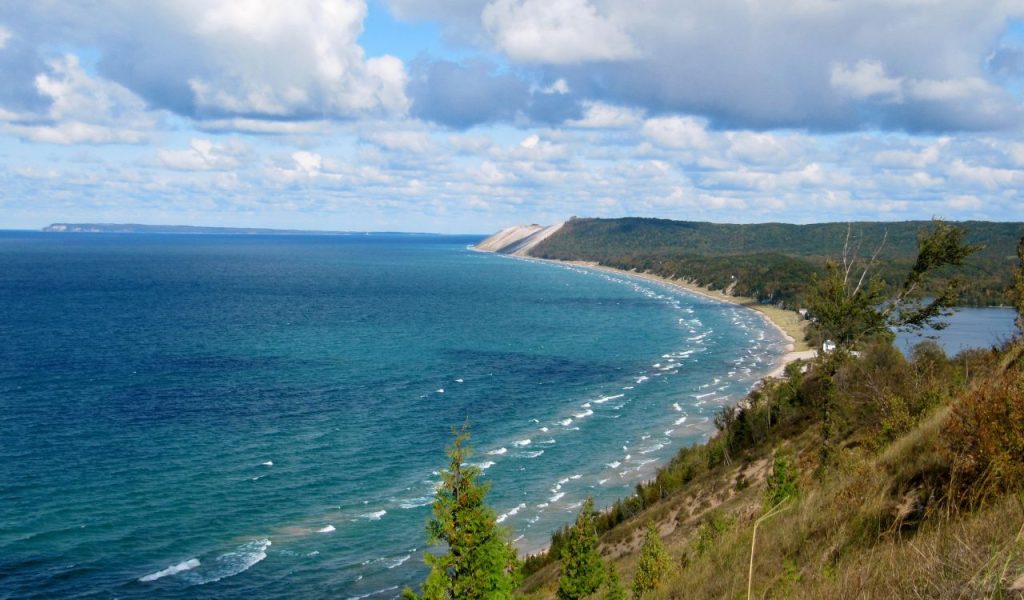
The Midwest is frequently promoted as an affordable, friendly, and peaceful place to retire, yet many newcomers find that its extreme seasonal changes and quieter pace of life present unexpected challenges. Winters can be long, icy, and bitterly cold, making mobility and outdoor activities difficult for older adults. While the cost of living is generally lower, access to major healthcare centers may require long drives, especially in rural areas. Some retirees also feel socially isolated in smaller towns that offer fewer entertainment or cultural amenities. Though welcoming and calm, the Midwest can feel more remote.