

When you walk into a room, you may focus on whether it looks tidy, but guests notice far more. Subtle sensory cues shape comfort within seconds, from scent to lighting and the overall feel of the space. First impressions form quickly, often before a word is spoken, and small details quietly influence how welcome people feel. These cues often matter more than décor alone.
You set the tone through choices that signal care. Guests read these signals instinctively, forming opinions about cleanliness and warmth. When you pay attention to what stands out first, you create a space that feels genuinely inviting, helping visitors relax and settle in from the moment they arrive. Even minor adjustments can shift the mood in a meaningful way, and a thoughtful environment makes time together more comfortable.
1. The Scent in the Air
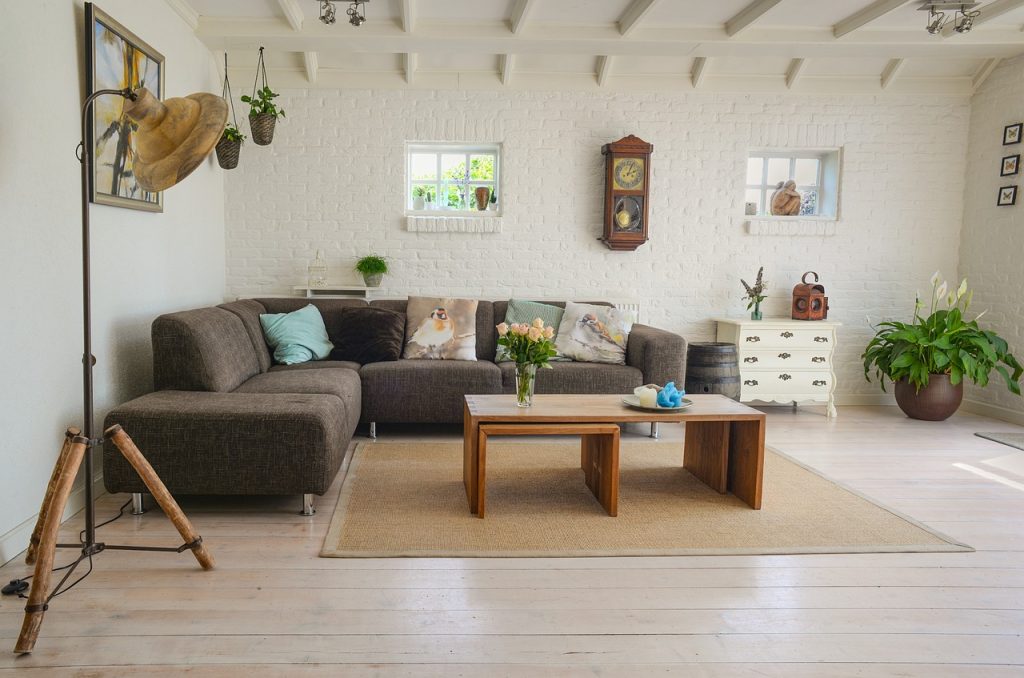
You may not notice lingering odors because you live with them, but guests notice right away. A light, clean scent signals comfort, while stale or heavy smells can create quiet unease. Guidance from the Centers for Disease Control and Prevention highlights how indoor air quality shapes perceptions of cleanliness and overall well-being, especially in shared spaces where people rely on sensory cues.
You can refresh the room by opening windows, improving airflow, and keeping fragrances subtle. Gentle freshness reassures without overwhelming the senses, helping guests settle in comfortably and focus on the experience rather than the environment.
2. Lighting and Natural Brightness
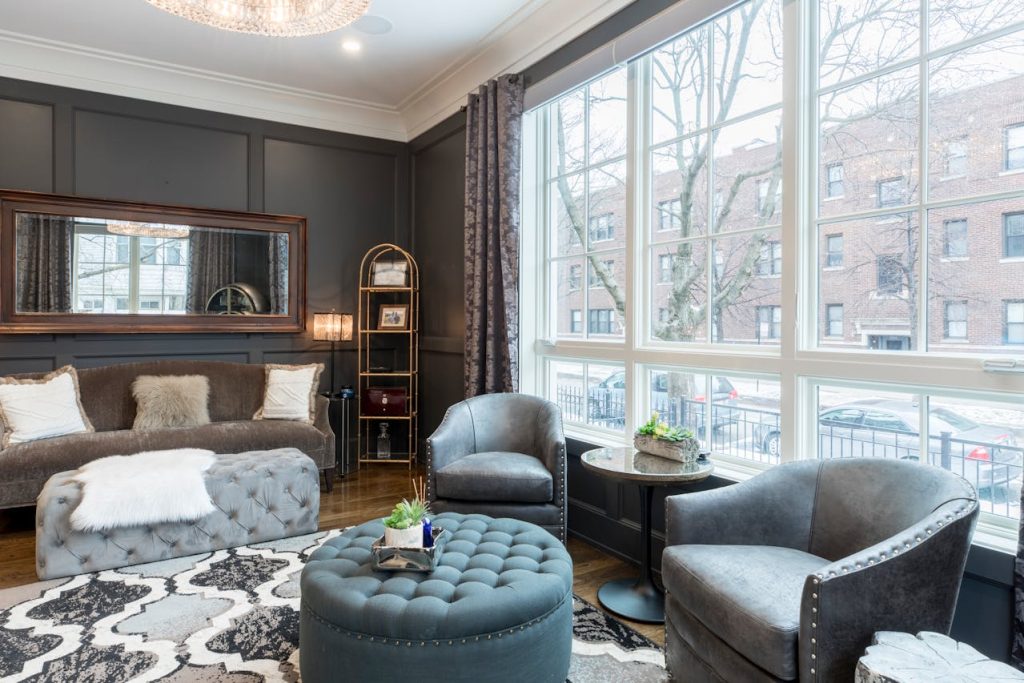
You might adapt to dim corners or harsh bulbs, yet guests instantly gauge how lighting makes them feel. Soft, balanced light communicates warmth, while overly bright or shadowy spaces can feel uninviting. Hospitality studies consistently show that lighting influences mood and perceived comfort more than most hosts expect.
You can open curtains, layer light sources, and choose bulbs that mimic natural daylight to create a welcoming atmosphere. When a room feels visually comfortable, guests settle in more easily and interpret the space as cared for. Thoughtful lighting also highlights cleanliness and design, reinforcing a positive impression without extra effort.
3. Visible Cleanliness of High-Touch Areas
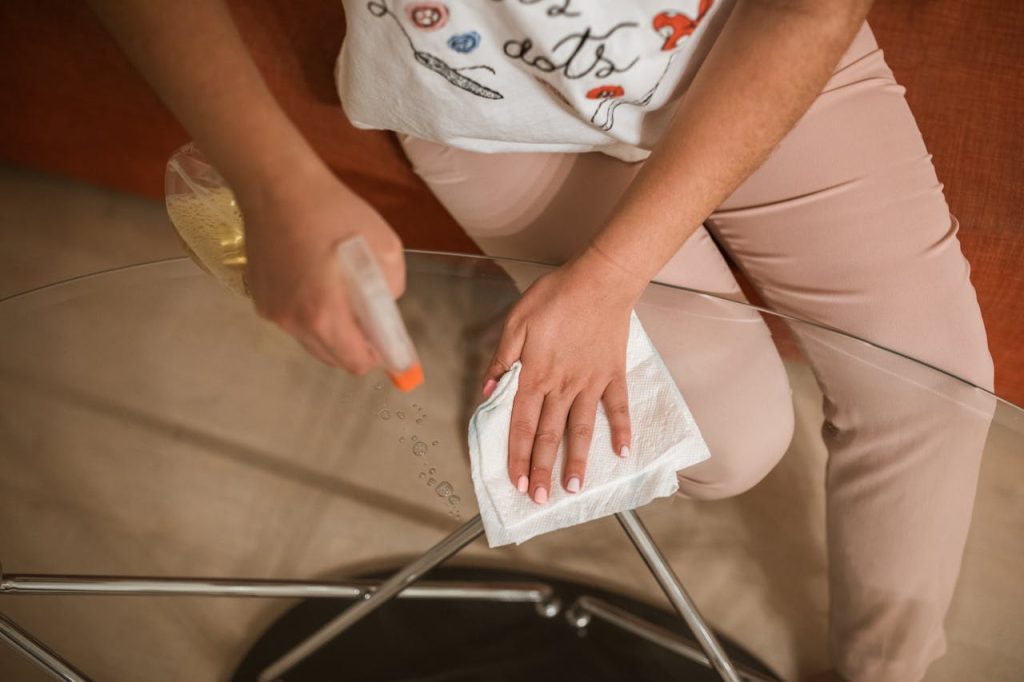
You may focus on overall tidiness, but guests look closely at doorknobs, tabletops, and switches. These spots signal whether the space is truly clean or only appears so. Public health guidance emphasizes that high-touch surfaces shape perceptions of safety and attention to detail.
You can quickly wipe these areas before guests arrive to show care in ways that feel reassuring rather than performative. When surfaces look spotless, visitors feel comfortable placing their belongings down and relaxing. This small step communicates respect for their presence and builds trust from the start. It also helps reduce the spread of everyday germs, reinforcing a sense of care.
4. Room Temperature and Airflow
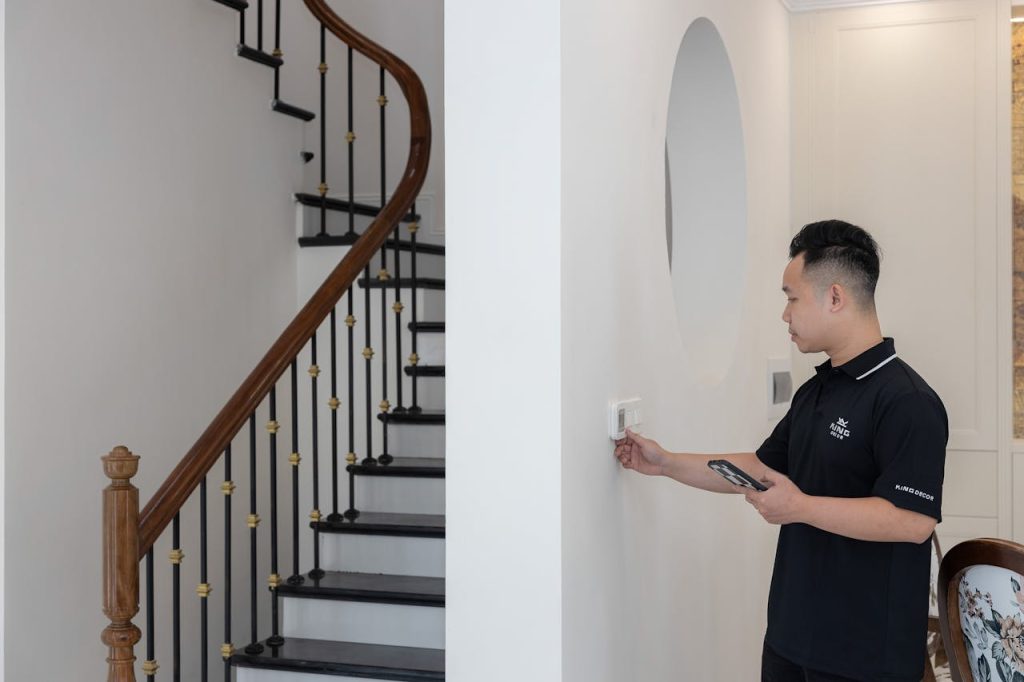
You might feel comfortable with your usual thermostat setting, yet guests notice temperature differences right away. Rooms that feel stuffy or overly cold can distract from conversation and make people restless. Environmental comfort research highlights temperature as a key factor in guest satisfaction.
You can adjust airflow, offer a fan, or check that the space feels balanced before anyone arrives. When guests sense that the environment suits them, they settle in without distraction. A comfortable climate signals that you anticipated their needs, even if they never mention it aloud. Small adjustments before guests arrive can make the space feel immediately welcoming.
5. Clutter and Visual Calm
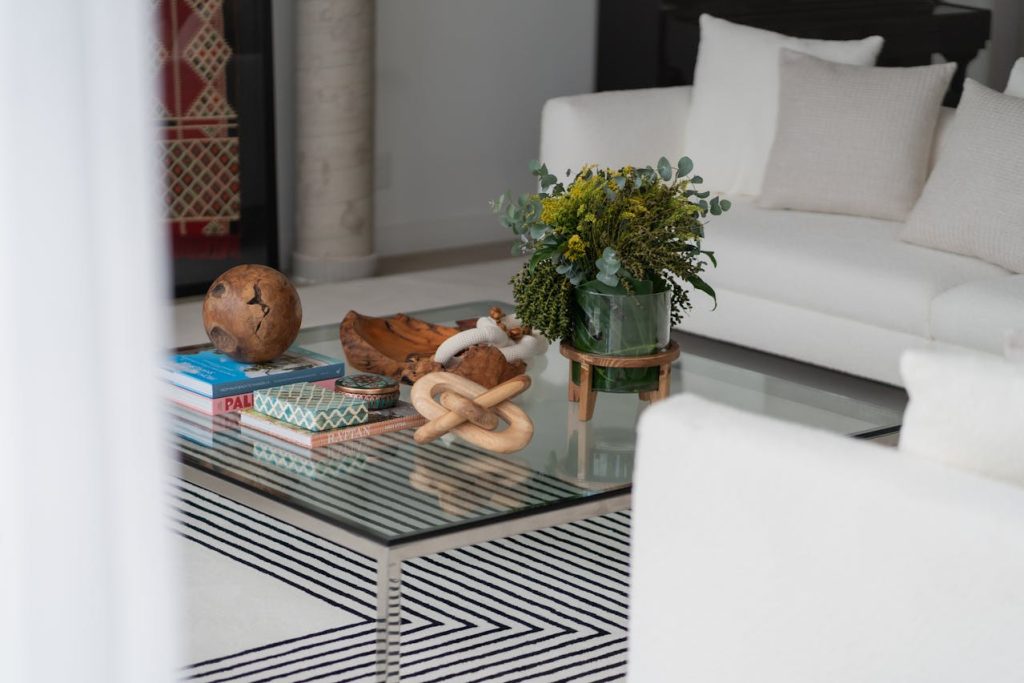
You may see everyday items as part of normal life, but guests read clutter as visual noise. Too many objects can feel overwhelming and reduce the sense of order, even if the room is technically clean. Design research shows that simplified spaces help visitors feel more relaxed and focused.
You can clear surfaces and store unnecessary items to create breathing room. A visually calm environment allows guests to feel welcome without feeling like intruders in a busy space. Thoughtful editing communicates intention and makes your room feel open and inviting. Even small decluttering steps can noticeably improve how the room feels at first glance.
6. Personal Touches and Signs of Care
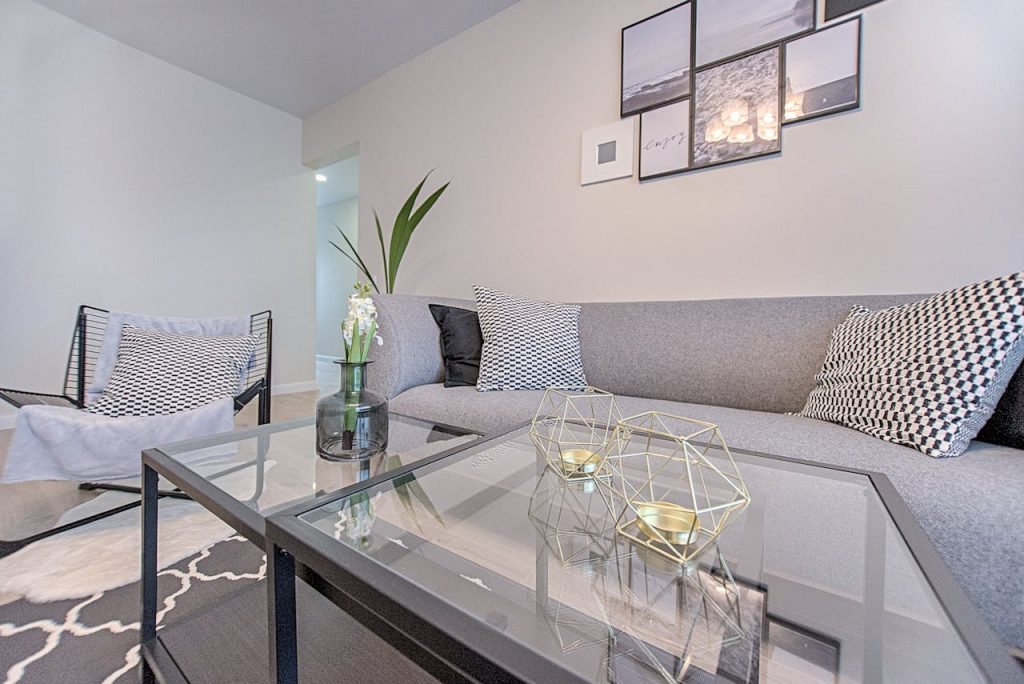
You might overlook small gestures, yet guests notice cues that show you’re prepared for them. Fresh towels, a tidy seating area, or a simple arrangement suggest hospitality and attentiveness. Behavioral studies in lodging environments find that personal touches strongly influence perceived warmth.
You can add subtle details that feel genuine rather than staged. When guests sense effort, they interpret the space as welcoming and considerate. These signals build comfort quickly and help visitors feel valued from the moment they arrive. A handwritten note or a small refreshment can make the welcome feel more personal. Even simple touches show that you thought about their comfort.