
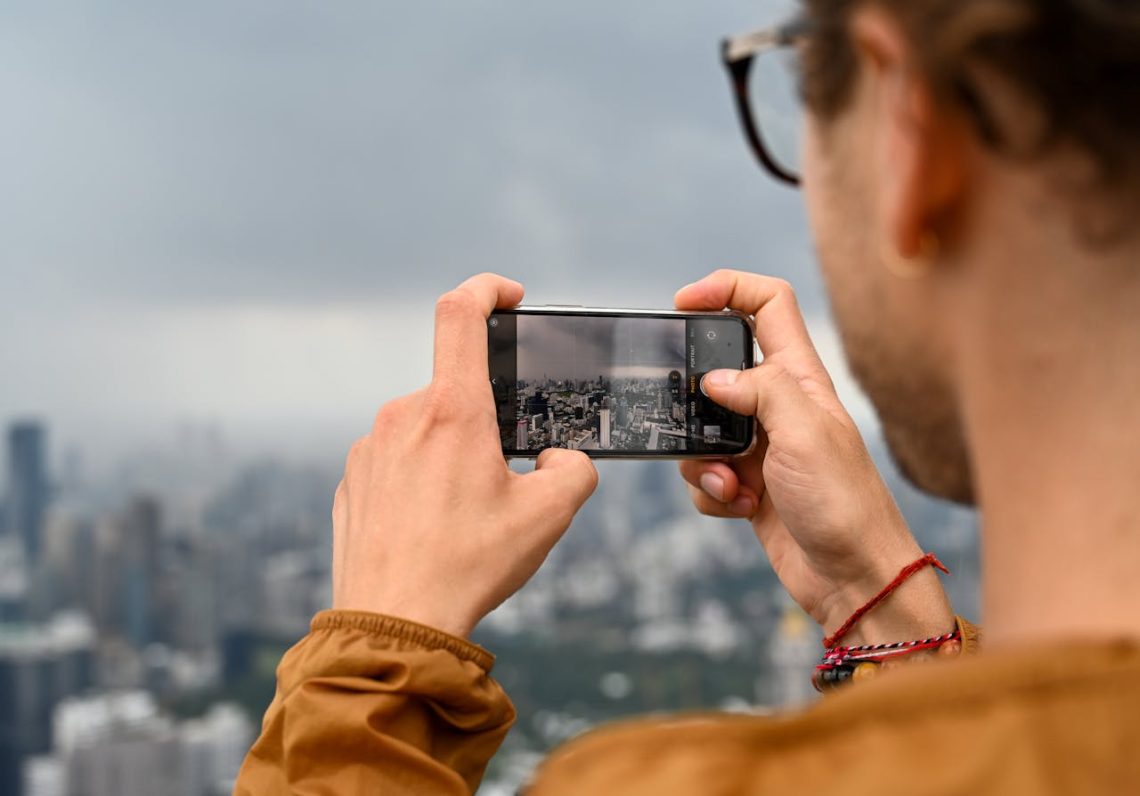
When you first arrive somewhere new, you notice big differences right away: the language, the food, the skyline. What you might not expect are the small everyday moments that make you pause. Simple routines you take for granted at home can feel odd or even confusing in a new place.
Here’s the thing: culture isn’t just in museums and monuments. It’s in how people walk, talk, queue, pay, and eat. Those little daily rhythms shape how you experience a place. Once you notice them, you travel with more awareness and enjoyment. Even small gestures, like how people greet each other or handle common tasks, can make you rethink what “normal” really is.
1. The Pace of Everyday Life Feels Different
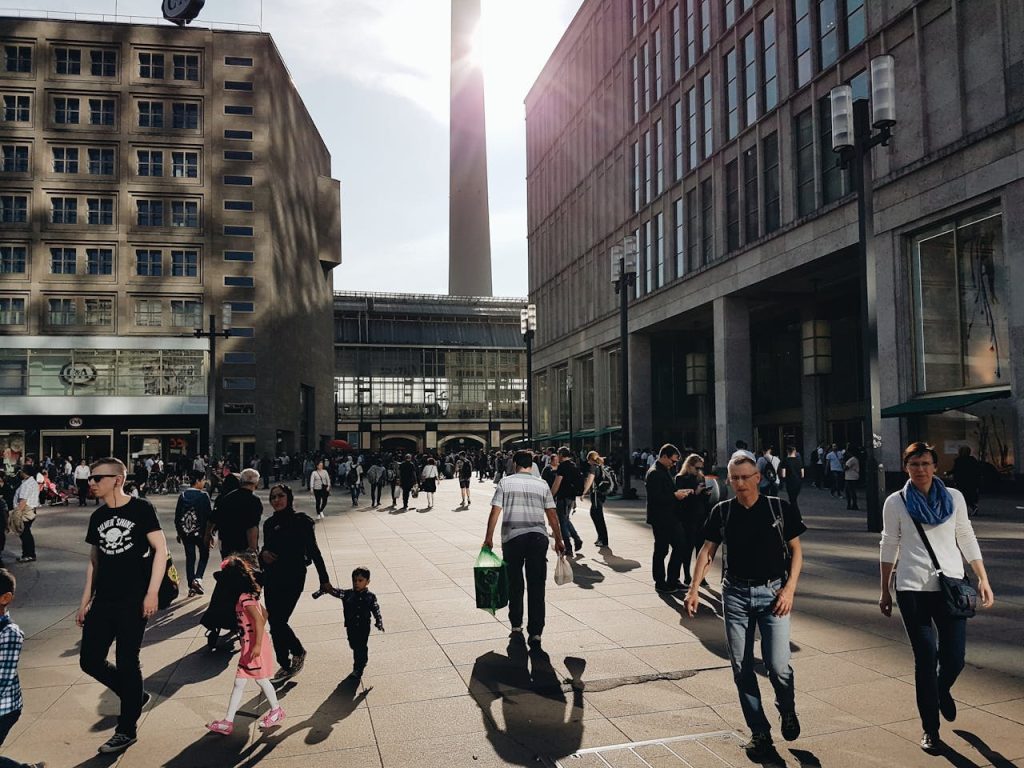
You’ll notice the tempo of life varies a lot. In some cities, people stride everywhere, in others, conversations and movements unfold slowly. In Japan, for example, punctuality and quiet efficiency on trains and in shops stand out compared to many Western cities.
In contrast, parts of Southern Europe feel more relaxed, with long lunch breaks and late evenings. You might find yourself unconsciously adjusting your pace just to fit in. These differences can feel strange at first, but they teach you about local priorities and values. Over time, you start to anticipate these rhythms, which makes navigating daily life abroad feel less like a challenge and more like an insight.
2. Stranger Rules at the Supermarket or Shop
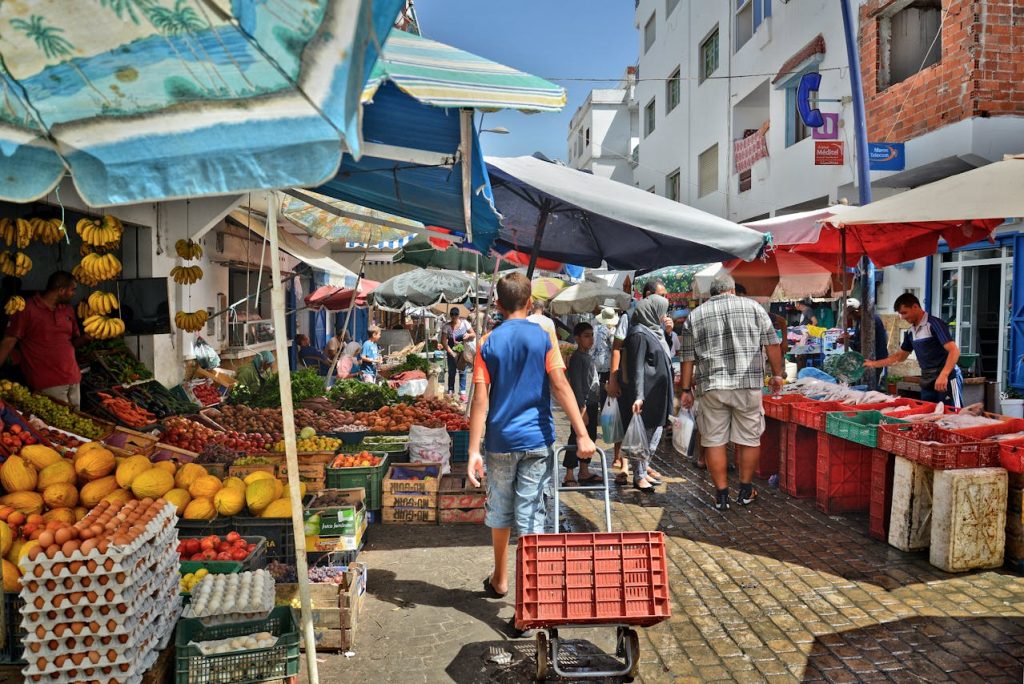
Walking into a store abroad can feel like a mini culture shock. In Germany, many supermarkets close early on Sundays, while in India, you might find small family‑run shops open late into the evening. In some countries, you bag your own groceries; in others, a clerk does it for you. Prices might be displayed inclusive of tax, or you might add tax at the register.
These quirks affect your everyday errands, and noticing them gives insight into how locals live and think about convenience. You may also encounter unexpected payment methods, like tokens, cards, or mobile apps, that differ from what you’re used to.
3. Public Transportation Can Be Unexpectedly Confusing
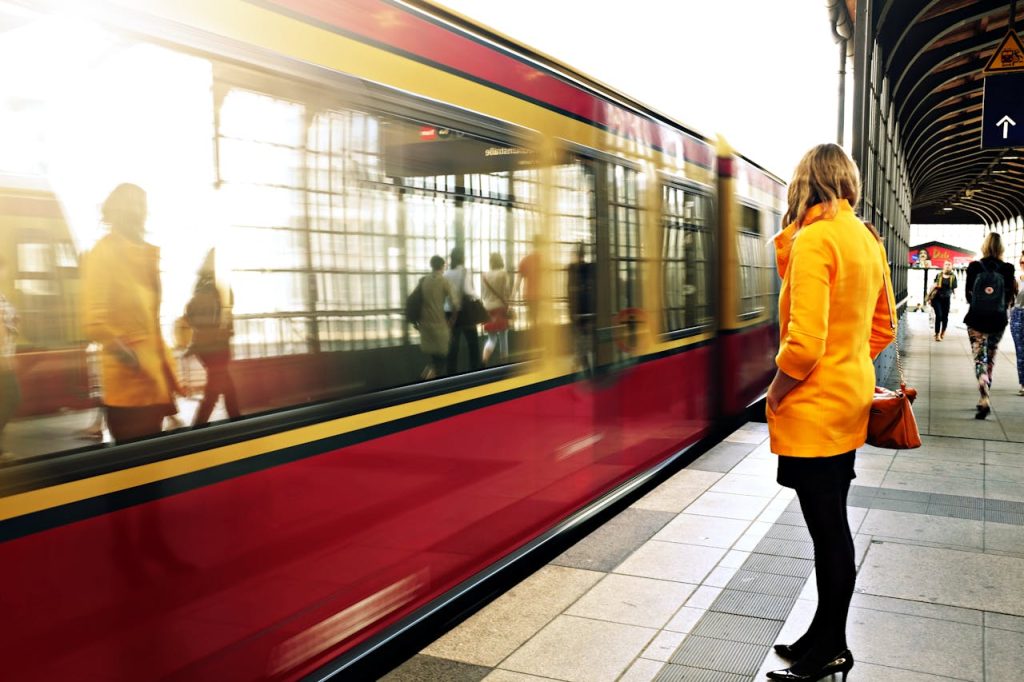
Public transit feels intuitive only when you know the system. In cities like Seoul or Paris, trains run frequently, but ticket machines and zones can bewilder first timers. Other places expect you to buy a ticket before boarding a bus, while some let you pay onboard with cash or card. You might be used to apps that tell you exactly when the next train arrives, but in other countries schedules are more approximate.
Figuring it out isn’t just practical, it becomes part of the adventure. At first, you might miss stops or take longer routes, which can feel frustrating but also turns into a memorable learning experience.
4. Meals and Dining Etiquette May Surprise You
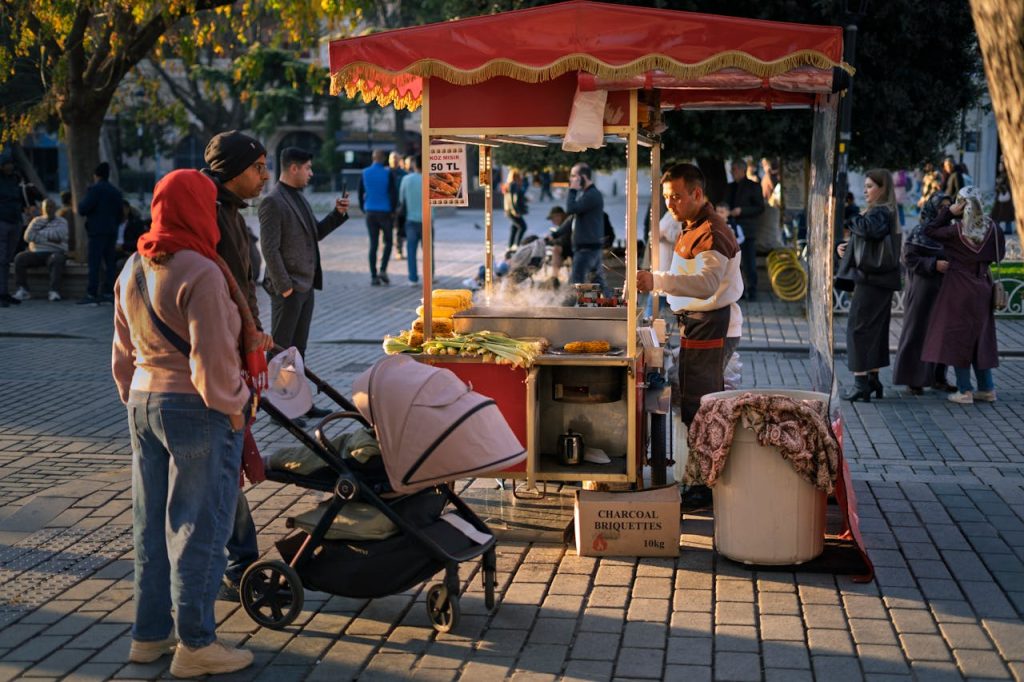
Food is a big part of travel, and so are the rules around eating. In Italy a cappuccino is a morning drink, and ordering one after lunch might raise eyebrows. In parts of Southeast Asia eating street food at odd hours is normal, while elsewhere restaurants close between lunch and dinner.
You’ll also notice tipping norms differ: in the U.S. you tip generously, while in Japan a tip can be seen as rude. Observing these habits helps you show respect and avoid awkward moments. The timing and structure of meals can also surprise you, from multi‑course dinners to quick street snacks, changing how you plan your day.
5. Personal Space and Social Norms Vary Widely
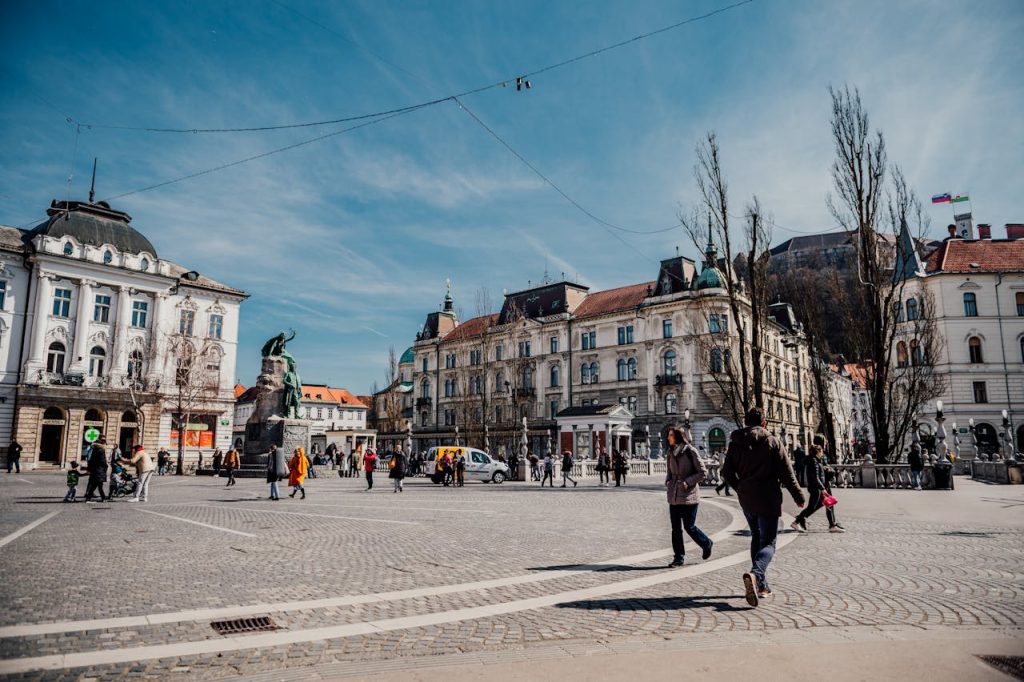
How close people stand, how they greet strangers, and what’s considered polite can feel foreign. In some Latin American countries friendly conversation and close personal space are normal, while in Scandinavia people value distance and quiet. Eye contact, gestures, and how you address others can vary too.
You might think you’re being rude when really you’re just following your own habits. As you notice these social norms, you become more adaptable and confident interacting with locals. Over time, you start to pick up subtle cues, like when to nod, smile, or step back, which helps you navigate social situations smoothly.
6. Technology and Payment Habits Aren’t Universal

You might assume everyone uses credit cards or mobile pay, but that’s not true everywhere. In many parts of Europe and Asia, contactless mobile payments are common, while in parts of Africa or rural areas cash is still king. Wi‑Fi might be free and fast in cafés in one city and sparse in another. Even calling a taxi can look different: in some places you use an app, in others you hail one on the street.
These habits influence how you plan and move through a destination. Adapting to these differences can make your travel smoother and help you avoid unexpected delays or frustrations. Being aware of local technology and payment habits also allows you to engage more confidently with everyday activities and services.