
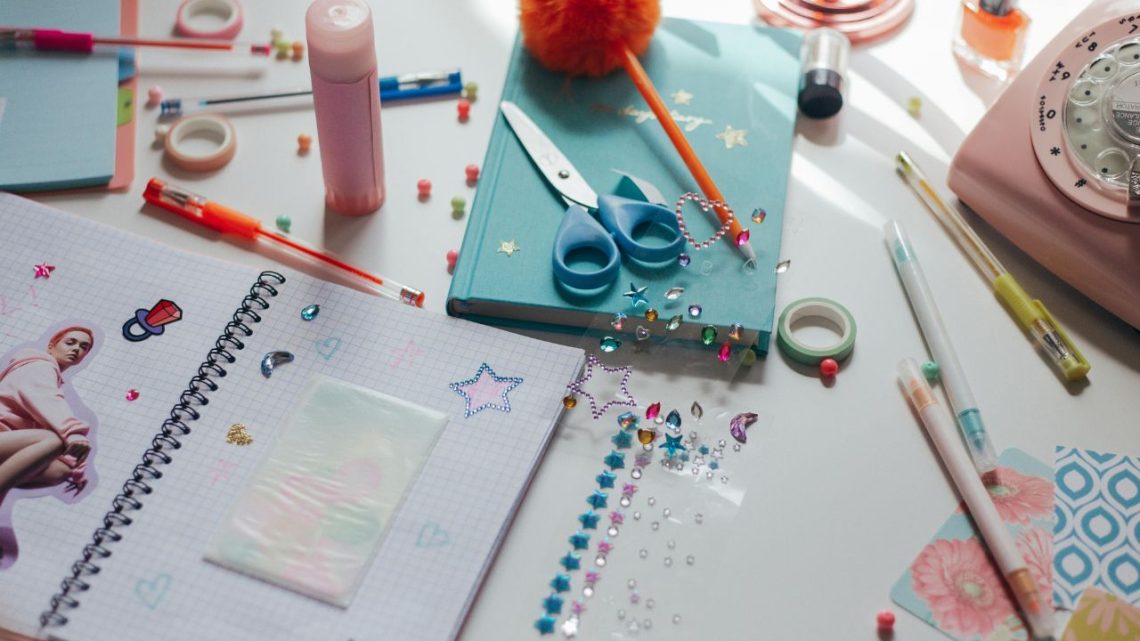
Growing up in the 90s meant living in a world where creativity wasn’t optional; it was a way of life woven into every afternoon spent indoors or outside. Kids didn’t have smartphones or instant access to thousands of tutorials; instead, they relied on their own curiosity and whatever scraps, tools, and random objects were available at home. The 90s taught us how to experiment, how to make something from almost nothing, and how to feel proud of tiny breakthroughs that felt massive at the time. Whether we were poking holes into cans or mixing strange substances in plastic cups, every project felt like an adventure.
1. EchoWire

The tin can telephone, often known as the humble string phone, became one of the most thrilling mini-inventions a 90s kid could create. Two cans, a string, and a bit of determination were all it took to design what felt like a homemade communication system straight out of a spy mission. Kids would poke holes in the cans, tie knots, and stretch the string across bedrooms, hallways, and backyards, testing whether their voices truly traveled along the line. The moment a faint whisper buzzed through from the other end, it felt like discovering secret soundwave technology invented solely through childhood genius.
2. LavaBurst
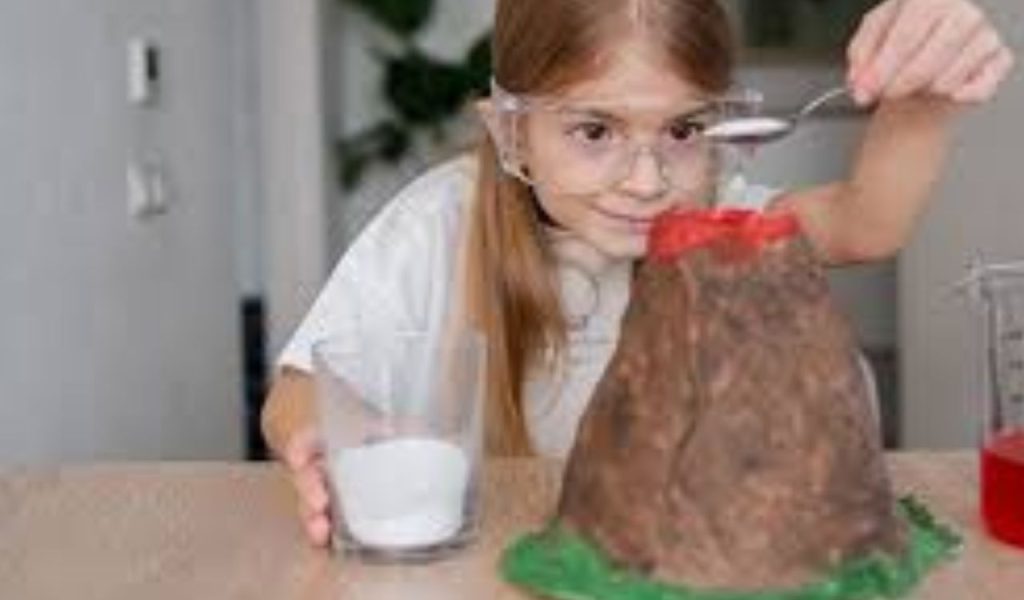
The baking soda volcano became an unforgettable icon of 90s childhood, symbolizing every kid’s first introduction to chemistry disguised as thrilling chaos. Kids molded volcanoes using clay, dirt, or layers of messy papier-mâché, carefully building up the shape so that the eruption would look impressively realistic. The slow anticipation while constructing the volcano often felt just as exciting as the explosion itself. When the moment arrived to pour vinegar into the baking soda-filled container, the bubbly eruption that foamed and spilled down the sides felt like a spectacular event deserving of applause.
3. GooMorph

Homemade slime in the 90s wasn’t a viral trend driven by videos; it was a mysterious, thrilling experiment kids stumbled into with glue, Borax, and a daring sense of curiosity. Mixing these ingredients felt like performing secret lab work, watching two separate liquids slowly merge into a stretchy and oddly satisfying substance that seemed to defy everything kids knew about texture. GooMorph slime became a customizable creation, with kids experimenting to make it more rubbery, gooey, soft, or even bouncy. Adding food coloring and glitter made it feel like alien goo from TV shows or cartoons, giving the project a touch of fantasy.
4. PixelFuse
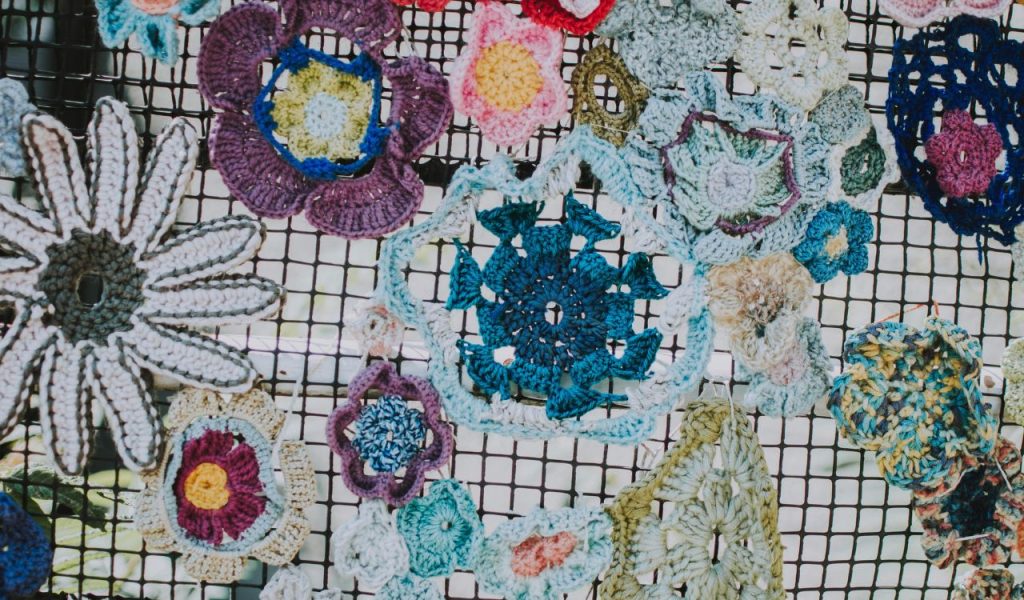
Perler bead art transformed 90s kids into tiny pixel engineers, giving them the freedom to create vibrant designs one bead at a time. These tiny beads offered an endless spectrum of colors, and arranging them onto pegboards demanded careful precision and focus. Kids spent long stretches crafting characters, shapes, logos, and patterns that resembled retro video-game sprites, making the entire process feel artistic and technical at the same time. Once the arrangement was perfect, the thrilling finale arrived when an adult used a warm iron to fuse the beads into a solid masterpiece. Watching the beads melt just enough to stick together felt like witnessing an invention being finalized, simple materials turning into something durable and display-worthy.
5. TapeCraft
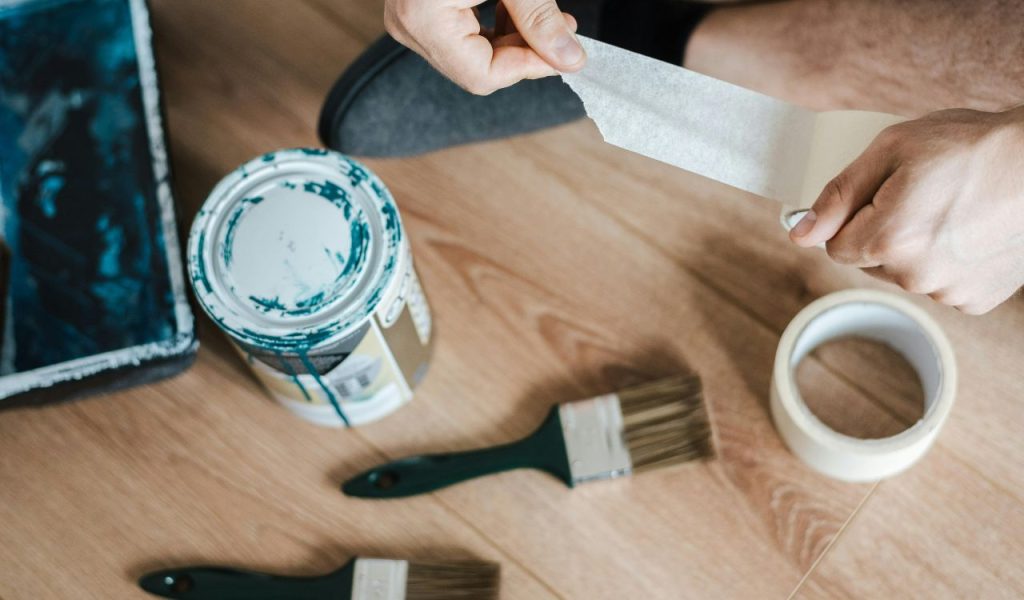
Duct-tape crafting became an unexpected highlight of 90s DIY culture, proving that a single roll of tape could transform into nearly anything with the right idea and persistence. Kids made wallets, belts, roses, tool covers, and even makeshift accessories by layering and folding the tape in ways that required surprising amounts of precision. Every piece of tape had to be placed carefully to prevent it from sticking to itself, which often forced kids to slow down, strategize, and rebuild when mistakes happened. Reinforcing edges, smoothing surfaces, and figuring out how to create durable seams made the crafting process feel like real engineering.
6. SkyFrame

Homemade kites gave 90s kids their first taste of designing something meant to defy gravity. Building a SkyFrame kite involved gathering sticks, newspaper or thin plastic, glue, and a long piece of string, then assembling it all into a lightweight structure capable of catching the wind. The construction process required balance, as kids quickly learned that the frame needed to be sturdy but not too heavy, and the tail needed just the right length for stability. Decorating the kite added a personal touch, making each creation feel unique even before it left the ground. The real magic began outside, where wind conditions decided the fate of the invention.