
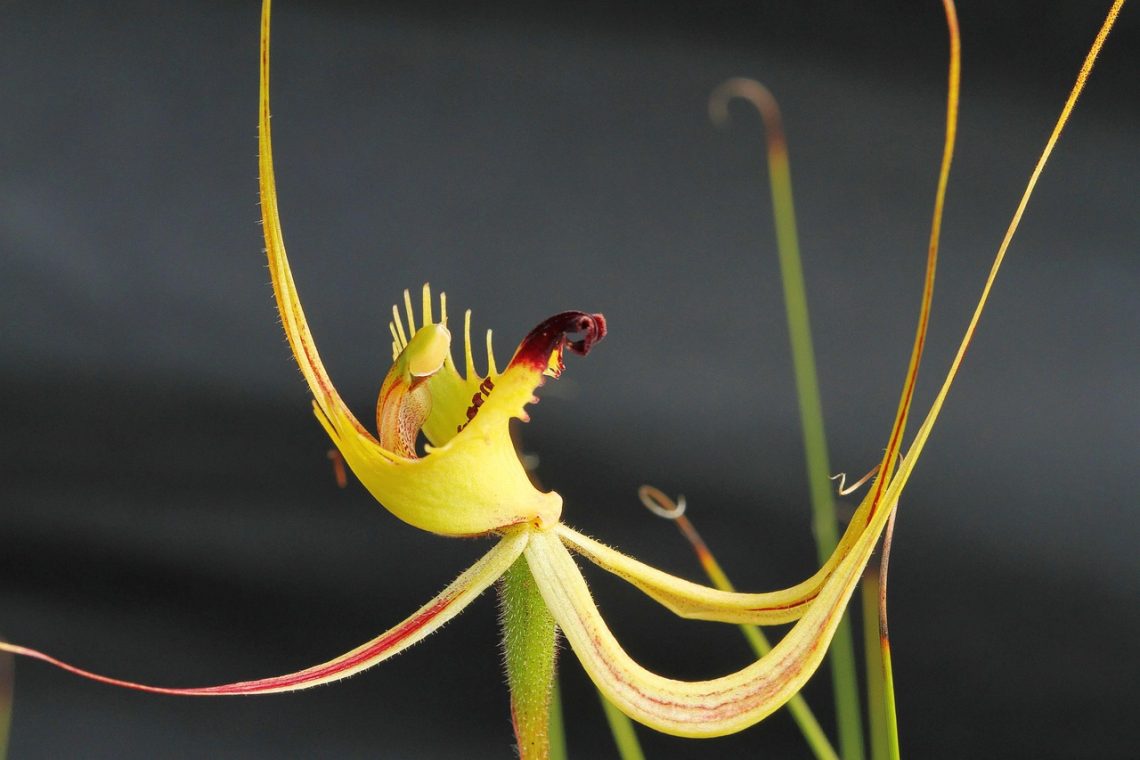
You think you’re good at spotting movement in the wild, but nature keeps proving you wrong. Camouflage isn’t just about hiding. It’s about survival, hunting, and staying one step ahead of predators. When you walk through a forest, desert, or reef, you’re often surrounded by animals you simply cannot see.
Scientists from organizations like the Smithsonian and National Geographic have documented how certain species blend so perfectly into their surroundings that even trained researchers struggle to find them. You don’t just miss them. You look straight at them and still see nothing. Once you know what to look for, your whole view of the natural world changes.
1. Leaf-Tailed Gecko
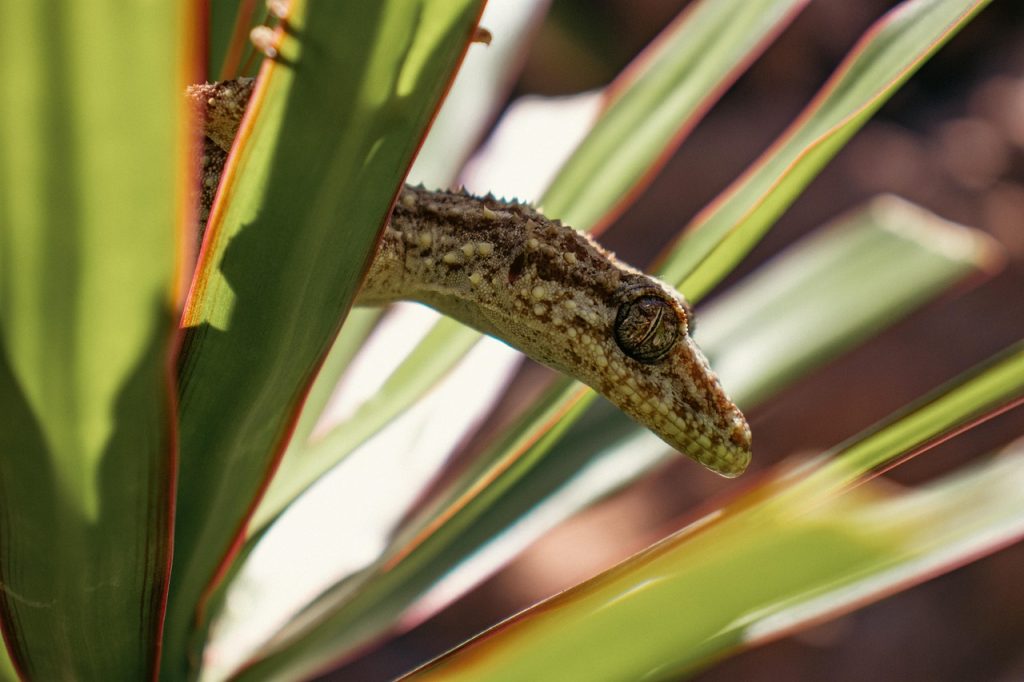
When you scan the bark of a tree in Madagascar, you might miss this reptile completely. The leaf-tailed gecko flattens its body against tree trunks and mimics dead leaves with torn-looking skin edges and mottled colors. Even its shadow disappears because of skin fringes that break up its outline.
Researchers have noted that this disguise protects it from birds and snakes. During the day, it stays motionless, trusting its appearance more than speed. At night, you finally see it move. Until then, you could stare directly at it and still swear the tree is empty. Its camouflage works so well that even experienced field biologists sometimes walk past it without noticing.
2. Arctic Fox
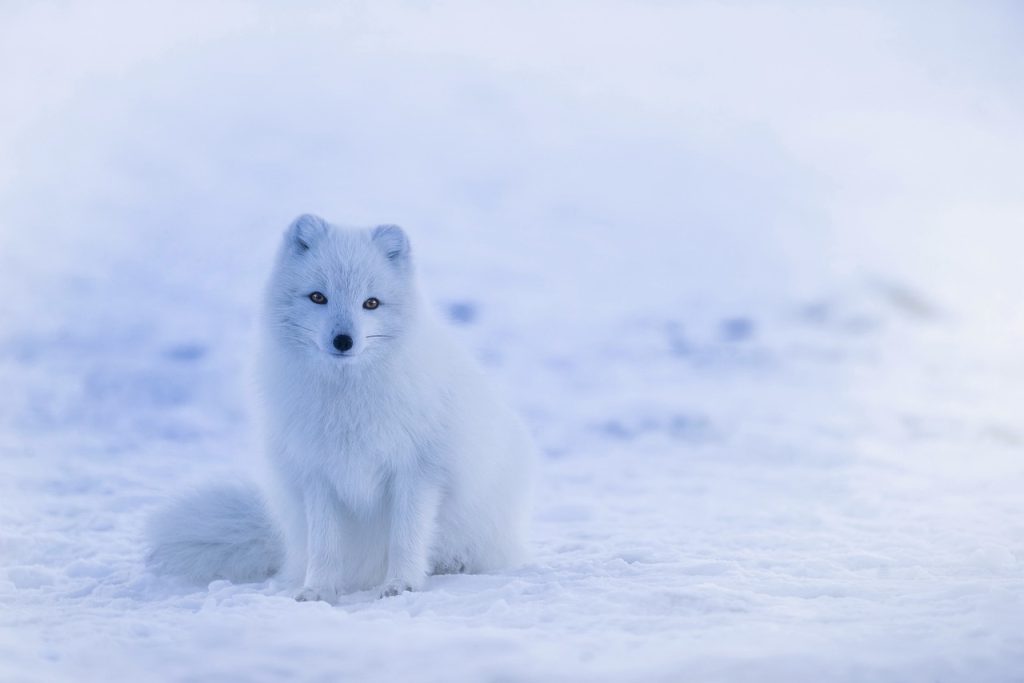
In the Arctic tundra, you watch the landscape shift from brown summer ground to endless winter white. The Arctic fox changes with it. Its coat turns white in winter and brown or gray in summer, matching snow or rock with impressive precision.
This seasonal camouflage helps you understand how it hunts and survives. It sneaks up on rodents and avoids larger predators by blending into open terrain. According to wildlife biologists, this color shift is triggered by daylight changes, not temperature. You might think it simply stands out against ice, but it vanishes almost completely. Even from a short distance, your eyes slide right over it as if it were part of the landscape itself.
3. Cuttlefish
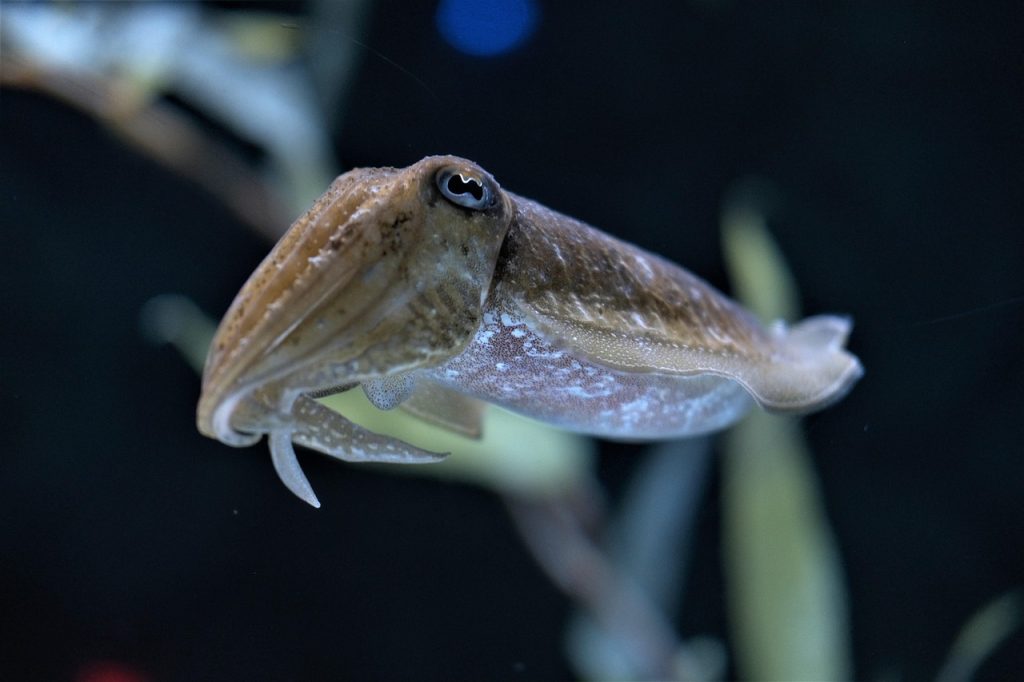
When you look at a coral reef, colors flicker and shift. A cuttlefish does the same. It uses specialized skin cells called chromatophores to change color, pattern, and even texture within seconds. You can watch it transform from sandy beige to bold stripes almost instantly.
Marine researchers have found that cuttlefish also mimic rocks and coral shapes by adjusting their skin texture. You are not just seeing a color change. You are seeing a full-body illusion. This ability helps it hunt prey and avoid predators in open water where hiding spots are limited. In controlled experiments, scientists have shown that it can match complex checkerboard patterns with striking accuracy.
4. Stick Insect
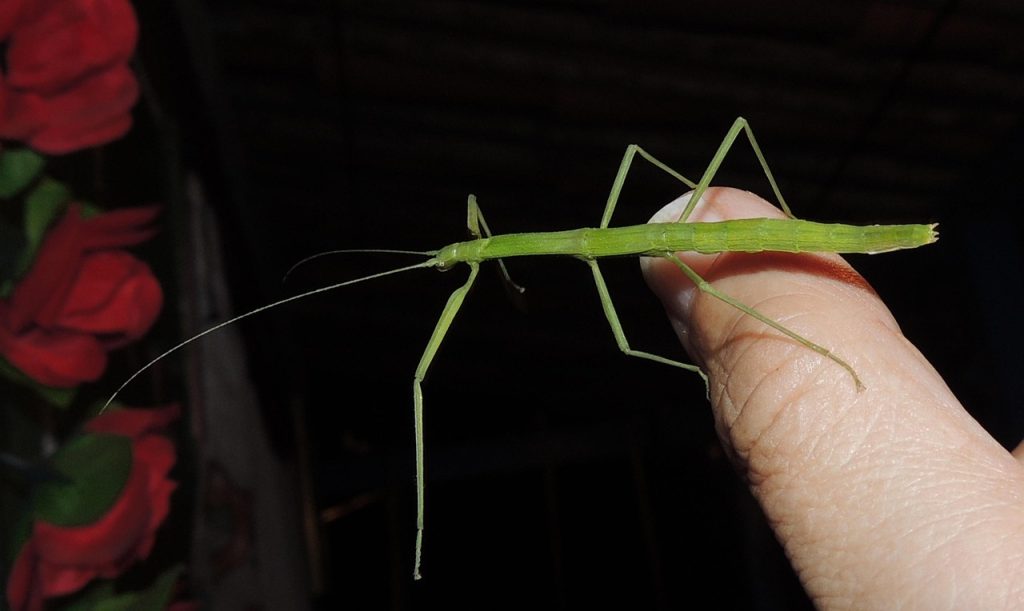
You might mistake a stick insect for a twig without a second thought. Its long, thin body copies the shape and color of branches so accurately that predators overlook it entirely. Some species even sway gently to mimic branches moving in the wind.
Entomologists have studied how this motion adds an extra layer of deception. You are less likely to question something that behaves exactly like a plant. In dense forests, this camouflage allows stick insects to feed on leaves in plain sight without drawing attention from birds or reptiles. Even when one rests inches from your face, your brain often registers it as nothing more than part of the tree.
5. Snow Leopard
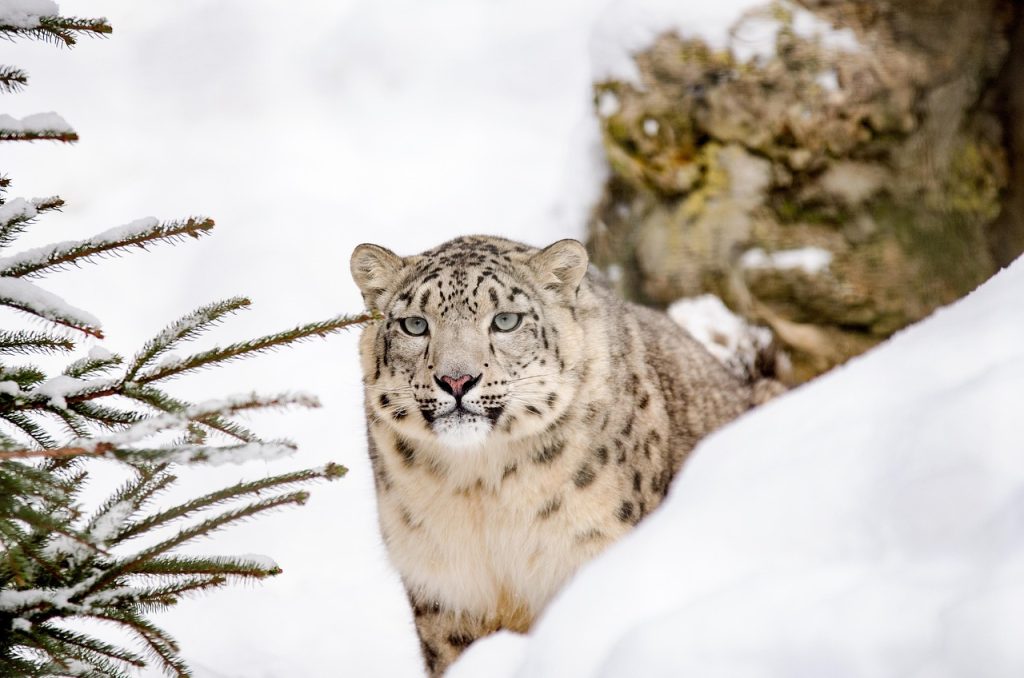
High in Central Asia’s mountains, you scan rocky slopes and see nothing unusual. Then a snow leopard moves, and the illusion breaks. Its smoky gray coat with dark rosettes mirrors the speckled rocks and shadows of its habitat.
Wildlife conservation groups report that even experienced trackers struggle to spot snow leopards at close range. You can look directly at one resting on a cliff and still miss it. This camouflage makes it an efficient ambush predator and also protects it from human threats. Its thick fur softens its outline against snow and stone. By the time you finally notice it, the cat has already decided whether to approach or disappear.
6. Octopus
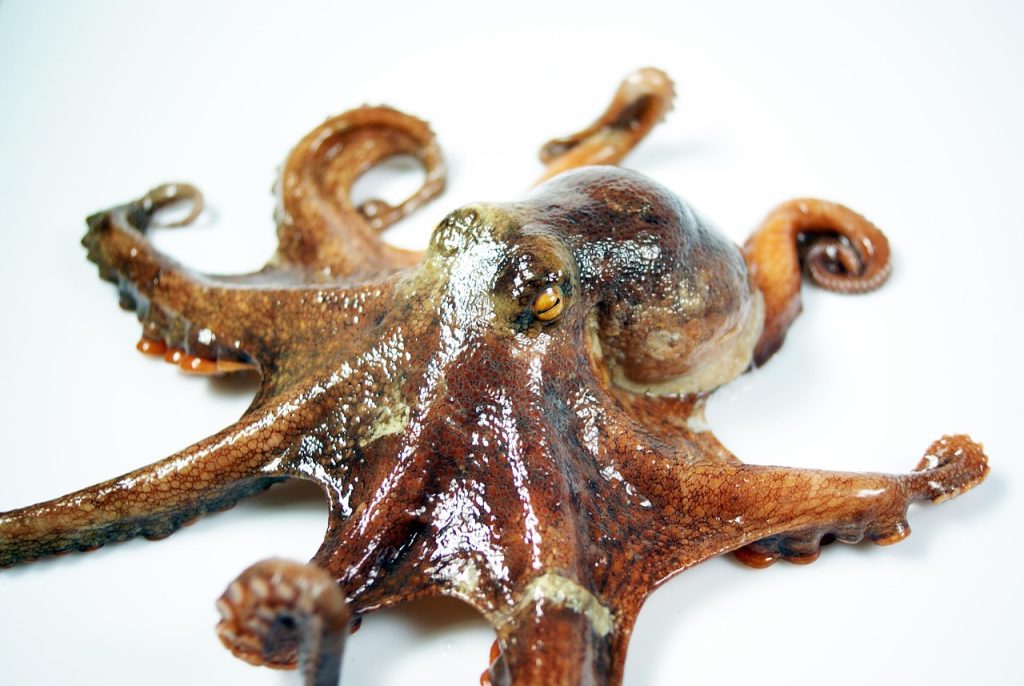
When you dive near rocky seabeds, an octopus can disappear in seconds. Like the cuttlefish, it uses chromatophores to shift color, but it also changes skin texture to match rocks, sand, or coral. It tightens or loosens tiny muscles in its skin to create bumps and ridges that copy the surface around it.
Some species even mimic the shape and movement of other sea creatures to avoid detection. You might watch one glide across the ocean floor, only to lose it completely as it melts into the background. Laboratory studies show that this transformation can happen in less than a second. Even in open water with little cover, it can create the illusion of safety through pure visual trickery.
7. Peppered Moth
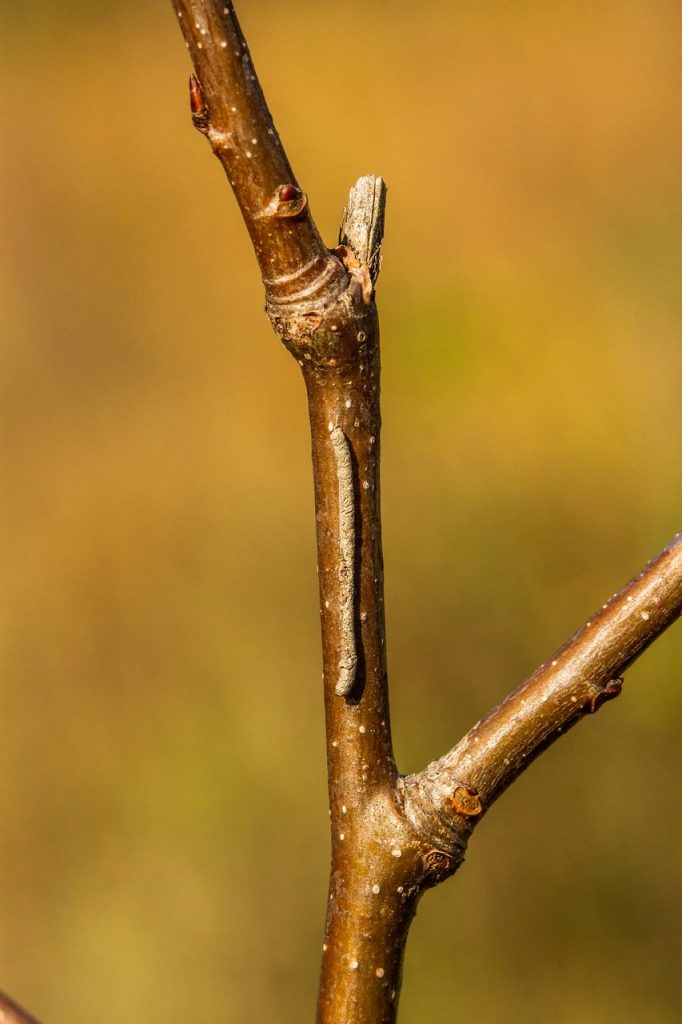
During the Industrial Revolution in England, soot darkened tree bark. The peppered moth responded in a dramatic way. Dark-colored moths survived better in polluted areas because predators struggled to see them against blackened trees.
This example became one of the most cited cases of natural selection in action. When pollution levels later decreased, lighter moths returned. You can trace evolution in real time through this shift. It shows how camouflage adapts to human-driven environmental change. Field experiments in the twentieth century confirmed that birds more easily spotted moths that contrasted with their background.
8. Pygmy Seahorse
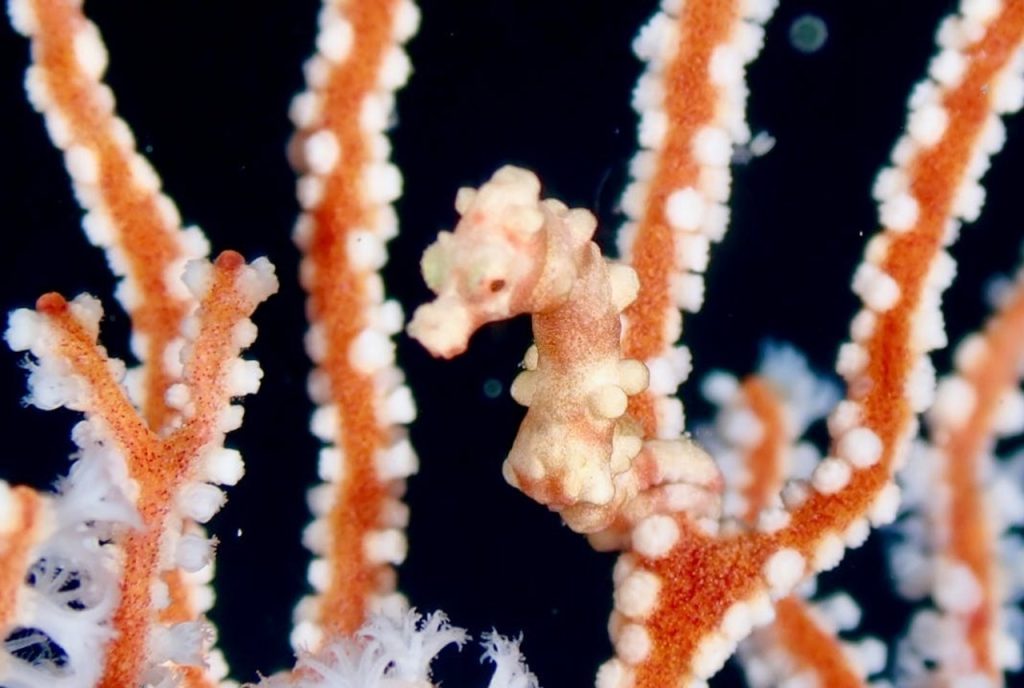
If you stare at a sea fan coral long enough, you might notice tiny bumps that look like part of the coral itself. Those bumps can be pygmy seahorses. Their bodies match the color and texture of the specific coral species they inhabit.
Marine surveys revealed that early researchers overlooked them for years because they blended so perfectly. You are likely to miss them even when you know they are present. Their survival depends on staying visually fused with their host coral at all times. Many species measure less than an inch long, which makes the illusion even stronger. Divers often need magnifying lenses and trained guides to spot them.
9. Stonefish
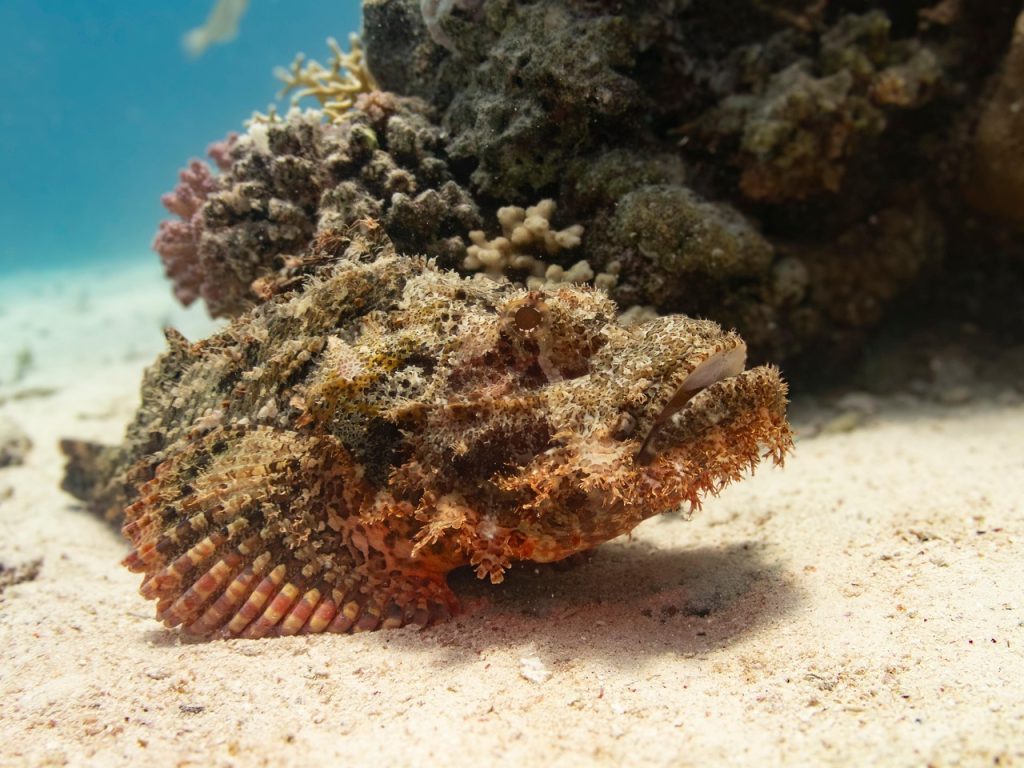
On tropical seafloors, the stonefish sits motionless among rocks. Its rough, lumpy body looks exactly like coral rubble. You could step near one and assume it is just another stone.
This camouflage protects it while it waits for prey. Fish swim close, unaware of the danger. Marine experts warn that its venomous spines make accidental contact risky. You might never notice it until it moves, and by then, the ambush is complete. It can remain still for hours, relying on patience rather than pursuit. When prey passes within reach, it strikes with remarkable speed. For you, the real danger lies in not seeing it at all.
10. Tawny Frogmouth
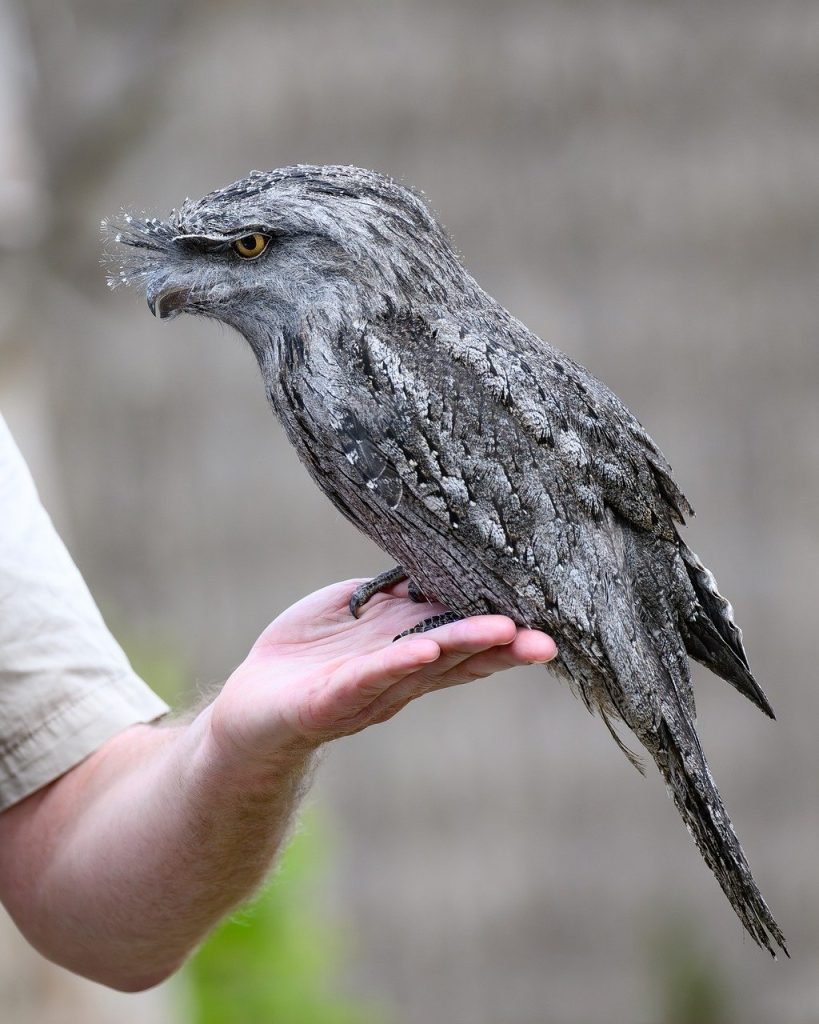
In Australian forests, the tawny frogmouth perches on branches during the day. It stretches its body upright, closes its eyes to thin slits, and resembles a broken tree limb.
Bird specialists explain that this posture is as important as its mottled feathers. You can walk past one in broad daylight and see only wood. Freezing in place, it avoids detection from predators that rely on movement to locate prey. Even its beak blends into the illusion, aligning with the shape of the branch. When the wind moves the trees, they sway slightly to stay convincing. You may stand a few feet away and never realize a bird is watching you.
11. Dead Leaf Butterfly
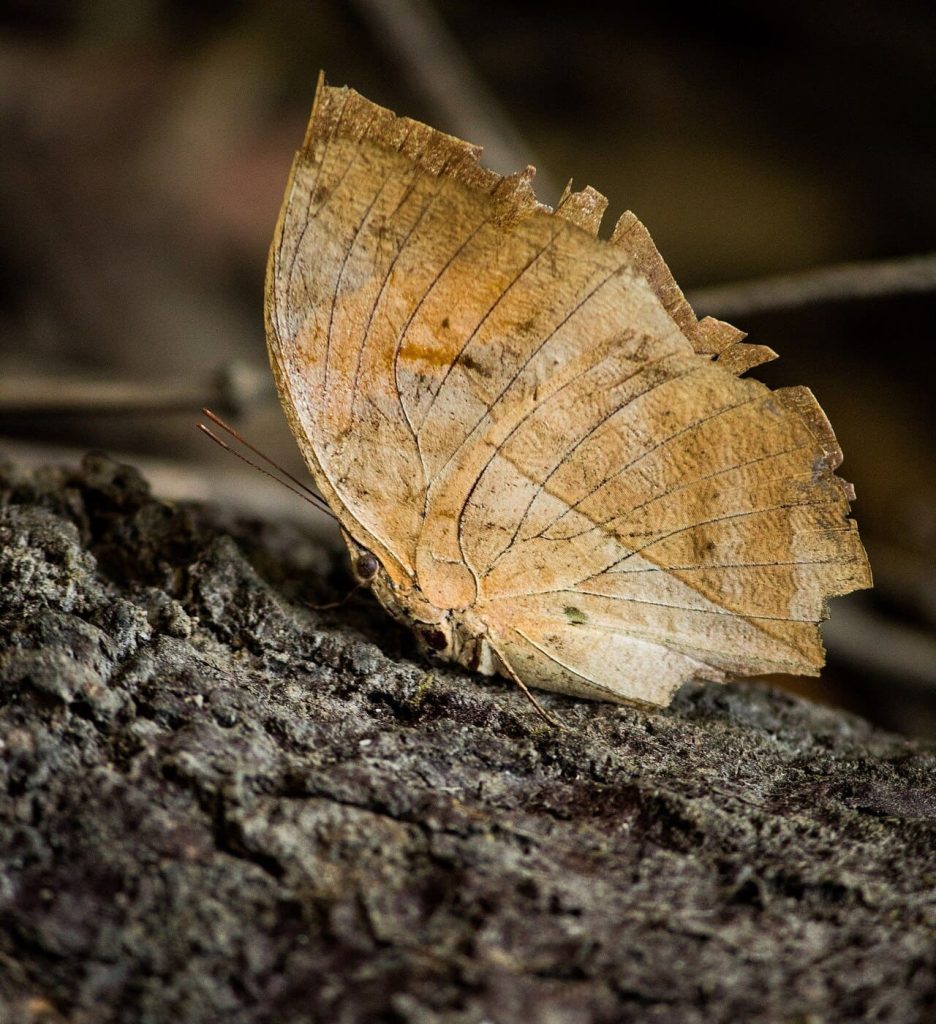
When this butterfly closes its wings, the underside looks like a dry, veined leaf complete with spots resembling decay. You might search for bright wings and overlook them entirely.
Field studies show that predators often ignore these butterflies because they appear inedible or lifeless. Once it opens its wings, bold colors flash. When it closes them again, the illusion returns. You witness how the contrast between display and disguise ensures survival. The veins and shadow patterns even mimic the irregular texture of a real leaf. Some species add small tail extensions that resemble leaf stems. Your eyes register debris on the forest floor, not a living insect ready to fly.
12. Flounder
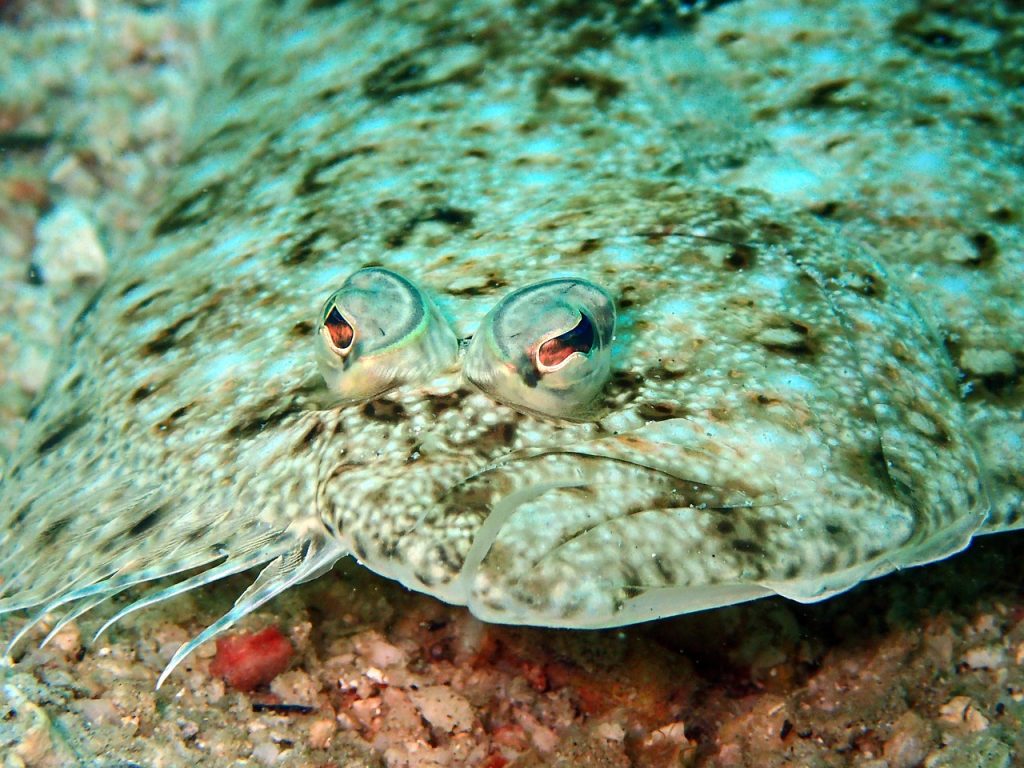
On sandy ocean floors, flounders lie flat against the seabed. Their flattened bodies and upward-facing eyes allow them to bury themselves in sand while keeping watch.
They can adjust their coloring to match the surrounding sediment. Marine researchers have demonstrated that flounders respond to visual cues from their environment. You might swim over one and never realize it is there until it darts away in a cloud of sand. Specialized pigment cells shift to mirror nearby tones and patterns. This adaptation develops early as the fish matures and both eyes migrate to one side of its head. What looks like an empty seabed can suddenly spring to life beneath you.
13. Orchid Mantis
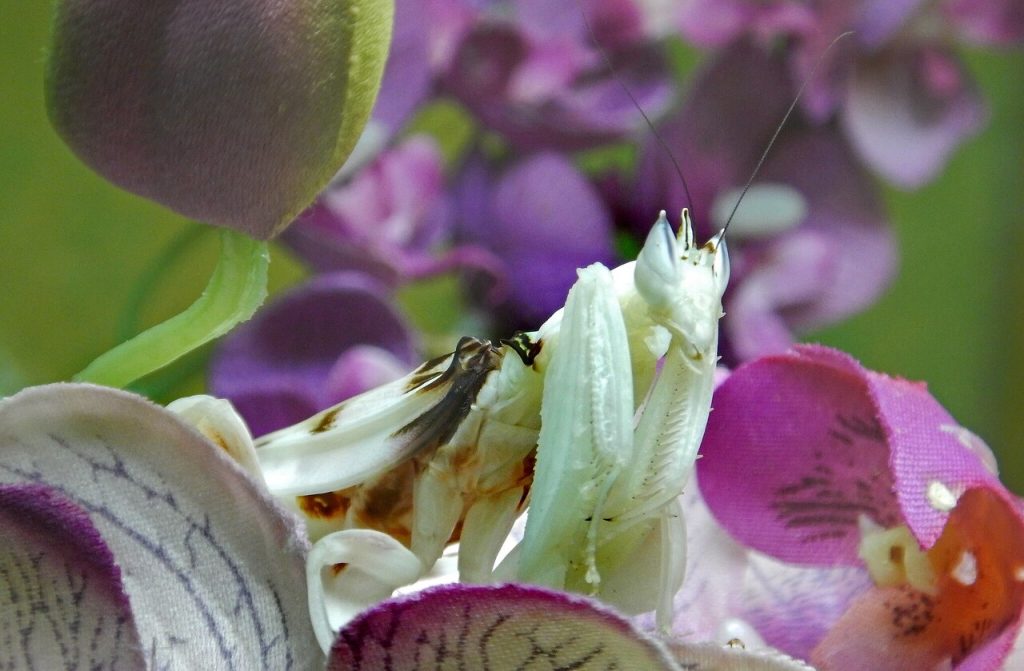
In Southeast Asia, the orchid mantis resembles a delicate pink flower. Its legs look like petals, and pollinating insects approach without suspicion.
Biologists have found that this mimicry attracts prey rather than just hiding from predators. You see what looks like a harmless blossom, but it is an ambush hunter. This strategy shows camouflage is not always about blending in. Sometimes it is about luring victims closer. Studies suggest its coloration can appear even more vivid than nearby flowers, increasing its appeal to insects. It holds perfectly still, waiting for the right moment. When prey lands within reach, the strike is swift and precise.
14. Chameleon
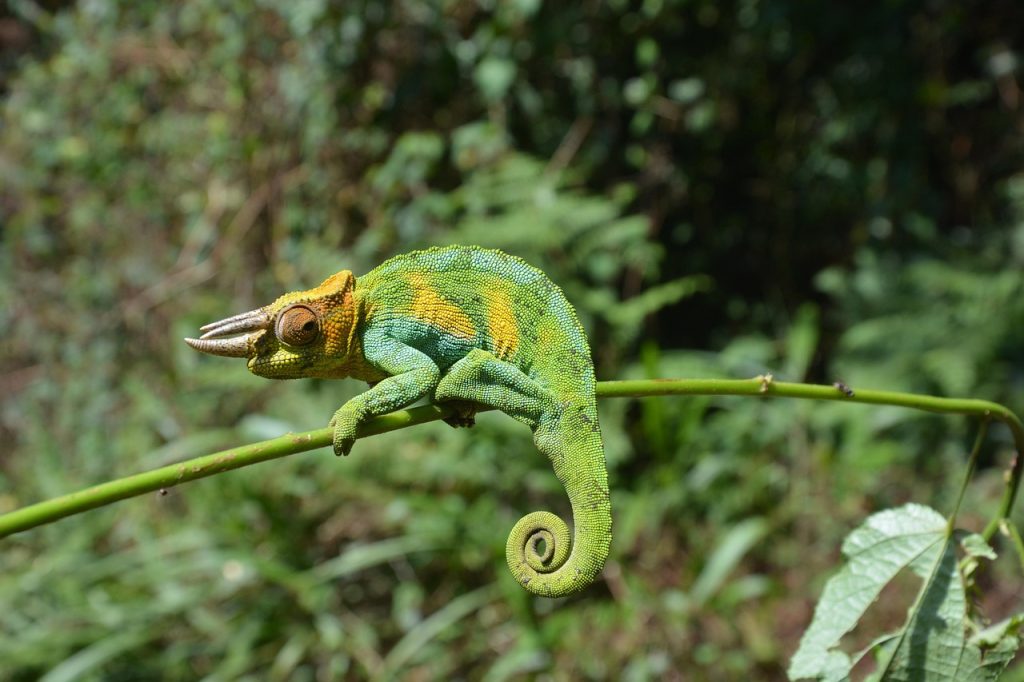
When you picture camouflage, you probably think of the chameleon. While it does change color, scientists note that this shift often reflects mood, temperature, and communication rather than simple background matching.
Still, it can adjust its skin pigments to blend with its surroundings when necessary. Specialized cells called iridophores reflect light, creating rapid color changes. You might assume it vanishes purely to hide, but its color shifts also send signals to rivals and mates. Research shows that structural changes in its skin layers control how light is reflected. Some species display brighter colors during social encounters than when hiding. What looks like simple camouflage is actually a complex visual language.