
Many American companies are global powerhouses, yet their biggest success stories often unfold far from home. While some U.S. brands dominate headlines domestically, others quietly shape industries, cultures, and consumer habits across continents with little fanfare. From tech firms powering international infrastructure to food and retail giants thriving in unexpected regions, these companies have become essential parts of daily life abroad. Their influence stretches across economic sectors, lifestyle trends, and emerging markets. Here are twelve U.S. brands quietly dominating global markets with surprising impact.
1. Costco

Costco has grown into a global retail force, often making a bigger splash overseas than in its home market. Its warehouse model, bulk savings, and high-quality private label products have earned massive loyalty in countries like Japan, South Korea, and China, where store openings regularly attract enormous crowds. International shoppers treat trips to Costco as events, sometimes lining up hours before opening. The brand’s ability to adapt to regional preferences while keeping its core value-driven approach has helped it thrive quietly but powerfully across global markets, turning it into a worldwide retail phenomenon.
2. NVIDIA

NVIDIA may be best known in the U.S. for its gaming GPUs, but globally it has become one of the most influential tech companies of the modern era. Its chips power AI research labs, data centers, autonomous vehicle systems, medical imaging, robotics, and cloud computing platforms worldwide. As countries race to accelerate artificial intelligence, NVIDIA’s hardware and software ecosystem sits at the center of that growth. While everyday consumers rarely see its global impact, governments, universities, and major corporations rely heavily on its technology. Quietly and consistently, NVIDIA has become a cornerstone of global innovation.
3. KFC
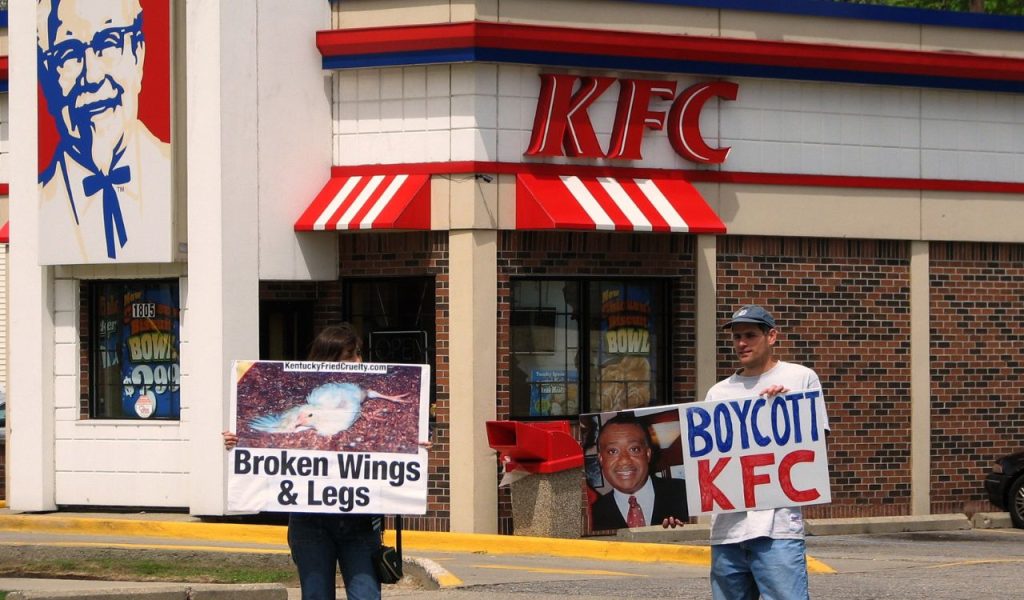
KFC is far more dominant globally than many Americans realize. In countries like China, it’s not just a fast-food chain; it’s a cultural staple, often considered a premium dining option with localized dishes such as rice bowls, congee, spicy chicken, and seasonal holiday meals. KFC’s strategy of adapting aggressively to regional tastes has earned it millions of loyal customers across Asia, Africa, and the Middle East. In China alone, it operates thousands of locations and consistently outperforms most Western competitors. While KFC remains well-known in the U.S., its true power lies overseas, where it has quietly become one of the world’s most successful.
4. Airbnb

Airbnb has transformed global travel by offering unique and affordable accommodations across more than 190 countries. Outside the U.S., the brand has become a go-to option for tourists seeking local experiences, extended stays, and nontraditional lodging. In popular destinations across Europe and Asia, entire neighborhoods rely on Airbnb traffic, supporting local businesses and reshaping tourism economies. The platform’s ability to scale internationally with flexible listings, multilingual support, and localized features has made it a major force in global hospitality. While travelers in the U.S. know it well, its strongest influence is abroad.
5. Mondelez International

Mondelez International oversees some of the world’s most recognizable snack brands, many of which enjoy even greater popularity abroad than in the U.S. Oreo is the top-selling cookie worldwide, and Cadbury chocolate, another Mondelez staple, dominates markets across Europe, India, and Australia. The company tailors flavors to regional tastes, releasing unique varieties like matcha Oreos in Asia or spicy snacks in Latin America. With a vast distribution network and a deep understanding of local preferences, Mondelez has quietly positioned itself as a global leader in sweets and snacks, reaching millions of consumers daily across every continent.
6. Netflix

Netflix has expanded far beyond its American origins, with a global subscriber base that now surpasses its domestic audience. Its strategy of investing heavily in international productions has transformed it into a worldwide entertainment powerhouse. Shows like Squid Game, Money Heist, and Dark became global cultural phenomena, proving that viewers everywhere embrace stories from diverse regions. By offering multilingual interfaces, localized marketing, and region-specific content, Netflix strengthened its presence in Asia, Europe, and South America. While competition in the U.S. grows, Netflix’s most impressive influence is overseas, where it has reshaped how millions consume television.
7. Procter & Gamble (P&G)

Procter & Gamble commands enormous influence abroad through everyday essentials like Tide, Pampers, Gillette, Ariel, and Pantene brands that dominate household categories in dozens of countries. In many regions, P&G products are so deeply embedded in daily routines that they’re viewed as the default choice for families. The company invests heavily in understanding local consumer habits, tailoring product formulations and packaging to fit regional lifestyles. Its global supply chain ensures affordability and wide availability, helping P&G maintain market leadership even in highly competitive environments. Quietly and consistently.
8. Tesla
Tesla has become a major force in global electric vehicle markets, especially in Europe and China, where demand for clean transportation continues to surge. Tesla’s Shanghai Gigafactory plays a key role, producing vehicles for both domestic sales and export to dozens of countries. Its emphasis on software-driven features, over-the-air updates, and high-performance EV technology has set new industry standards that competitors worldwide race to match. Even in regions where Tesla lacks a large retail footprint, its influence is seen in infrastructure growth, EV policy changes, and shifting consumer expectations. Its impact abroad is often greater than many realize.
9. Starbucks
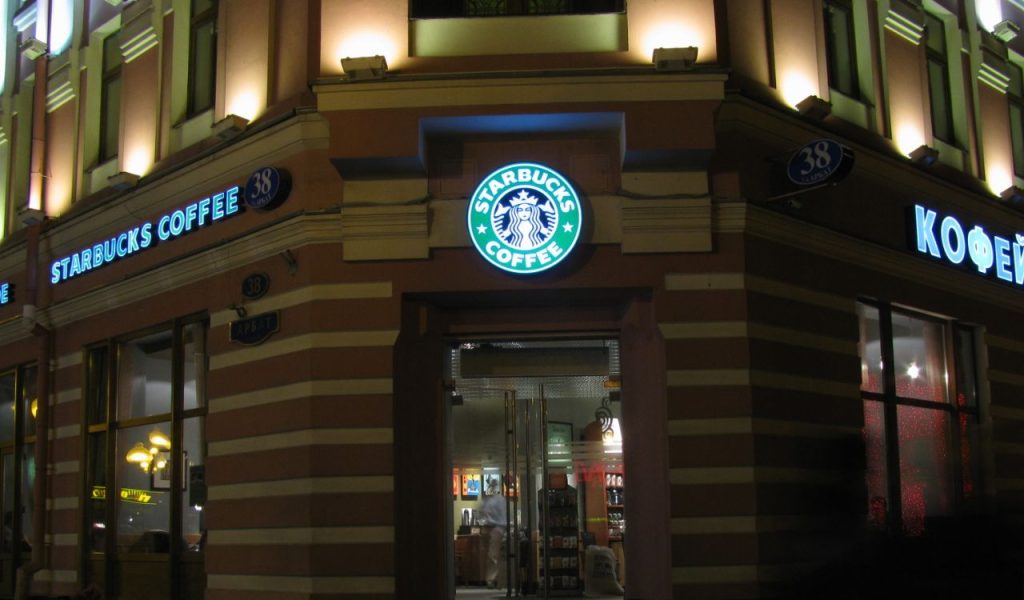
Starbucks has evolved into a global lifestyle brand, achieving massive success in regions like Asia and the Middle East. In countries such as China, South Korea, and Japan, Starbucks represents far more than coffee; it’s a premium social space associated with comfort, status, and modern culture. The company adapts its menu with regional flavors like matcha drinks, red bean pastries, and limited seasonal blends tailored to local tastes. Its stylish stores, strong digital loyalty programs, and focus on experience over speed have helped Starbucks quietly dominate international café culture, often outperforming domestic competitors.
10. Coca-Cola
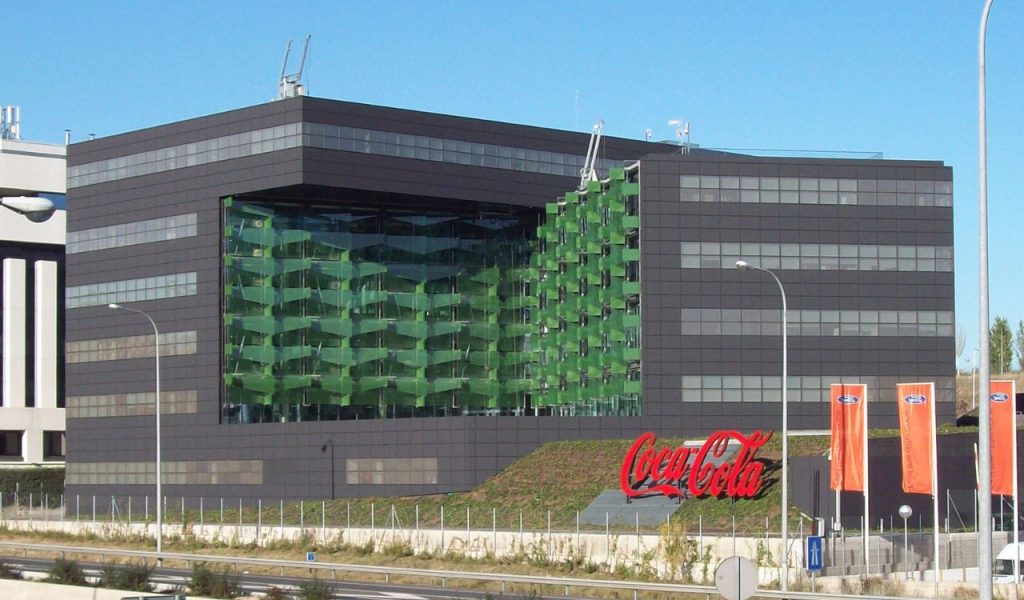
The Coca-Cola Company is one of the most globally recognized brands, but its influence abroad goes far beyond its signature soda. In many countries, Coca-Cola sells popular local beverages—tea blends, fruit drinks, sports drinks, and regional sodas—crafted specifically for cultural preferences. The brand’s massive distribution network ensures its products reach nearly every corner of the world, from major cities to remote rural areas. Coca-Cola also invests heavily in local marketing, sports sponsorships, and community programs, helping it maintain long-term loyalty. Quietly but steadily, it continues to shape global beverage markets more than almost any competitor.
11. Google

Google quietly dominates digital life across the globe through its vast ecosystem. While Americans mostly see it as a search engine, overseas, it shapes everything from navigation to cloud services, education tools, and mobile technology. Android, its mobile operating system, powers the majority of smartphones worldwide, giving Google a massive presence even in regions where its other services face restrictions. Its products support small businesses, governments, and entire digital infrastructures. In many countries, Google’s tools are essential to daily communication, navigation, and productivity, making it one of the most influential global tech forces.
12. McDonald’s
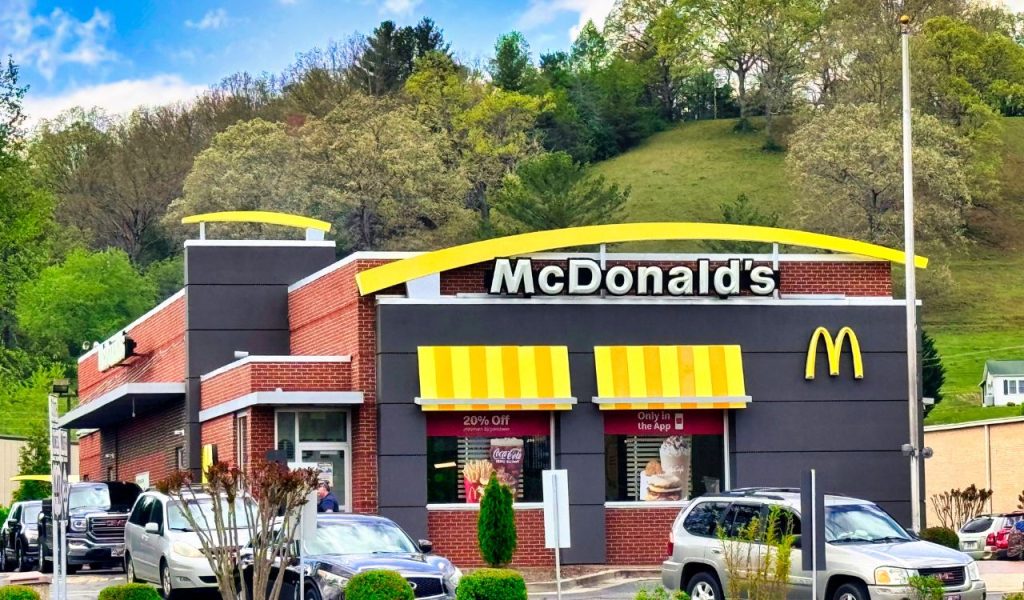
McDonald’s has grown into one of the world’s most adaptable and recognizable food brands, often shaping fast-food culture in countries far from its American roots. International locations regularly tailor menus with items like McSpicy chicken in Asia, McArabia wraps in the Middle East, and unique pastries across Europe. McDonald’s strong supply chain, consistent quality, and efficient service models have helped it thrive in diverse markets. In many regions, it’s viewed not just as a quick meal but a reliable, family-friendly gathering spot. Quietly but steadily, it remains a dominant global dining presence.