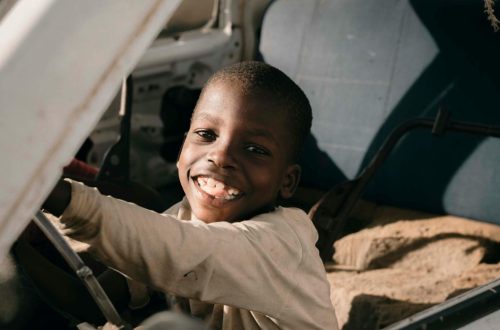


Life in the 1930s carried a weight that is difficult to fully grasp from a modern perspective, because hardship wasn’t something occasional or extraordinary; it was woven directly into the daily routine of millions of families across the world. The decade followed the economic collapse of 1929 and unfolded into years of poverty, uncertainty, environmental catastrophe, and social struggle. People who lived through this era didn’t have the luxury of seeing their difficulties as unusual; instead, they viewed them as simply the conditions of existence, a backdrop that demanded constant endurance and adaptation.
1. Scarcity
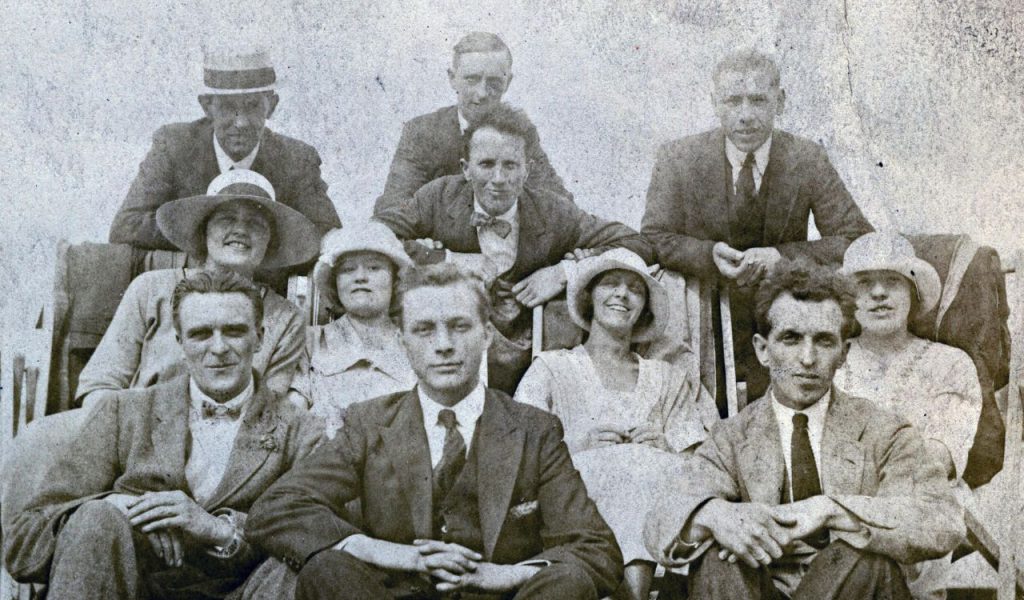
Scarcity defined nearly every aspect of life in the 1930s, and it extended far beyond the simple absence of money. It encompassed food, clothing, medical care, employment opportunities, and even emotional security. Families found themselves constantly making decisions based on how little they had, rather than on what they needed. Many people learned to stretch every possible resource, mending clothes repeatedly, watering down soups, and growing whatever food they could manage in small backyard gardens, even in urban areas. Scarcity meant learning to settle for substitutes, replacements, and improvised solutions because real goods were unaffordable or unavailable.
2. Joblessness
Joblessness was not just an economic issue; it was a crisis of identity, stability, and dignity for millions of people. When unemployment soared during the Great Depression, entire towns were left without a single dependable source of income. People traveled long distances in search of even the smallest opportunity, often returning home disappointed and exhausted. The lack of reliable work reshaped family roles, forcing children and spouses to contribute whatever they could, and in many cases leaving households without any steady earnings at all. Men who had once prided themselves on their trades watched factories close, and fields wither, while service jobs evaporated almost overnight.
3. Duststorms
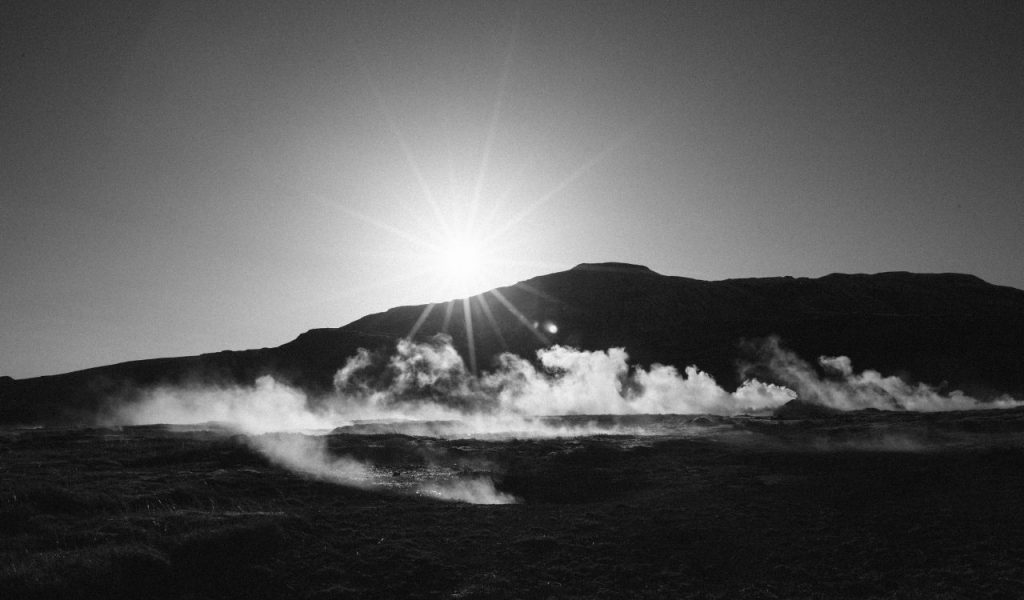
Duststorms became a punishing reality for families living in the Great Plains during the Dust Bowl years, transforming routine farm life into a constant battle against nature. What began as a severe drought escalated into storms so powerful that they blackened the skies, choked livestock, and buried homes under layers of fine dust. Families stuffed wet cloths into windows, hung blankets over doorways, and swept relentlessly, yet the dust always found its way inside. Many people developed respiratory illnesses, and crops failed repeatedly, leaving farmers unable to harvest enough to survive.
4. Migration
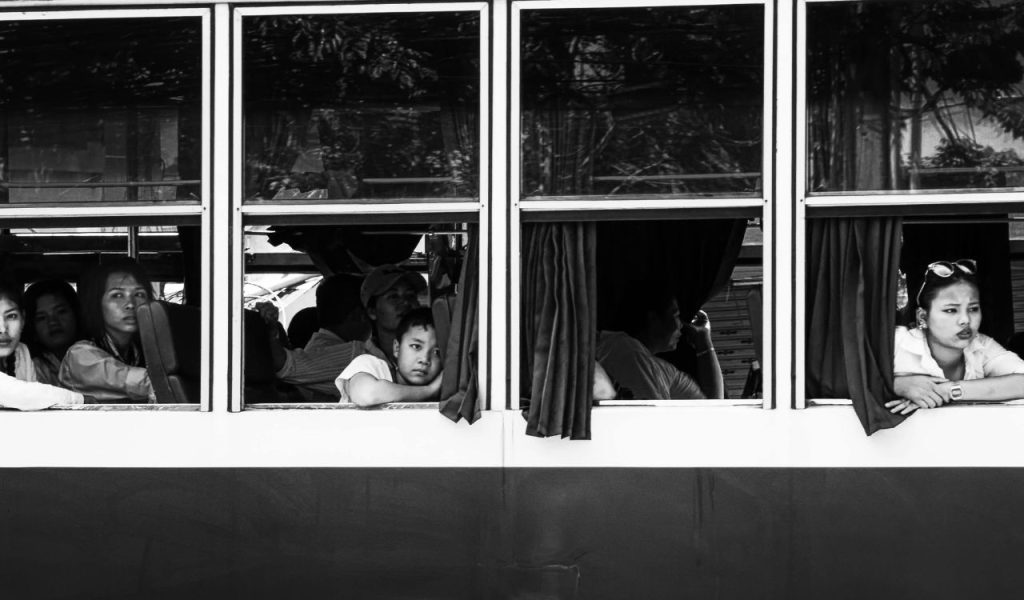
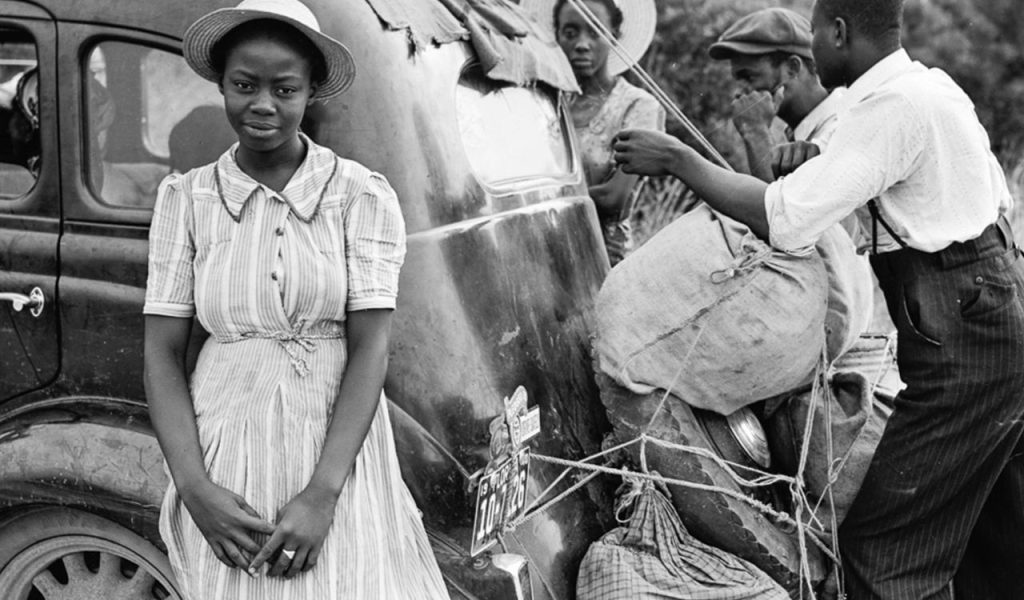
Migration surged during the 1930s as families, especially those from drought-stricken farming regions, packed their belongings and set out in search of better opportunities. Many traveled long distances, often toward the West, with no guarantee of work, housing, or stability upon arrival. Their journeys were grueling, involving worn-out vehicles, overcrowded camps, and constant uncertainty about where the next meal would come from. Parents and children alike faced the emotional strain of leaving behind their homes, communities, and familiar landscapes. They arrived in new places only to confront suspicion, low wages, and competition with other desperate migrants seeking the same rare opportunities.
5. Repairs

In the 1930s, repairs weren’t occasional tasks; they were a constant necessity, because replacing broken items was rarely an option. Whether it involved mending clothes, patching shoes, fixing tools, or salvaging household goods, nearly everything in a home was expected to last far beyond its intended lifespan. People learned basic repair skills out of necessity, often becoming creative in finding substitutes for missing parts or using makeshift materials. Clothing was stitched repeatedly until the fabric wore thin; shoes were resoled many times; and household objects were repurposed rather than thrown away. Even toys for children were patched together, often crafted from spare wood, wire, or leftover fabric.
6. Remedies

Medical access was limited for many families, so home remedies became the primary means of treating illnesses and injuries. Without affordable healthcare or nearby hospitals, people relied on generational knowledge, herbal preparations, and improvised treatments. Common conditions such as infections, fevers, and injuries were managed with homemade salves, poultices, teas, and rest, even when professional care would have been more effective. This reliance on remedies reflected both necessity and cultural tradition. Mothers and grandmothers kept mental libraries of treatments, passing them down through practice and experience.
7. Overwork

For those fortunate enough to hold jobs, overwork was the standard rather than the exception. Employers often demanded long hours in unsafe conditions because labor protections were limited or newly developing. Workers performed physically exhausting tasks with minimal breaks and low pay, driven by the fear of losing their positions in a competitive job market. Many juggled multiple small jobs or side labor just to cover basic expenses. Overwork also extended to the home, where women handled extensive domestic duties, cooking from scratch, washing clothes by hand, tending gardens, and caring for children, often while also bringing in income through sewing, cleaning, or farm tasks. Children contributed as well, taking on responsibilities far beyond their years.
8. Worry

Worry permeated daily existence in the 1930s, stretching across concerns about employment, health, food, housing, and the future of entire families. Economic instability meant that even small setbacks, such as an illness, a broken tool, or a failed harvest, could send households into crisis. Parents carried the heavy anxiety of providing for children during a time when basic necessities were uncertain. The constant pressure of scarcity and risk produced a lingering sense of dread, yet people learned to function under its weight. Conversations at kitchen tables frequently revolved around debts, prices, rumors of jobs, and hopes for better fortune. Worry also extended into national concerns as political tensions grew worldwide, hinting at a coming conflict.
9. Barter

Bartering became a reliable economic tool during the 1930s, especially in rural communities where cash was scarce. People exchanged services, produce, repairs, labor, and household goods in place of monetary payment. A farmer might trade eggs for fabric, or a neighbor might fix a roof in exchange for help harvesting crops. This informal economy helped keep communities functioning even when official wages were nearly nonexistent. Bartering also strengthened social bonds, as it required trust, communication, and fairness among participants. However, it also highlighted the fragility of the broader financial system, as people were pushed to create their own survival networks because traditional economic structures had failed them.
10. Restriction
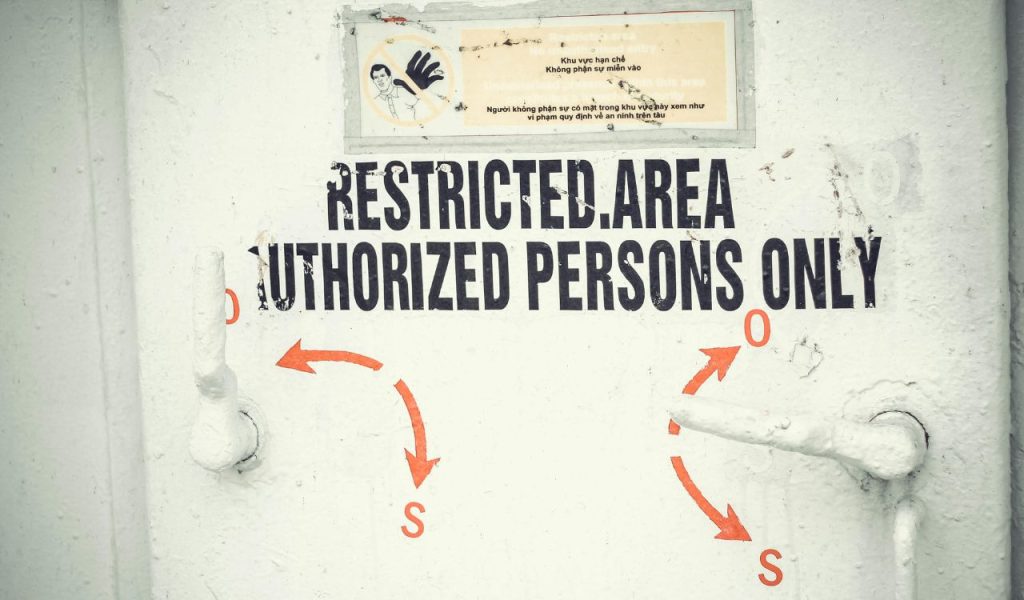
Restriction defined lifestyles in the 1930s because nearly every decision had to consider what couldn’t be done rather than what could. Families restricted spending to absolute necessities, often postponing purchases for years. Travel was limited due to fuel costs or unreliable vehicles. Diets were restricted to inexpensive staples that could be stretched across multiple meals. Children’s ambitions were restricted by family finances, requiring them to leave school early or forgo certain opportunities. These limitations shaped routines, dreams, and expectations, teaching people to adjust their desires based on what reality allowed.
11. Crowding
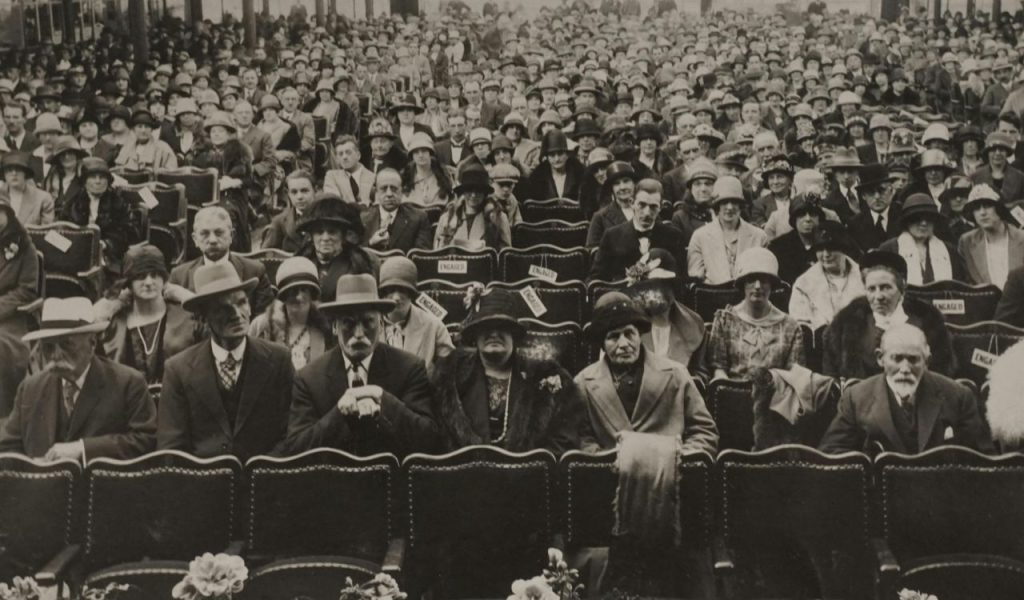
Crowding became common as families combined households to cut costs. It wasn’t unusual for multiple generations or even multiple families to share small houses or apartments. Privacy was limited, and sleeping arrangements were often improvised, leaving people cramped into makeshift spaces. Kitchens and bathrooms became points of constant negotiation, and noise was an unavoidable part of daily life. Despite the challenges, these crowded living arrangements provided emotional support, pooled resources, and mutual protection against the uncertainty of the times. People learned to adapt to shared spaces, creating routines that balanced cooperation and compromise.
12. Tension
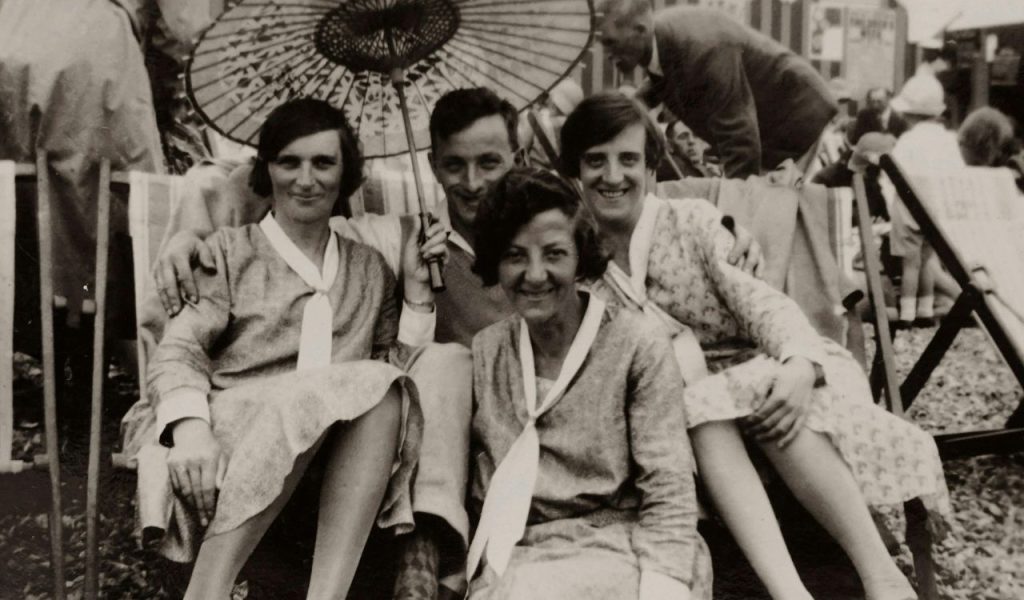
Tension threaded through every layer of 1930s life, from personal struggles to global unease. Individuals faced tension born from financial pressure, unstable employment, and the daily fear of emergencies they couldn’t afford. Family relationships were strained as parents worried endlessly and children sensed the emotional heaviness around them. Communities experienced tension from competing needs, scarce resources, and differing ideas about how to move forward. On a broader scale, international tensions rose as political conflicts and military aggression intensified in Europe and Asia, creating a background of global anxiety.