


Gratitude isn’t just a nice idea, it’s a powerful daily habit that can instantly shift your mood, energy, and perspective. In the middle of busy schedules, unexpected stress, and constant distractions, it’s easy to focus on what’s missing or going wrong. But when you intentionally pause to notice what’s working, even in small ways, your entire day can feel lighter. The beauty of gratitude is that it doesn’t require extra time, money, or dramatic life changes. Simple, consistent habits can rewire how you see the world. Here are 12 easy gratitude practices that can immediately improve your day and help you feel more grounded, positive, and present.
1. Start Your Morning With Three Simple Thank-Yous
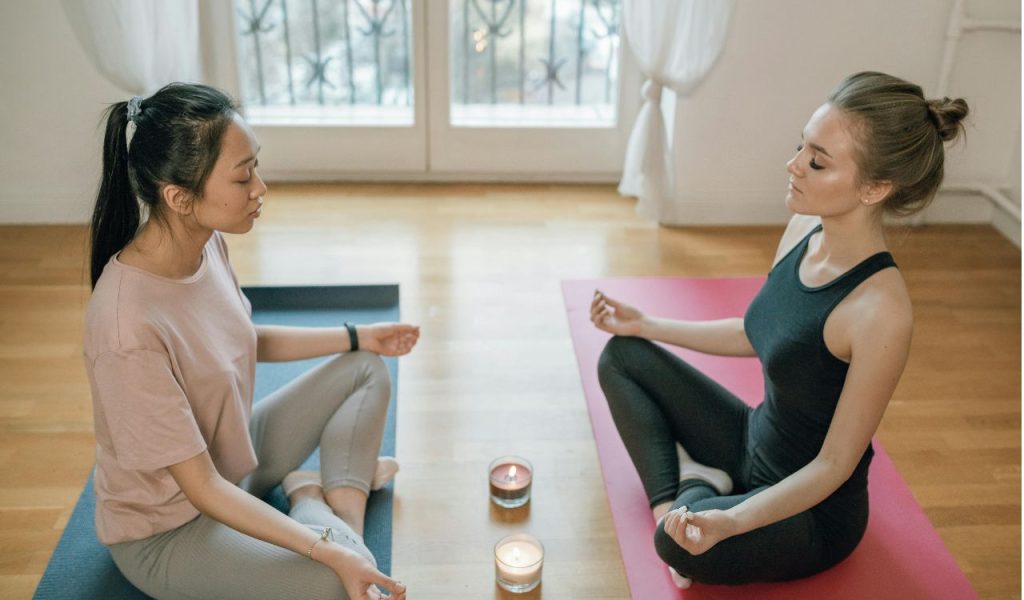
How you begin your morning shapes the tone of your entire day. Instead of immediately checking notifications or rushing into tasks, pause for a brief moment and name three things you’re grateful for. They don’t have to be big or life-changing. It could be the comfort of your bed, the quiet of early morning, the sunlight through your window, or the simple gift of waking up healthy. This small habit trains your brain to look for what’s working instead of what’s lacking. Within minutes, your mindset shifts from pressure to possibility, giving you a calmer, more positive, and intentional start.
2. Appreciate One Person Each Day

Gratitude grows stronger when it’s shared. Each day, choose one person you genuinely appreciate. It might be a colleague who supports you, a friend who listens, a mentor who guides you, or a family member who shows up consistently. Take a moment to silently acknowledge their value or better yet, tell them directly with sincerity. A short message, thoughtful note, or simple “thank you” can brighten both your day and theirs. When you focus on the people who add meaning to your life, relationships deepen, connection increases, and your overall mood lifts almost instantly and naturally. Over time, this daily practice builds stronger bonds, encourages kindness, and creates a positive ripple effect in every area of your life.
3. Reframe One Annoyance

Every day brings small irritations, traffic jams, delayed emails, unexpected changes, or long lines. While these moments feel frustrating, they also offer a powerful opportunity to practice gratitude. Instead of reacting automatically, pause and ask yourself, “What could be good about this?” Maybe traffic gives you time to enjoy music or think without interruption. Maybe a delay creates space to slow down and breathe. Reframing doesn’t deny inconvenience; it simply shifts your focus. When you choose curiosity over complaint, your stress softens. Over time, this habit trains your mind to search for hidden benefits, turning ordinary frustrations into moments of perspective and unexpected calm.
4. Practice the “Enough” Mindset

In a world that constantly pushes for more success, more money, more productivity it’s easy to feel behind. Gratitude grows when you intentionally practice the mindset of “enough.” Pause during your day and remind yourself: “Right now, this is enough.” Your effort is enough. Your progress is enough. Your possessions are enough. This doesn’t mean you stop striving; it means you stop tying your worth to constant achievement. When you appreciate what you already have, contentment replaces comparison. The pressure to chase fades, and a quiet sense of peace takes its place, allowing you to move forward with confidence instead of scarcity.
5. Write One Sentence of Gratitude

Gratitude doesn’t require pages of journaling to be effective. Sometimes, one honest sentence is enough to shift your perspective. Take a minute during your day to write a single line about something you appreciate. It could be a productive conversation, a peaceful walk, or simply having food on your table. The act of writing slows your thoughts and helps you notice details you might otherwise overlook. When gratitude moves from your mind onto paper, it feels more real and grounded. Over time, these small sentences become powerful reminders that even ordinary days hold meaningful moments worth recognizing and remembering.
6. Notice Something Beautiful
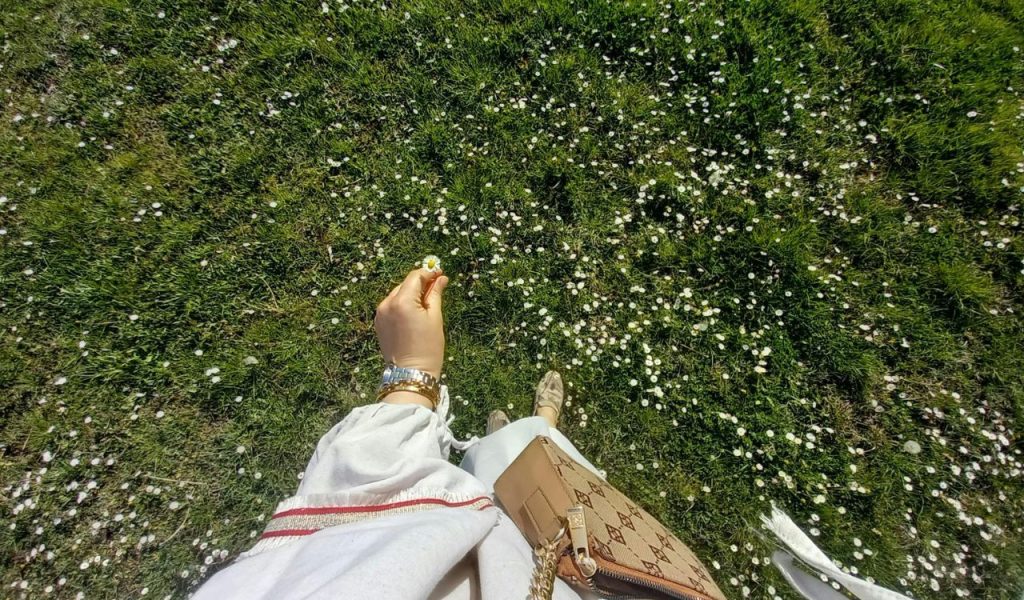
Beauty exists in quiet, everyday places, but we often rush past it without noticing. Make it a habit to intentionally look for one beautiful thing each day. It might be sunlight filtering through trees, the sound of rain against a window, a genuine smile, or a colorful sunset. When you train your attention to seek beauty, your mind naturally shifts away from stress and toward appreciation. This practice doesn’t require extra time just awareness. By slowing down and observing small details, you create moments of calm and wonder that instantly brighten your mood and remind you that goodness surrounds you.
7. Thank Your Past Self

Gratitude isn’t only about appreciating others it’s also about recognizing your own effort. Take a moment to thank your past self for something wise or brave you did. Maybe you studied when you didn’t feel like it, saved money for a goal, exercised consistently, or made a difficult but necessary decision. Those small acts of discipline created benefits you’re enjoying today. When you acknowledge your past effort, you build self-trust and confidence. Instead of focusing on what you haven’t done, you begin to value the progress you’ve already made. This habit strengthens motivation and reminds you that your actions truly matter over time.
8. Express Micro-Gratitude

Not all gratitude needs to be grand or dramatic. Micro-gratitude focuses on small, everyday acknowledgments. Say “thank you” with intention to the cashier, the delivery driver, your coworker, or your partner for simple tasks. Make eye contact. Smile. Mean it. These tiny moments of appreciation create instant positivity, both for you and the other person. When gratitude becomes part of your daily interactions, your relationships feel warmer and more connected. Over time, this habit shifts your environment. Small expressions of kindness build a culture of respect and goodwill that improves your mood and strengthens your social bonds.
9. End the Day With a “Win”

Before you fall asleep, take a quiet moment to reflect on one thing that went well. It doesn’t have to be extraordinary. Maybe you completed a task you were avoiding, handled a conversation calmly, or simply made it through a challenging day. By focusing on a “win,” you gently guide your mind away from unfinished to-do lists and toward progress. This habit helps prevent negative thoughts from dominating your night. Ending the day with gratitude creates a sense of closure and accomplishment. Over time, it improves your outlook, supports better sleep, and helps you wake up feeling more hopeful and prepared.
10. Turn Complaints Into Curiosity

Complaining can quickly drain your energy, especially when it becomes automatic. Instead of criticizing or resisting what’s happening, pause and replace complaints with curiosity. Ask yourself, “What is this situation teaching me?” or “How can I grow from this?” This small shift changes your emotional response. Curiosity opens space for understanding, while gratitude softens frustration. You’re not ignoring problems, you’re approaching them differently. When you consistently look for lessons instead of blame, you develop resilience and emotional balance. Over time, challenges feel less overwhelming, and you gain a stronger sense of control over your mindset and reactions.
11. Create a Gratitude Trigger

One of the easiest ways to build a gratitude habit is to attach it to something you already do daily. Choose a simple routine brushing your teeth, making coffee, commuting, or washing dishes and use it as a reminder to think of one thing you’re grateful for. This method removes the pressure of “finding time” because gratitude becomes automatic. Over time, your brain begins to associate ordinary activities with positive reflection. What once felt routine becomes meaningful. By linking gratitude to consistent actions, you create a sustainable habit that quietly improves your mood and strengthens your awareness throughout the day.
12. Celebrate Small Progress

We often wait for big milestones before allowing ourselves to feel proud or thankful. But real growth happens in small, steady steps. Celebrate the 1% improvements choosing a healthy meal, finishing a workout, speaking up in a meeting, or simply staying consistent. When you acknowledge small progress, you reinforce positive behavior and build momentum. Gratitude for incremental wins keeps motivation alive and prevents discouragement. Instead of feeling behind, you begin to see how far you’ve come. Over time, these small celebrations create confidence, resilience, and a deeper appreciation for the journey itself.