
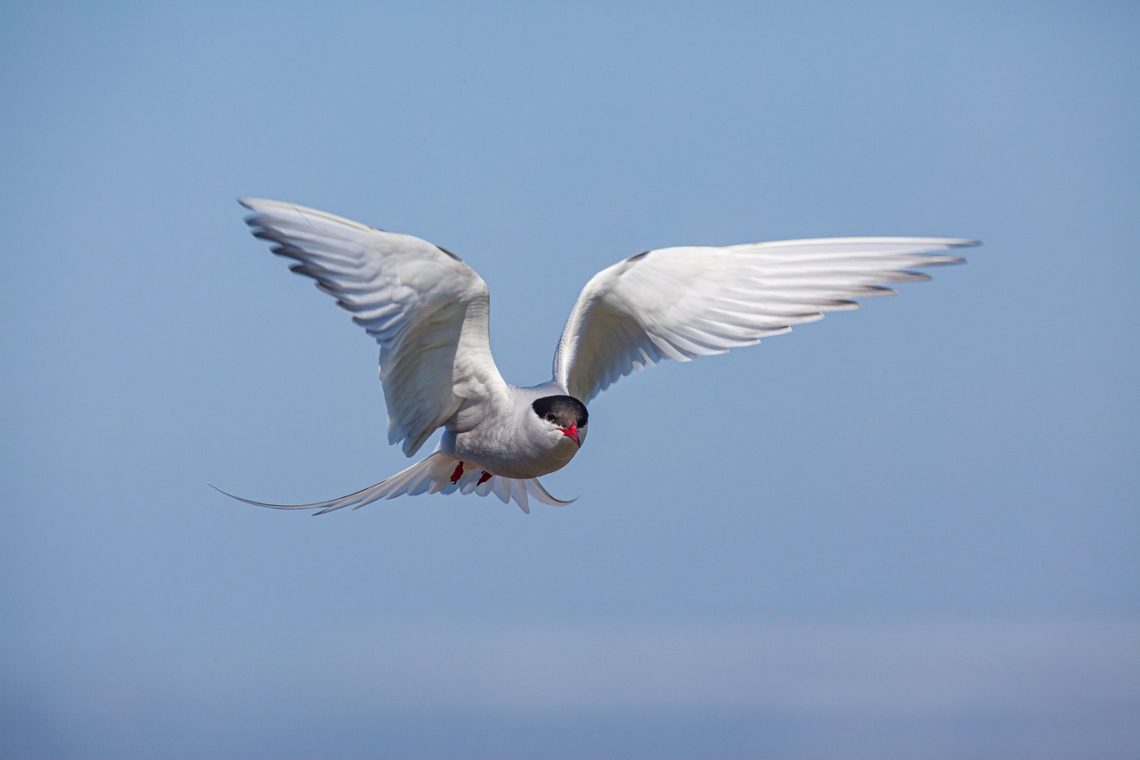
You see birds every day, but most of their abilities stay hidden in plain sight. Behind familiar feathers are survival strategies shaped by millions of years of adaptation. Some navigate entire oceans without maps, others solve problems with surprising intelligence, and a few use sound or speed in ways that still challenge scientists.
Research from groups like Cornell Lab of Ornithology and National Audubon Society continues to reveal just how complex their behavior can be. When you look closer, you start to notice that each species carries a unique toolkit built for its environment. Here are birds whose skills might change how you see the skies.
1. Peregrine falcon
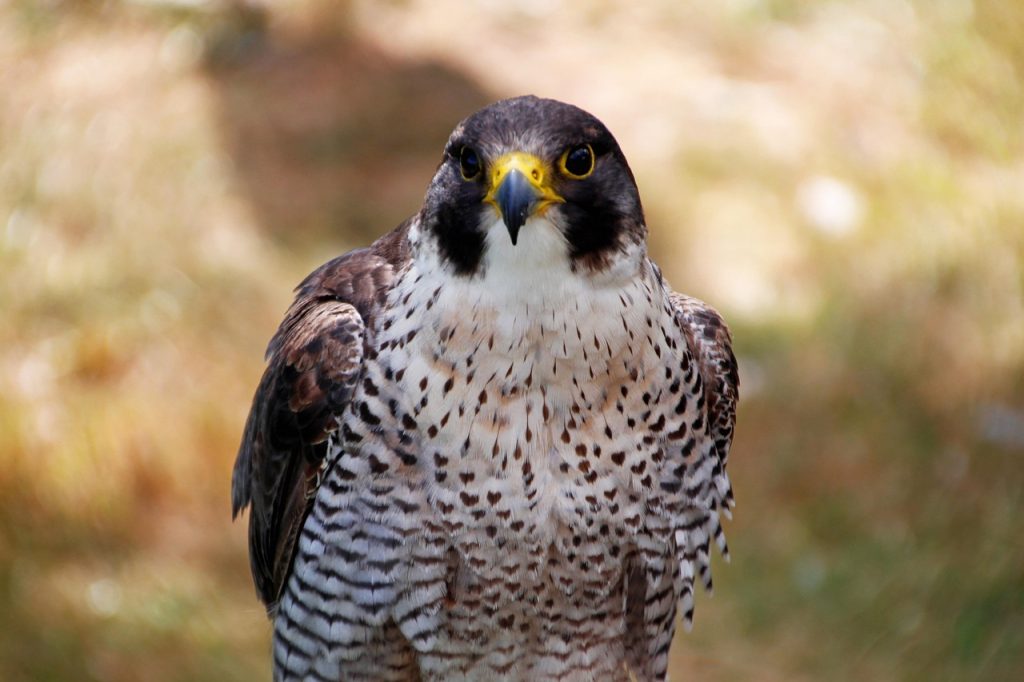
When you watch a peregrine falcon hunt, you are seeing one of nature’s fastest aerial strategies in action. During a dive called a stoop, this bird folds its wings and drops toward prey at speeds that can exceed 300 kilometers per hour. Its specialized nostrils regulate airflow so it can breathe under extreme pressure, while sharp vision lets it track targets from far above.
You might assume speed alone wins the chase, but precision matters just as much. The falcon strikes with controlled force, often stunning prey midair before catching it. Studies highlighted by National Geographic show how aerodynamic body shape and muscular control combine to create a hunter built for efficiency.
2. Lyrebird
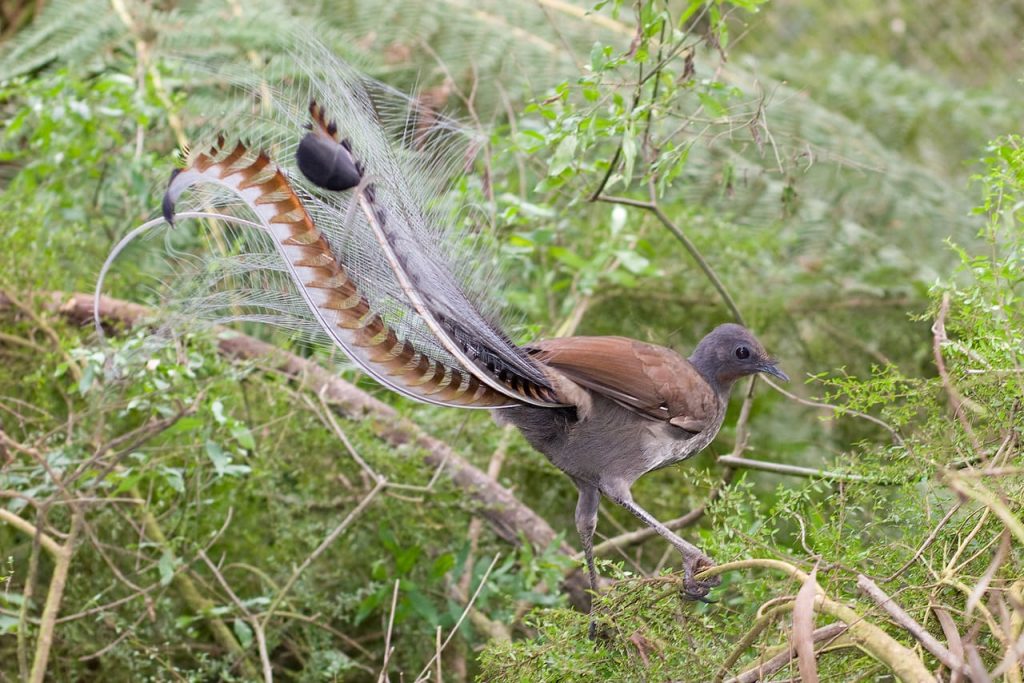
If you ever hear chainsaws, camera shutters, or other birds echoing through an Australian forest, a lyrebird might be nearby. You are listening to one of the most skilled vocal mimics on Earth. Males copy sounds with remarkable accuracy, weaving them into elaborate songs used to attract mates and defend territory.
This ability goes beyond simple imitation. The bird listens, remembers, and reproduces complex sequences, sometimes blending natural and human sounds into a single performance. Researchers believe this flexibility helps you understand how advanced learning evolves in animals that rely on communication for survival.
3. Clark’s nutcracker
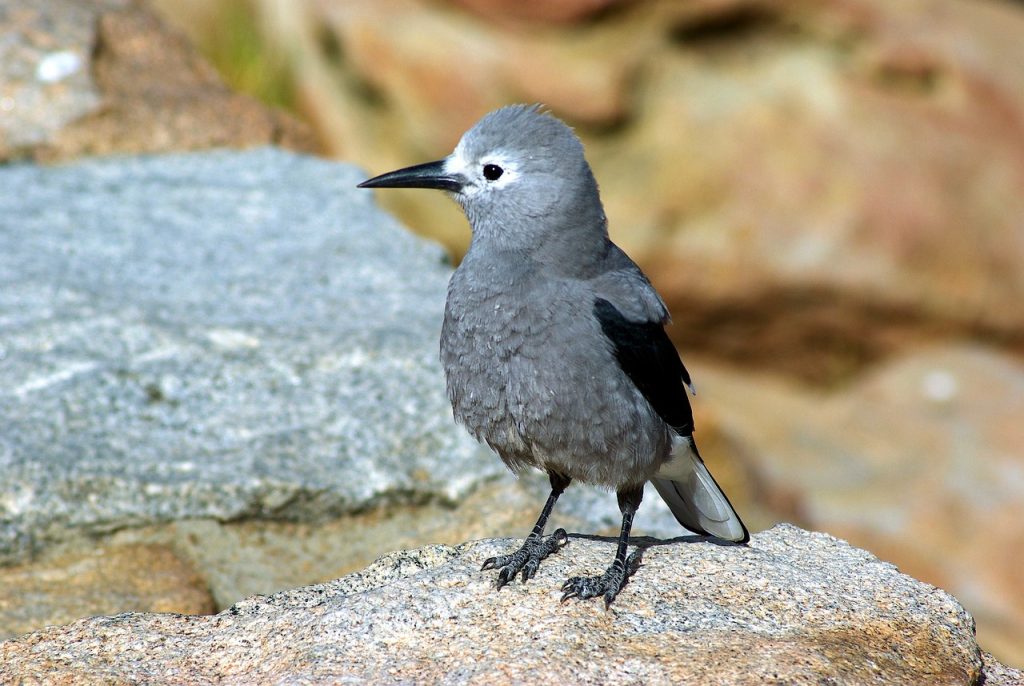
High in mountain forests, Clark’s nutcracker survives harsh winters by relying on a memory that rivals many mammals. You might be surprised to learn that this bird can hide tens of thousands of seeds and later recover them months later, even under snow. Its brain contains specialized regions that support spatial recall.
When food is scarce, these caches become a lifeline. By remembering locations across wide landscapes, the bird spreads tree seeds and supports forest regeneration. You are seeing a partnership between animal behavior and ecosystem health that benefits both species and habitat. This quiet habit helps entire forests rebound after tough seasons.
4. Arctic tern
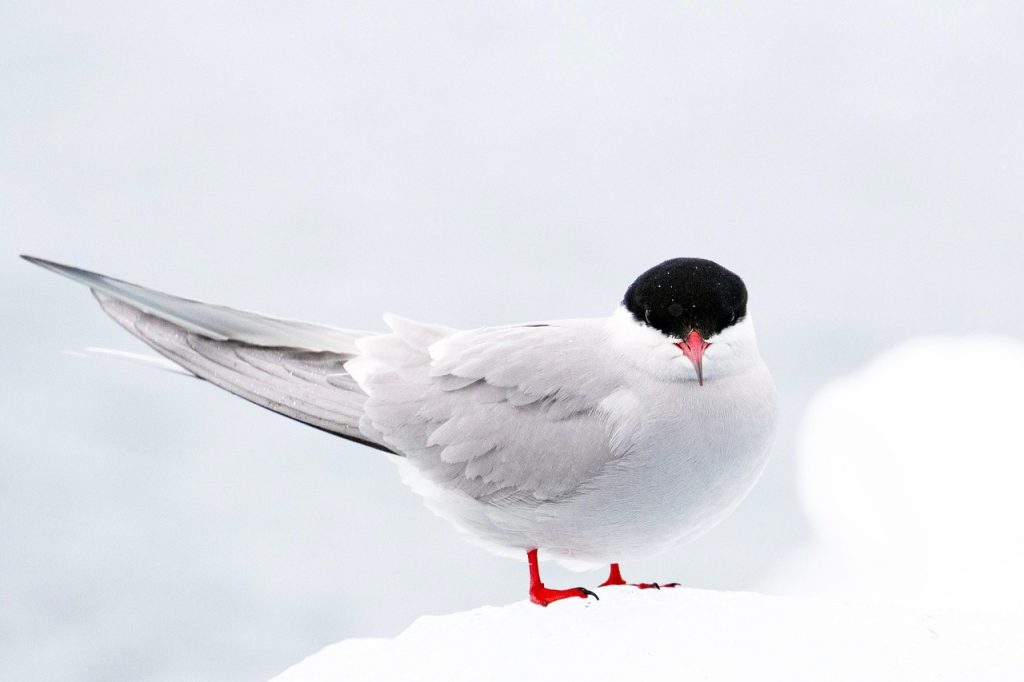
The Arctic tern lives a life defined by distance. Each year, you are witnessing one of the longest migrations known, as this bird travels from Arctic breeding grounds to Antarctic waters and back. It follows seasonal sunlight, effectively living in near constant summer.
Navigation relies on multiple cues, including Earth’s magnetic field, sun position, and visual landmarks. Scientists tracking these journeys show how endurance and orientation combine into a strategy that maximizes feeding opportunities across hemispheres. Few creatures experience as much of the planet as this traveler. You are watching a migration that spans nearly pole to pole each year.
5. Woodpecker
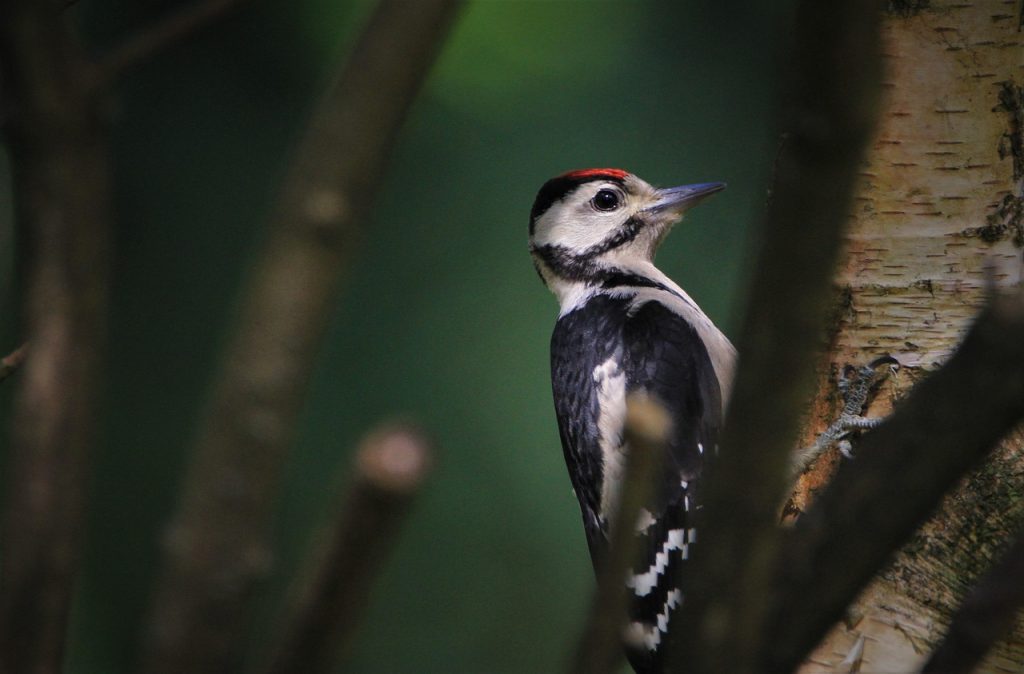
When you hear rapid tapping on a tree, a woodpecker is using a shock-resistant design that protects its brain from repeated impact. You might expect injury from such force, yet specialized skull structures and a tongue that wraps around the head absorb vibrations.
Beyond drilling for insects, this behavior creates nesting cavities that other animals later use. You are watching an engineer shape the forest in subtle ways. Studies of these adaptations have even inspired ideas for protective gear in human engineering. This constant chiseling quietly supports dozens of other forest species. You are seeing how one bird’s routine work reshapes an entire habitat.
6. Bowerbird
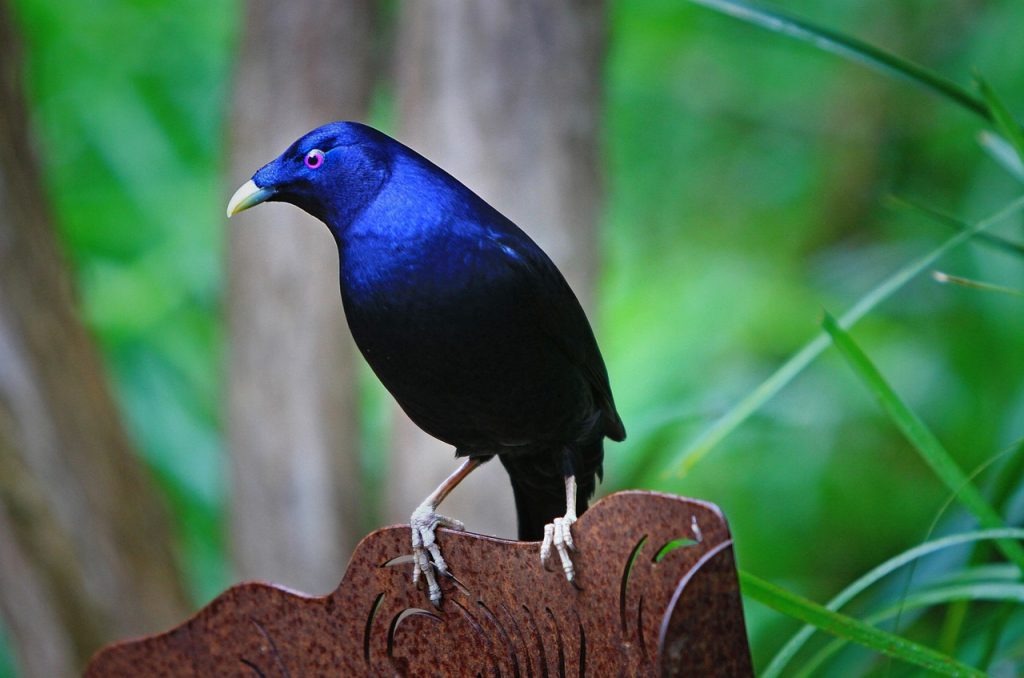
The male bowerbird turns courtship into architecture. Instead of building a nest for eggs, it constructs a decorated structure called a bower, arranging leaves, shells, and colorful objects to impress visiting females. When you observe this display, you see creativity driven by selection.
Each arrangement reflects careful choice and ongoing maintenance. Some species even use perspective tricks so decorations appear larger from a certain angle. This behavior shows how aesthetics can influence survival, reminding you that beauty and strategy often intersect in nature. You might notice males constantly rearranging items to keep displays fresh.
7. Bar-tailed godwit
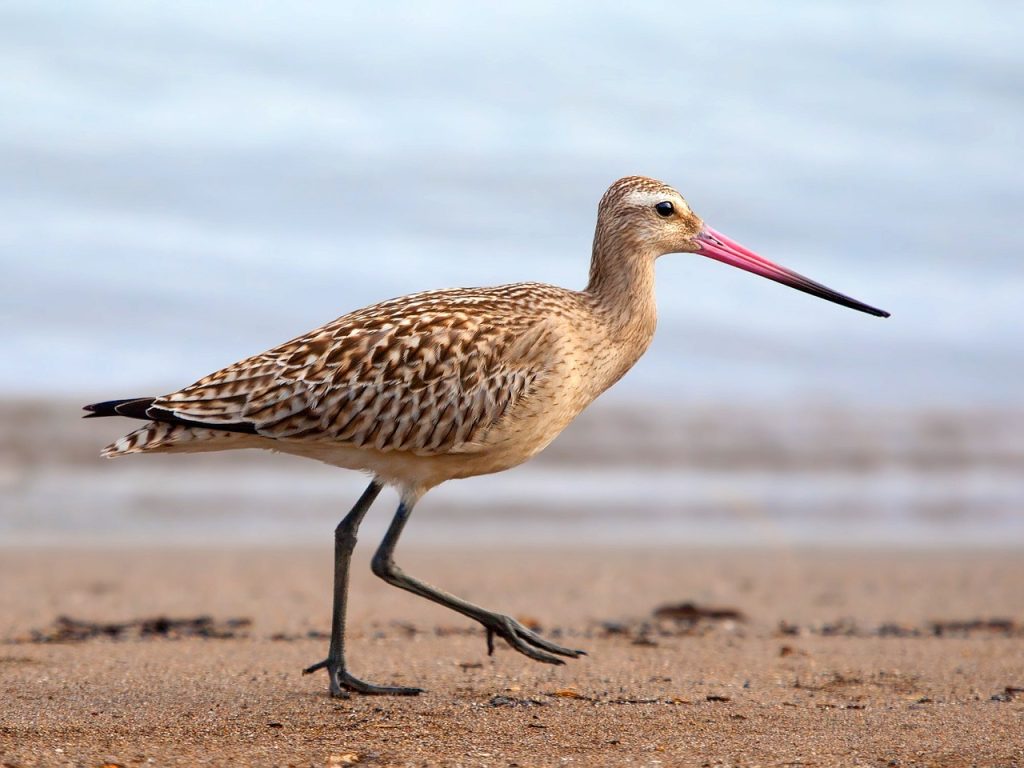
The bar-tailed godwit performs nonstop flights that stretch across oceans without landing. You might find it hard to imagine, but individuals have been tracked flying for more than a week straight between Alaska and New Zealand. Before departure, the bird stores energy as fat and reduces nonessential organs.
During flight, efficient wing motion conserves energy while favorable winds assist the journey. This endurance demonstrates how physiology and timing align to support extreme travel. You are witnessing a balance between preparation and instinct that keeps the species connected across continents.
8. Owl
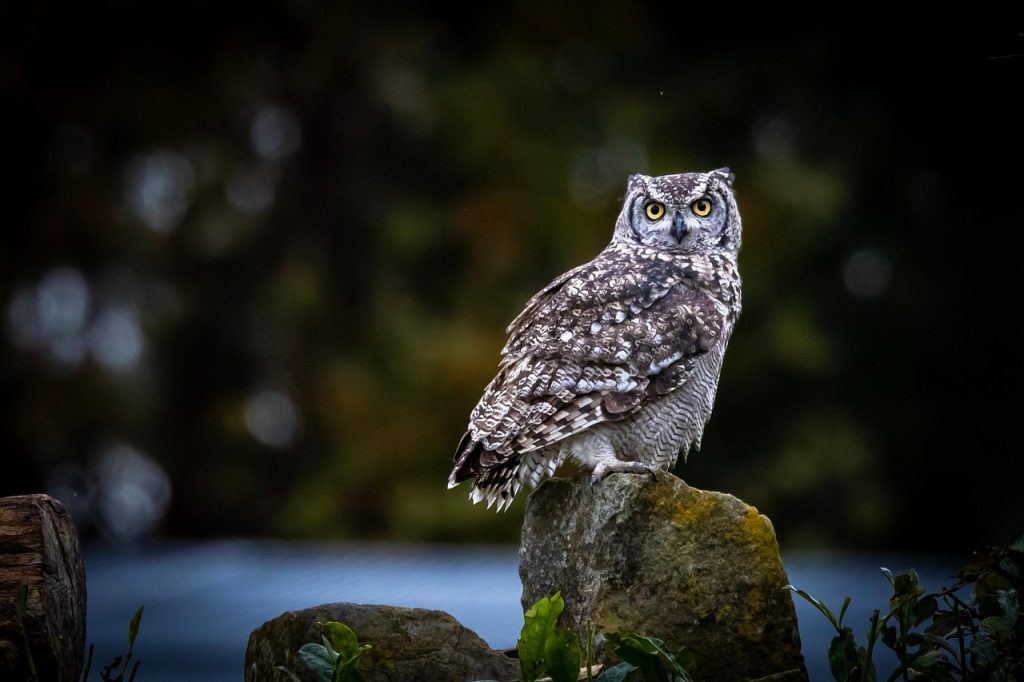
Owls move through the night with near-silent flight, thanks to specialized feathers that break up airflow and reduce noise. When you notice how quietly they glide, you are seeing an adaptation that helps them approach prey undetected in darkness.
Their facial discs channel sound toward highly sensitive ears, allowing precise location of movement even under snow or leaves. This combination of stealth and hearing gives you a glimpse into how predators evolve to master low-light environments. You can appreciate how patience becomes as important as speed during a hunt. These skills allow owls to thrive in habitats where visibility is limited.
9. Crow
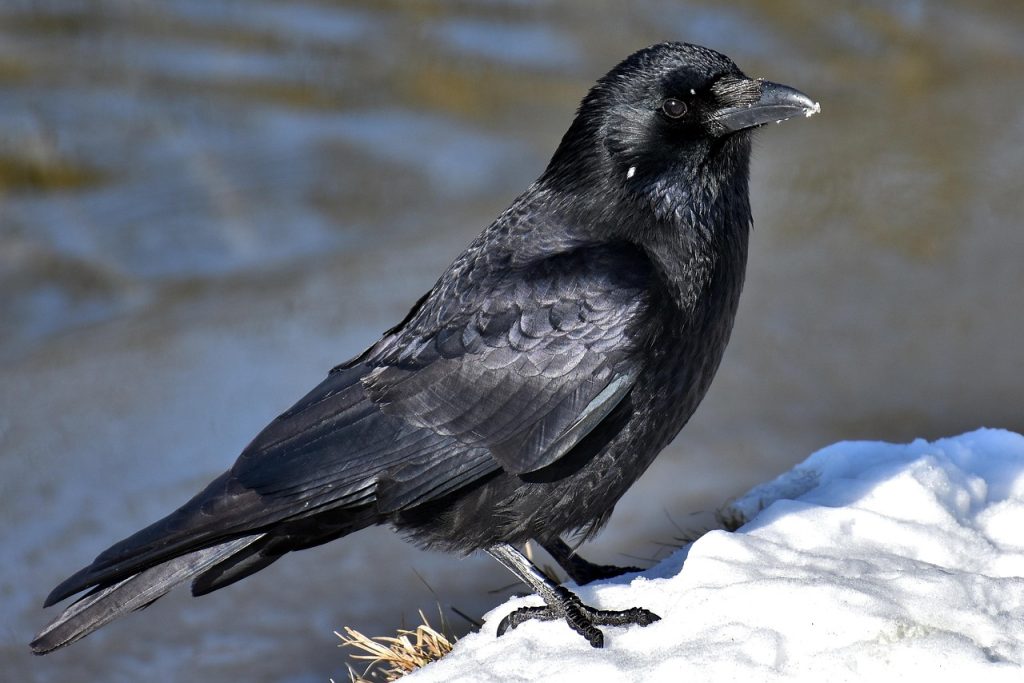
Crows display problem-solving that often surprises observers. You might watch one use tools, remember human faces, or cooperate with others to access food. Experiments show they can plan steps ahead, suggesting a level of cognitive flexibility rare among birds.
Living in complex social groups encourages learning and communication. When you see a crow adapt to urban life, you are witnessing intelligence that thrives on curiosity and memory, traits that help the species succeed in changing environments. You may notice them teaching younger birds through shared experience. Their adaptability shows how learning can shape survival in fast-changing settings.
10. Hummingbird
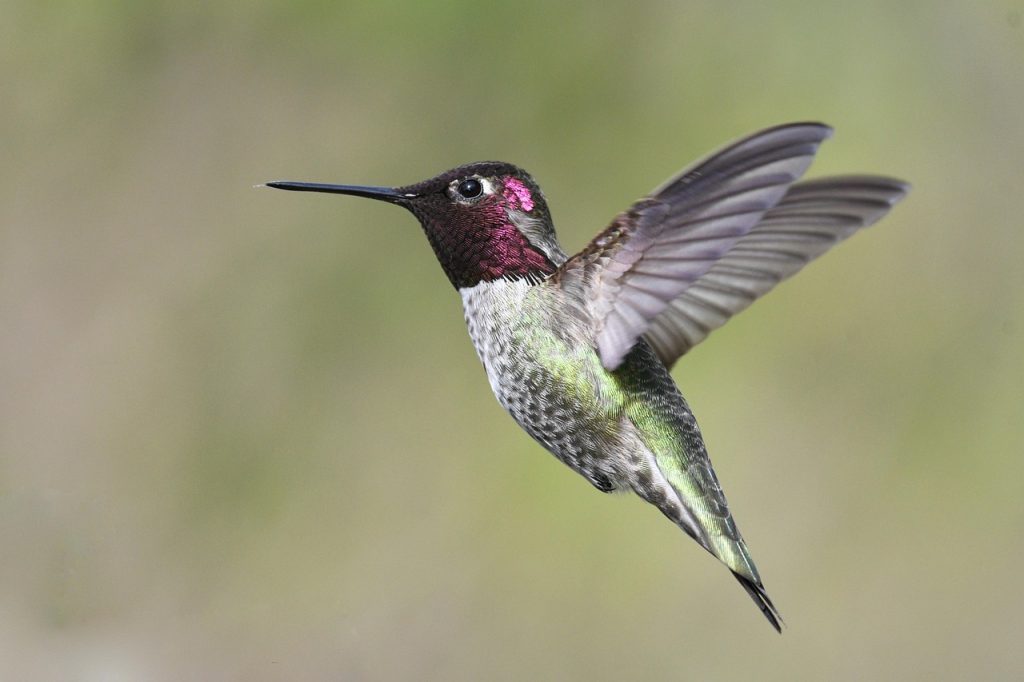
A hummingbird hovers with wingbeats so rapid they create lift in both directions, allowing precise control as it feeds on nectar. You can watch it move forward, backward, or remain suspended while sipping from flowers.
Its metabolism runs at an extraordinary pace, supported by efficient oxygen use and frequent feeding. At night, some species enter a state similar to torpor to conserve energy. This delicate balance shows how small bodies can sustain intense activity through constant adjustment. You are seeing a tiny flyer manage energy with remarkable precision. These rapid movements help hummingbirds compete for nectar in crowded habitats.
11. Secretary bird
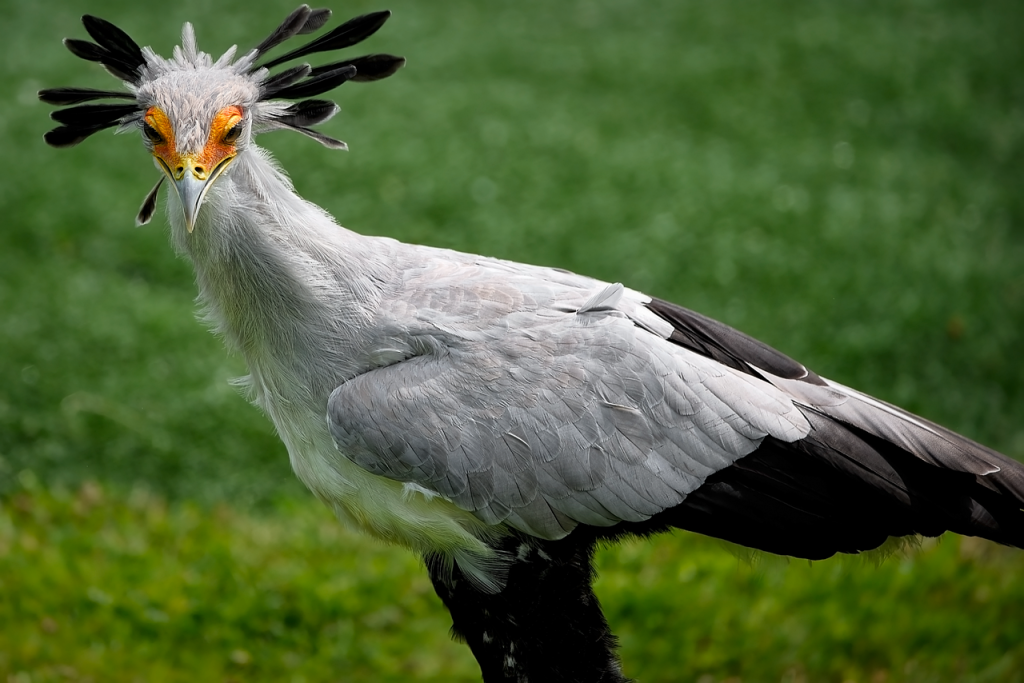
The secretary bird hunts in open grasslands using long legs to stomp prey with powerful, accurate strikes. You might see it walking deliberately through fields, scanning for snakes and small animals before delivering rapid kicks.
This ground-based strategy reduces risk from venomous prey while conserving energy compared to constant flight. By combining patience with precise movement, the bird demonstrates how behavior can evolve to match specific ecological challenges. You can observe how timing and accuracy make each strike effective. These hunting skills help maintain balance among grassland species.
12. Albatross
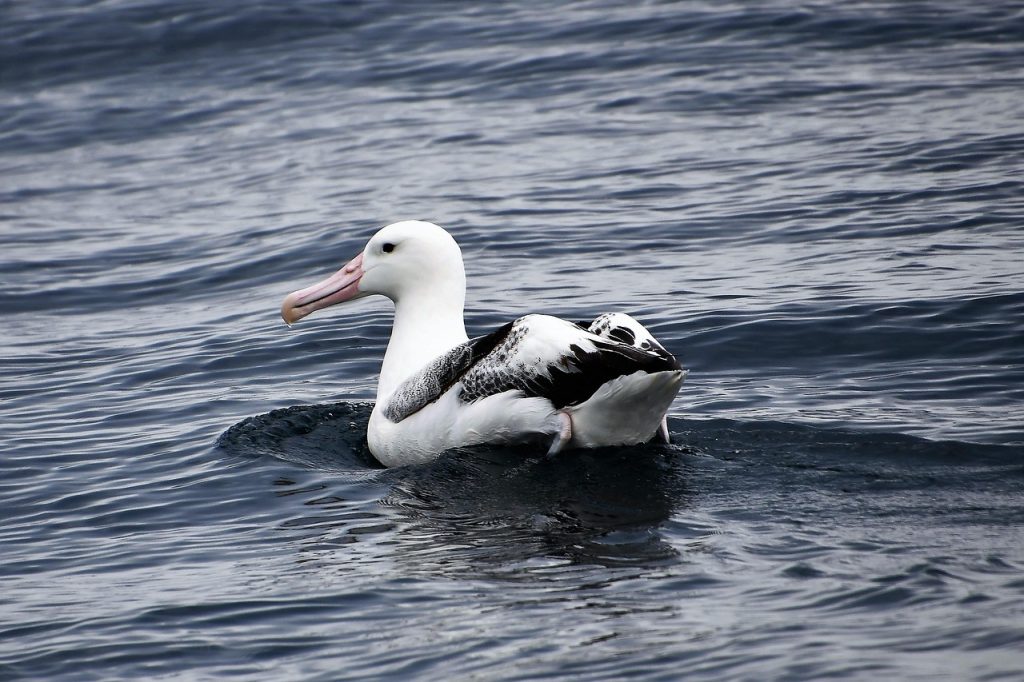
The albatross spends much of its life soaring over oceans, using dynamic soaring to travel vast distances with minimal effort. When you observe its long wings locked in place, you are seeing mastery of wind patterns that reduces energy use.
These birds can circle the globe by harnessing differences in air speed above waves. Such efficiency allows them to search wide areas for food while conserving strength, offering a clear example of how flight can be optimized for endurance. You can notice how rarely they need to flap their wings. This energy-saving strategy supports journeys that last for years at sea.