

What this really means is you want to see more than everyday affection. You want clear, meaningful signals that your child treasures you not just because you’re family, but because they choose you in how they act, speak, and show up. When a child truly values you, their behavior reflects understanding, respect, connection, thoughtfulness, and that steady pull to be close even when life gets busy.
You’ll spot these signs if you pay careful attention to how they treat you, how they talk to you, and how they include you in their world. These behaviors matter because they show sincere appreciation, not just a routine habit. When you see these 11 signals repeatedly, it’s a strong indication your child truly values you in heartfelt ways.
1. They Listen to You All the Way Through
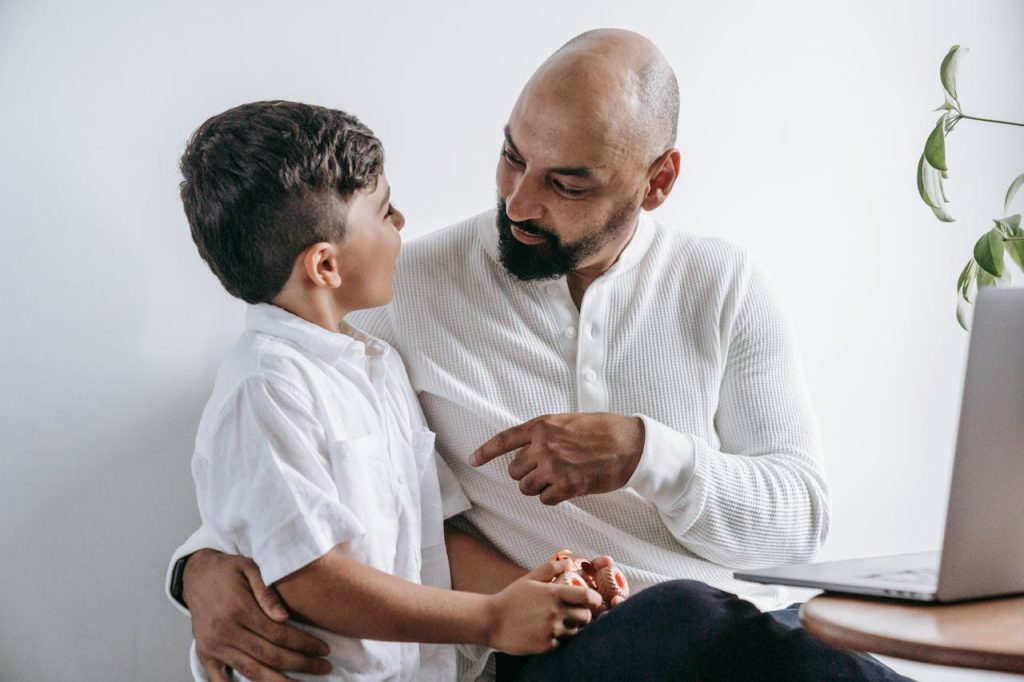
When your child listens fully, including what you don’t say out loud, it shows respect and interest. They look at you, respond thoughtfully, and don’t push you aside. Listening isn’t just about quiet; it’s about engagement.
You’ll notice they repeat details correctly, ask questions to understand you better, and they pause before interrupting, even if excited. That takes self-control and focus. When they truly value you, they make room for your words and thoughts, even when they’d rather talk about something else. Listening this way builds trust and connection. It’s a signal they want to understand you, not just hear you.
2. They Include You in Their Important Moments

Whether the moment is big or small, they want you there. A school play, a sports game, or even a quiet achievement at home, they choose to share it with you. They seek your smile, your nod, and your words of encouragement, knowing it makes the moment richer.
In including you, they show you matter in their world. They could tell anyone, but they tell you first. This isn’t about obligation. It’s about connection, pride, and wanting your presence in memory-making times. You’ll notice they look for your reaction, laugh with you, and point to you in the crowd. That’s not random. That’s value in action. They carry these shared moments in their hearts, remembering your support long after the applause fades.
3. They Seek Your Advice, Not Just Answers

When your child values you, they come to you for guidance. They want your view on problems, not just quick fixes. It shows they trust your judgment and care what you think. They pay attention not only to what you say but also to how you say it, noticing your tone and intent. Their questions often go deeper, reflecting genuine interest in understanding your perspective fully.
This isn’t always about agreement. It’s about respect. You’ll see they consider your suggestions, ask follow-up questions, and sometimes pause before deciding, showing they’re weighing what you offered. That’s the kind of behavior that comes from real appreciation, not just needing help, but wanting your perspective. They carry your advice into their choices and later reflect on it, showing lasting trust and value in your guidance.
4. They Apologize Sincerely When They’re Wrong

Genuine apologies aren’t automatic for kids. When they cut through ego and own their mistake, that’s respect. It shows they value the relationship more than being right. They also learn to listen when you explain how their actions affected you, showing they’re trying to understand your perspective fully. That effort demonstrates emotional growth and awareness.
Sincere apologies include acknowledgment of hurt, a wish to make it better, and follow-up actions that match the words. You’ll see they don’t just say “sorry”; they show it with changed behavior. That reflects maturity and care. It tells you they value you enough to repair things when they go wrong. Over time, these actions build trust, proving they take their bond with you seriously.
5. They Remember What You Say Later
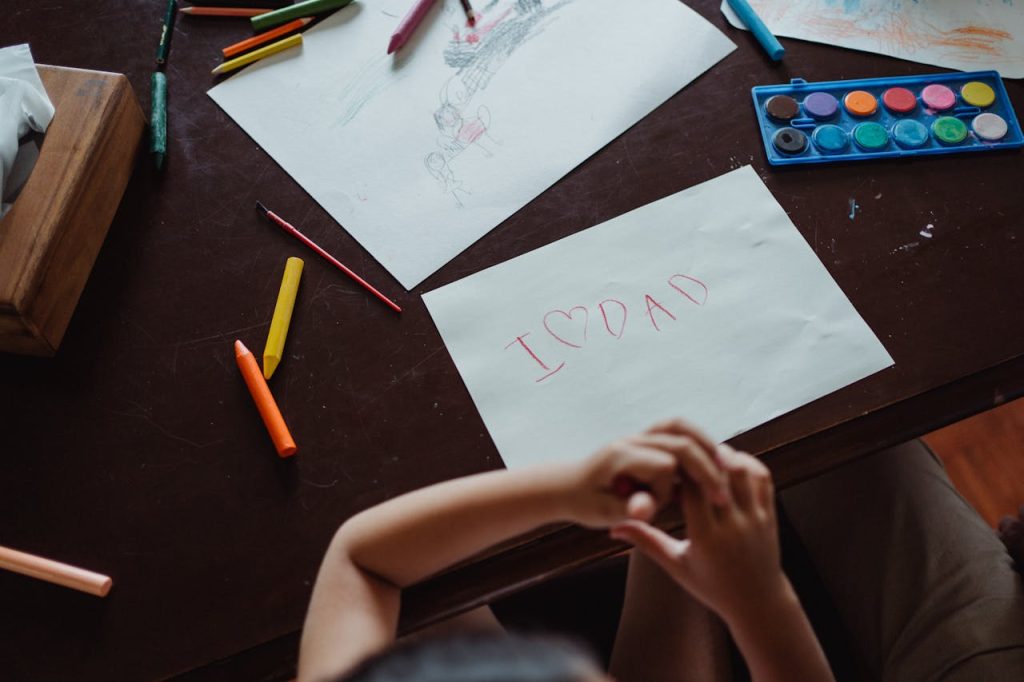
You might mention something in passing and forget about it. But they remember. Birthdays of colleagues, your favorite dessert, the book you’re reading. That doesn’t happen by accident. They might bring up something you mentioned weeks ago just to check in, showing they were thinking of you even when apart. That consistency tells you they truly notice and care about the little things that matter to you.
It shows they’re paying attention and holding onto your words. It signals interest and a desire to connect beyond the surface. When your child remembers details about you, it’s not trivial, it’s meaningful. These little memories add up to a larger pattern of valuing you. They use these moments to strengthen your bond, proving their appreciation is genuine and thoughtful.
6. They Show Empathy When You’re Upset
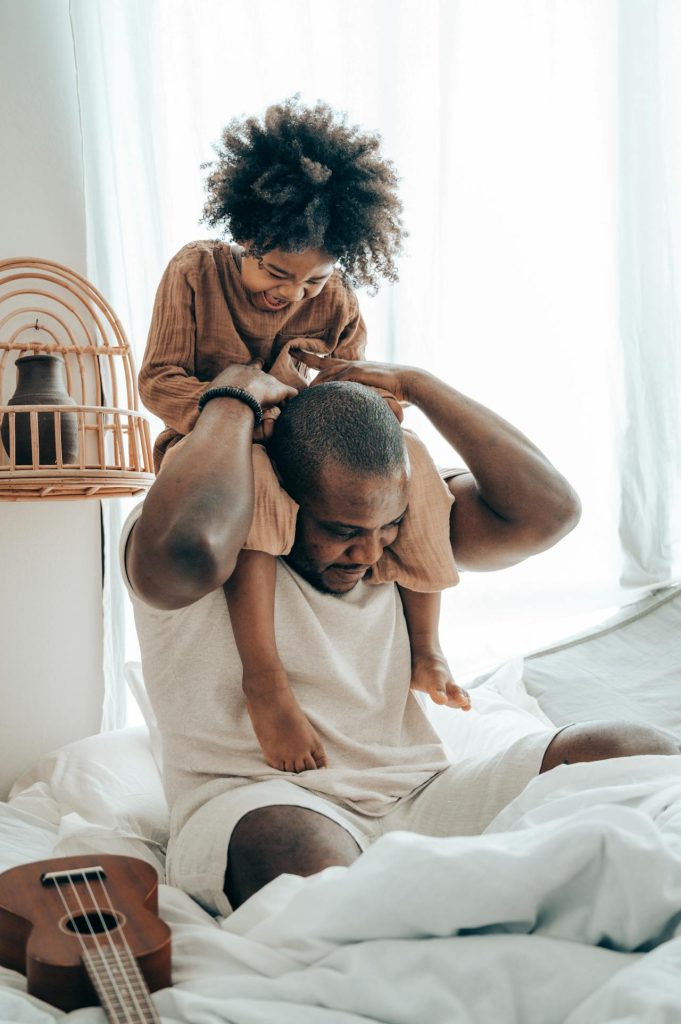
When you’re struggling, they notice not just your face, but your mood. They offer comfort, space, or a light joke to ease tension. That shows emotional understanding and care. They might quietly bring you a favorite snack, hold your hand, or simply sit nearby, letting you know you’re not alone. These small, thoughtful gestures reveal their awareness of your feelings and their desire to help.
Empathy isn’t forced. It’s instinctive. You’ll see them check in, adjust their behavior, or come sit beside you. That’s not because they have to. It’s because they want you to feel supported. That kind of emotional attunement is a deep marker of value.
7. They Celebrate You, Not Just Their Wins
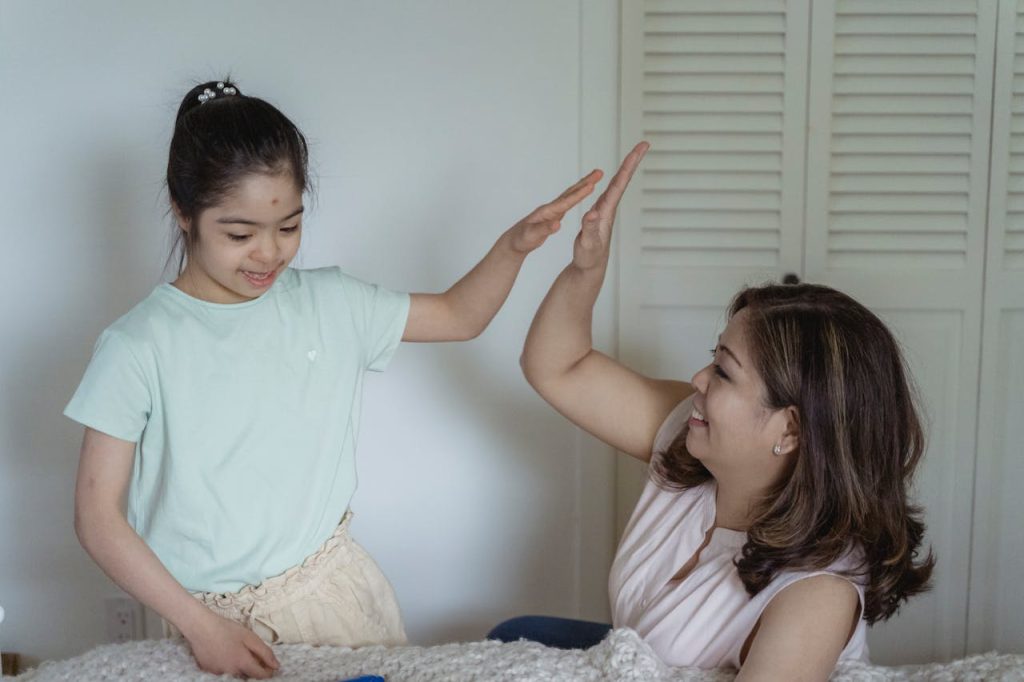
Your child beams when you succeed. They cheer your wins like they were their own. That’s different from polite applause. That’s them genuinely feeling joy for you. They might high-five you, give a hug, or tell you how proud they are in their own words, showing they celebrate your efforts as if they matter to them personally.
They’ll tell others about your achievement, include you in celebratory moments, and punch the air with pride. That’s not fake. That’s deep connection. When a child values you, they don’t just expect support; they give it back with enthusiasm. Over time, this celebration becomes part of your shared story, reinforcing trust, affection, and the knowledge that your successes truly matter to them.
8. They Trust You With Their Fears
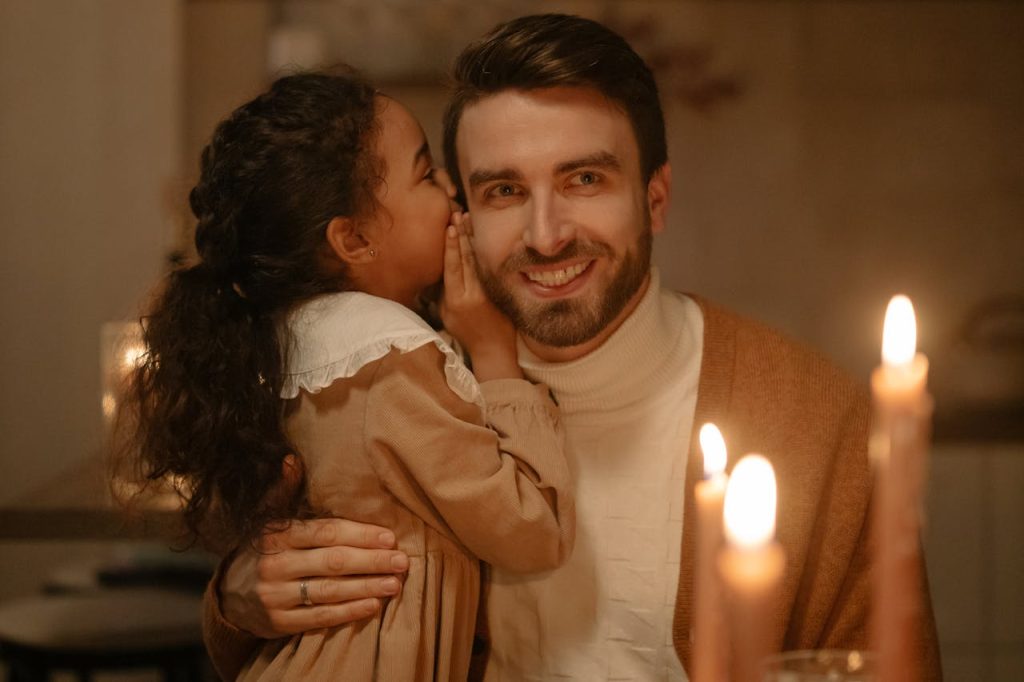
Children guard their worries. They don’t share them easily. When they trust you enough to say what scares them, it tells you something true: they feel safe with you. They might whisper fears late at night, write them in a note, or share quietly during a walk. Each act shows they believe you will listen without judgment.
They might open up about anxiety, friendships, school pressure, or big future questions. That kind of sharing doesn’t happen without trust. And trust comes from consistent care, presence, and emotional safety you create. That’s a big sign they value you, not just as a caregiver, but as someone they rely on.
9. They Make Time for You Even When They’re Busy

When life gets full, priorities shift. Still, they carve out time for you. It might be a text, a short walk, or a shared snack. You’ll see the effort, even if brief. They might adjust their schedule, skip a distraction, or pause an activity just to be present with you. That intentional choice shows you matter more than convenience or habit.
It’s not always extravagance. It’s consistency and intention. That tells you they want you in their life, not just physically nearby, but engaged and connected. They value time with you, and that shows in how they protect it. Over weeks and months, these small moments accumulate, forming a pattern of commitment and love. They communicate through actions that you are a priority in their world, not just someone in it.
10. They Respect Your Boundarie
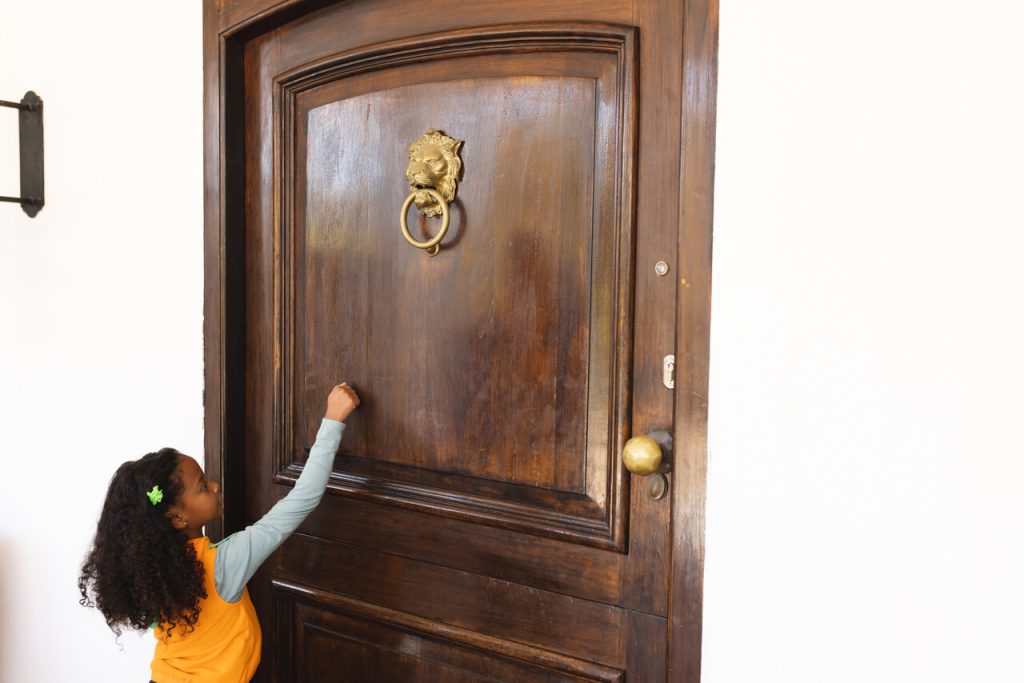
Respecting your boundaries means they see you as a person with limits, not just as someone who exists for their needs. When your child honors your requests about space, privacy, or emotional needs, it shows they care about your wellbeing. They might wait before barging into your room, listen when you say you need quiet, or check in before borrowing things. These actions show awareness and thoughtfulness, not just compliance.
That respect isn’t automatic. It’s learned and practiced. When they do it consistently, it’s a sign they value you as a whole person. They’re not just loving you. They’re understanding you.
11. They Tell You Things They Don’t Tell Others

There’s something significant about private sharing. When your child opens up to you about thoughts, worries, or hopes they don’t share with peers, it signals deep trust and closeness. They might reveal secrets, dreams, or frustrations, knowing you will listen without judgment. That level of openness shows they feel safe and seen by you in a way no one else provides.
They choose you for vulnerability. That’s not casual. It’s intentional. Trust is built over time, through consistency in your response, presence, and care. That choice to confide in you matters. It’s one of the clearest signs your child truly values you. By respecting their disclosures and responding with empathy, you reinforce their sense of security and the bond that makes them want to share.