
Some books don’t just teach you something new, they quietly rearrange how you see everyday choices. When you spend time with careful reporting, research, and lived experience, you start noticing patterns you once missed. These titles invite you to question assumptions about behavior, history, science, and meaning, without talking down to you.
As you read, you test your own beliefs against evidence and stories drawn from psychology labs, fieldwork, and real lives. The result is not quick inspiration but a deeper shift in how you weigh decisions, understand people, and make sense of the world around you.
1. Thinking, Fast and Slow by Daniel Kahneman

You see how your mind runs on two systems, one fast and intuitive, the other slow and deliberate. Through decades of research summarized from behavioral economics and cognitive psychology, you learn why you misjudge risk, overtrust first impressions, and cling to flawed narratives. Real experiments show how easily context nudges your choices without you noticing.
As you move through the chapters, you start catching your own mental shortcuts in daily decisions, from spending to planning. The book draws heavily on peer-reviewed studies and Kahneman’s Nobel Prize-winning work, helping you build a more careful way of thinking without pretending you can eliminate bias entirely.
2. Sapiens: A Brief History of Humankind by Yuval Noah Harari
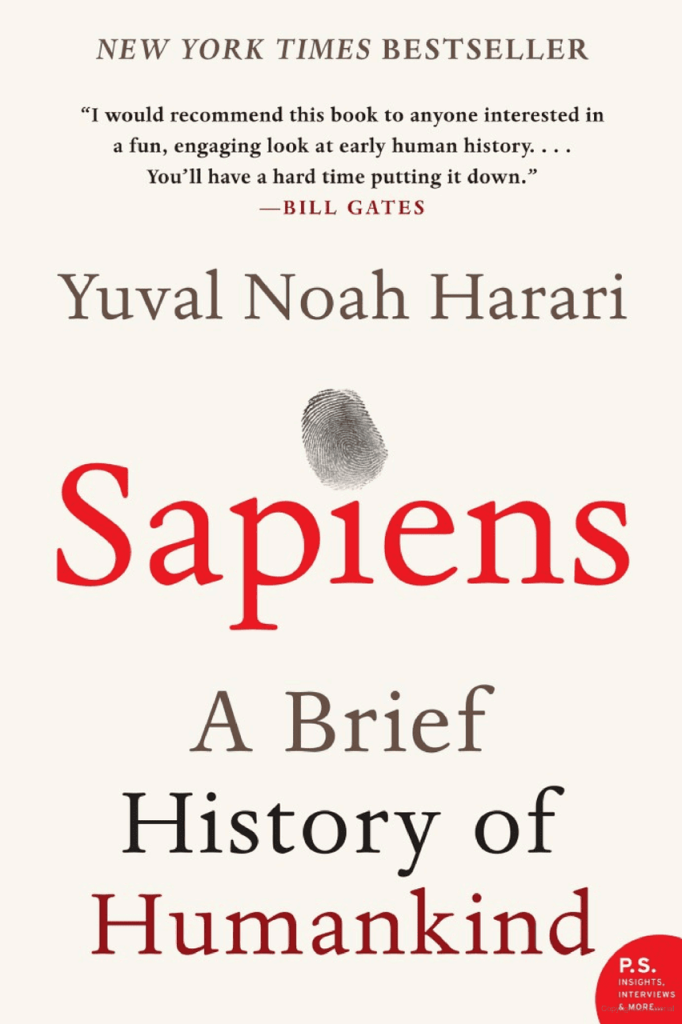
You trace how shared stories shaped cooperation, from early tribes to modern nations and markets. Drawing on anthropology, archaeology, and evolutionary biology, the narrative explains how myths about money, religion, and identity organize large societies. You start seeing institutions not as fixed realities but as agreements people continue to believe in.
As you read, familiar ideas about progress become more complicated. The book encourages you to question whether technological advances always improve well-being, using evidence from historical records and scientific research to ground its big claims while inviting you to reflect on humanity’s long trajectory.
3. The Power of Habit by Charles Duhigg
You learn how cues, routines, and rewards shape behaviors you often run on autopilot. Reporting from neuroscience labs and corporate case studies shows how habits form in the brain and how small changes can redirect them. Stories range from individuals rebuilding routines to organizations transforming culture through simple feedback loops.
As you apply the framework, you begin to notice triggers behind your own patterns, whether checking your phone or structuring your workday. The book draws on research from institutions like MIT and peer-reviewed psychology, giving you practical insight into why change feels hard and how to approach it realistically.
4. Guns, Germs, and Steel by Jared Diamond

You explore why some societies developed technologies and political power earlier than others, focusing on geography and environment rather than cultural superiority. Using evidence from ecology, linguistics, and archaeology, the argument explains how crops, animals, and disease shaped global history over thousands of years.
As you follow the analysis, you rethink simple explanations for inequality between regions. The book’s sweeping scope encourages you to connect environmental conditions with historical outcomes, helping you see how long-term forces influence events often attributed only to leaders or chance.
5. Man’s Search for Meaning by Viktor E. Frankl

You witness how meaning can sustain people even in extreme suffering, based on Frankl’s experiences in Nazi concentration camps and his development of logotherapy. The reflections blend memoir with psychological insight, showing how purpose influences resilience and emotional survival under unimaginable conditions.
As you reflect on the lessons, you begin to reconsider how you respond to hardship and uncertainty. The book remains widely cited in psychology and counseling, offering a grounded perspective on finding direction not through comfort but through responsibility and chosen values. You start noticing how small choices can shape your sense of purpose each day.
6. Quiet: The Power of Introverts in a World That Can’t Stop Talking by Susan Cain

You examine how cultural norms often reward constant sociability while overlooking the strengths of reflection and deep focus. Drawing on psychology research and interviews, the book explains how temperament shapes creativity, leadership, and decision making in ways that quieter people often recognize firsthand.
As you reconsider workplace and social expectations, you gain language to appreciate different energy styles. The book encourages you to design environments that allow both collaboration and solitude, using evidence from studies on personality and performance to challenge one-size-fits-all assumptions.
7. The Righteous Mind by Jonathan Haidt

You explore why moral disagreements feel so personal and persistent, guided by research on moral psychology and cultural variation. The framework explains how intuitions come first, and reasoning often follows, helping you understand political and ethical divides with more nuance.
As you absorb the ideas, you begin listening differently to viewpoints you once dismissed. The book draws on cross-cultural studies and evolutionary theory, offering tools to navigate conflict with curiosity instead of immediate judgment while recognizing the emotional roots of belief. You grow more patient in conversations that once felt frustrating.
8. Factfulness by Hans Rosling

You learn how cognitive biases and outdated mental models distort your view of global trends. Using data from organizations like the United Nations and World Bank, the book shows how health, education, and poverty have changed, often more positively than headlines suggest.
As you practice questioning dramatic narratives, you develop a habit of checking numbers before forming conclusions. The clear explanations and visual thinking tools help you interpret statistics with greater care, grounding optimism in evidence rather than wishful thinking. You begin spotting misleading statistics and oversimplified stories more quickly.
9. Atomic Habits by James Clear
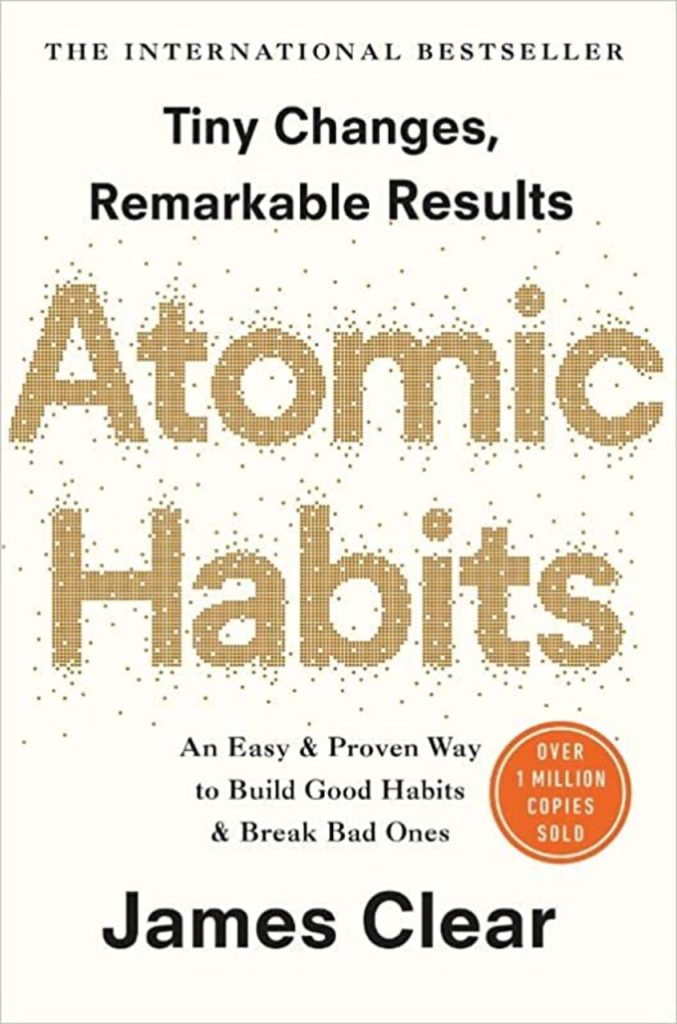
You see how small, consistent actions compound into meaningful change over time. Drawing from behavioral science and practical examples, the book explains how environmental design, identity shifts, and feedback loops support sustainable improvement without relying on bursts of motivation.
As you experiment with tiny adjustments, you start noticing how systems shape outcomes more than intentions alone. The guidance connects research with everyday application, helping you build routines that align with long-term goals while staying realistic about setbacks. You gain confidence in making steady progress without chasing quick fixes.
10. The Selfish Gene by Richard Dawkins

You rethink evolution by focusing on genes as units of selection, an idea that reshaped public understanding of natural selection. Drawing on evolutionary biology research, the book explains how cooperation and competition emerge through genetic strategies across species.
As you follow the arguments, you begin to see behavior through the lens of survival and reproduction rather than simple intention. The work remains influential in biology and science communication, encouraging you to question assumptions about altruism and conflict. You start questioning simple explanations for complex behaviors. You notice how evolutionary tradeoffs appear in everyday decisions.
11. The Immortal Life of Henrietta Lacks by Rebecca Skloot

You uncover the story behind HeLa cells, which transformed medical research while raising questions about consent and equity. Combining investigative reporting with family history, the narrative shows how scientific breakthroughs intersect with real lives and ethical responsibility.
As you read, you reflect on the balance between progress and respect for individuals. The book draws on interviews, medical records, and historical context, helping you understand how one woman’s cells contributed to vaccines, cancer research, and modern biotechnology. You come away more aware of the human stories behind scientific progress.