


Movies don’t just entertain us; they often imagine what tomorrow might look like. While most sci-fi films are built on speculation and fantasy, some end up feeling uncannily accurate years later. From artificial intelligence and biometric surveillance to social media obsession and global pandemics, certain films quietly anticipated real-world shifts long before they became headlines. What once seemed exaggerated or futuristic now feels woven into everyday life. These movies didn’t claim to predict the future, yet their stories captured technological trends, political tensions, and human behaviors that were already beginning to form.
1. The Truman Show (1998)
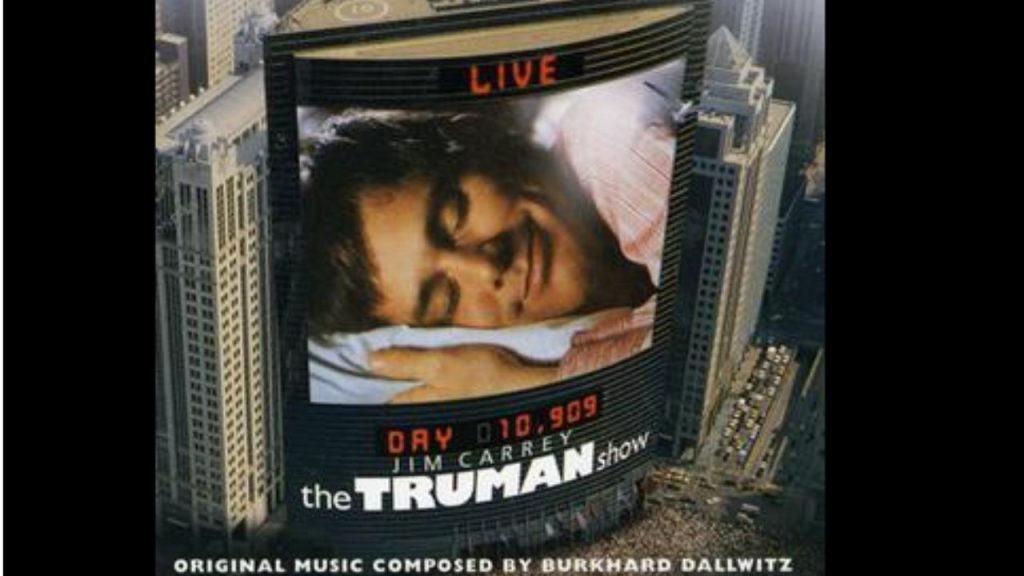
Years before social media, livestreaming, and influencer culture reshaped daily life, The Truman Show imagined a man whose entire existence was secretly broadcast to the world. Truman Burbank lives inside a carefully constructed reality show, unaware that hidden cameras document his every move. What felt like clever satire in 1998 now mirrors a world where privacy is constantly traded for visibility. From reality television to 24/7 content creation and parasocial fandoms, the film eerily anticipated how entertainment and surveillance would merge and how willingly audiences would watch, comment, and participate.
2. Minority Report (2002)

Set in a high-tech future, Minority Report showcased technologies that once seemed far-fetched: gesture-controlled screens, retina scans, and advertisements that call out to individuals by name. Today, motion-sensing interfaces, biometric security, and algorithm-driven marketing are part of everyday reality. The film also explored predictive policing, raising ethical questions that still fuel debate. By blending sleek innovation with moral unease, it quietly forecast a world shaped by data collection and surveillance, where technology doesn’t just respond to human behavior, it anticipates it.
3. Her (2013)

When Her premiered, its story of a lonely writer forming a deep emotional bond with an AI assistant felt intimate yet distant. Theodore’s relationship with a voice-only operating system seemed like poetic science fiction. Today, however, conversational AI, voice assistants, and emotionally responsive chatbots are woven into everyday routines. The film captured more than technological advancement; it foresaw emotional reliance on digital companions. As artificial intelligence becomes more personalized and adaptive, Her feels less speculative and more reflective of a world where human connection increasingly overlaps with code.
4. Contagion (2011)

Upon release, Contagion was praised for its realism but still felt like a tense hypothetical scenario. The film traced the rapid spread of a deadly virus, overwhelmed hospitals, government lockdowns, and a race to develop a vaccine. Years later, its procedural detail proved unsettlingly accurate. From social distancing and mask mandates to misinformation spreading online, the movie mirrored real-world pandemic responses with chilling precision. Rather than exaggerating disaster, Contagion quietly demonstrated how fragile global systems can be when confronted with invisible threats and public fear.
5. The Social Network (2010)
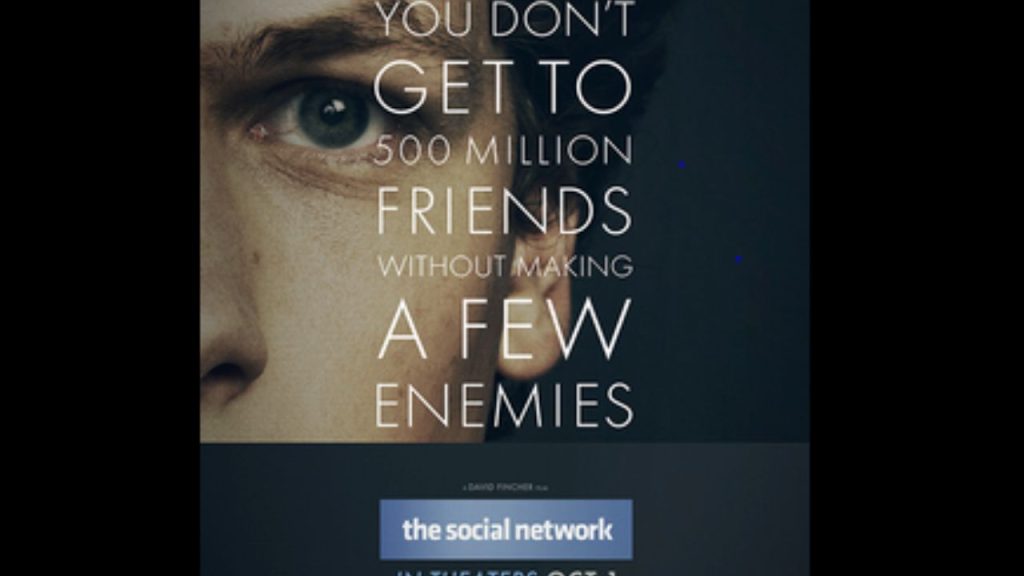
At first glance, The Social Network seemed like a fast-paced drama about ambition, betrayal, and the rise of a tech startup. But beneath the legal battles and dorm-room coding sessions, the film hinted at something much larger: the reshaping of human interaction. It captured the early days of a platform that would redefine communication, influence elections, and monetize personal data. The story quietly suggested that connection could coexist with isolation, and that digital validation might become a new social currency in a rapidly evolving online world, reshaping politics, business, and personal identity alike.
6. Wall-E (2008)
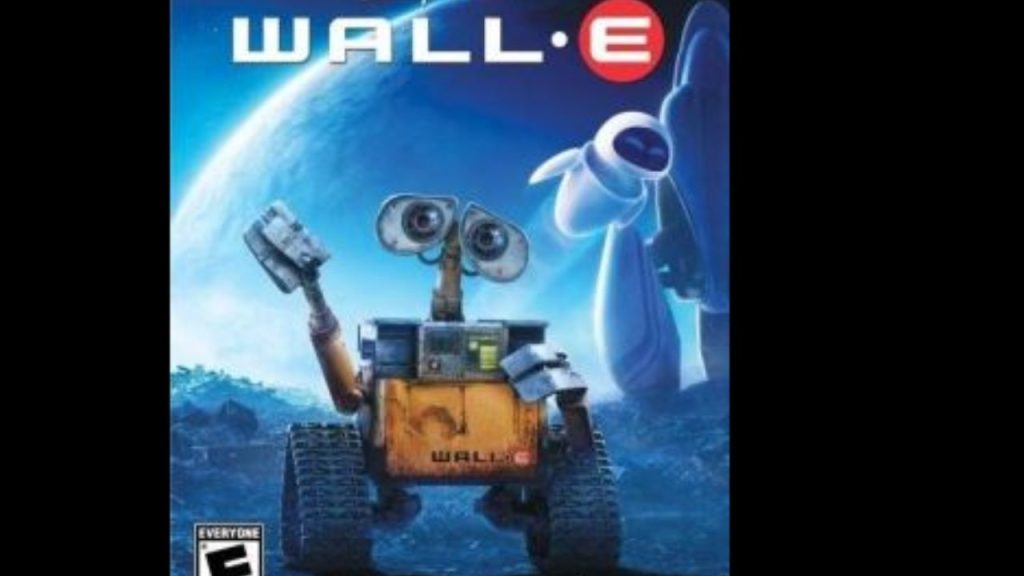
On the surface, Wall-E appeared to be a charming animated adventure about a lonely robot cleaning up a deserted Earth. Yet its backdrop painted a stark vision of environmental collapse driven by overconsumption and corporate excess. Humans, living aboard a massive spaceship, drift through life glued to floating screens, detached from physical reality and meaningful connection. What once felt exaggerated now resonates deeply in an age of climate anxiety, screen addiction, and powerful mega-brands. The film gently warned of convenience replacing responsibility and of progress leaving humanity behind at a troubling cost.
7. Black Mirror: Nosedive (2016)
Though technically a television episode, Black Mirror: Nosedive presented one of the sharpest forecasts of digital culture. It imagined a pastel-colored society where every interaction is rated, and a person’s social score determines housing, employment, and status. What seemed exaggerated at the time now feels uncomfortably familiar in a world dominated by likes, followers, and algorithm-driven visibility. The episode captured how curated identities and constant evaluation can distort authenticity. By turning reputation into currency, it quietly warned how social validation, amplified by technology, could reshape both opportunity and self-worth.
8. Blade Runner (1982)

Set in a rain-soaked Los Angeles of 2019, Blade Runner envisioned towering corporations, artificial humans, relentless advertising, and environmental decay. While flying cars remain rare, their depiction of a tech-saturated, overcrowded city feels strikingly relevant. The film explored blurred lines between humans and machines, anticipating modern debates around artificial intelligence and digital identity. Massive video billboards dominating the skyline echo today’s hyper-commercialized urban spaces. Rather than predicting gadgets alone, Blade Runner predicts a future defined by corporate power, climate anxiety, and the uneasy coexistence of humanity and technology.
9. The Matrix (1999)
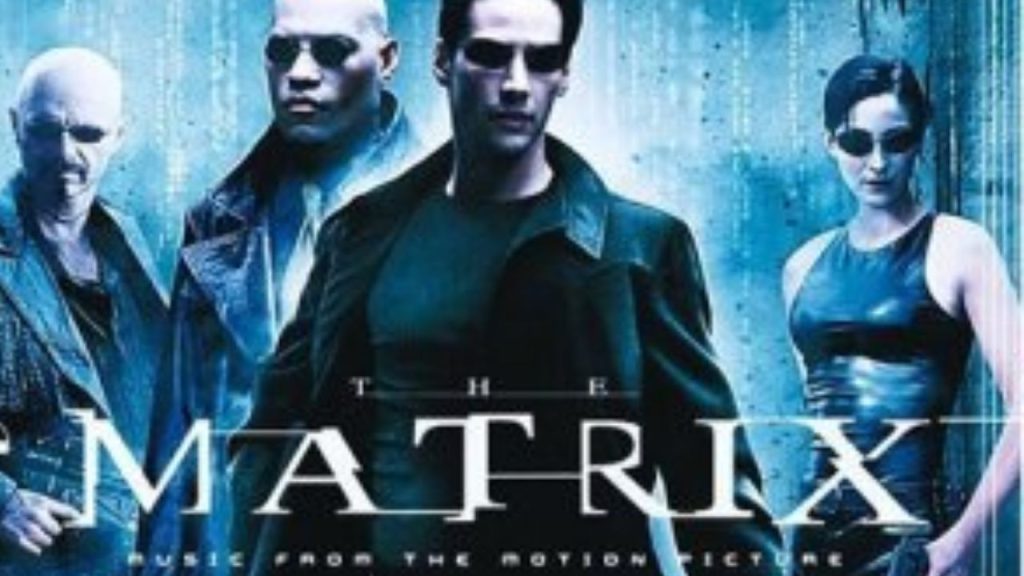
When The Matrix debuted, its vision of humanity unknowingly trapped inside a simulated reality controlled by machines felt like bold philosophical science fiction. Over time, its ideas have grown increasingly relevant. The film anticipated immersive virtual reality, algorithm-driven perception, and the blurring boundary between what is real and what is digitally constructed. Concepts like the “red pill” entered cultural vocabulary, symbolizing awakening from manipulation. In an era of deepfakes, echo chambers, and curated online identities, The Matrix resonates as a cautionary tale about technology shaping belief and reality itself.
10. 2001: A Space Odyssey (1968)
Decades before tablets and video calls became everyday tools, 2001: A Space Odyssey quietly showcased astronauts using flat-screen devices and communicating through live video links. Its portrayal of HAL 9000, a calm yet controlling artificial intelligence, anticipated modern concerns about machine autonomy and human dependence on smart systems. The film wasn’t simply about space exploration; it examined humanity’s evolving relationship with intelligent technology. By presenting AI as both helpful and potentially dangerous, it foresaw ongoing debates about trust, control, and the ethical limits of innovation.
11. Children of Men (2006)
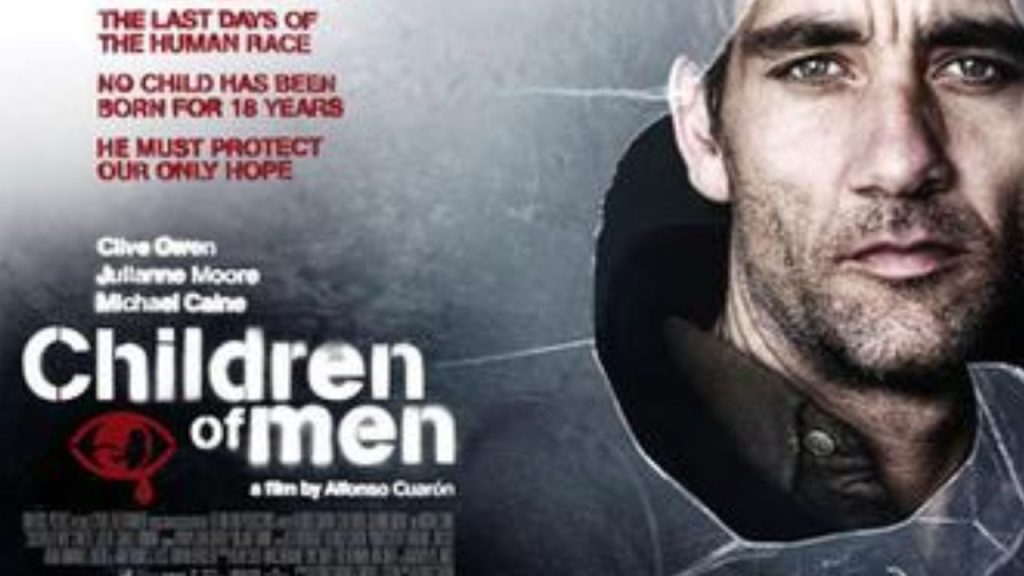
In Children of Men, society collapses after humanity loses the ability to reproduce, plunging the world into despair and authoritarian control. Though the central premise is fictional, the film’s atmosphere feels disturbingly plausible. It portrays refugee crises, rising nationalism, militarized borders, and widespread distrust in institutions. Urban unrest and political extremism unfold against a backdrop of environmental decline and social fragmentation. Rather than focusing solely on infertility, the story examines how fear can erode compassion and democracy. Its bleak realism quietly anticipated a world grappling with instability, displacement, and deepening global division.