
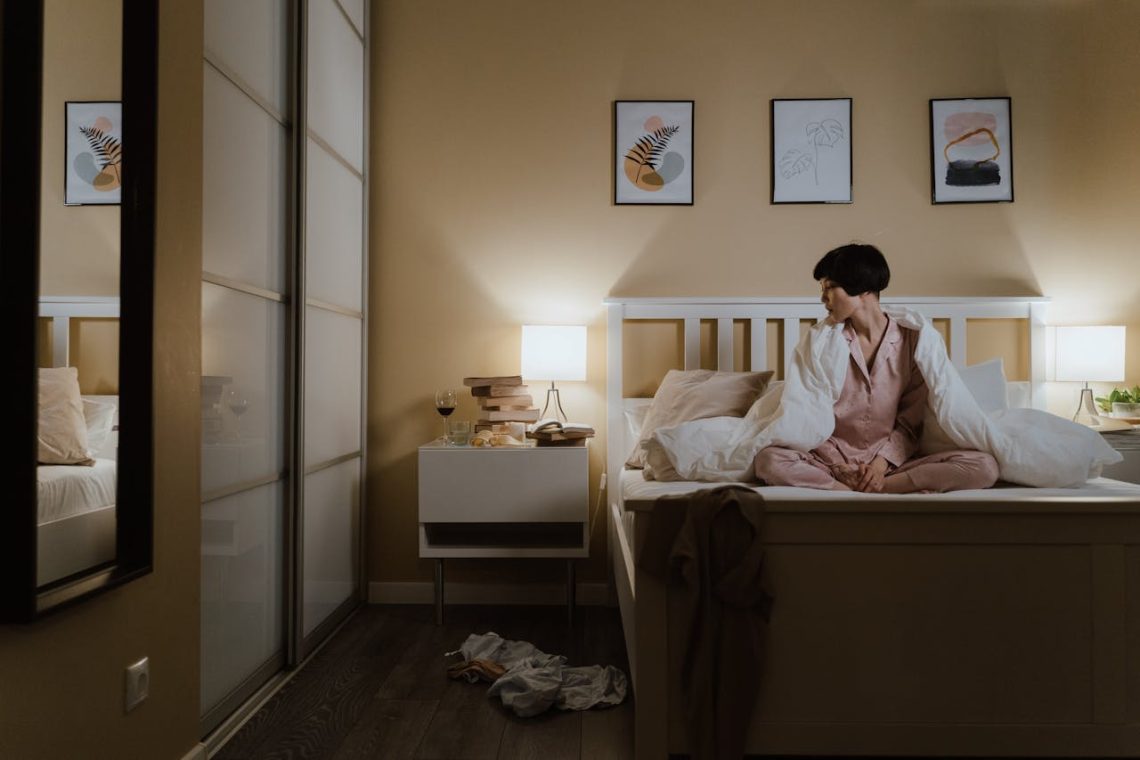
You probably blame stress when you wake up tired, but your daily habits often do more damage than you realize. Sleep is not just about how long you stay in bed. It depends on light, timing, food, and even how you wind down at night. Small choices during the day shape how deeply you rest after dark.
When you understand what disrupts your rhythm, you can fix it without overhauling your life. Here are seven common habits that quietly sabotage your sleep and what you can do instead. The good news is that most of these patterns are easy to adjust once you notice them. A few steady changes can reset your rhythm and help you wake up clear-headed.
1. Scrolling on Your Phone Before Bed
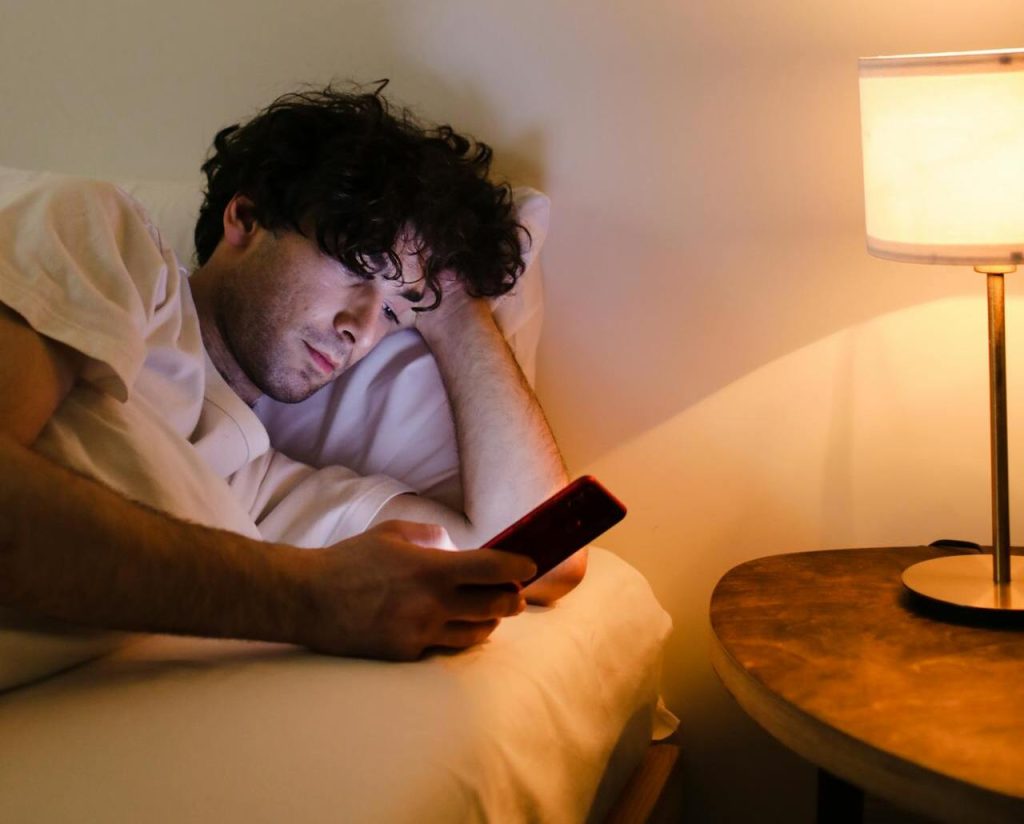
When you scroll through your phone at night, you expose your eyes to blue light that suppresses melatonin, the hormone that helps you fall asleep. Research from Harvard Medical School shows that blue light can shift your circadian rhythm and delay sleep onset. Even a short burst of screen time can make your brain think it is still daytime.
You also stimulate your mind with news, messages, and videos. That mental activity keeps your nervous system alert when it should be slowing down. If you want better sleep, stop screens at least thirty minutes before bed and switch to dim lighting. Try placing your phone out of reach so you are not tempted to check it again. Replace scrolling with a simple routine like reading a few pages of a book.
2. Drinking Coffee Too Late in the Day

You may feel fine after an afternoon coffee, but caffeine lingers in your system longer than you expect. According to the Sleep Foundation, caffeine has a half-life of about five to seven hours. That means half of what you drink at 3 p.m. can still affect you at night.
Caffeine blocks adenosine, the chemical that builds sleep pressure throughout the day. When you block it, you delay the natural signal to feel tired. Try limiting caffeine to the morning hours and pay attention to how your body responds. Remember that caffeine hides in tea, chocolate, and some pain relievers, too. Cutting back gradually can prevent withdrawal headaches and make the shift easier.
3. Keeping an Irregular Sleep Schedule
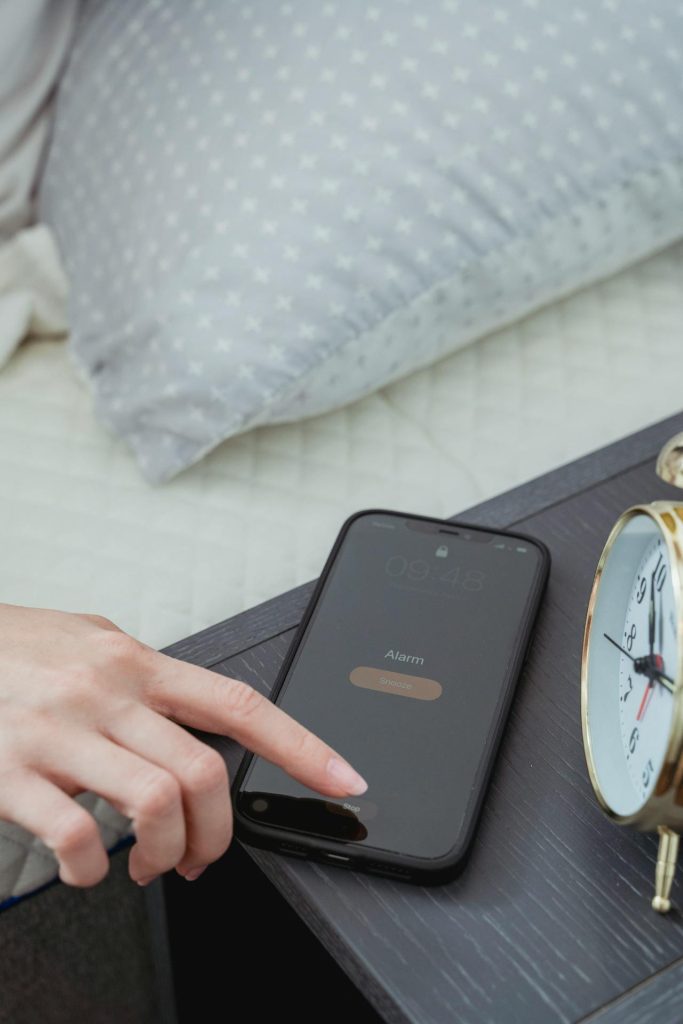
If you go to bed at midnight on weekdays and 2 a.m. on weekends, you create social jet lag. The American Academy of Sleep Medicine explains that inconsistent sleep times disrupt your internal clock and reduce sleep quality. Your body thrives on routine.
When you shift your schedule, your brain struggles to predict when to release melatonin. That can leave you lying awake even when you feel exhausted. Aim to keep your bedtime and wake time within the same hour every day, including weekends. Even a ninety-minute swing can throw off your rhythm more than you expect. Start by adjusting in small increments so your body can adapt without feeling forced.
4. Eating Heavy Meals Right Before Bed

Late-night heavy meals can trigger heartburn and digestive discomfort that interfere with sleep. The Mayo Clinic notes that lying down soon after eating increases the risk of acid reflux. Your body needs time to digest properly.
Large meals also raise your body temperature and metabolic activity, which can make it harder to fall asleep. If you are hungry at night, choose a light snack and finish eating at least two to three hours before bedtime. Spicy and high-fat foods are especially likely to cause discomfort. Keeping dinners lighter can help you fall asleep faster and stay asleep longer. You will likely notice fewer middle-of-the-night wakeups once digestion is not competing with rest.
5. Skipping Daytime Sunlight

You might not connect sunlight with sleep, but morning light anchors your circadian rhythm. The National Institutes of Health highlights that natural light exposure early in the day helps regulate melatonin production later at night. Without it, your internal clock drifts.
When you stay all day, your body receives weaker time cues. That confusion can delay sleep and reduce alertness in the morning. Step outside within an hour of waking, even for ten minutes, and notice how your sleep shifts. Open your curtains as soon as you get up to boost that signal. Consistent morning light can help you feel sleepy at the right time each night.
6. Exercising Too Close to Bedtime

Regular exercise improves sleep quality, but timing matters. Vigorous workouts increase heart rate, body temperature, and adrenaline. The Sleep Foundation reports that late-night high-intensity exercise can delay sleep in some people.
If you finish a tough workout right before bed, your body may stay in an activated state. You might feel wired rather than relaxed. Try scheduling intense exercise earlier in the day and reserve evenings for gentle stretching or walking. Pay attention to how your body responds to different workout times. If evenings are your only option, allow at least one to two hours to cool down. A warm shower and quiet routine can help signal that it is time to rest.
7. Using Alcohol as a Sleep Aid

You may feel sleepy after a drink, but alcohol disrupts sleep cycles. The National Institute on Alcohol Abuse and Alcoholism explains that alcohol reduces REM sleep and leads to fragmented rest later in the night. You might fall asleep quickly but wake up often.
Alcohol also relaxes throat muscles, which can worsen snoring and sleep apnea. Instead of using a drink to unwind, build a calming routine with dim lights, reading, or slow breathing. Your sleep will become deeper and more restorative. Even small amounts can affect sleep quality more than you expect. Try skipping alcohol for a week and notice how you feel in the morning. Clearer thinking and steadier energy are often the first changes you see.
8. Napping Too Long During the Day

A short nap can refresh you, but long or late naps can steal sleep from the night. The Sleep Foundation notes that naps longer than thirty minutes may lead to sleep inertia and make it harder to fall asleep later. When you nap for hours, you reduce the sleep pressure that builds naturally throughout the day.
If you struggle with nighttime sleep, keep naps brief and take them earlier in the afternoon. Set an alarm and give yourself time to wake fully. You will protect your nighttime rest while still getting a small boost of energy. If you feel the urge to nap daily, look at your nighttime routine first. Strengthening your main sleep window often reduces the need for daytime dozing.
9. Keeping Your Bedroom Too Warm

Temperature plays a quiet but powerful role in sleep. The National Sleep Foundation suggests that a cooler room, around 60 to 67 degrees Fahrenheit, supports better rest. Your body temperature naturally drops at night to signal sleep. A warm room can interfere with that process.
If you often wake up sweaty or restless, adjust your thermostat or use lighter bedding. Even small changes can help your body cool down properly. When your environment supports your biology, you fall asleep faster and stay asleep longer. Breathable sheets and proper airflow can make a noticeable difference. You can also take a warm shower before bed to trigger a natural cooling effect afterward. That drop in temperature signals your brain that it is time to rest.
10. Ignoring Stress Until Bedtime

You might push stress aside all day, only to face it when your head hits the pillow. At night, distractions fade, and worries grow louder. The American Psychological Association links chronic stress to shorter and poorer quality sleep. When your mind races, your body stays tense.
Instead of waiting until bedtime, build a wind-down ritual that starts earlier. Write down tomorrow’s tasks or practice slow breathing before you get into bed. You train your brain to separate problem-solving from sleeping, which makes rest come more naturally. Even ten minutes of quiet reflection can lower mental tension. Consistency teaches your body that night is for rest, not replaying the day.
11. Sleeping In on Weekends
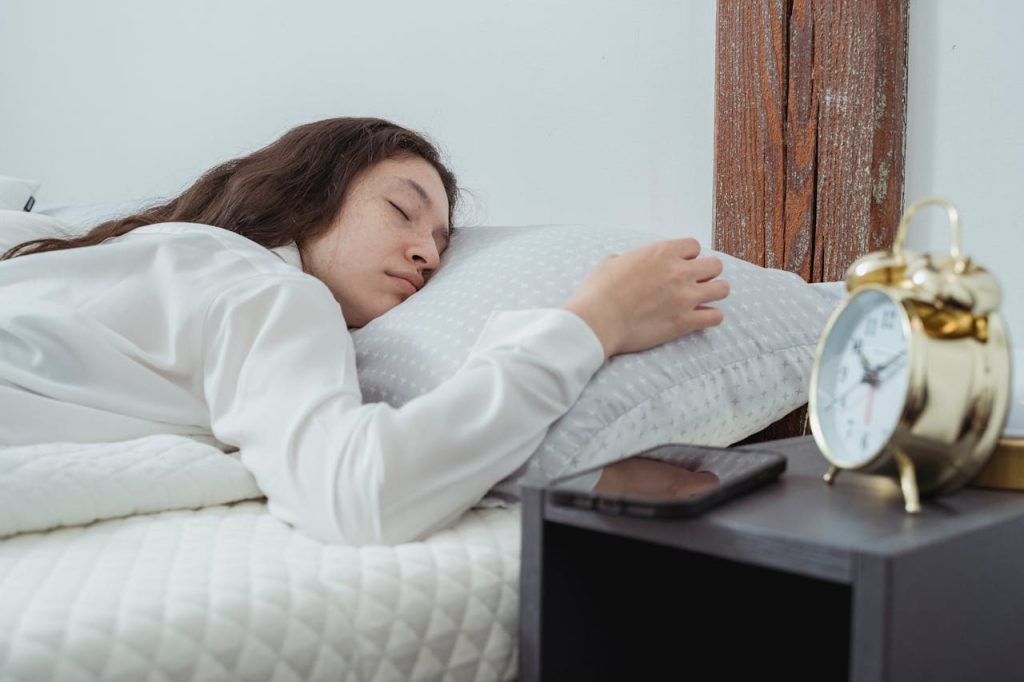
Catching up on sleep feels productive, but oversleeping on weekends can disrupt your rhythm. The American Academy of Sleep Medicine warns that large shifts in wake time can mimic jet lag. When you wake much later than usual, your body clock shifts with it.
Try to limit weekend sleep ins to one extra hour at most. If you feel chronically tired, focus on going to bed earlier instead of sleeping late. Consistency strengthens your sleep cycle and helps you wake up feeling steady rather than groggy.Excerpt
Small daily habits like late caffeine, screen time, and irregular sleep schedules quietly damage your rest more than you think.