
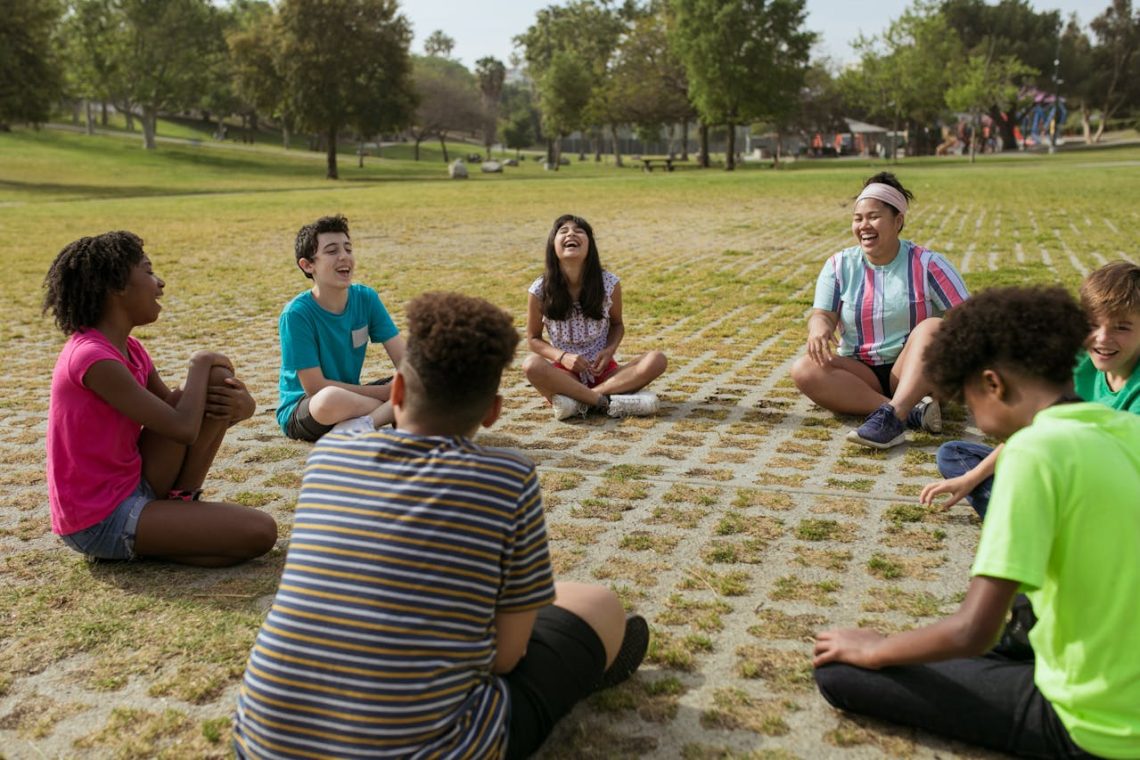
Helping your child form healthy friendships gives them the tools to handle emotions and social situations confidently. You can guide them with small actions that show how to listen, share, and respect others.
Scheduling playdates, encouraging teamwork, and modeling kindness give them a framework to connect meaningfully. Understanding what makes friendships healthy equips your child to face social challenges with empathy, patience, and confidence that lasts into later life. These early experiences shape how they manage relationships as they grow. They also learn to recognize positive influences and support friends in meaningful ways.
1. Teach Empathy Early
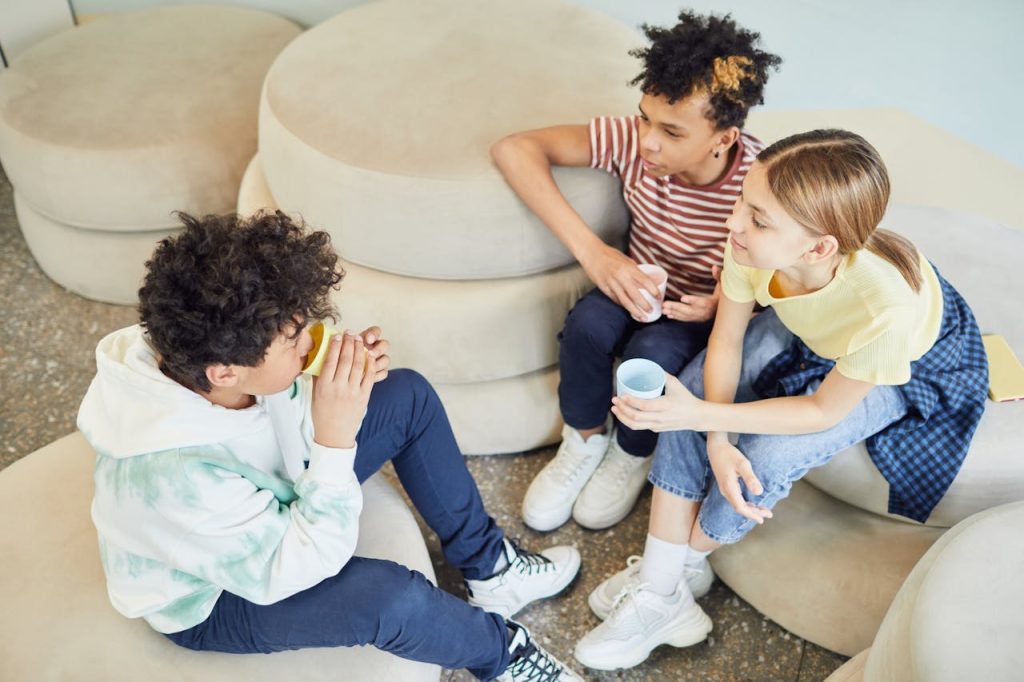
You can help your child notice how others feel by asking simple questions and discussing emotions in stories. Role-playing situations also teach caring responses. You might point out how someone looks when happy or upset, helping your child name emotions. Sharing personal feelings models openness. Reading books about friendship gives examples of empathy in action.
When children understand feelings, they act thoughtfully, resolve conflicts better, and strengthen bonds. Encourage them to check in with friends and offer support. Early empathy lessons create a strong foundation for lasting, meaningful friendships. Praising kind actions reinforces the behavior.
2. Model Positive Communication

Children learn how to talk to others by watching your behavior. Speak respectfully, listen actively, and handle disagreements calmly. Point out how tone, body language, and word choice affect conversations. Encourage them to express their thoughts clearly. Sharing feelings openly models honesty and trust.
Show how to apologize and solve conflicts. When your child sees these skills in action, they learn to communicate clearly and respectfully. Positive communication builds confidence and helps relationships thrive. Praising effective communication reinforces these habits and motivates them to keep practicing.
3. Encourage Shared Activities
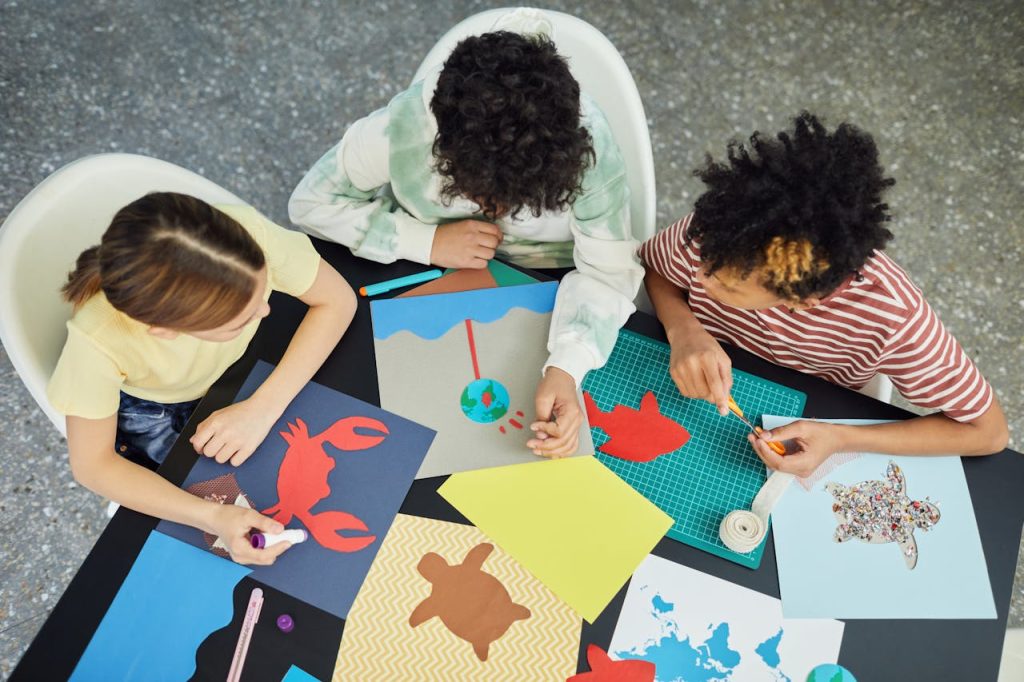
Shared activities teach cooperation and help kids bond. Sports, art projects, or group games give chances to work together and explore common interests. Encourage your child to try new activities with friends. Playing in teams helps them understand fairness and patience. Creative projects teach collaboration and problem-solving.
Organize playdates or group activities that balance structure and fun. The more children collaborate, the more they develop social skills and navigate friendships with ease. Praising teamwork and effort reinforces positive interactions. These shared experiences create memories that strengthen connections naturally.
4. Support Conflict Resolution

Disagreements happen, but teaching kids to resolve them respectfully is key. Encourage listening, expressing feelings calmly, and finding solutions together. Show how taking turns speaking helps others feel heard. Discuss possible solutions and choices calmly. Practicing patience during conflicts reinforces understanding and fairness.
Guide rather than taking over conflicts. Learning to compromise and negotiate strengthens trust and prepares children for future social challenges. Praising a successful resolution encourages confidence. Children who handle disagreements constructively build stronger, more resilient friendships over time.
5. Foster Inclusivity
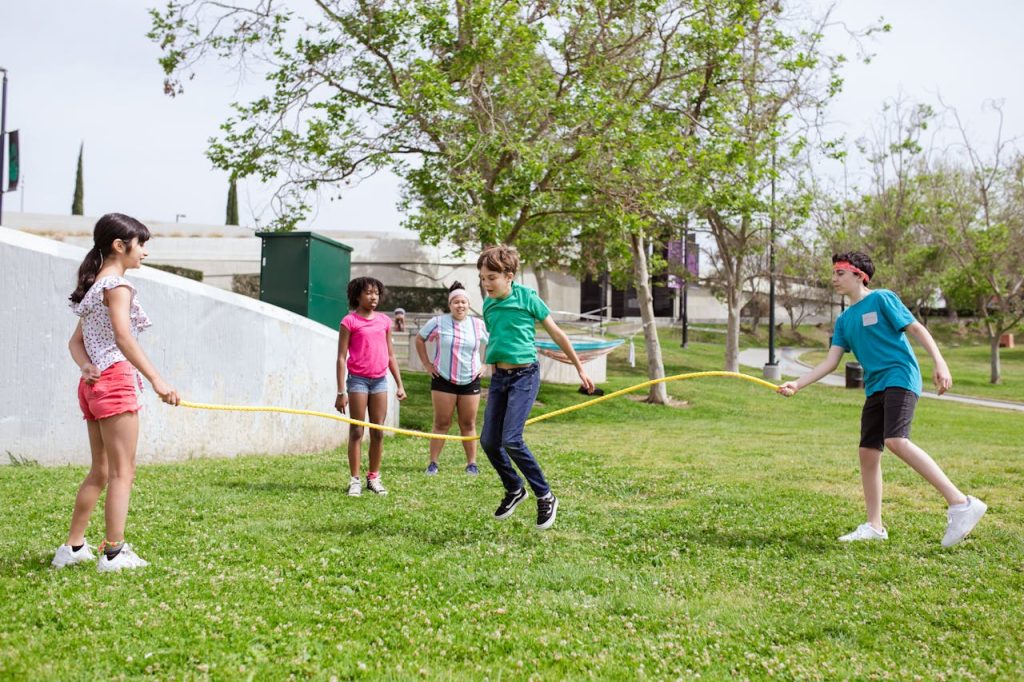
Encourage your child to include peers who may be shy, new, or different. Talk about the value of welcoming everyone and appreciating diversity. Explain how small gestures, like inviting someone to join a game, make others feel valued. Share examples from stories or real life to show kindness in action. Highlight that friendships grow when everyone feels respected.
Role-play, inviting others to join activities. Inclusive behavior creates positive social circles and boosts confidence, helping your child form stronger, more supportive friendships. Praising inclusive actions reinforces this habit. Children who practice inclusion learn empathy and build lasting, meaningful connections.
6. Limit Screen Time During Social Time
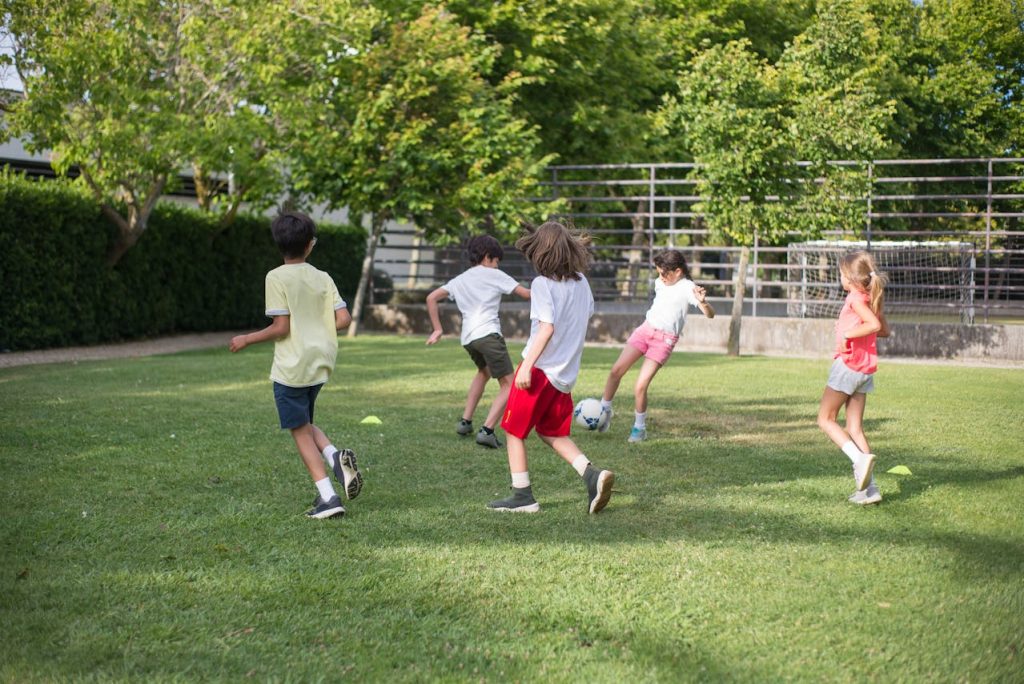
Screens can interfere with real interaction. When friends are over, encourage games, outdoor play, or conversations instead of devices. Explain why paying attention to others matters. Suggest fun activities that naturally engage everyone. Showing interest in friends’ ideas models focused social interaction.
Being present teaches children to notice emotions, body language, and social cues. Reducing screen time strengthens connections and develops social skills that last. Praise effort when they stay engaged without devices. Over time, children learn to enjoy interactions fully and form deeper, more meaningful friendships.
7. Praise Positive Social Behavior
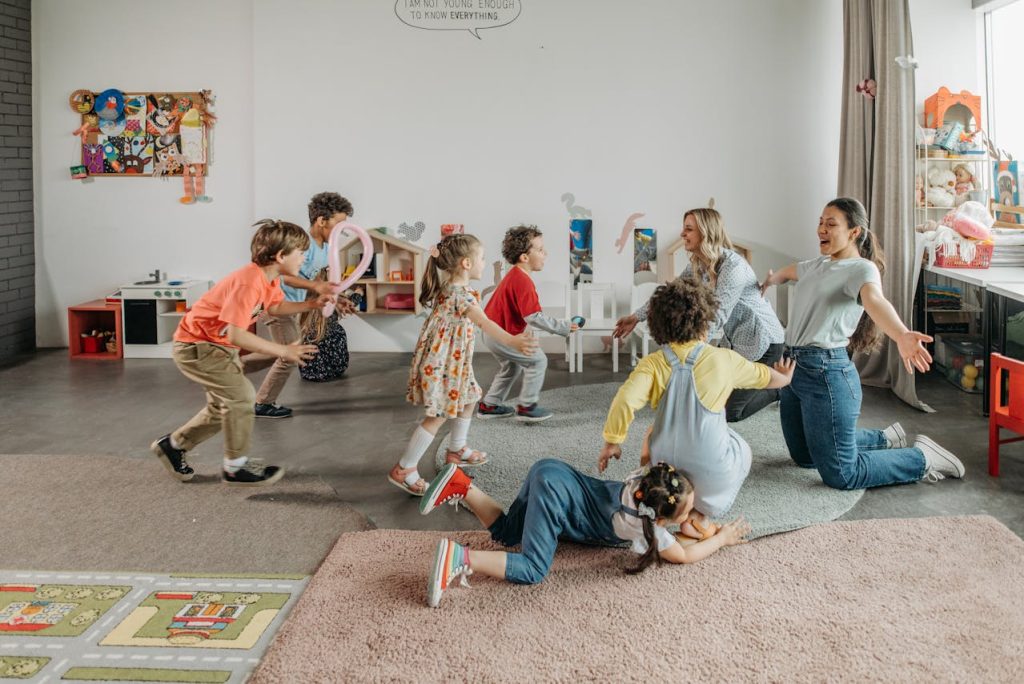
Notice when your child shares, helps, or resolves conflicts. Praise these actions to reinforce kindness and cooperation. Point out small gestures, like listening carefully or taking turns. Explain why these behaviors matter in friendships. Showing that you notice effort teaches them that actions have impact.
Highlight specific examples like including a classmate or helping a friend. Recognition encourages repetition and helps children internalize what makes friendships healthy. Celebrate moments when they show empathy or fairness. Consistent praise builds confidence and motivates ongoing positive social behavior.
8. Teach Boundaries and Respect
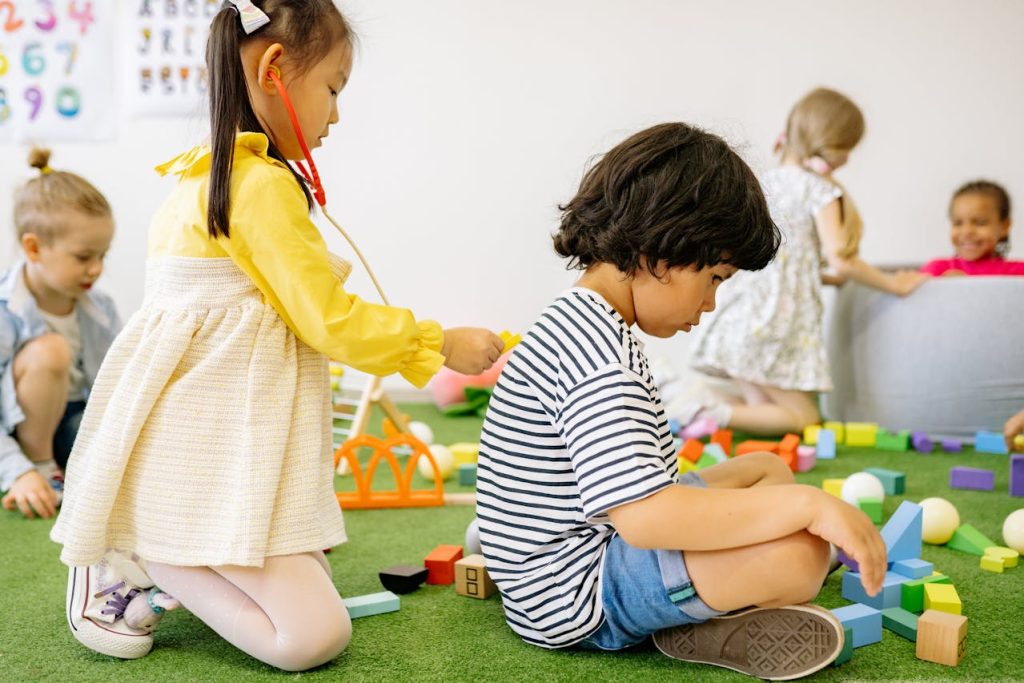
Help your child understand it’s okay to say no and to respect others’ limits. Discuss examples like sharing toys or personal space. Role-play situations where boundaries matter and practice polite refusal. Explain how recognizing feelings and limits shows respect. This helps children feel safe and confident in social settings.
Understanding boundaries improves communication and trust. Kids who respect limits build friendships based on care, consent, and mutual understanding. Praise them when they honor others’ space. Learning boundaries strengthens relationships and teaches empathy, setting the stage for healthy, lasting friendships.
9. Encourage Group and One-on-One Interaction
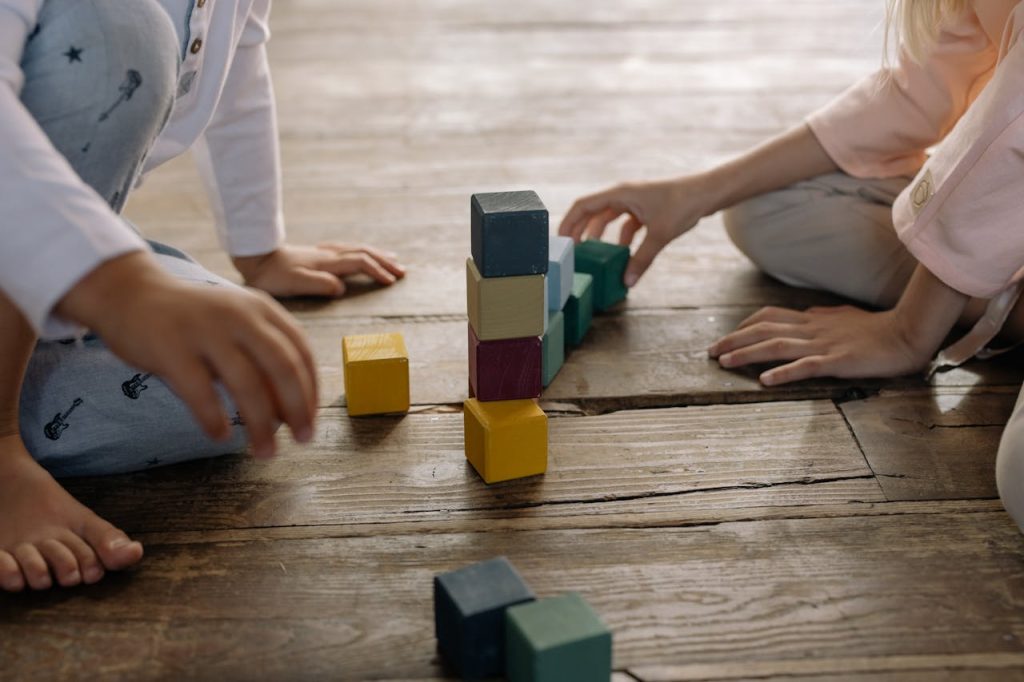
Both group play and one-on-one time are important. Large groups teach cooperation and leadership, while one-on-one interactions build trust and deeper bonds. Encourage your child to notice how friends act in different settings. Discuss how group games require teamwork while smaller interactions allow for closer connections. Experiencing both helps them understand social cues and dynamics.
Balance playdates and group activities so your child experiences different social dynamics. This helps them adapt to personalities and form meaningful relationships. Praise efforts to cooperate and share. Practicing in both settings strengthens social confidence and builds lasting friendships.
10. Be Patient and Available

Friendships take time to grow, and kids often need guidance. Be available to listen, offer advice when asked, and provide reassurance. Share your own experiences to show that challenges are normal. Encourage them to reflect on what makes a friendship strong. Being patient demonstrates the value of steady effort and care.
Your support teaches that relationships require effort, patience, and understanding. Being present helps children develop the skills and confidence to navigate friendships successfully. Praise progress and celebrate positive interactions. Consistent guidance helps your child form secure, lasting friendships that thrive over time.