

Small changes in the kitchen can completely transform how your meals taste. You don’t need expensive ingredients or complicated recipes. By paying attention to timing, seasoning, and simple techniques, you can bring out the natural flavors in anything you cook.
These tweaks are easy to apply and make your dishes more balanced, fresh, and flavorful. Once you start using them, you’ll notice your cooking feels more intentional, and your meals taste restaurant-quality without extra effort or fancy tools. Even small adjustments can make leftovers exciting again. You’ll find yourself reaching for these tricks every time you cook.
1. Salt at the Right Time

Adding salt early in cooking can help proteins release moisture and enhance flavor, while salting at the end boosts surface taste. You want to season progressively: a little at the start, adjust midway, and taste at the finish. This approach ensures your dish is evenly flavored, not just salty on the surface.
You’ll notice vegetables, meats, and even sauces taste deeper and more balanced when you layer seasoning instead of dumping salt all at once at the end. Using kosher or sea salt can make a noticeable difference, and tasting as you go helps avoid over-seasoning. Salt also helps other flavors shine, giving your cooking a natural, well-rounded depth.
2. Use Acid to Brighten Flavors

A squeeze of lemon, a splash of vinegar, or a touch of lime can awaken any dish. Acid balances richness, cuts heaviness, and lifts flavors you might not notice otherwise. You can add it at the end for brightness or during cooking to meld flavors. Even a rich stew or roasted vegetables feel fresher when you finish with acid.
It’s a subtle trick used by professional chefs to make simple meals taste more complex and lively, without overwhelming the natural ingredients you’re already using. Experimenting with different acids lets you find what complements each dish best. A little goes a long way, so add gradually and taste as you go.
3. Toast Spices and Nuts
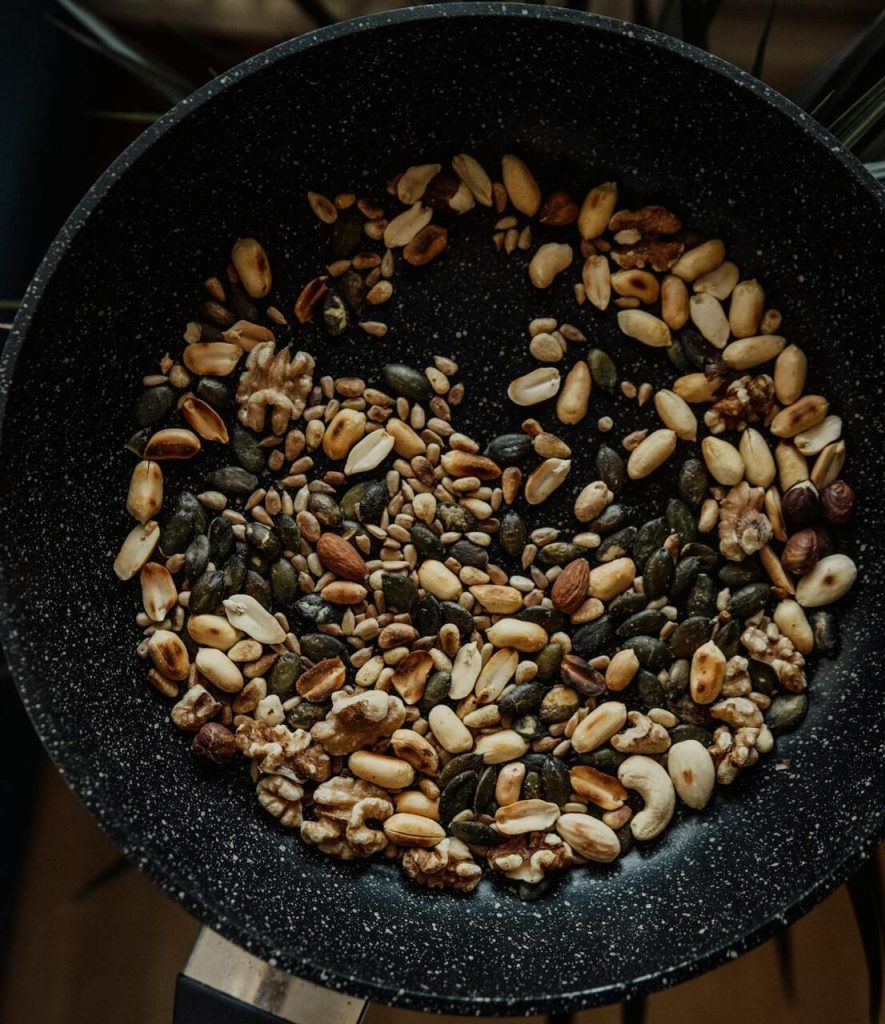
Heating spices or nuts briefly in a dry pan releases oils and intensifies their aroma. You don’t need long; 1–2 minutes is often enough. Toasting transforms a basic ingredient into something fragrant and flavorful, whether it’s cumin, sesame seeds, or almonds. Once toasted, sprinkle them on dishes or mix them into sauces.
You’ll notice your food has more depth, subtle crunch, and a richer scent. This tiny step adds sophistication without any extra seasoning or calories. Toasting also brings out subtle differences between spice varieties. Be careful not to burn them, as even a few seconds too long can turn the flavor bitter.
4. Layer Flavors with Aromatics
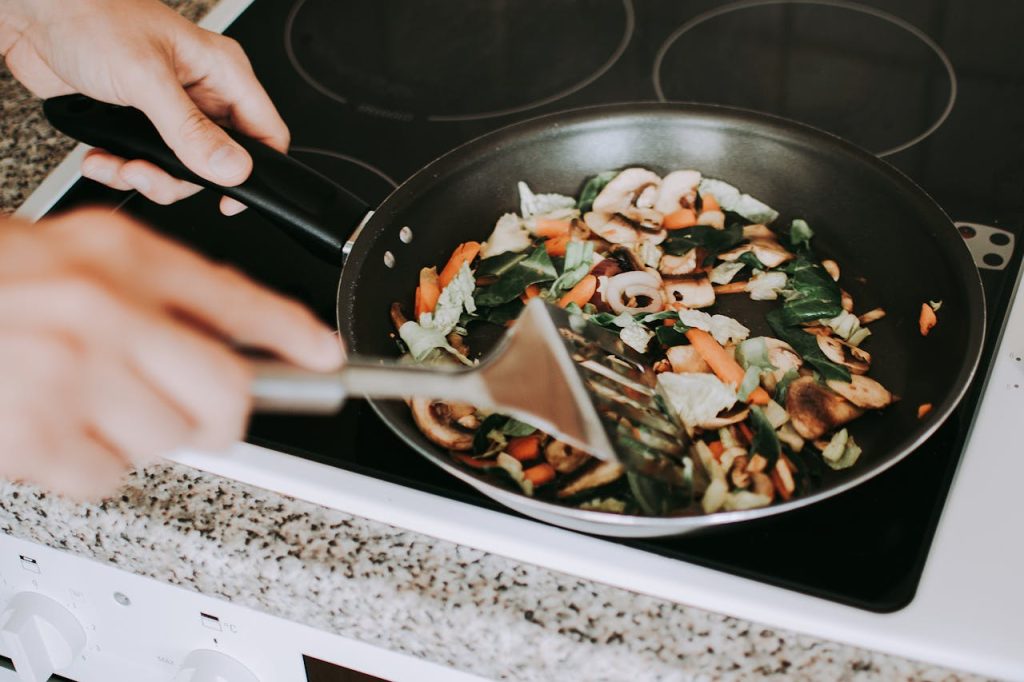
Onions, garlic, ginger, and herbs are foundational for flavor. Start your cooking by gently sautéing them to release sweetness and fragrance. Adding them at different stages, like fresh herbs at the end, creates depth and contrast. You’ll notice that a simple stir-fry, soup, or pasta sauce suddenly tastes more complex and satisfying.
This layering approach makes every bite interesting and ensures no single ingredient dominates, allowing the natural character of your main components to shine. Try lightly crushing garlic to release more aroma, and don’t forget to occasionally stir to prevent sticking. Fresh herbs added at the very end retain color and bright flavor.
5. Finish with Butter or Oil

A small pat of butter or a drizzle of high-quality oil at the end of cooking adds richness, gloss, and flavor. This technique works on vegetables, meats, and even grains. The fat coats flavors, softens acidity, and gives dishes a luxurious mouthfeel. You don’t need much; just enough to enhance texture and tie ingredients together.
You’ll notice your food tastes fuller, more cohesive, and more indulgent without being greasy. It’s a subtle upgrade that makes simple meals feel elevated. Try flavored oils like truffle or herb-infused for a quick taste boost. Even a touch of butter at the end of roasted vegetables transforms them completely.
6. Rest Meats Before Serving
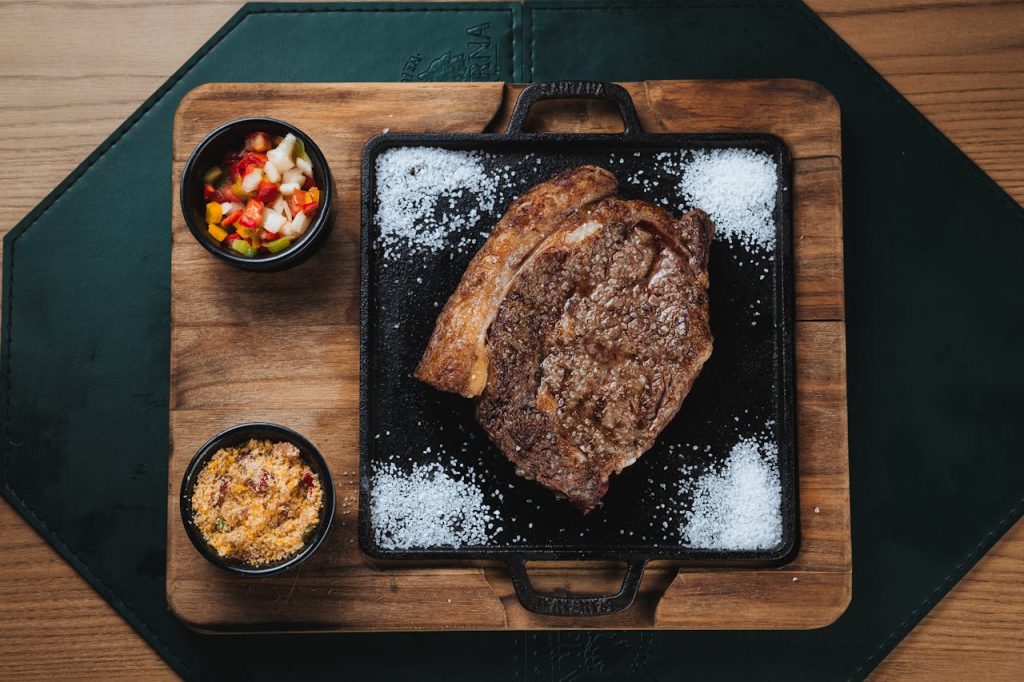
Cutting meat immediately after cooking lets juices escape, leaving it dry. Let it rest for a few minutes so fibers reabsorb moisture. This tiny step transforms texture, making steaks, chicken, or pork juicier and more tender. Resting also allows flavors to settle, so seasoning feels balanced in every bite.
Even if you’re in a hurry, pausing for five minutes improves both taste and mouthfeel, and your meat looks more appealing on the plate. It’s an easy trick with a big payoff. Tent your meat loosely with foil to keep it warm. Resting works for roasts and smaller cuts alike. You’ll notice even thin cuts taste juicier when you pause. Using a thermometer helps you rest meat at the perfect doneness.
7. Don’t Overcrowd the Pan
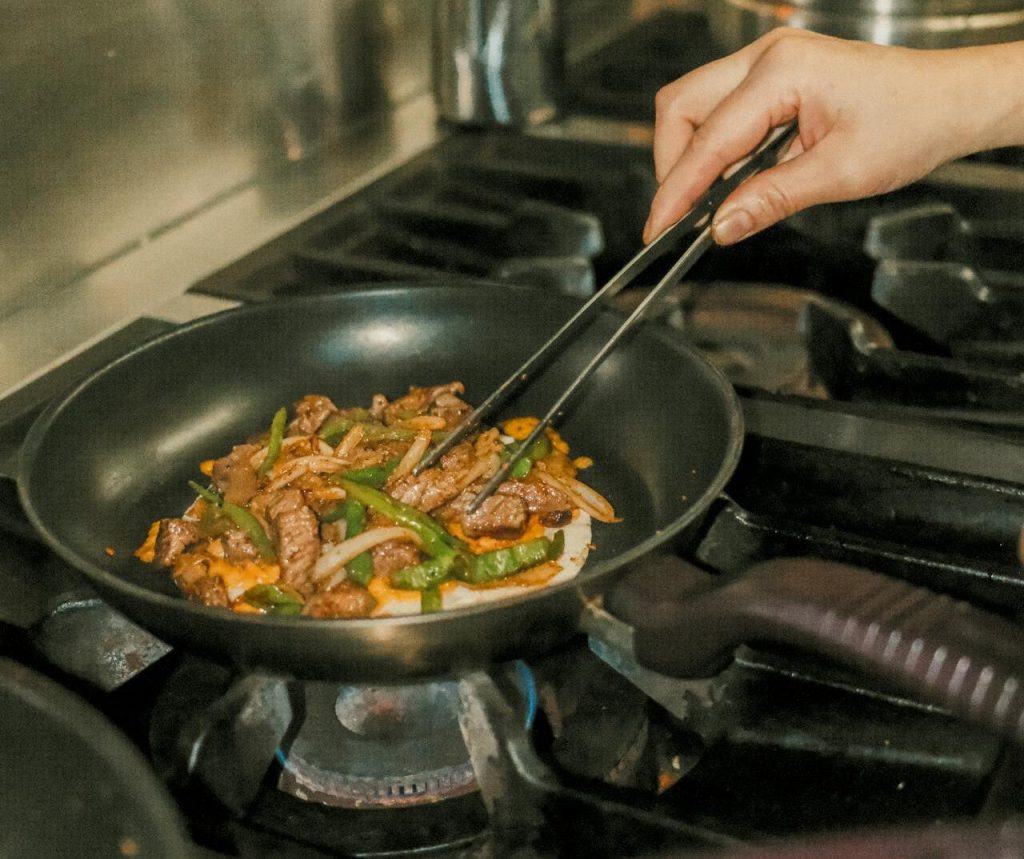
Crowding the pan traps steam and prevents browning. Give ingredients room to sear and caramelize for maximum flavor. Whether you’re roasting vegetables or pan-frying proteins, leaving space helps develop color, texture, and taste. If necessary, cook in batches instead of rushing everything at once.
You’ll notice better crusts, richer aromas, and more complex flavors when foods aren’t steaming in their own moisture. It’s a small adjustment that makes a huge difference in the final result. Using a larger pan or removing excess moisture before cooking helps even more. Let food rest briefly between batches to retain crispness.
8. Use Fresh Herbs Wisely
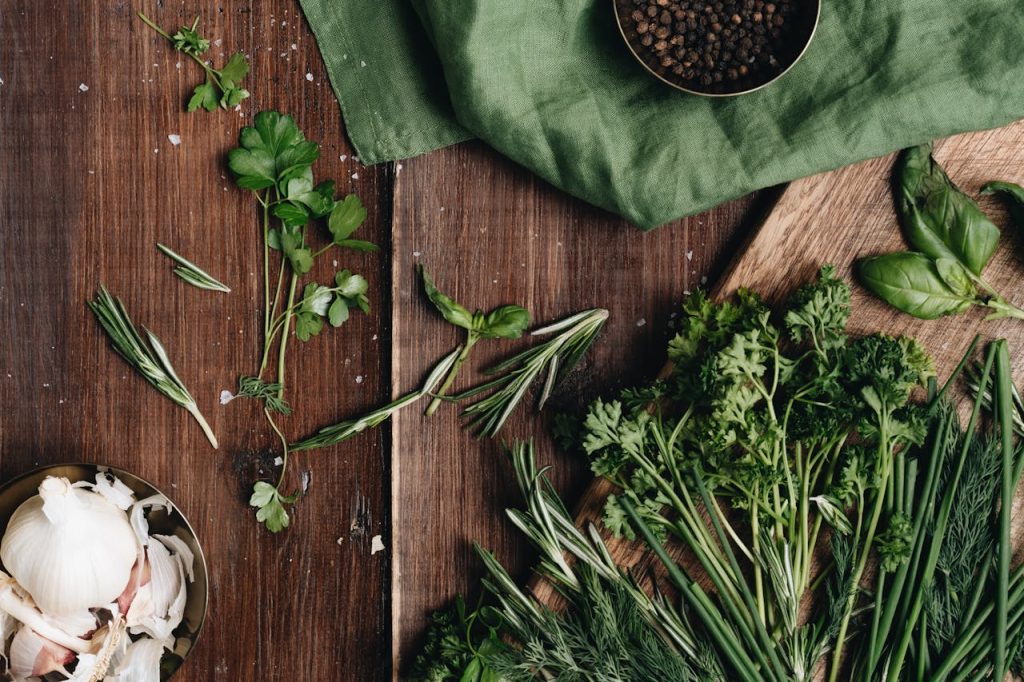
Fresh herbs can brighten a dish, but timing matters. Add hardy herbs like rosemary or thyme early to release flavor, and delicate herbs like basil or parsley at the end to maintain freshness. Chopping herbs just before adding them preserves aroma and taste. You’ll notice a simple soup, salad, or pasta suddenly feels fresher and more layered.
Even small amounts make a difference, giving your meals a professional touch without overcomplicating the cooking process. Try lightly bruising herbs like mint or cilantro to release more aroma. Pair herbs with complementary spices for richer flavor combinations.
9. Balance Sweetness and Bitterness
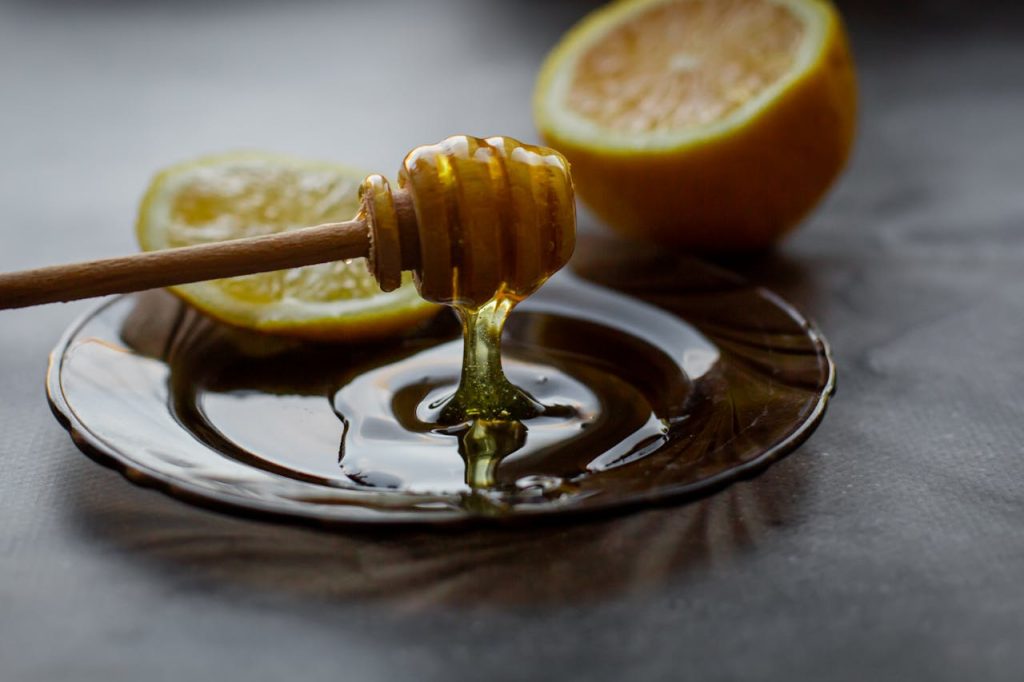
A pinch of sugar or a drizzle of honey can balance acidic or bitter flavors in sauces, dressings, and vegetables. Similarly, a squeeze of citrus or a dash of vinegar can counter sweetness. Balancing these elements creates harmony and prevents any one taste from overwhelming the dish. You’ll notice soups, sautés, or roasted vegetables taste more rounded, complex, and satisfying.
It’s a subtle tweak that lets natural flavors shine while keeping each bite enjoyable and well-composed. Taste as you go to find the perfect balance. Even a small adjustment can transform a bland dish. Combining flavors thoughtfully makes your cooking feel intentional.
10. Temperature Matters

Serving food at the right temperature affects taste and texture. Cold butter softens flavors, chilled liquids mute sweetness, and hot dishes release aromas more fully. Consider resting refrigerated dishes at room temperature before serving and letting soups or sauces simmer to deepen flavors. You’ll notice how heat unlocks aromas and balances seasoning.
Even a simple salad or dessert benefits when temperature is considered, giving every ingredient its full potential and making your meals feel thoughtfully prepared. Serving at the ideal temperature also improves mouthfeel and overall enjoyment. Pay attention to contrast, like warm breads with cold spreads, for extra impact.