Childhood in the 1960s operated under a level of freedom that feels almost unbelievable today. Parents trusted kids to explore, make mistakes, and learn from the world around them with very little oversight. Whether they were riding in cars without seatbelts, wandering miles from home, or playing with toys that would be banned today, children moved through life with a kind of independence modern families rarely experience. These once-normal activities highlight how dramatically parenting styles, safety standards, and cultural expectations have shifted over the decades. Looking back at what kids were allowed to do reveals a mix of nostalgia, shock, and a deeper understanding of how much society has changed.
1. Ride in Cars Without Seatbelts or Car Seats
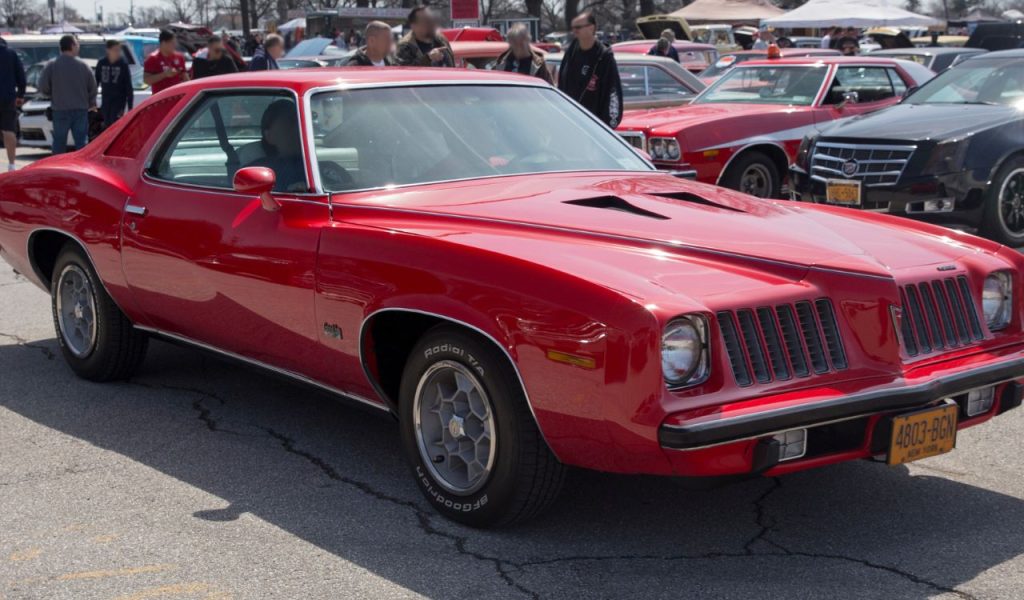
In the 1960s, car safety wasn’t something most families thought about. Kids piled into the back seat, slid around during turns, or kneeled up front to watch the road without anyone worrying. Seatbelts were optional and often tucked away, and car seats were almost nonexistent. Many children even rode in the beds of pickup trucks, treating it like an exciting adventure rather than a danger. Parents simply didn’t have the information we have today, so what now seems unthinkable was once a normal part of childhood. Those carefree car rides live on as vivid memories for many adults who grew up in that era.
2. Play Outside All Day with No Supervision

A typical summer day in the 1960s involved kids leaving the house shortly after breakfast and not returning until the streetlights flickered on. Parents didn’t ask where they were going or expect check-ins; they simply trusted kids to explore the neighborhood, run around fields, and invent games on the spot. Children built forts, climbed trees, and created adventures that lasted hours without a single adult in sight. This freedom shaped friendships and independence, offering a kind of unstructured playtime that is rare today. What modern parents might see as risky was once considered the heart of childhood.
3. Walk, Bike, or Hitchhike Long Distances Alone

Walking miles to school, biking across town, or heading to a friend’s house without an adult wasn’t unusual it was expected. Some older kids even hitchhiked short distances to get where they needed to go. Parents believed strongly in building independence and didn’t worry nearly as much about dangers that dominate today’s headlines. Children learned to navigate streets, follow directions, and interact with strangers more confidently. While modern safety concerns make this level of freedom nearly unthinkable, it was a normal part of growing up in the 1960s and a major confidence booster for kids at the time.
4. Play with Dangerous Toys and Equipment

Many of the toys that filled 1960s households would cause a safety recall today. Kids played with metal toys that had sharp edges, chemistry sets containing real chemicals, lawn darts heavy enough to injure someone, and homemade go-karts with questionable construction. Children often built contraptions themselves with tools, wood scraps, and little supervision. These activities came with real risks but also gave kids a chance to experiment, problem-solve, and explore hands-on creativity. The danger was seen as part of the fun, and the idea of “too risky” simply wasn’t a common concern for parents.
5. Handle Money and Run Errands for Parents

In the 1960s, kids were often sent on errands that today would require adult supervision. They walked to the corner store with a few coins, bought groceries, picked up milk, and in many cases purchased cigarettes for their parents without anyone batting an eye. Store clerks didn’t question children, and parents saw these small tasks as an important part of teaching responsibility. Kids learned how to count change, make decisions, and interact confidently with adults. What would be seen as inappropriate or unsafe now was once a trusted way for children to learn independence.
6. Play at Playgrounds or Swim Without Adults Nearby
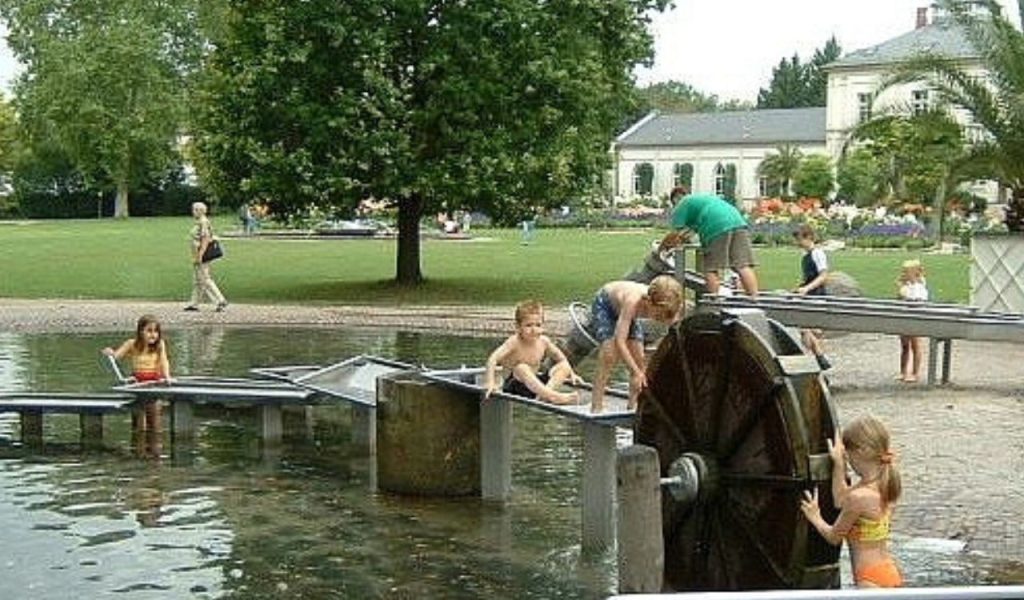
Playgrounds in the 1960s were built from metal, surrounded by concrete, and known for burns and bruises, but kids loved them. Parents rarely stayed to watch, believing children should manage their own safety. The same was true at pools, lakes, and beaches, where kids often swam with minimal or no adult supervision. Lifeguards, if present, were stretched thin, leaving much of the responsibility to the kids themselves. While modern playgrounds are designed with safety in mind, these older, riskier environments were considered normal and even character-building for children of that era.
7. Take Risks in the Sun and Outdoors

Sun safety was almost nonexistent in the 1960s. Kids spent long days outdoors trying to get the perfect tan, often using baby oil or homemade mixtures to intensify the sun’s effect. Drinking from garden hoses, exploring abandoned lots, and playing near construction sites were everyday activities. Environmental dangers like lead paint, asbestos, and chemical exposure were poorly understood, so parents didn’t stress about them. Children were free to explore without restrictions, and while risky by today’s standards, this outdoor lifestyle was a core part of 1960s childhood.
8. Watch TV and Movies With No Content Restrictions

Children in the 1960s watched whatever was on television, whether it was meant for kids or not. Violence, adult themes, and late-night movies were all fair game because parental controls didn’t exist. Many kids also went to movie theaters or drive-ins alone, choosing films without guidance. There were no rating systems, content warnings, or discussions about age-appropriate material. Entertainment was simply entertainment, and children were exposed to far more mature content than most parents would allow today. It was a different era, with very different expectations around media consumption.
9. Experience Physical Discipline at Home and School
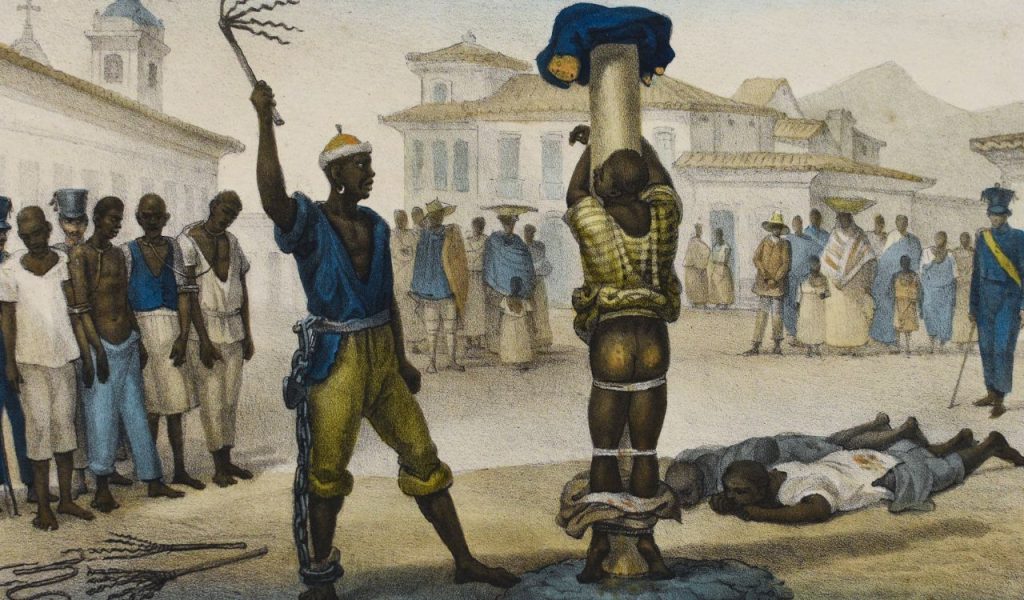
Corporal punishment was a widely accepted part of raising children in the 1960s. Teachers used paddles, rulers, or other implements, and few parents objected. At home, spanking was considered a normal method of discipline, believed to teach respect and obedience. Today, many regions have banned or restricted physical punishment, and modern parenting emphasizes emotional and positive discipline strategies. The shift reflects a major change in understanding child development and long-term effects. What was once routine now feels extreme or unacceptable to most families.
10. Manage Conflicts and Problems on Their Own
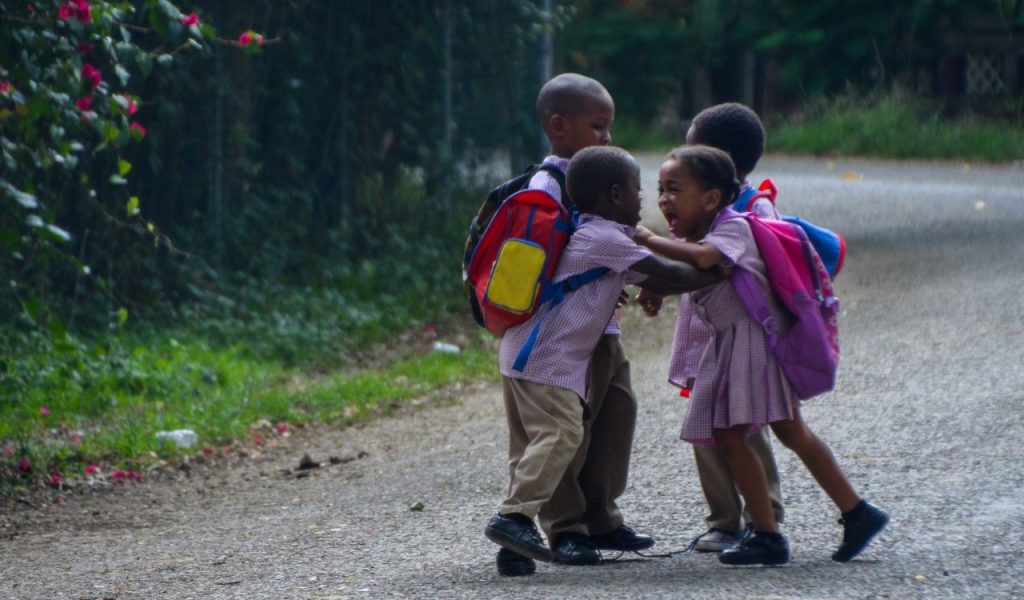
Kids in the 1960s were expected to work through arguments, disagreements, and social conflicts without adults stepping in. Whether it was a playground fight or a neighborhood dispute, parents rarely intervened unless things escalated. This approach forced children to negotiate, problem-solve, and build resilience on their own. While today’s parents are far more involved in mediating conflicts, earlier generations viewed independence as essential. This hands-off style shaped stronger self-reliance but would feel surprising or even irresponsible by modern standards.