You grew up in a world without smartphones, streaming, or constant notifications. You spent hours outdoors, memorized phone numbers, and relied on paper maps instead of GPS. Social interactions happened face-to-face, and entertainment required creativity and patience. Life moved at a slower pace, letting you explore, imagine, and solve problems on your own.
Gen Z has never experienced the same freedom, independence, or anticipation that shaped your childhood. The ways you learned, played, and connected were grounded in real-world experiences that screens can’t replicate. Those experiences taught lessons that still influence how you navigate life today.
1. Riding Your Bike Without a Helmet
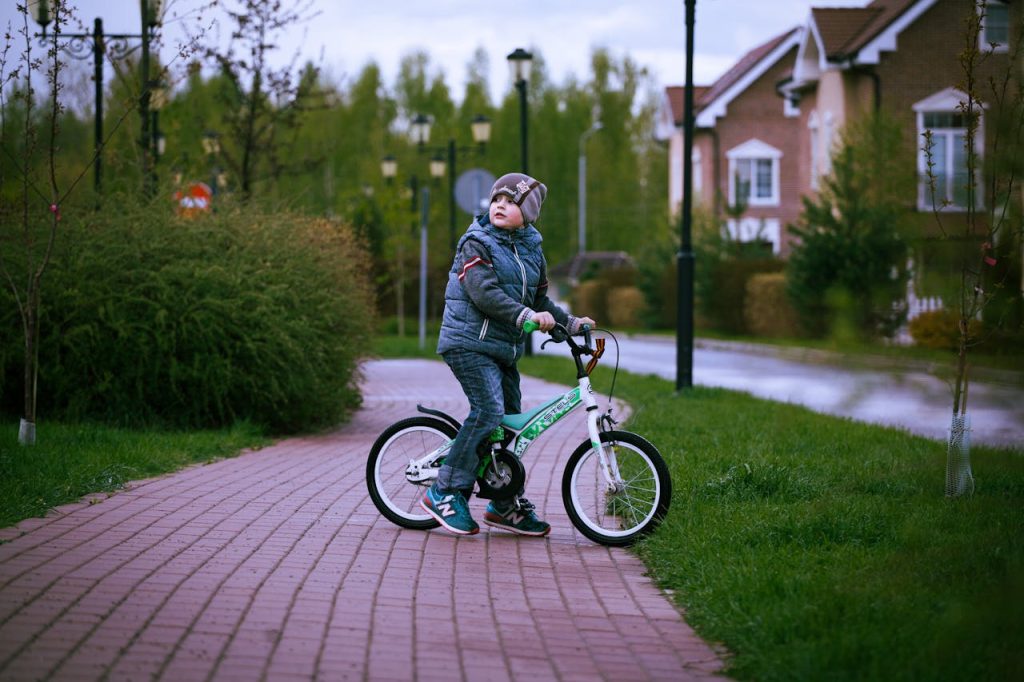
You hopped on your bike and explored streets and neighborhoods without anyone tracking your location. Helmets were optional, scraped knees were normal, and independence came from testing limits. You figured out routes, solved small problems, and built confidence in your abilities. Every ride gave you a sense of adventure and ownership over your day.
This freedom taught resilience and responsibility. Today, kids ride with GPS trackers and safety restrictions, missing the lessons you gained from unsupervised adventures. Those rides shaped how you learned independence, problem-solving, and self-reliance in a way digital life rarely allows.
2. Playing Outside Until Dark

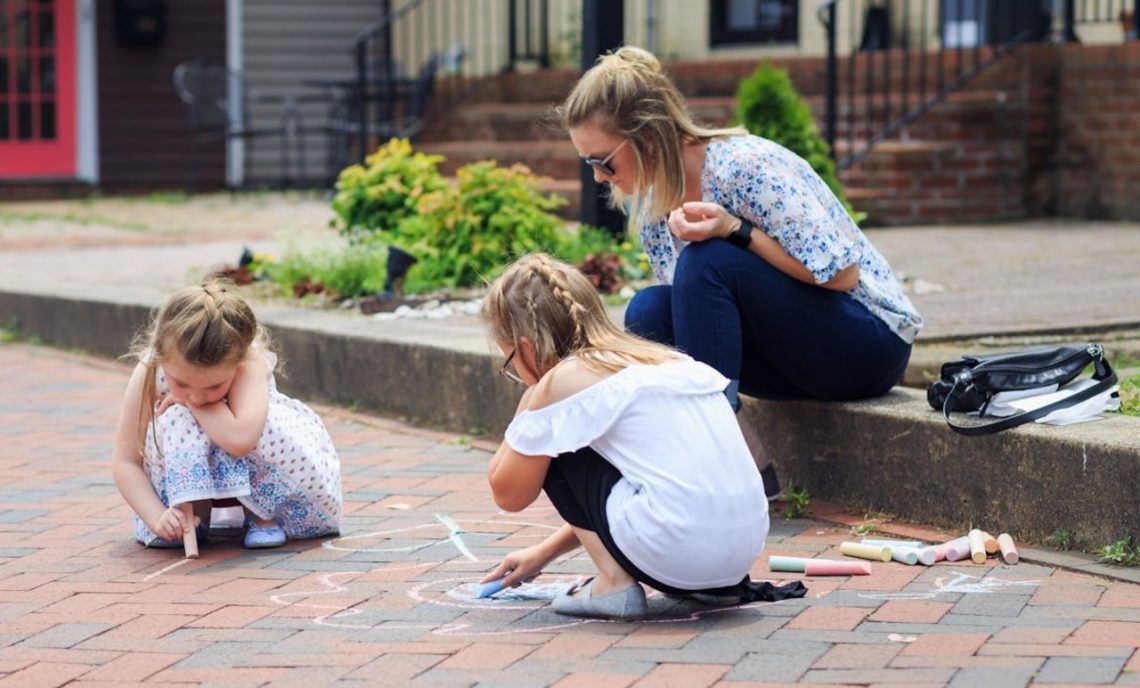
You spent hours outside inventing games, exploring, and connecting with friends. Entertainment was unstructured and self-created, without screens or digital apps interrupting your play. You discovered new corners of your neighborhood and learned to entertain yourself with whatever was around. Those moments taught you how to solve problems and create fun from nothing.
The long hours outdoors developed imagination, negotiation skills, and social confidence. Gen Z often has scheduled indoor activities, missing the lessons of patience, teamwork, and creativity that you learned naturally while enjoying freedom under the open sky.
3. Using Encyclopedias for Research

Homework meant flipping through thick books, comparing sources, and compiling facts manually. You couldn’t rely on Google or instant answers. You highlighted key points, cross-checked information, and sometimes even asked librarians for help. This hands-on approach made learning active instead of passive.
This process taught patience, attention to detail, and critical thinking. You learned to validate information carefully, which built a deeper understanding. Gen Z’s immediate search results often skip these steps, missing the methodical learning habits you developed. These skills helped you retain knowledge and think independently.
4. Waiting for Your Favorite TV Show

You planned your day around TV schedules and watched shows at specific times. Missing an episode meant disappointment, not replaying on demand. You talked about cliffhangers with friends at school, and waiting for your favorite cartoon or drama became part of your routine. Anticipation made the experience more exciting and memorable.
This taught patience and anticipation. Shows became shared experiences with friends and family, creating cultural touchpoints. Gen Z’s streaming removes this communal excitement and the lessons of delayed gratification you grew up with. You learned to value the experience rather than just the content itself.
5. Collecting Records or Cassettes

Music collections required effort and organization. You carefully sorted records or tapes, remembering which songs were where, and discovered albums slowly. You learned the joy of anticipation, flipping through covers, reading liner notes, and savoring each track at your own pace. Each album became a small adventure, teaching you to enjoy the journey, not just the outcome.
This built appreciation, focus, and dedication. Gen Z has instant playlists and streaming, which lacks the tactile, deliberate process that shaped how you valued music and experiences. These habits taught patience and a deeper connection to the art of music.
6. Writing Letters by Hand

You wrote letters to friends and relatives, spending time choosing words and crafting messages. Mail delivery added anticipation to communication. You decorated envelopes, reread sentences, and sometimes waited days to hear back, making each response feel meaningful. Writing by hand taught you to organize your thoughts and express yourself clearly.
This taught patience, empathy, and thoughtfulness. Gen Z communicates instantly via text or social media, missing the deep, personal connection that handwritten letters fostered. These exchanges strengthened bonds and created memories that digital messages rarely replicate.
7. Memorizing Phone Numbers

You committed numbers to memory, carrying important contacts in your head. Phones weren’t smart; you had to rely on recall. You learned to remember birthdays, addresses, and important phone numbers, which kept you organized and prepared. Memorizing these details strengthened your mental agility and focus.
This strengthened memory and mental organization. Gen Z depends on contact lists and digital assistants, losing the skill and confidence that came from remembering essential information yourself. These habits built independence and a sense of personal responsibility that digital convenience can’t replace.
8. Watching the Weather Outside

You checked the sky and weather reports to plan activities. Clouds, winds, and temperature guided your day. You learned to predict rain, storms, or sunny afternoons by observing nature and noting patterns. Playing outside or planning trips depended on these observations, sharpening your attention to detail. Each day spent watching the sky strengthened your awareness and curiosity about the world.
This built observation skills and awareness of the natural world. Gen Z relies on apps for every update, missing the intuitive understanding of weather patterns you developed. These experiences taught self-reliance and a connection to the world around you that screens rarely provide.
9. Learning Through Trial and Error
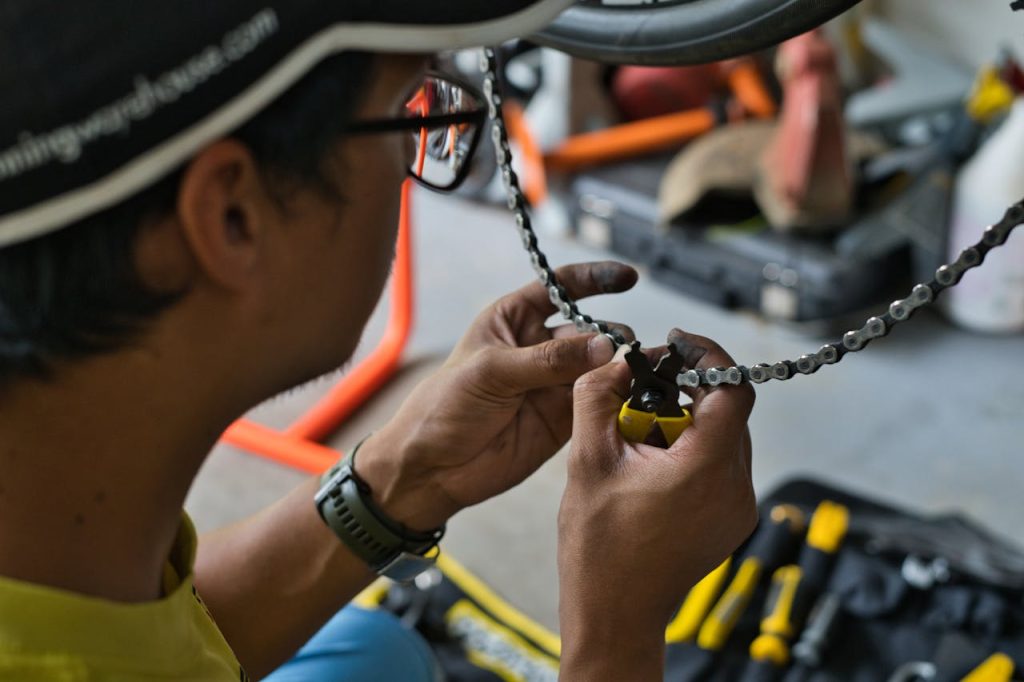
You fixed bikes, solved problems, and learned skills by doing, sometimes failing along the way. Mistakes taught lessons firsthand. You figured out solutions, tested different approaches, and learned to be resourceful when things didn’t go as planned. Each failure became a chance to improve and understand how things worked.
This built resilience, independence, and problem-solving skills. Gen Z often looks for tutorials or instant answers, missing the confidence that comes from learning through trial and error. These hands-on experiences taught you perseverance and a sense of accomplishment that quick fixes can’t provide.
10. Learning to Cook from Scratch

You spent time in the kitchen helping prepare meals, measuring ingredients, and following recipes by hand. Mistakes were part of the process, and you learned to adjust flavors and techniques through trial and error. Cooking taught patience, attention, and creativity, as every dish required focus and care.
This built self-reliance and practical skills that lasted a lifetime. Gen Z often relies on pre-made meals, meal kits, or microwaveable food, missing the hands-on learning and satisfaction that comes from preparing a meal yourself. You learned to value effort and develop confidence in the kitchen.