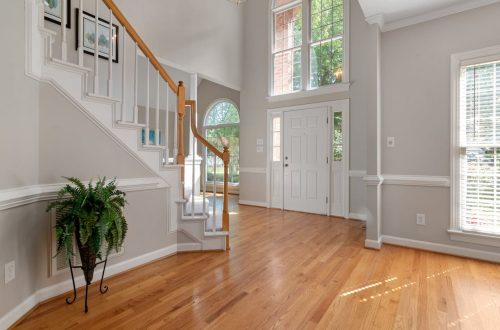


A well-maintained home should reflect consistent care, routine inspections, and prompt repairs, but many properties show subtle signs of neglect that aren’t always obvious at first glance. Whether you’re buying, renting, or simply evaluating a home’s condition, it’s important to look beyond clean surfaces and cosmetic updates. Hidden issues can signal long-term problems that may lead to expensive repairs or safety concerns down the road. By understanding some of the most common indicators of poor maintenance, you can better assess a home’s true condition and make more informed decisions before committing to the property.
1. Peeling Paint or Damaged Walls
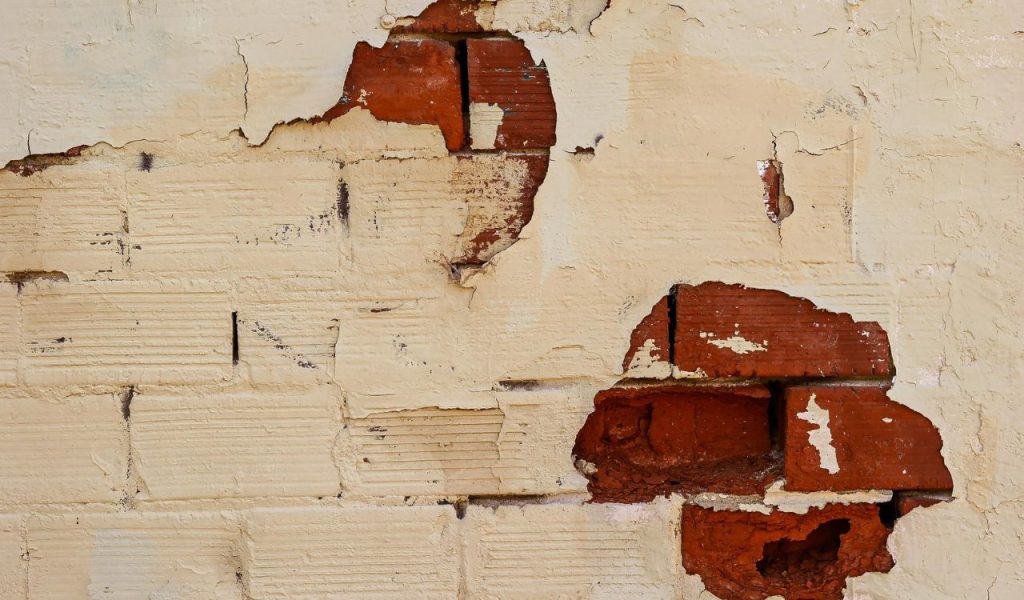
Peeling paint, cracked drywall, and discolored patches on the walls are strong indicators that a home has not been consistently cared for. These issues often suggest deeper concerns, such as moisture intrusion, temperature fluctuations, or structural movement over time. When walls show signs of wear that go beyond normal aging, it usually means routine maintenance has been overlooked, allowing small problems to develop into larger ones. A home with well-maintained walls typically has even finishes, intact surfaces, and no unexplained stains, so any irregularities should prompt a closer inspection of the home’s overall condition.
2. Roof Problems or Signs of Leakage
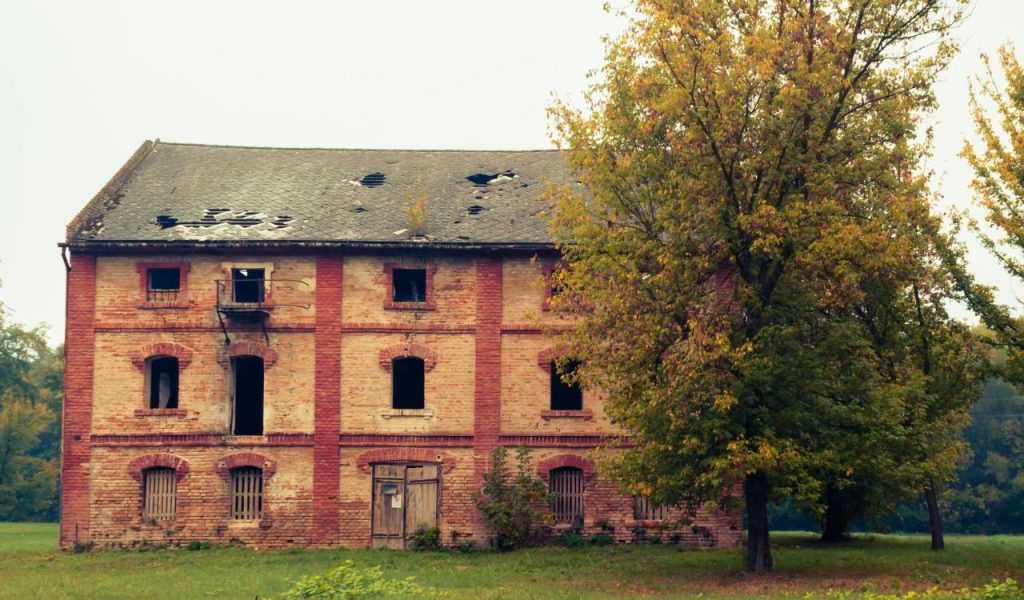
A poorly maintained roof can become one of the most expensive problems a homeowner will ever face. Missing shingles, sagging areas, and interior ceiling stains all indicate that the roof may have been neglected for years. Water damage from leaks can spread quietly, affecting structural beams, insulation, and electrical systems. Even if the damage isn’t visible from the outside, interior signs often reveal underlying issues. A well-maintained home will have a roof inspected regularly, repaired promptly, and kept in good condition, so any signs of deterioration should be taken seriously before moving forward.
3. Overgrown or Neglected Landscaping
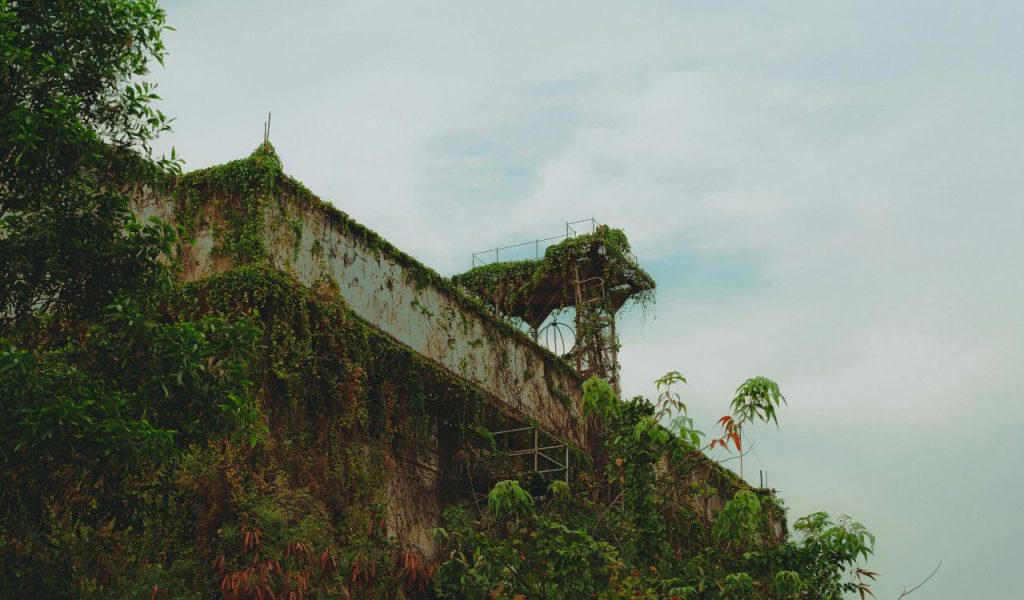
While landscaping may seem purely cosmetic, the condition of a home’s yard can reveal a great deal about the level of care the property has received. Overgrown bushes, dying plants, and an unmanaged lawn often indicate that the homeowner hasn’t prioritized routine upkeep. Poor landscaping can also contribute to other problems, such as drainage issues, pest infestations, and exterior foundation damage. A properly maintained home typically has a yard that is trimmed, healthy, and functional, showing that outdoor care has been a regular part of the home’s upkeep.
4. Dirty or Poorly Maintained HVAC System
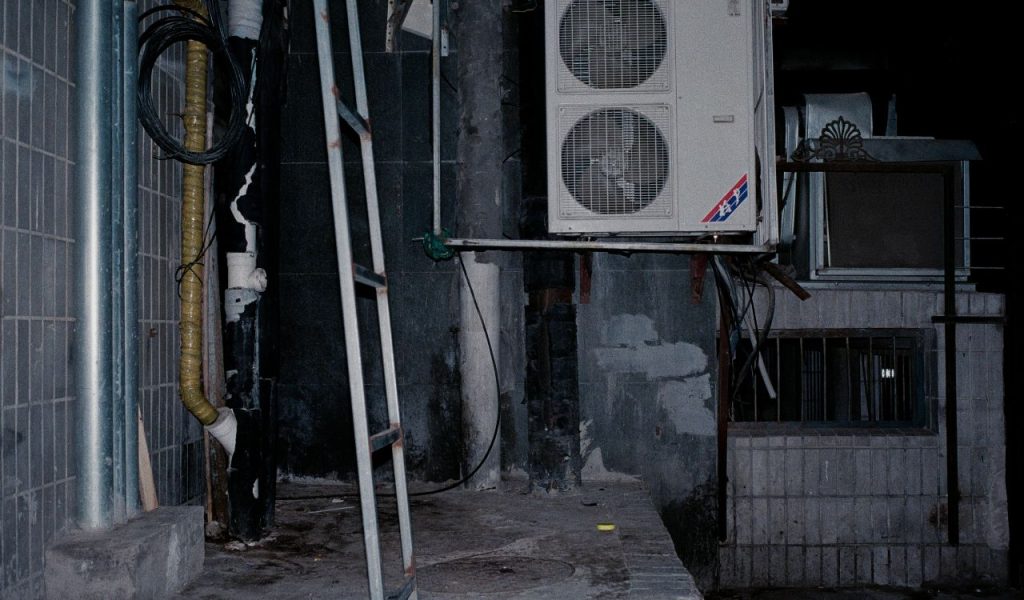
The heating and cooling system is one of the most critical components of a home, and its condition is a major indicator of overall maintenance. Dirty air filters, dusty vents, and signs of an aging or noisy system suggest that routine servicing may have been ignored. When an HVAC system is not maintained, it becomes less efficient, more expensive to operate, and more prone to breakdowns. A well-maintained home will have a system that runs smoothly, smells clean, and shows signs of regular professional care. Any evidence of neglect should raise questions about how other mechanical systems have been treated as well.
5. Water Damage or Mold Presence
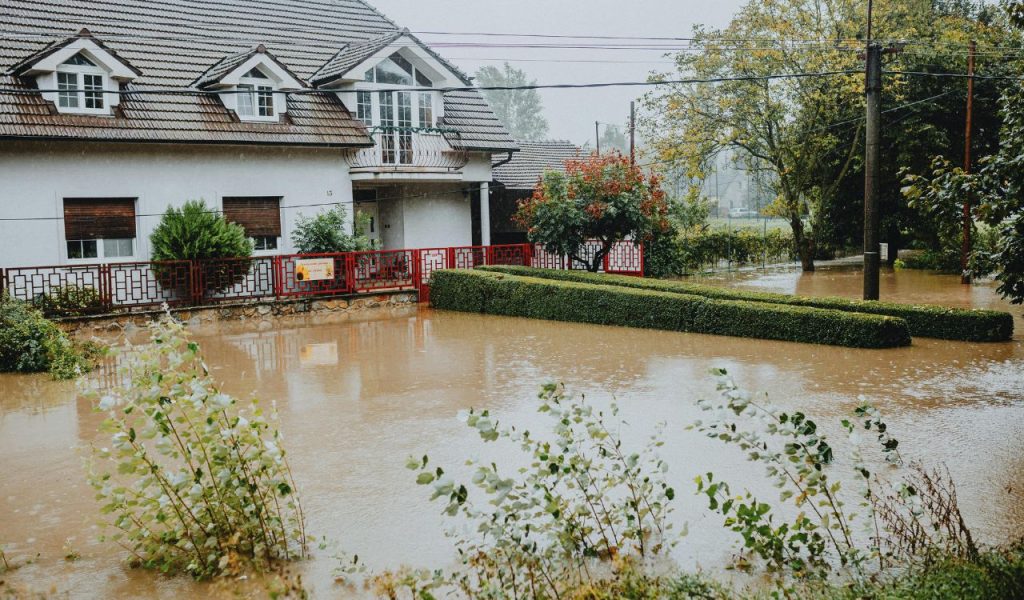
Water damage is one of the clearest signs of poor home maintenance and can lead to serious structural and health issues. Stains on ceilings, warped floors, peeling paint, and musty odors often indicate leaks that have been ignored for long periods. Mold growth, whether visible or hidden, suggests moisture problems that can be costly and time-consuming to fix. A well-maintained home will have a dry interior, proper ventilation, and no lingering odors. When water damage is present, it usually reflects a pattern of neglect, signaling that the homeowner may not have been attentive to important repairs.
6. Outdated or Damaged Electrical System

An electrical system that hasn’t been regularly maintained can pose both safety risks and expensive repair needs. Signs such as flickering lights, warm outlets, outdated fuse boxes, or exposed wiring suggest that the electrical components may not have been inspected or updated for years. These issues often point to a broader pattern of deferred maintenance, as responsible homeowners typically schedule periodic electrical assessments to ensure safe and efficient operation. A well-maintained home will have modern wiring, properly functioning outlets, and an electrical panel that reflects recent updates.
7. Sticking Doors or Windows
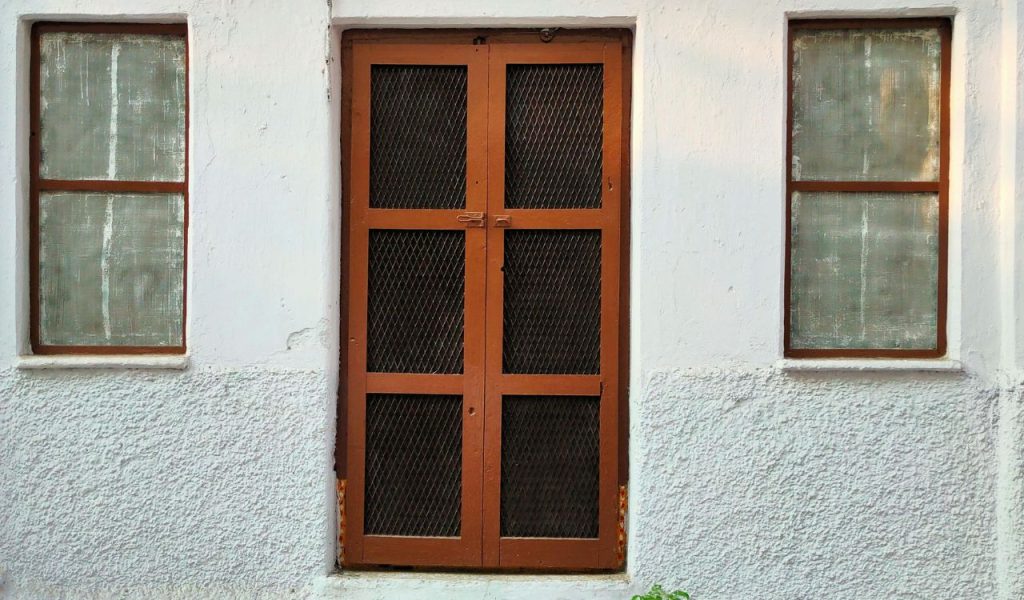
Doors and windows that jam, stick, or fail to open smoothly can reveal more about a home’s condition than most people realize. While sometimes caused by humidity or seasonal changes, persistent sticking often signals deeper issues such as foundation settling, poor structural alignment, or prolonged exposure to moisture. Neglected homes frequently show signs like warped frames, worn-out seals, and deteriorated caulking, all of which indicate a lack of routine upkeep. In contrast, a well-maintained property will have fully functional doors and windows that operate easily and seal properly, providing energy efficiency and security.
8. Poor Plumbing Conditions
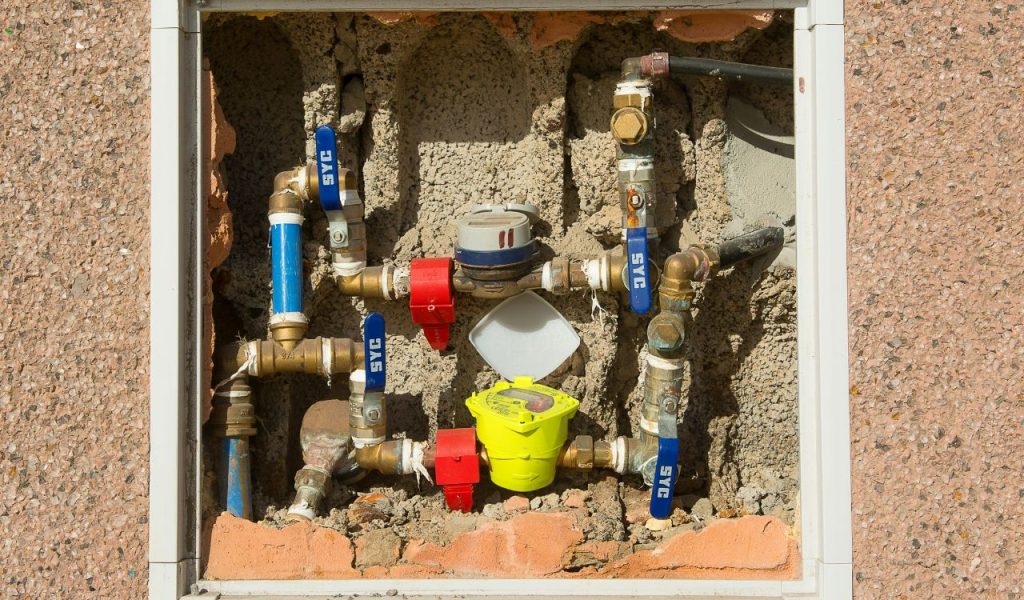
Plumbing problems are among the most disruptive and costly issues a homeowner can face, and they often start as small signs of neglect. Dripping faucets, rusty pipes, slow drains, and inconsistent water pressure all suggest that regular maintenance may have been ignored. These symptoms can indicate deeper concerns like aging pipes, hidden leaks, or mineral buildup that has gone untreated over time. A well-maintained home will typically feature responsive plumbing, clean fixtures, and a system that delivers consistent water flow. If plumbing issues are noticeable, it often means the homeowner hasn’t addressed problems promptly, allowing preventable damage to develop.
9. Dirty, Damaged, or Neglected Flooring
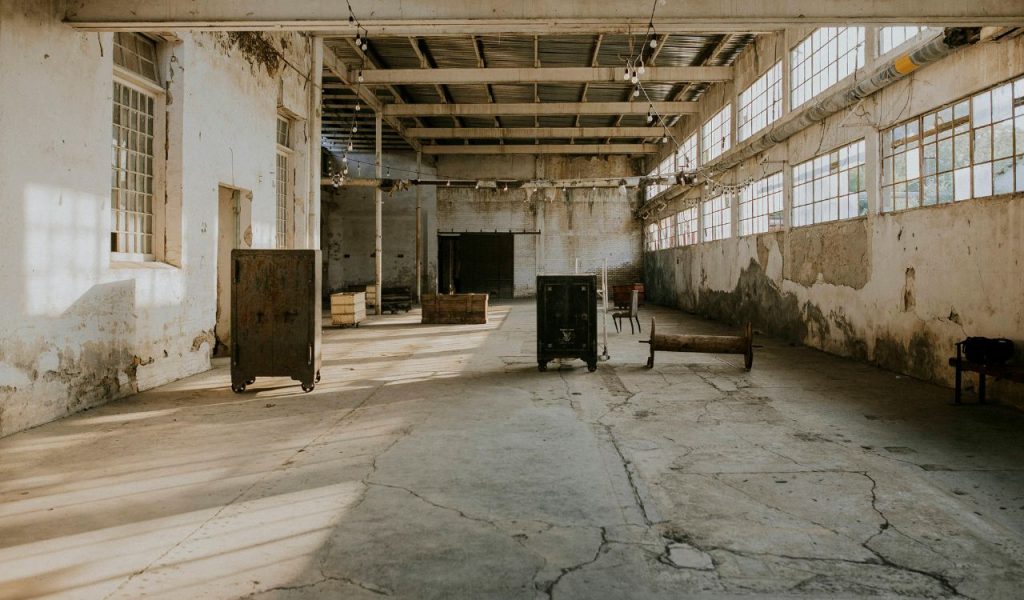
Flooring is one of the most telling indicators of how consistently a home has been maintained. Stained carpets, scratched wood, cracked tiles, or warped boards reveal years of wear and tear that haven’t been managed properly. These issues often suggest not only cosmetic neglect but also potential problems with moisture, subfloor damage, or poor cleaning habits. Well-cared-for homes typically have flooring that is clean, intact, and free from major damage. When floors show significant deterioration, it’s a sign that the homeowner may have overlooked routine cleaning, timely repairs, and general upkeep, raising questions about the home’s overall care.
10. Evidence of Pest Activity

Signs of pests such as droppings, nests, gnaw marks, insect trails, or damaged wood are clear indicators that a home has not been consistently maintained. Pests can enter through cracks, unmanaged landscaping, or neglected openings, and once inside, they can cause extensive damage. Homes that are regularly inspected, cleaned, and sealed rarely experience severe infestations, as preventative maintenance is key to keeping pests out. When evidence of pests is present, it suggests that issues have gone unaddressed for too long, potentially leading to hidden structural damage and costly remediation. A well-maintained home will show no signs of ongoing pest problems.