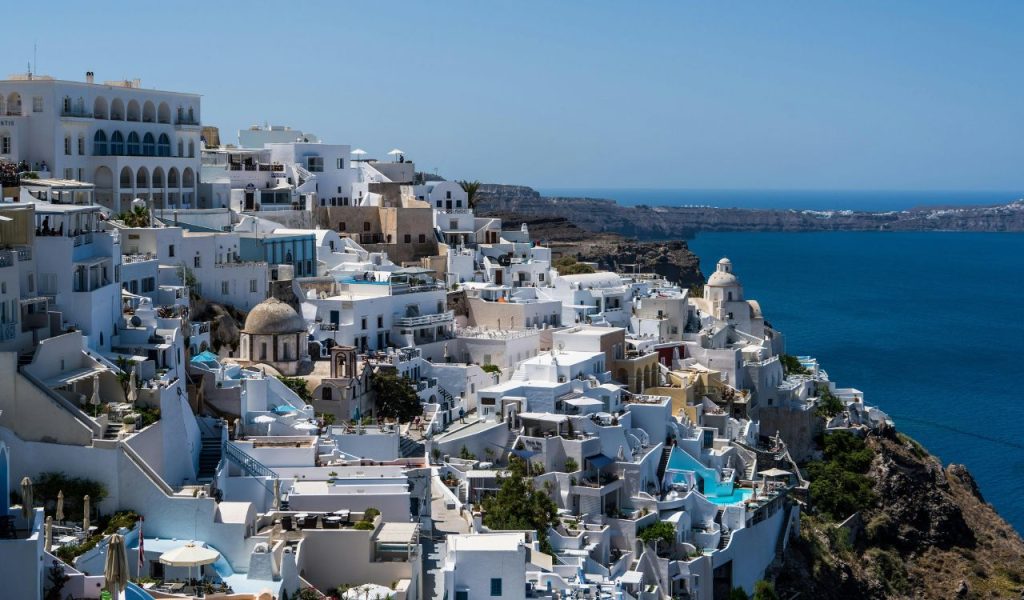
Social media has the power to turn quiet destinations into global sensations almost overnight, but the exposure often comes with unintended consequences. Places once defined by calm, authenticity, and local rhythm suddenly face overwhelming visitor numbers, rising prices, and pressures that strain the environment and community life. What begins as admiration quickly becomes disruption as fragile ecosystems, small towns, and peaceful landscapes struggle to keep up. These places still hold beauty, yet many locals say the ease they once offered has slowly disappeared under the weight of viral popularity.
1. Tulum
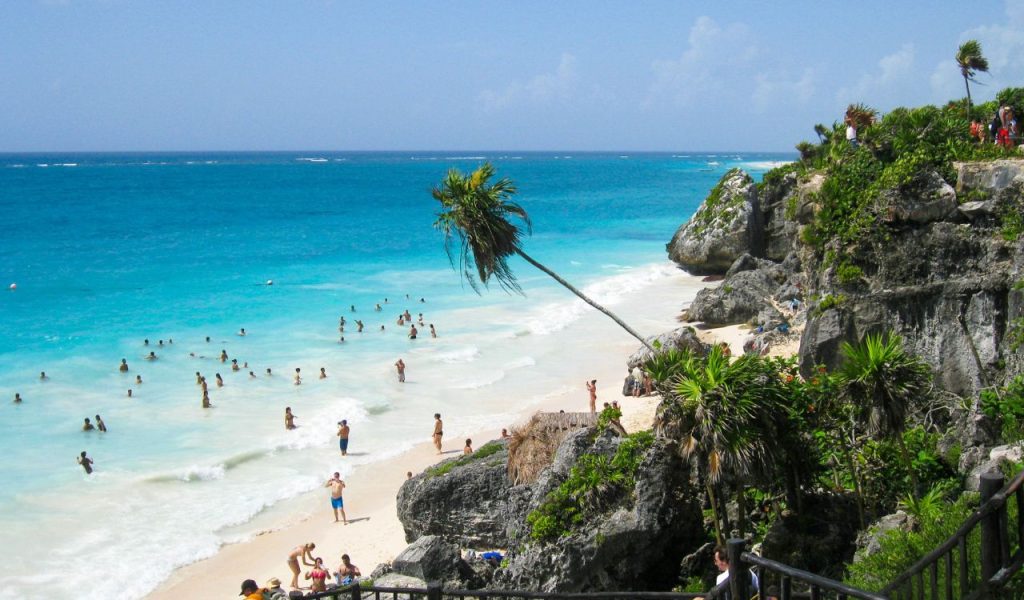
Tulum was once a quiet beach town known for its simplicity, local charm, and peaceful connection to nature. But after becoming an influencer hotspot, it shifted dramatically. Luxury resorts replaced rustic stays, prices skyrocketed, and crowds filled spaces that were once serene. The calm rhythm of beachside living has turned into a high-demand party scene, and residents say the pressure on resources, rising pollution, and constant noise have changed the town’s spirit. What once felt like a hidden escape now feels commercial, crowded, and far less authentic.
2. Reykjavík
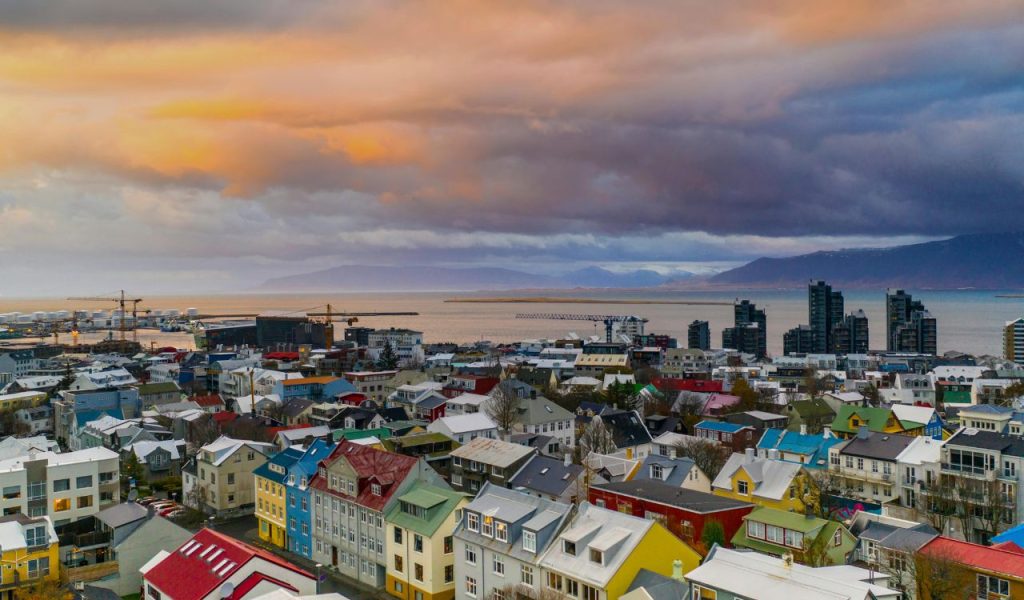
Iceland went from a remote, peaceful destination to one of the world’s most photographed and visited landscapes after going viral. Its dramatic waterfalls, black-sand beaches, and geothermal wonders attracted millions, far more than its infrastructure was designed to handle. Trails eroded, roads overflowed, and small communities struggled with the rapid influx. While still stunning, the country’s sense of untouched quiet has faded. Locals often say the magic remains, but the solitude and raw serenity that once defined Iceland are much harder to experience now.
3. Santorini
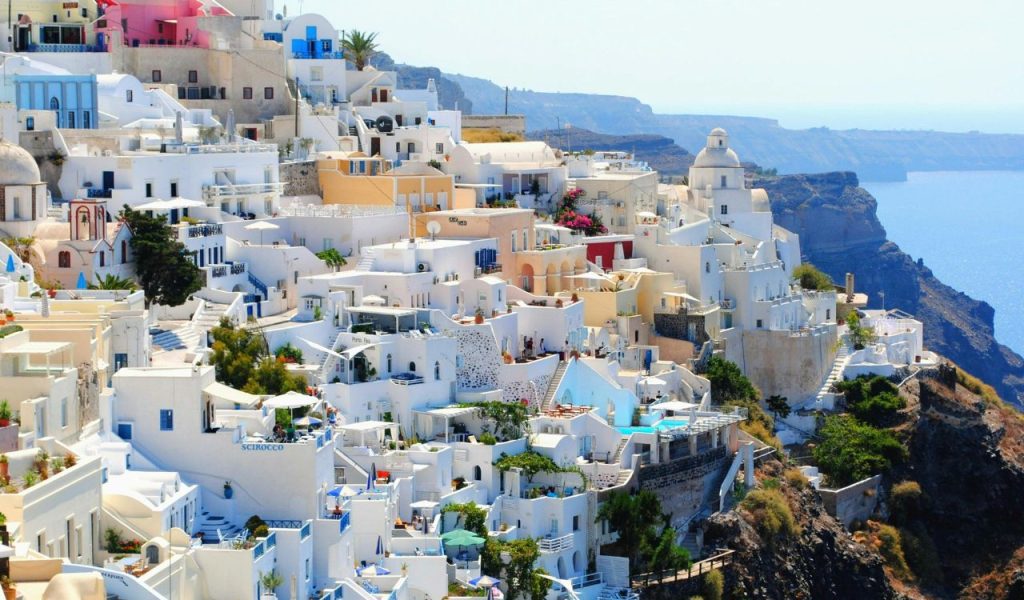
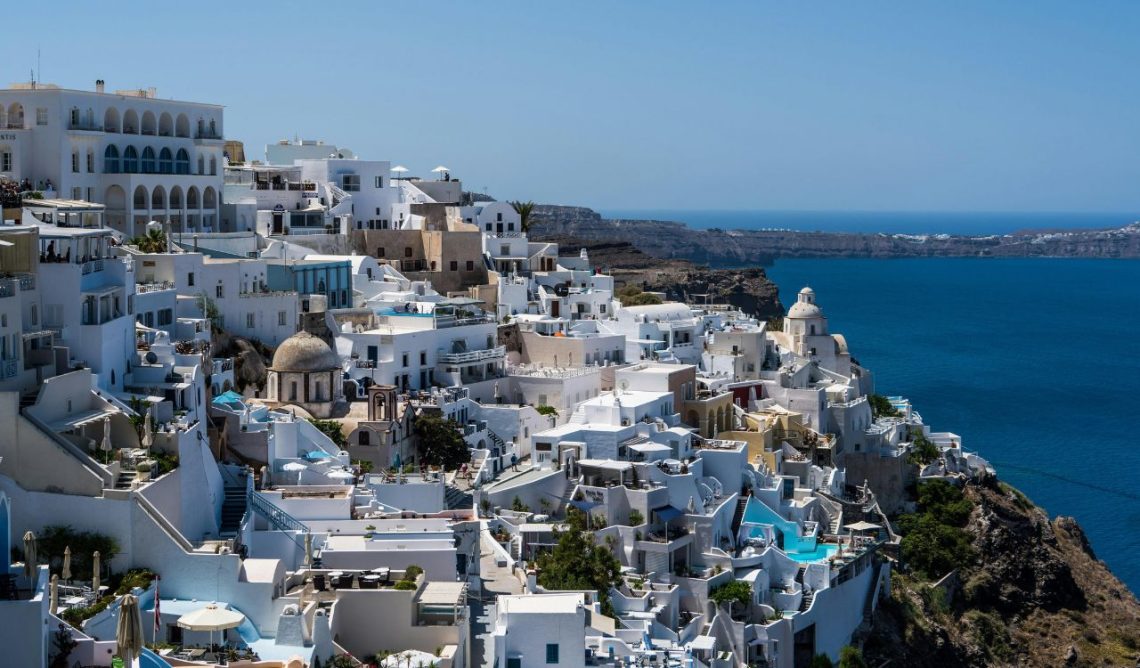
Santorini’s white roofs and blue domes became one of social media’s most iconic images, but fame came with a cost. Influencers flocked to the island, filling narrow pathways and crowding sunset viewpoints that were once peaceful. Prices soared, cruise ships multiplied, and many locals felt their home turned into a backdrop rather than a community. While still breathtaking, the island’s authenticity has thinned under nonstop tourism. The ease of wandering quiet streets or enjoying local life has been replaced by lines, noise, and a staged feeling everywhere you turn.
4. Hawaii
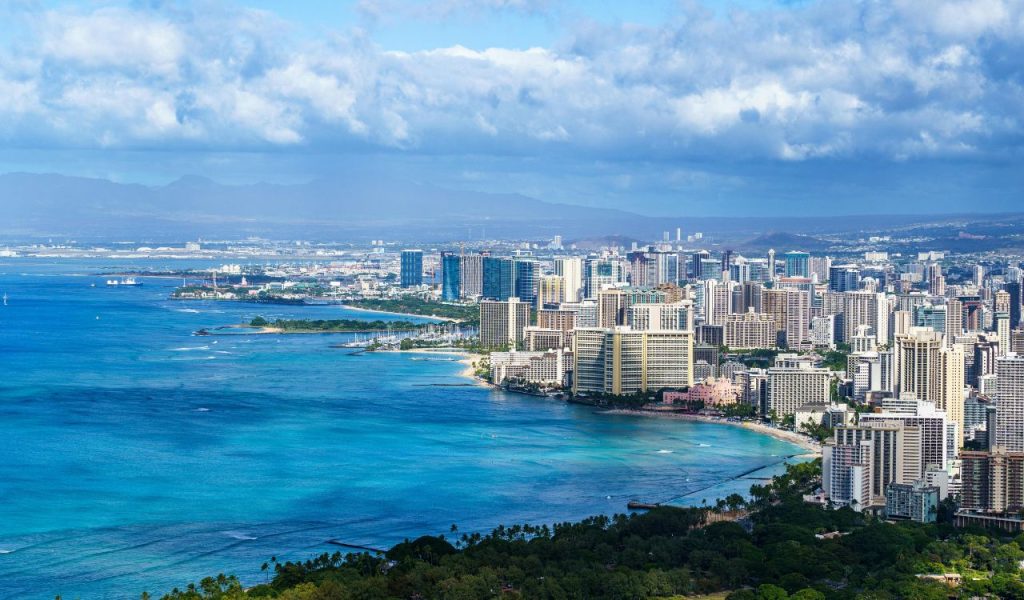
Hawaii’s viral beaches and lush scenery brought millions seeking paradise, but the surge strained communities and ecosystems. Crowds overwhelmed beaches, sacred sites, and narrow roads. Rising tourism drove up housing costs, making life harder for residents. Environmental damage from careless visitors grew more visible, and many locals voiced concerns about losing cultural spaces to constant filming and commercialized experiences. While Hawaii remains beautiful, its natural balance and sense of island calm have been disrupted by viral attention that prioritizes content over respect for the land.
5. Joshua Tree National Park
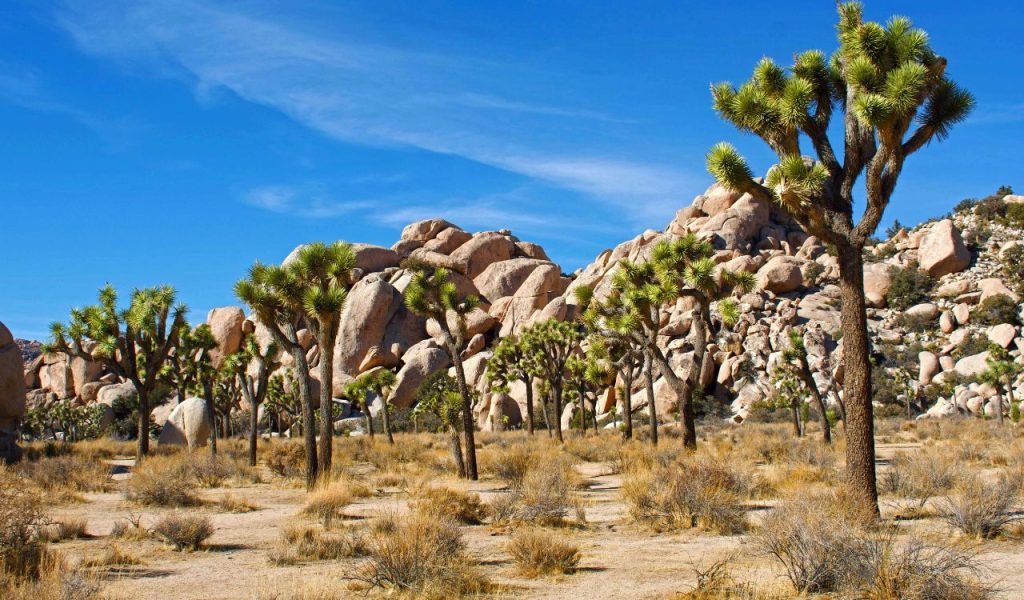
Joshua Tree was once a serene desert retreat where silence, stargazing, and solitude defined the experience. After becoming an Instagram hotspot, visitation surged. Fragile desert plants were trampled, including the iconic Joshua trees themselves, and illegal photo setups damaged protected areas. Campgrounds filled, traffic increased, and the peaceful desert atmosphere faded under the pressure of constant crowds. Rangers have struggled to keep up with misuse, and locals say the park’s quiet magic is harder to find now that it has become a backdrop for curated online moments.
6. Lake Tahoe
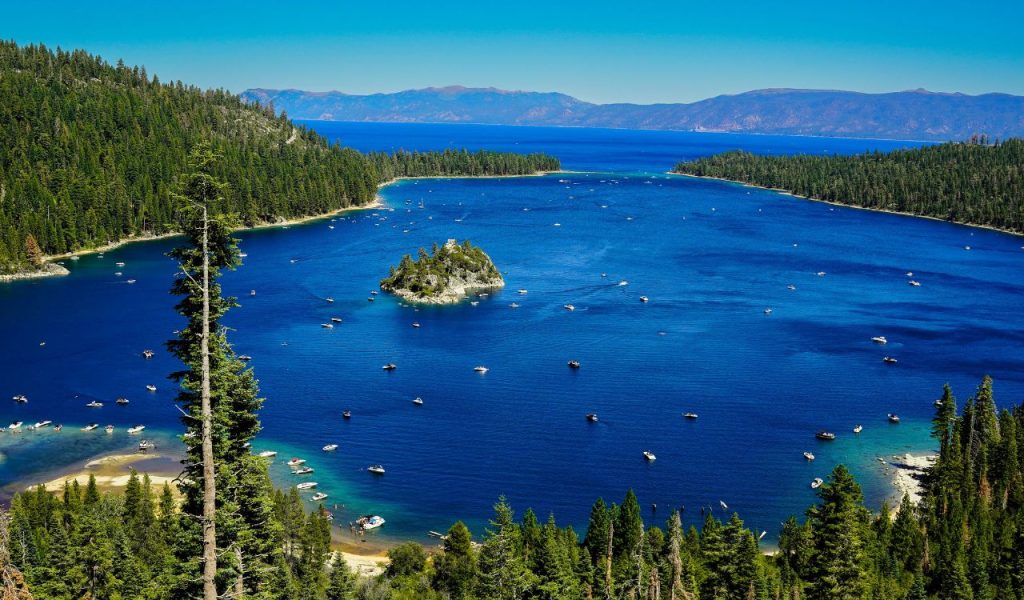
Lake Tahoe’s stunning blue water made it a social media sensation, but with fame came overuse. Millions of visitors now crowd its shores, leading to traffic jams, pollution, and housing issues for locals. The lake’s clarity has been threatened by litter and erosion, and the peaceful mountain atmosphere has shifted toward a busier, more commercial feel. Longtime residents say what once felt like a quiet nature retreat now resembles a year-round resort town. The beauty remains, but the ease and simplicity that defined Tahoe have become increasingly rare.
7. Bali
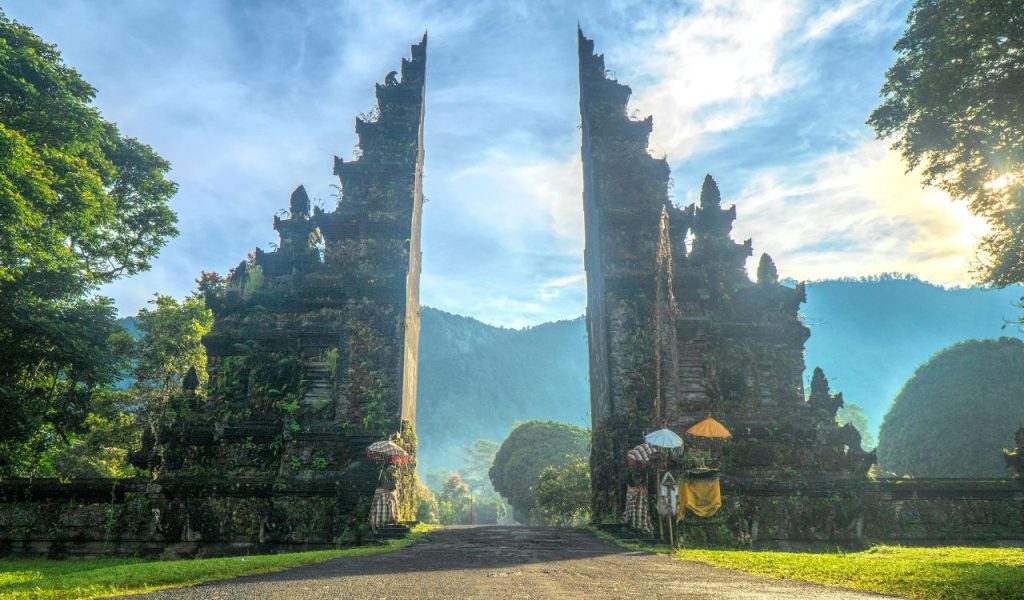
Bali transformed from a spiritually rich, peaceful island to one of the world’s most overshared travel destinations. Viral temples, swings, rice terraces, and cafes brought massive crowds, and with them came noise, traffic, pollution, and rising prices. Local traditions often become overshadowed by Instagram-oriented tourism. Infrastructure struggles to keep up, and communities face pressure from disrespectful behavior and rapid development. While Bali is still culturally powerful and beautiful, many say the gentle, grounded energy that once defined it has been diluted by constant online attention.
8. Zion National Park
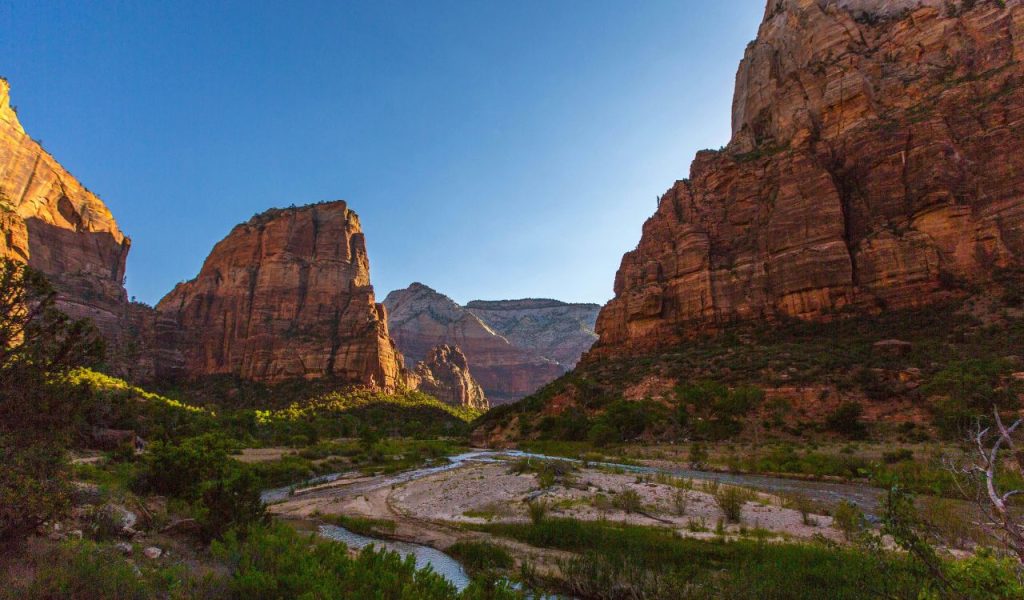
Zion’s dramatic landscapes gained global fame online, turning trails like Angels Landing and The Narrows into viral challenges. What were once peaceful wilderness experiences became long lines, crowded paths, and packed shuttles. Permits and restrictions were introduced to manage overwhelming numbers. The solitude that national parks traditionally offer has become harder to find, replaced by a busy, theme-park-like atmosphere on popular days. While Zion remains awe-inspiring, many visitors and locals say the quiet connection to nature has been diminished by viral popularity.
9. Barcelona
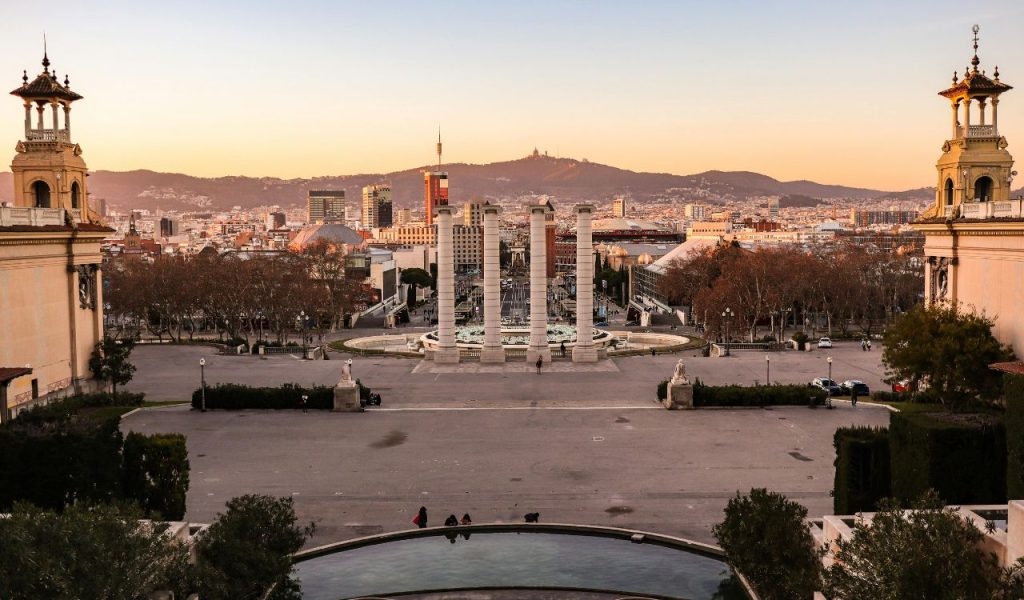
Barcelona was already a beloved destination, but social media amplified tourism to unprecedented levels. Narrow streets overflow with visitors, local markets feel crowded and commercialized, and rental prices have pushed long-term residents outward. Historic neighborhoods now cater more to tourists than to community life. While still vibrant, the city’s ease and authenticity have been strained by constant foot traffic and cameras everywhere. Many locals say Barcelona feels less like a home and more like a stage, losing pieces of its soul to viral trends and nonstop attention.
10. Horseshoe Bend
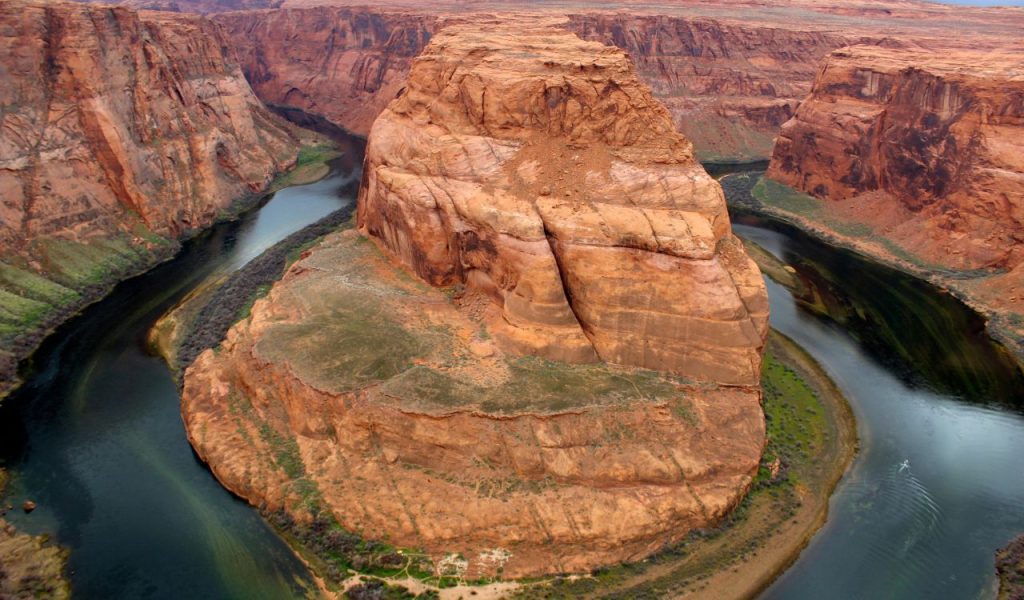
Horseshoe Bend was once an unmarked overlook visited by only a few travelers, but viral photos transformed it almost overnight. Infrastructure had to be built quickly, including parking lots, railings, and walkways, to manage crowds arriving by the thousands. The once-quiet viewpoint is now often packed from sunrise to sunset, making solitude nearly impossible. The natural feel of the area has changed dramatically as it has become one of the most photographed places in the Southwest. While still stunning, its sense of peaceful discovery has been lost to constant visibility.