If you step back into the 1970s, you find a dinner table shaped by convenience foods, colorful presentations, and a sense that entertaining at home should feel a little theatrical. You might recognize recipes built around canned soup, gelatin molds, and creative uses of processed ingredients that promised ease during busy weeks. Food magazines and community cookbooks encouraged you to try dishes that felt modern at the time, even if they sound unusual today.
Some recipes disappeared because they felt heavy, others because they relied on products that lost popularity. Yet each tells you something about how people gathered, celebrated, and experimented in their kitchens.
1. Seven-Layer Salad
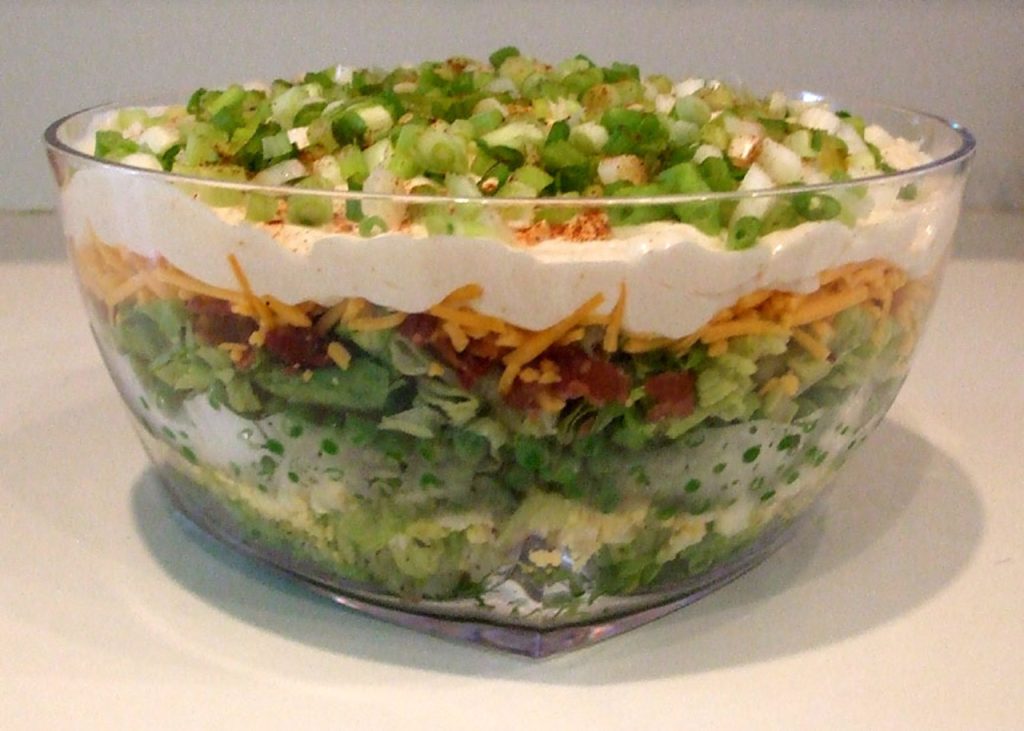
You probably saw this at potlucks, layered carefully in a glass bowl so every stripe showed. Lettuce, peas, cheese, bacon, and a mayonnaise dressing created a colorful centerpiece that felt festive and practical. The salad stayed fresh for hours, which made it perfect for gatherings where you wanted something dependable.
Over time, lighter vinaigrettes and simpler salads replaced it as people leaned toward fresher flavors. Still, its appeal came from the balance of crunch, creaminess, and the satisfaction of serving something that looked impressive without complicated steps. It remains a snapshot of communal dining and the era’s love for presentation.
2. Chicken à la King
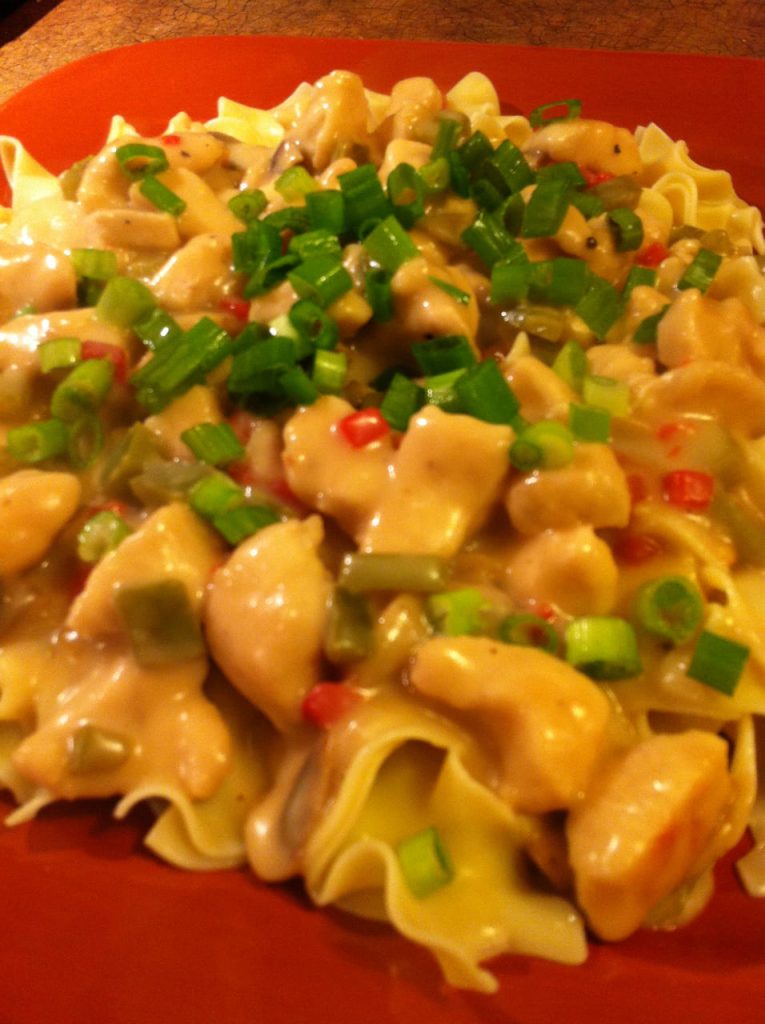
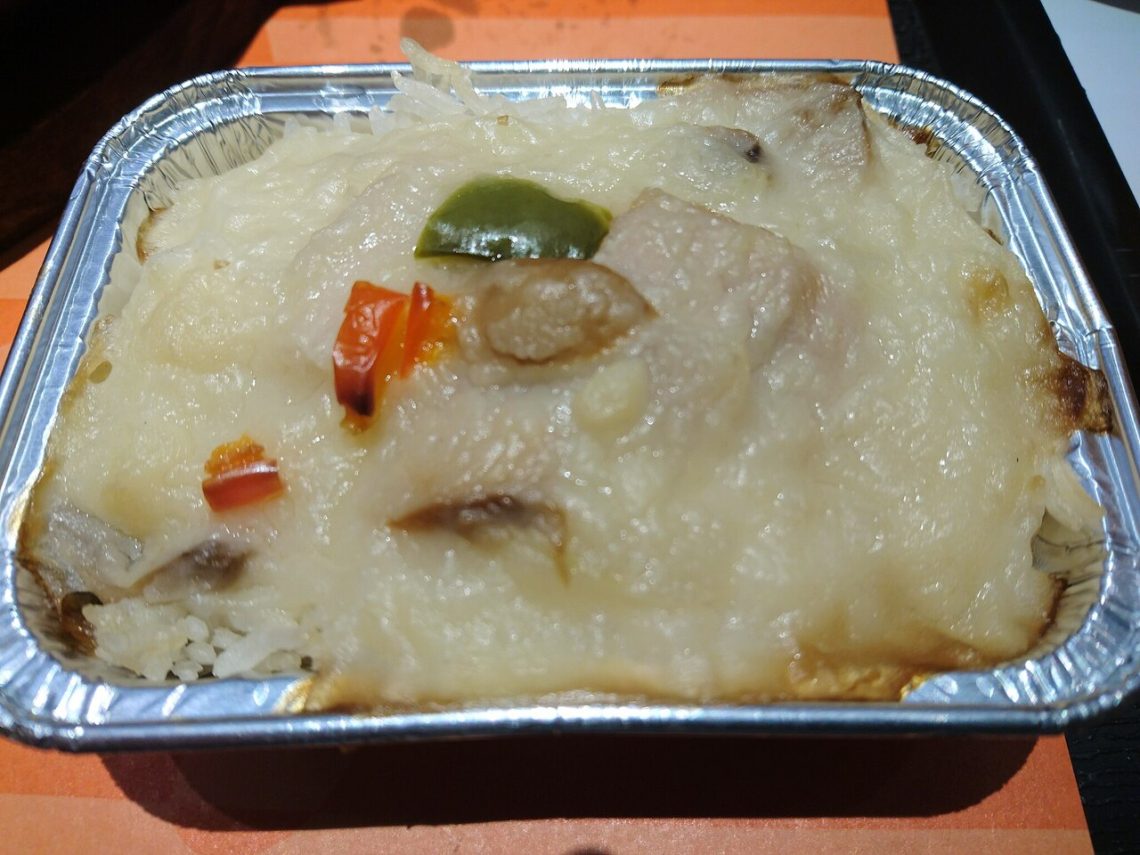
When you wanted comfort that felt a bit fancy, you turned to this creamy mixture of chicken, mushrooms, and peppers served over toast or rice. It appeared frequently in home economics guides and restaurant menus because it stretched leftovers into a complete meal.
As cooking trends shifted toward lighter sauces and global flavors, its rich cream base felt dated. Yet the dish once symbolized practical elegance, giving you a way to serve something warm and filling without elaborate preparation. Its decline reflects how preferences moved away from heavy gravies toward brighter, less processed meals.
3. Beef Stroganoff with Canned Soup
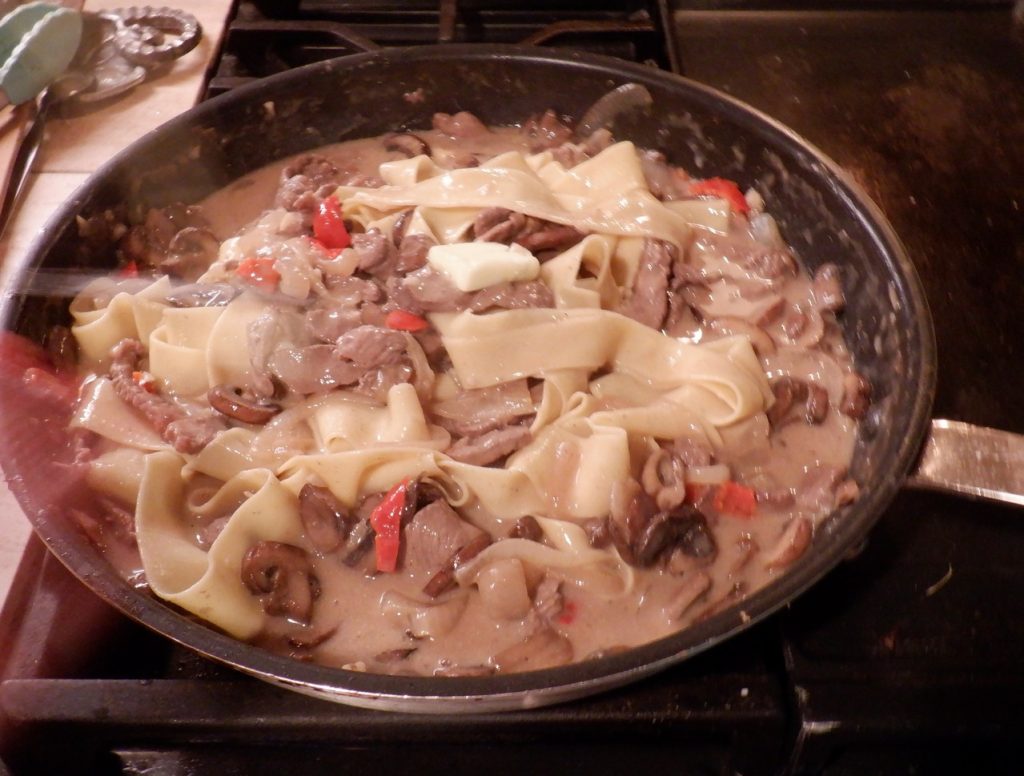
You likely remember versions made with condensed soup, sour cream, and ground beef simmered quickly for weeknight dinners. The shortcut approach made a classic Russian dish accessible to busy households eager for convenience. Over time, interest in scratch cooking and authentic techniques pushed the simplified version aside.
While restaurants still serve traditional stroganoff, the canned soup adaptation faded from everyday menus. It once represented how you balanced time, budget, and the desire to try something that felt worldly without needing specialty ingredients or long cooking times. You can still spot it in vintage cookbooks, quietly preserving a snapshot of everyday cooking habits from that era.
4. Ham and Banana Hollandaise
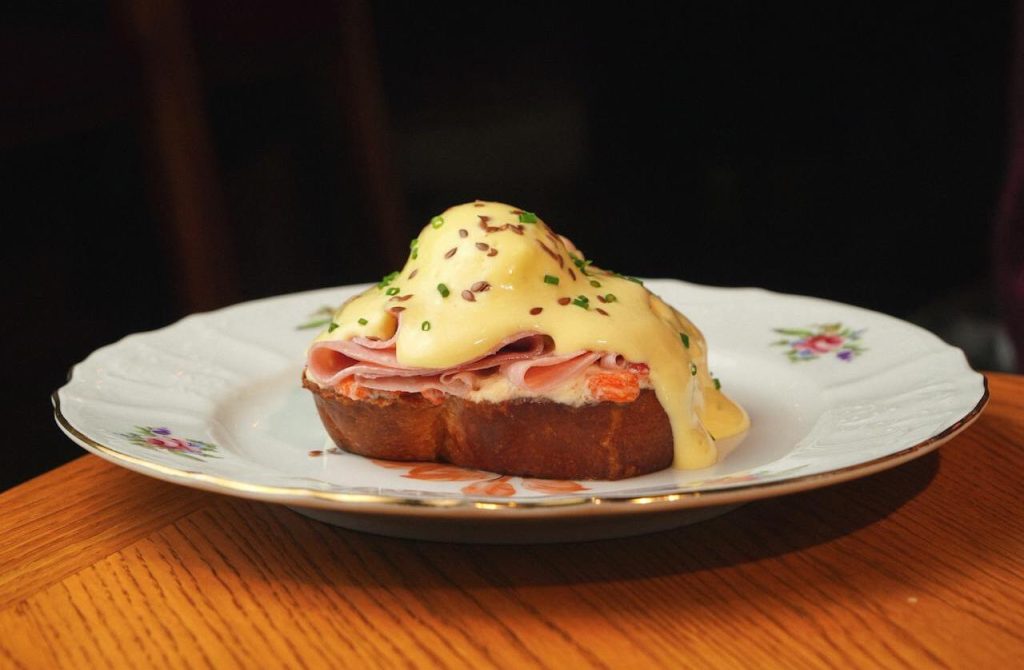
This unusual combination paired baked bananas wrapped in ham with a creamy sauce, reflecting the era’s curiosity about sweet and savory contrasts. You might have seen it featured in entertaining guides that encouraged playful menus.
As tastes evolved, the dish became more of a curiosity than a staple, partly because the flavor pairing felt too unconventional for modern palates. Still, it highlights how cooks experimented boldly, trusting cookbook trends and embracing dishes that sparked conversation at the table, even if they did not stand the test of time. You can view it as a reminder of how adventurous home cooking once felt.
5. Tuna Noodle Casserole
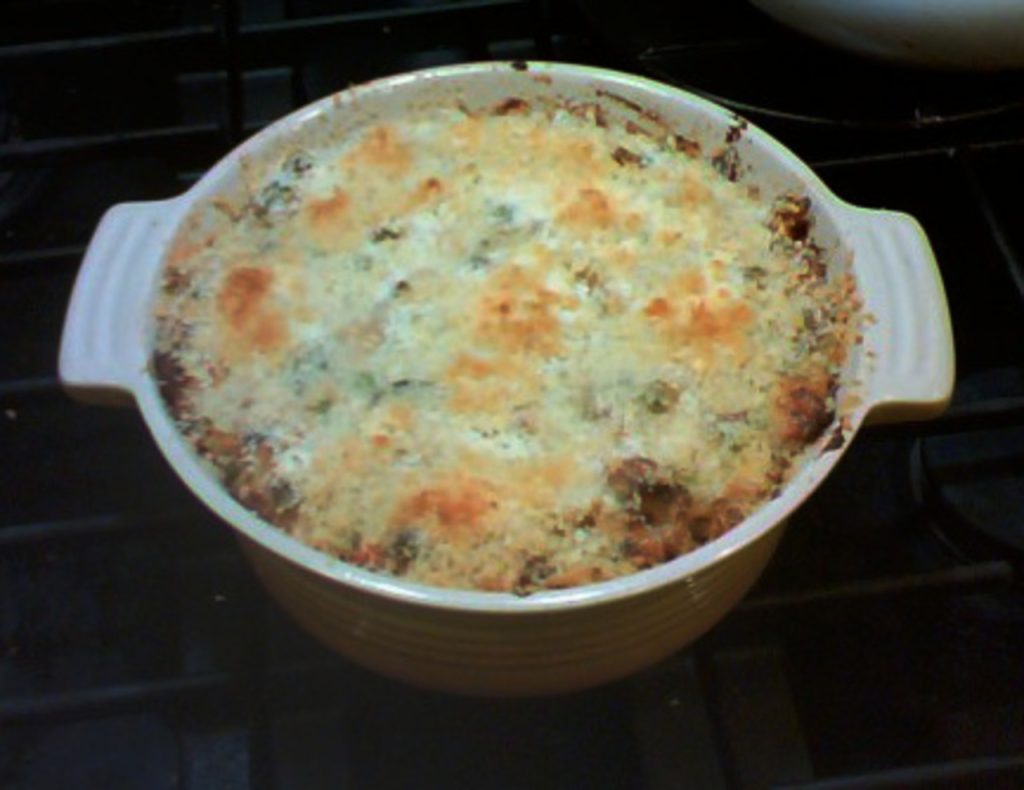
You probably relied on this comforting bake when you needed an affordable meal that fed everyone. Egg noodles, canned tuna, and a creamy sauce topped with crumbs delivered warmth and convenience in one dish. As fresh seafood options and lighter pasta recipes gained popularity, the casserole slipped out of regular rotation.
Yet it once symbolized resourcefulness, showing how pantry staples could become a satisfying dinner. Many families remember it as a dependable standby that filled kitchens with familiar aromas and made weeknights feel manageable. You might still find it resurfacing whenever you crave simple, nostalgic comfort.
6. Jell-O Salad Molds
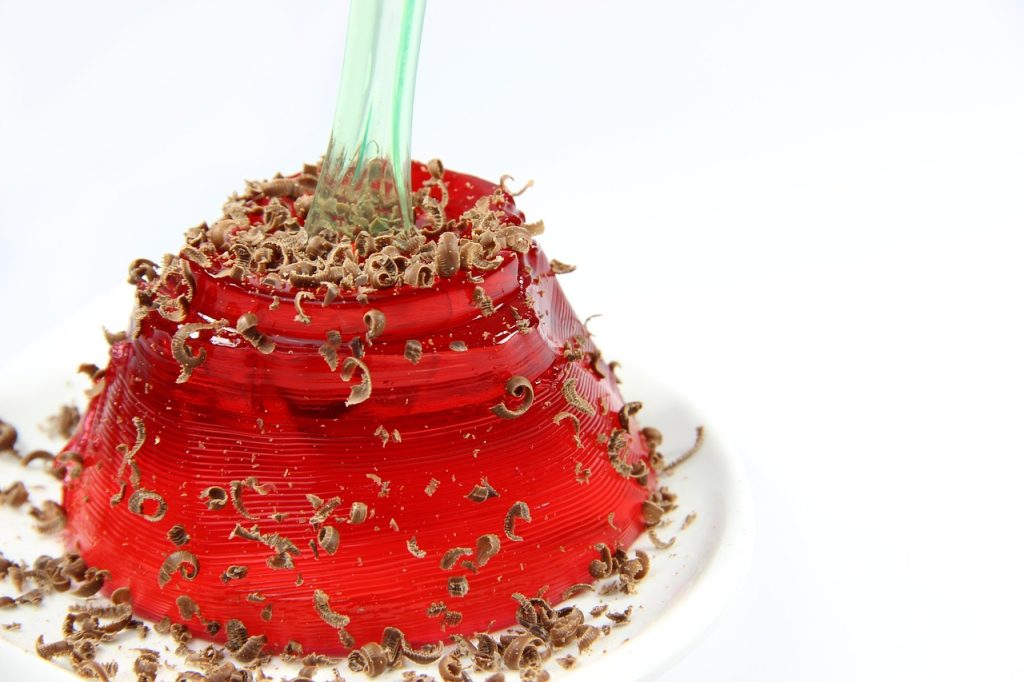
You might recall brightly colored molds filled with fruit, marshmallows, or even vegetables, served proudly at holidays and church suppers. Gelatin offered endless possibilities and a sense of creativity that matched the decade’s playful spirit. As preferences moved toward less sugary and less processed dishes, these molds became rarer on tables.
Their appeal lay in visual drama and the fun of slicing into something that looked almost decorative. They remain a reminder of how presentation once carried as much importance as flavor in home entertaining. You can see how they captured a moment when food doubled as decoration.
7. Deviled Ham Spread Sandwiches
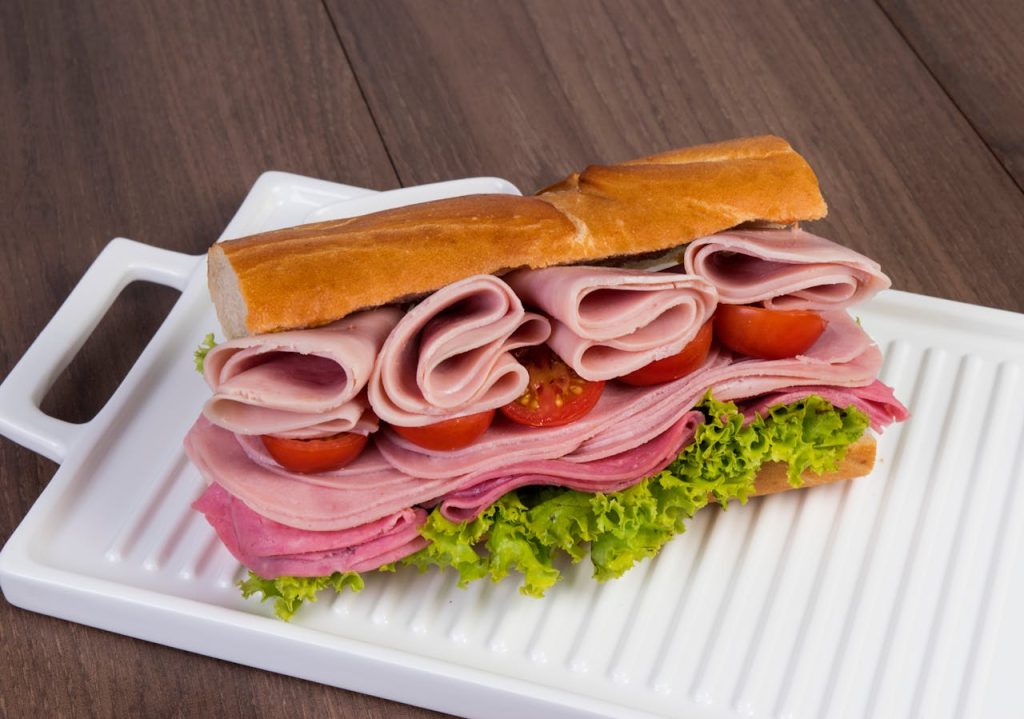
When you wanted a quick lunch or party snack, this savory spread delivered salty richness on soft bread or crackers. Packaged versions made preparation effortless, aligning with the era’s enthusiasm for convenience products. As deli meats and fresher sandwich options gained favor, the spread gradually disappeared from everyday use.
Still, it once provided an easy way to assemble something flavorful without much planning. Its story reflects how changing expectations around freshness reshaped what you keep in your pantry. You might still spot it at retro-themed gatherings or tucked away in older recipe boxes.
8. Stuffed Green Peppers with Tomato Sauce
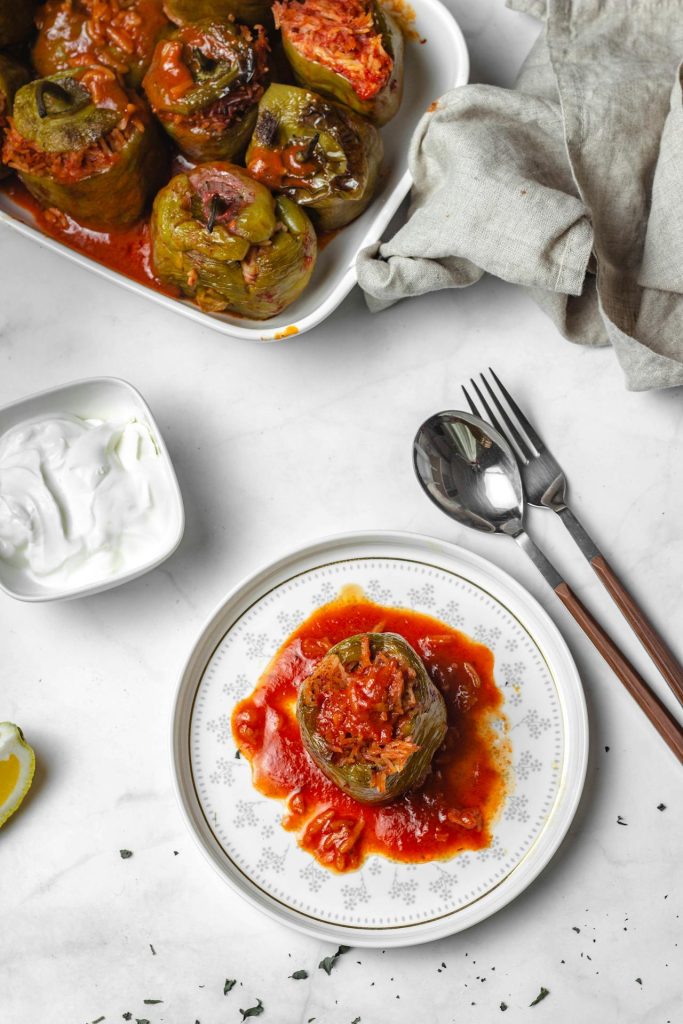
You likely baked peppers filled with ground meat and rice, covered in a tangy sauce that simmered slowly in the oven. The dish felt hearty and wholesome, appearing often in family meal plans and community cookbooks.
While still known, it no longer dominates weeknight menus as quicker or globally inspired meals take center stage. Its enduring memory comes from the comforting aroma and the satisfaction of serving something substantial that brought everyone to the table. It shows how classic home cooking evolves without fully disappearing. You can appreciate how it reflects a slower, more deliberate style of everyday cooking.
9. Pineapple Upside-Down Meat Dishes
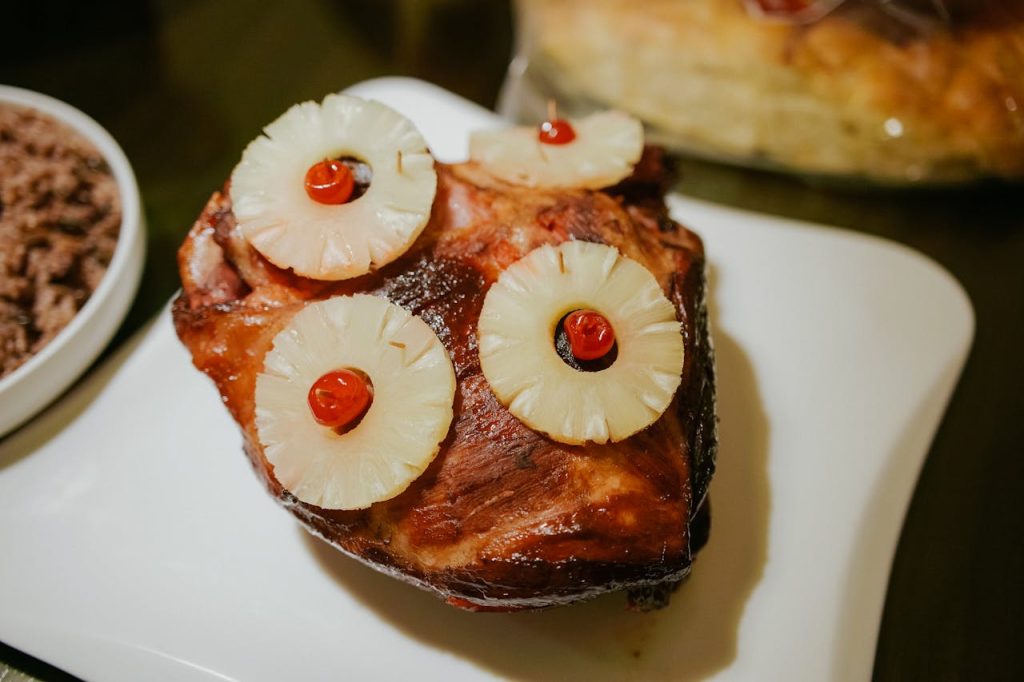
You might remember savory casseroles topped with pineapple rings, reflecting a fascination with tropical flavors that felt exotic at the time. Sweet glazes promised excitement and a break from routine dinners. As tastes shifted toward subtler seasoning, these combinations lost popularity, though they remain part of culinary nostalgia.
Their appeal came from the playful contrast of sweet fruit and savory protein, encouraging you to experiment with flavors that felt adventurous without leaving your kitchen. You can see how these dishes mirrored a broader curiosity about global tastes. They still appear in retro cookbooks, offering a glimpse into past dinner trends.
10. Cheese Ball with Crackers
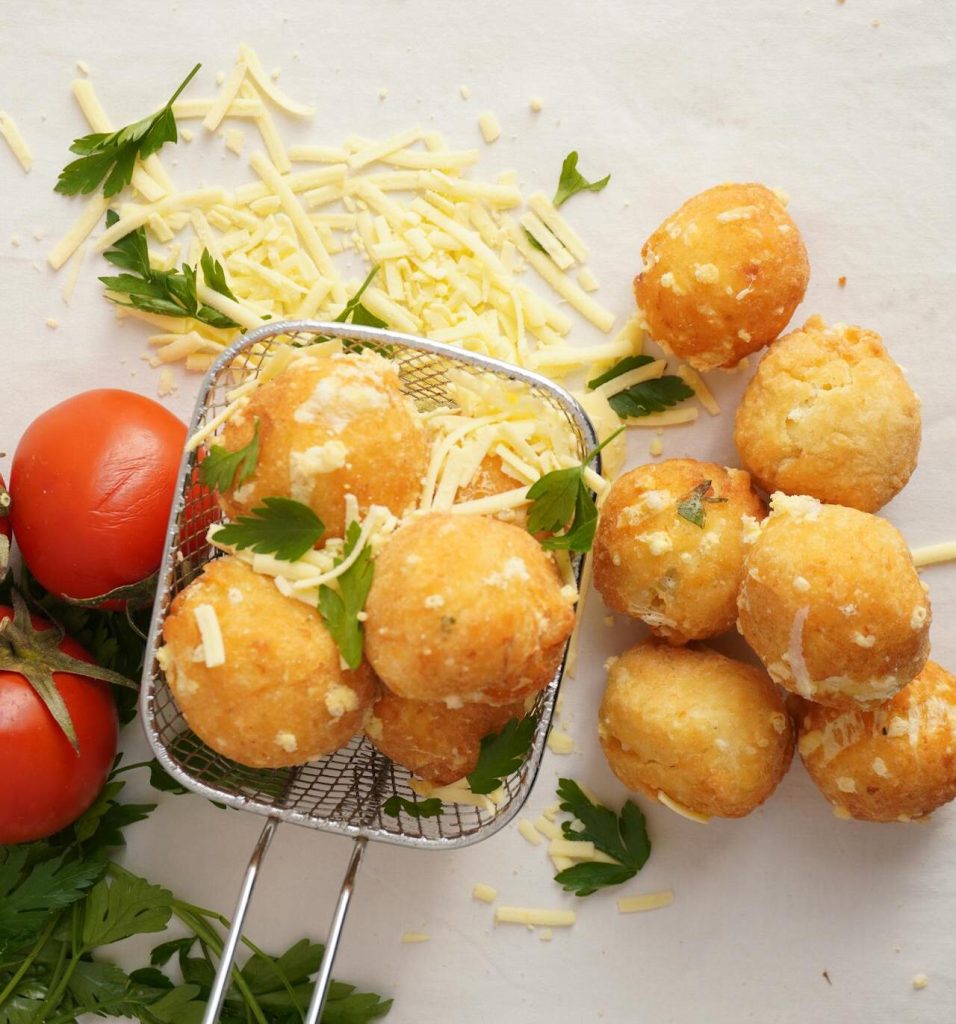
When hosting guests, you often shape a cheese mixture into a ball coated with nuts or herbs, placing it at the center of the table. It signaled hospitality and made entertaining feel approachable. Over time, charcuterie boards and lighter appetizers replaced it, but the cheese ball once defined casual gatherings.
Its popularity reflected the joy of sharing simple bites while socializing, offering a practical option that could be prepared ahead and served with minimal effort during lively conversations. You might remember how it encouraged guests to gather around and chat. It remains a symbol of relaxed, welcoming home entertaining.