


Traveling through airports can feel routine, but small, unnoticed mistakes often create unnecessary stress, delays, and extra costs. Airports operate on tight schedules with complex security systems, changing gates, and strict airline policies. A simple oversight—like poor timing, incorrect packing, or ignoring updates can quickly disrupt your plans. The good news is that most airport problems are preventable with better awareness and preparation. By understanding common traveler habits and adjusting a few behaviors, you can move through terminals more efficiently and start your journey calmly instead of chaotically. Below are ten airport mistakes you may not realize you’re making and how to avoid them.
1. Arriving at the Airport Too Late

Misjudging arrival time is one of the biggest travel errors. Traffic delays, long security lines, baggage drop queues, or last-minute gate changes can quickly eat into your schedule. Arriving too close to departure leaves no room for unexpected issues and creates unnecessary panic. Rushing increases the chance of forgetting items or making mistakes. For most flights, arriving two hours early for domestic trips and three hours for international ones provides a safe buffer. Giving yourself extra time ensures a smoother, less stressful airport experience. It also allows time for restroom breaks, snacks, and handling unexpected document checks calmly.
2. Skipping Online Check-In
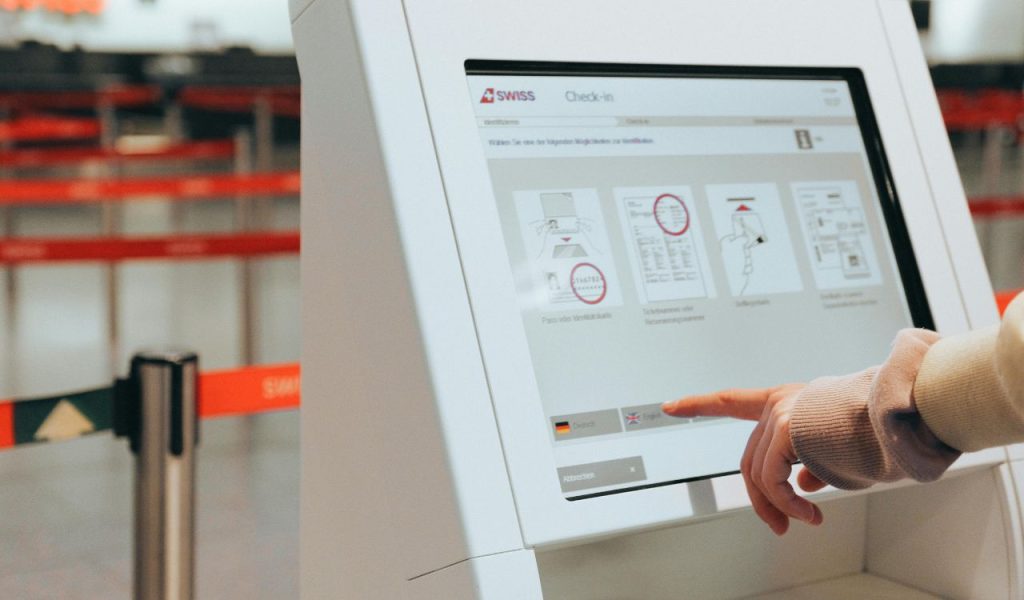
Not checking in online can waste valuable time at the airport. Online check-in allows you to confirm your seat, pay baggage fees, and download your boarding pass before arriving. Skipping this step may result in longer counter lines and limited seat options, especially on full flights. Having a digital boarding pass ready also speeds up security and boarding. To avoid connectivity issues, download or screenshot your pass in advance. Completing check-in early gives you more control and reduces last-minute stress. It also gives you time to review travel details carefully, correct any booking errors, update frequent flyer information, and verify baggage allowances.
3. Wearing Complicated Clothing
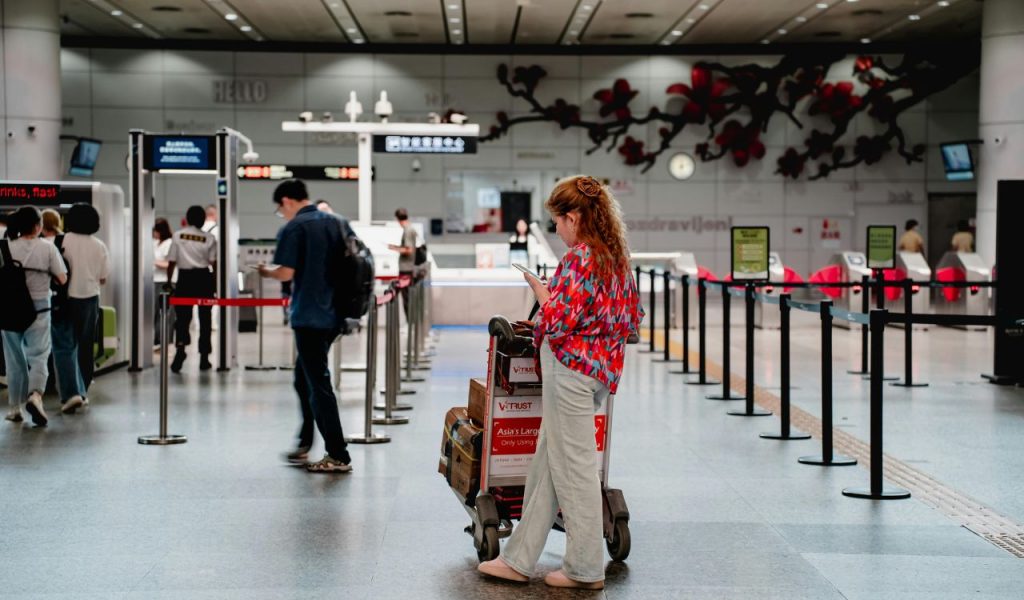
Security screening becomes slower when you wear bulky or metal-heavy clothing. Boots with laces, layered jackets, large belts, and excessive jewelry often trigger alarms or require extra inspection. Removing and reorganizing these items takes time and delays the line. Choosing simple outfits like slip-on shoes and minimal accessories helps you move through checkpoints quickly. Dressing with security in mind doesn’t mean sacrificing comfort; it means preparing strategically to avoid unnecessary hassle during screening. You should also empty your pockets beforehand and keep electronics easily accessible in your bag.
4. Packing Liquids Incorrectly

Many travelers still misunderstand the liquid rules for carry-ons. Containers must be small (typically 3.4 ounces or less) and placed inside a clear bag. Larger bottles, even if partially empty, are usually confiscated. Improperly packed liquids can also cause manual bag checks, slowing down the line. Preparing your liquids the night before and placing them in an accessible pocket makes screening smoother. Following the guidelines carefully saves time and prevents the frustration of throwing away personal items at security. Always double-check airport regulations before departure. Keeping travel-size toiletries ready in advance also helps avoid last-minute packing mistakes.
5. Choosing the Shortest Security Line

The shortest line isn’t always the fastest. A small queue filled with families, large luggage, or inexperienced travelers may move more slowly than a longer line of frequent flyers. Instead of rushing into the nearest line, take a moment to observe. Look for passengers with minimal bags and efficient packing habits. Choosing wisely can save valuable minutes. A brief assessment before committing to a line often results in a quicker and less frustrating security experience. Also, pay attention to how quickly trays are moving through the scanner and whether staff are actively directing passengers efficiently through the checkpoint area.
6. Ignoring Gate Updates
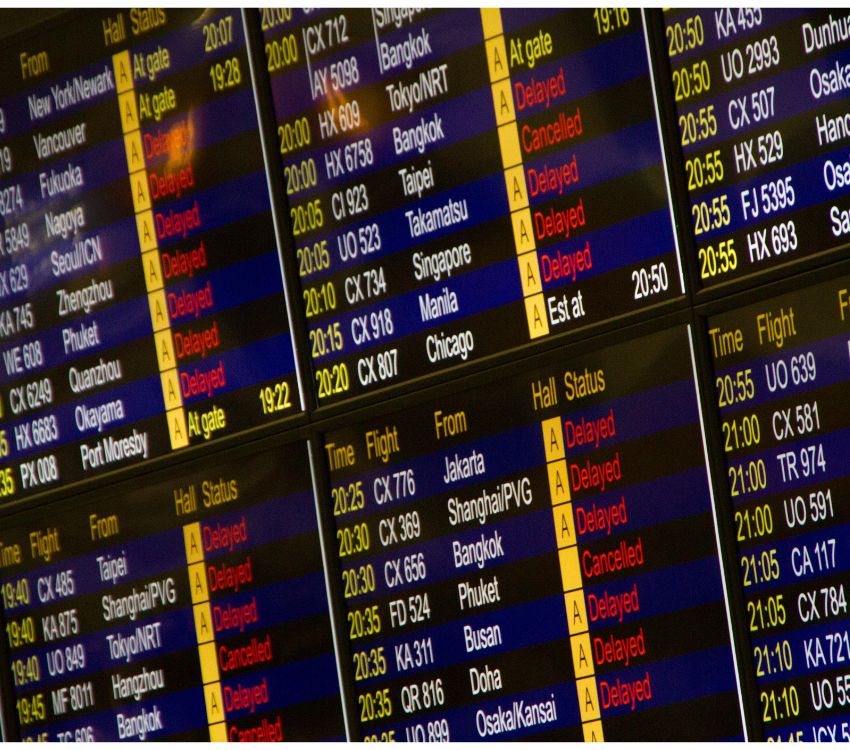
Gate changes happen more often than passengers expect. Weather, operational shifts, or aircraft changes can move your departure to a different location, sometimes far away. Relying only on initial gate information can cause confusion or missed flights. Regularly check departure screens or your airline’s app for updates. Staying alert ensures you’re ready to move quickly if needed. Monitoring your flight status throughout your time at the airport prevents last-minute rushing and unnecessary stress. It’s also helpful to enable push notifications, so you receive instant alerts and avoid relying solely on overhead announcements.
7. Overpacking Your Carry-On

Stuffing everything into a carry-on to avoid baggage fees can backfire. Oversized or overweight bags may be checked at the gate, sometimes with added charges. Large bags are also harder to lift into overhead bins and slow down boarding. Packing strategically with versatile clothing and essentials keeps your luggage manageable. Traveling lighter improves mobility and comfort inside crowded terminals. A well-packed bag saves time, reduces stress, and ensures compliance with airline rules. It also minimizes the risk of repacking items at the gate in front of other passengers. Additionally, lighter bags reduce physical strain on your shoulders and make navigating stairs, shuttles, and tight airplane aisles much easier.
8. Forgetting to Charge Your Phone

Your phone holds boarding passes, travel updates, and important communication tools. Arriving at the airport with a low battery can create unnecessary panic, especially if charging stations are full. A dead phone can delay check-in and boarding. Fully charge devices before leaving home and carry a portable power bank for backup. Staying powered ensures access to tickets, flight alerts, and navigation tools throughout your trip. Managing battery life is a small step with a big impact. Keeping charging cables in your carry-on and enabling low-power mode can further extend battery life during long travel days.
9. Not Planning Transportation After Landing

Focusing only on departure and ignoring arrival plans can cause confusion later. Landing without knowing how you’ll reach your hotel or meeting wastes time and may lead to expensive transportation choices. Research options such as rideshares, trains, buses, or rental cars in advance. Some airports have designated pickup areas that require preparation. Planning ahead ensures a smooth transition from the airport to the destination, reducing stress after a long flight. It also helps you compare prices, avoid surge fees, and feel more confident navigating an unfamiliar city. Having directions saved offline can also be extremely helpful.
10. Skipping Backup Plans

Travel disruptions like delays or cancellations can happen anytime. Many travelers assume everything will go smoothly and don’t prepare alternatives. Without backup options, small issues can quickly become major problems. Consider travel insurance for added protection and research alternative flights or nearby accommodations. Having a contingency plan provides peace of mind and helps you respond calmly if something goes wrong. Preparation makes unexpected challenges easier to manage. Keeping emergency contacts handy is also wise. Saving important documents digitally and setting aside emergency funds can provide additional security during unexpected travel setbacks.